Colonoscopy Prep When You Are Traveling: Timing, Diet, and Practical Pitfalls
Key Takeaways
- Colonoscopy prep works best when travel is planned around the procedure date, not the other way around.
- A low-fiber diet, clear-liquid day, and prescribed bowel prep are the core steps in most plans.
- Travel can complicate hydration, bathroom access, and medication timing, so these details should be arranged in advance.
- Long-distance trips, time-zone changes, and unfamiliar foods can all affect how well the prep works.
- Anyone with diabetes, kidney disease, constipation, or anticoagulant use should get individualized instructions from a doctor.
Medically reviewed by the Acıbadem clinical team — June 13, 2026
Preparing for a colonoscopy is easier when travel plans are built around the procedure rather than squeezed in beside it. With careful timing, a clear diet plan, and attention to hydration and logistics, most travelers can complete bowel preparation safely and comfortably.
Overview
Colonoscopy preparation is one of those medical tasks that looks simple on paper and becomes more complicated once a flight, train ride, road trip, or hotel stay is involved. The bowel needs to be clean enough for the doctor to see the lining clearly, which means the timing of meals, fluids, and laxative solution matters more than usual.
For travelers, the main challenge is not the colonoscopy itself but everything that surrounds it: getting the right prep at the right time, finding bathrooms at short notice, staying hydrated, and protecting the schedule from delays. A good plan reduces stress and lowers the chance that the exam must be postponed because the bowel was not adequately prepared.
This topic is especially relevant for international patients, who may be arranging a colonoscopy while crossing borders, adjusting to new time zones, or combining the procedure with a broader health trip. In that setting, the details deserve extra attention long before the suitcase is packed.
Symptoms
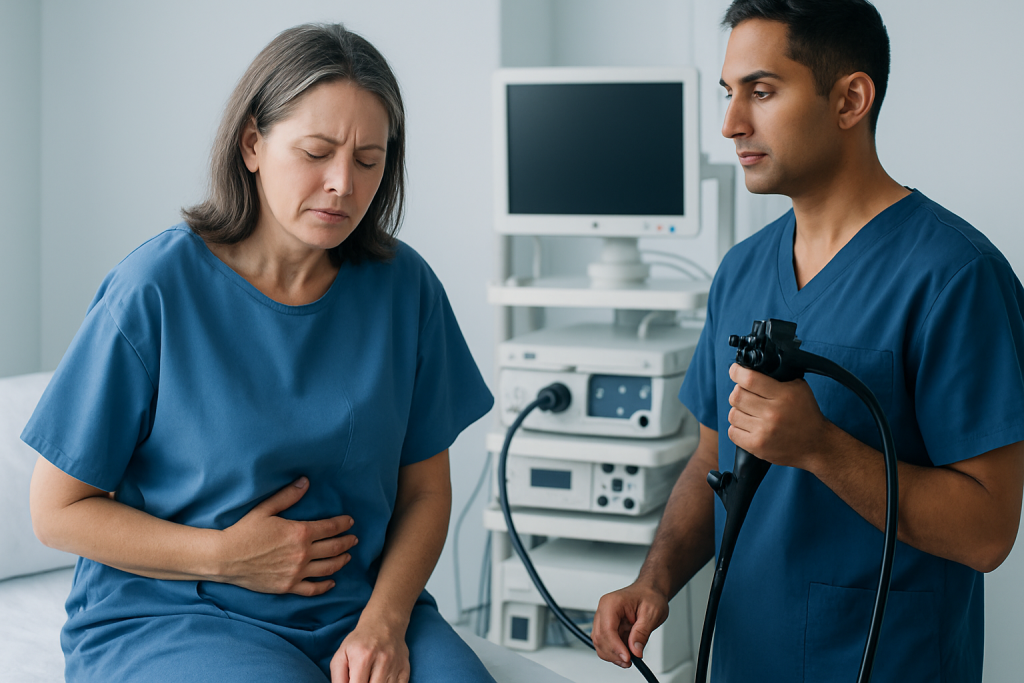
Colonoscopy prep is not a condition, so it does not have symptoms in the usual sense. Instead, people notice the effects of the preparation process itself: frequent watery stools, abdominal cramping, bloating, nausea, hunger, and repeated trips to the bathroom. These effects are expected to some degree once the prep starts.
Travel can make these sensations feel more disruptive. Sitting on a plane, being in a car without easy rest stops, or staying in a place with limited privacy can make normal prep discomfort harder to manage. That is why the best time to think about comfort is before symptoms begin.
It is important to distinguish expected prep effects from warning signs. Severe dizziness, vomiting that prevents fluid intake, confusion, fainting, chest pain, or a reaction such as rash or trouble breathing should be treated as medical concerns rather than routine side effects.
Causes & Risk Factors
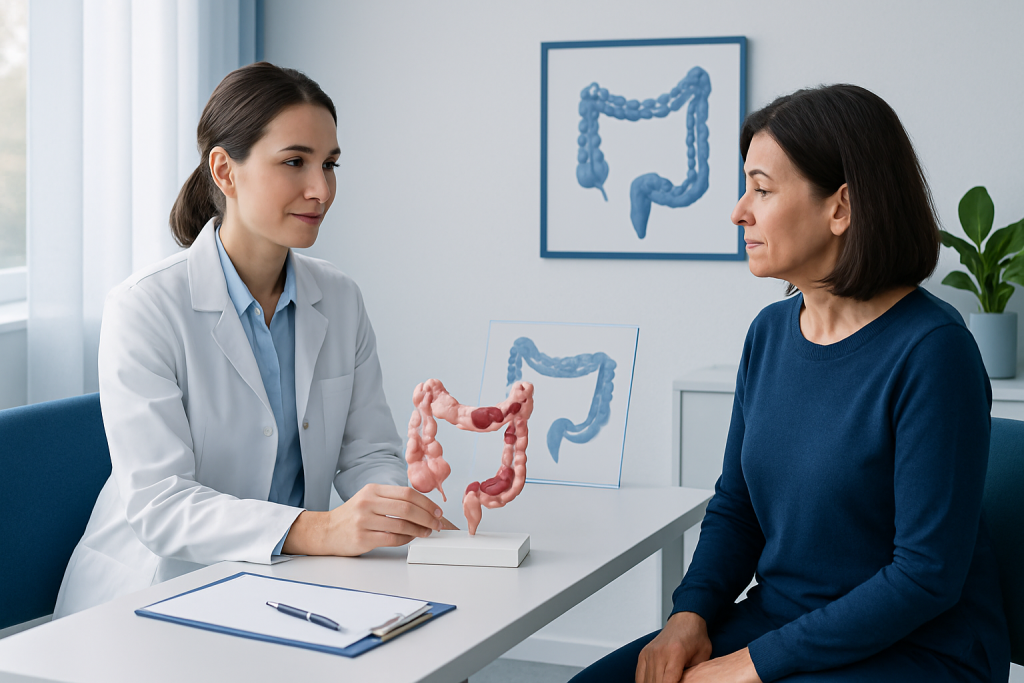
The reason colonoscopy prep is so structured is that the colon must be emptied so the doctor can inspect the lining and remove polyps if needed. If stool remains in the bowel, tiny lesions can be missed, the procedure may take longer, and the examination may need to be repeated.
Travel increases the chance of prep problems because it disrupts normal routines. Common risk factors include long-distance flights, time-zone changes, limited access to toilets, dehydration from airports or road travel, irregular meals, and accidentally eating the wrong foods because the traveler is away from their usual kitchen.
Some health conditions also make prep more delicate. People with chronic constipation, diabetes, kidney disease, heart failure, swallowing problems, inflammatory bowel disease, or a history of bowel obstruction may need a modified plan. Medicines that affect bleeding, blood sugar, or fluid balance can also influence timing and safety.
- Unpredictable travel schedules
- Low fluid intake during transit
- Difficulty following a low-fiber diet away from home
- Older age or limited mobility
- Prior poor bowel cleansing
Diagnosis
The “diagnosis” step in colonoscopy prep is really the planning phase. Before the procedure, the doctor reviews medical history, current medicines, allergies, prior colonoscopy quality, and any conditions that might change the bowel preparation. This review is especially important when someone is traveling because timing has to match both the prep instructions and the itinerary.
Patients are usually given instructions about when to begin dietary changes, when to switch to clear liquids, when to start the bowel cleansing agent, and when to stop drinking before sedation. For travelers, it is wise to confirm these steps in writing and ask what to do if a flight is delayed, a bag is lost, or the preferred prep cannot be obtained abroad.
If the procedure is being arranged in another country, the care team may also need recent laboratory results, medication lists, prior imaging, and any records from previous colorectal screening. Clear communication lowers the risk of misunderstandings and helps the local team prepare safely.
Treatment Options
Colonoscopy prep usually involves three practical pieces: diet modification, bowel cleansing solution, and a timing schedule. Most patients are asked to move to a low-fiber or low-residue diet before switching to clear liquids on the day before the procedure, although exact instructions can vary. The bowel prep itself is commonly split into two doses, which many doctors prefer because it often improves cleansing quality.
For someone traveling, the real treatment question is how to make the plan work outside the usual home setting. That means choosing a hotel near a bathroom, bringing the prep medication in the original packaging, carrying a refillable water bottle, and setting alarms for the correct dosing time in the local time zone. If the patient is crossing time zones, the doctor should clarify whether the prep should follow home time, destination time, or a custom schedule.
Supportive measures can make the process easier. Chilling the clear-liquid beverages, using flavor options that are allowed by the care team, keeping baby wipes or soft toilet tissue nearby, and arranging light clothing can improve comfort. If nausea develops, the prescribing clinician may suggest pacing the solution more slowly or using a different regimen for future procedures.
Some travelers need individualized adjustments rather than a standard kit. Examples include patients who use insulin or other diabetes medicines, those taking iron supplements, individuals on anticoagulants, and people who become constipated easily. The safest prep is the one that fits the person’s medical background as well as the calendar.
Prevention & Self-care
Good preparation starts several days before the colonoscopy, not the evening before. Travelers can reduce problems by shopping for approved clear liquids in advance, checking whether the hotel room has a refrigerator, and mapping the route to bathrooms at the airport or train station. A printed instruction sheet is often more reliable than trying to remember details while packing.
During the prep period, hydration matters. Clear fluids help replace the liquid lost through bowel cleansing and may reduce lightheadedness. The exact list of allowed drinks depends on the doctor’s instructions, but many plans permit water, broth, tea, coffee without milk, and clear juices without pulp; red or purple liquids are usually avoided because they can interfere with the exam view.
Self-care also means protecting the schedule. It helps to avoid adding sightseeing, long transfers, or business meetings during the prep window. The body may need repeated bathroom access, and the person may feel tired or less alert. A quiet, flexible day is more realistic than a tightly packed travel itinerary.
- Confirm the prep plan before departure.
- Pack the medicine in carry-on luggage when possible.
- Keep a medication list and doctor contact information with you.
- Avoid foods not included in the approved diet.
- Plan for easy bathroom access during transit and at the hotel.
When to See a Doctor
Medical advice should be sought if the prep instructions are unclear, if the traveler cannot obtain the bowel cleansing agent, or if the schedule becomes impossible because of delays. It is much better to ask early than to arrive underprepared and risk rescheduling the procedure.
During the prep itself, a doctor should be contacted for severe vomiting, inability to keep fluids down, fainting, marked weakness, allergic symptoms, severe abdominal pain, or no bowel movement after the prep is taken. These situations are not typical and may need a change in the plan or urgent evaluation.
After the colonoscopy, follow-up is important if there is persistent pain, heavy bleeding, fever, or worsening dizziness. Travelers should also know how they will receive results and who will handle follow-up if they are already scheduled to fly home or continue to another destination. In that setting, Acibadem Health Point’s multidisciplinary specialists and JCI-accredited hospitals can help international patients with diagnosis, colonoscopy planning, and coordinated care.
Frequently asked questions
Can colonoscopy prep be done while traveling?
Yes, many people complete colonoscopy prep while away from home, but it requires careful planning. The most important parts are following the diet instructions, taking the bowel prep on the correct schedule, and staying near a bathroom when needed.
What should travelers pack for colonoscopy prep?
It helps to bring the bowel prep medicine, a copy of the instructions, a medication list, and any allowed clear liquids or flavoring recommended by the care team. Comfortable clothing, wipes, and a water bottle can also make the process easier.
Should colonoscopy prep follow home time or destination time?
This depends on the exact prep and how far the patient is traveling. The safest step is to ask the prescribing doctor or endoscopy team before departure so the timing is adjusted clearly and there is no confusion across time zones.
Can someone eat normally before a colonoscopy if they are flying?
No, normal eating can interfere with the bowel cleansing process. Most patients need to follow a low-fiber diet before switching to clear liquids, even if they are traveling, because the colon must be clean for the exam to work well.
What if the prep causes nausea or vomiting during a trip?
Mild nausea can happen, but vomiting that prevents fluid intake should be reported to a doctor. The clinician may advise slowing the pace, changing the plan, or checking whether a different preparation is safer for future procedures.
Is it safe to travel right after a colonoscopy?
Usually, patients should not drive themselves after sedation and should wait for the care team’s advice before traveling again. If same-day travel is planned, transportation, rest time, and any follow-up needs should be arranged in advance.
References
- American Society for Gastrointestinal Endoscopy
- American College of Gastroenterology
- Mayo Clinic
- National Institute of Diabetes and Digestive and Kidney Diseases
- World Gastroenterology Organisation
This article is for general information only and is not a substitute for professional medical advice. Please consult a qualified doctor about your individual situation.