Hernia Repair Decisions: When Waiting, Watching, or Operating Makes Sense

Key Takeaways
- Not every hernia needs urgent surgery, but every hernia should be assessed by a doctor.
- Watchful waiting may be appropriate when symptoms are mild and the hernia is stable.
- Pain, growth, difficulty reducing the hernia, or digestive symptoms can shift the balance toward repair.
- A trapped or strangulated hernia is a medical emergency and needs immediate care.
- Recovery planning matters, especially for people traveling from another country for treatment.
Medically reviewed by the Acıbadem clinical team — June 13, 2026
Hernia treatment is not always an immediate decision. Some hernias can be monitored safely for a time, while others are better repaired sooner to reduce discomfort or the risk of complications.
Overview
A hernia happens when an internal tissue or organ pushes through a weak spot in the muscle or connective tissue that normally keeps it in place. Many people first notice a soft bulge, a pulling sensation, or discomfort during lifting, coughing, or standing for long periods. Others discover it only during a routine examination or imaging for another reason.
The main decision is not simply whether a hernia exists, but what it is doing over time. Some hernias remain small and manageable, especially when they cause little or no discomfort. Others become painful, enlarge gradually, or interfere with daily movement and digestion, making repair the more practical choice.
For patients who may need to travel for treatment, the question often becomes broader: is it safe to observe locally for now, or is it better to plan a structured surgical evaluation? The answer depends on the hernia type, symptoms, physical findings, and the person’s overall health and lifestyle.
Symptoms
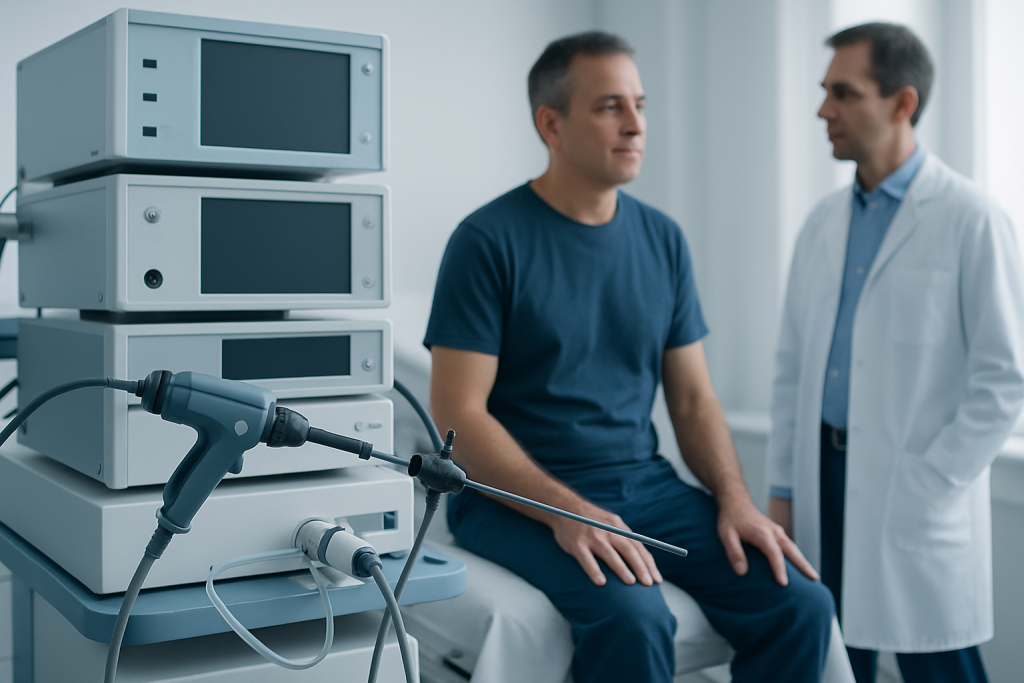
Hernias do not all feel the same. Some are obvious because they create a visible or palpable bulge, while others are more subtle and show up as pressure, aching, heaviness, or a sense that something is “pulling” in the groin, abdomen, or around a previous surgical scar.
Symptoms often become more noticeable with activity and ease when lying down. A person may feel more discomfort after exercise, prolonged standing, coughing, constipation, or heavy lifting. In some cases, the bulge can be gently pushed back in, though that should never be forced if it is painful.
- Visible bulge in the groin, belly button, abdomen, or scar area
- Pressure, ache, or burning sensation
- Pain with lifting, coughing, or straining
- Bulge that becomes more noticeable through the day
- Occasional nausea, fullness, or bowel-related discomfort
When a hernia becomes tender, hard, red, or no longer reducible, the situation changes. Those findings can suggest that tissue is trapped, which needs prompt medical assessment rather than continued waiting.
Causes & Risk Factors

Hernias usually develop because pressure inside the abdomen repeatedly meets an area of weakness. That weak spot may be present from birth, develop after surgery, or gradually form over time as tissue stretches and thins. The abdomen is designed to contain pressure, but the balance can shift when strain is frequent or support is reduced.
Several factors can raise the chance of developing a hernia or make an existing one more likely to enlarge. Chronic coughing, constipation, repeated lifting, pregnancy, obesity, smoking, and some connective tissue conditions may all contribute. Previous abdominal surgery is also important, because scar tissue can create a vulnerable area for an incisional hernia.
Risk does not automatically mean surgery is required, but it does help guide the discussion. A person with a small, stable hernia and few symptoms may be managed differently from someone whose work involves physical exertion or whose hernia is growing over a short period.
Diagnosis
Diagnosis usually begins with a focused history and a physical examination. A doctor looks for the location of the bulge, whether it changes with coughing or standing, and whether it can be reduced gently. These details help distinguish a straightforward hernia from other causes of abdominal or groin pain.
Imaging is sometimes helpful, especially when the exam is unclear, the hernia is small, the patient has had prior surgery, or symptoms do not match the visible findings. Ultrasound is commonly used, and CT or other imaging may be recommended when a deeper or more complex hernia is suspected.
For international patients, diagnosis is often the first step in building a practical treatment plan. That plan may include local observation, a surgical consultation, travel planning, or coordination of follow-up care after repair. Good documentation from the start makes later decisions easier and safer.
Treatment Options
Hernia treatment is usually based on the balance between symptoms, risk, and the likelihood that the hernia will remain stable. In some cases, watchful waiting is reasonable. In others, elective repair offers a clearer path because it addresses pain, reduces activity limits, and lowers the chance that the hernia will become more difficult to manage later.
Watchful waiting means regular observation rather than immediate surgery. This approach may suit a small, minimally symptomatic hernia, particularly when the person understands what changes should trigger reassessment. It is not the same as ignoring the problem; it is an active plan with follow-up.
Surgical repair may be recommended when the hernia is painful, enlarging, interfering with work or exercise, or becoming difficult to reduce. Repair can be done with open surgery or minimally invasive techniques, depending on the hernia type, size, location, prior surgery, and the surgeon’s judgment. The aim is to close the weak area and restore support to the tissue.
- Watchful waiting: For stable hernias with few symptoms and reliable follow-up
- Elective repair: For symptomatic or enlarging hernias, or when daily life is affected
- Urgent evaluation: For severe pain, vomiting, redness, firmness, or a non-reducible bulge
People traveling for surgery often need extra coordination: preoperative review, flight timing, aftercare arrangements, and a realistic recovery window before return travel. A clear plan helps avoid rushed decisions and supports safer healing.
Prevention & Self-care
Not every hernia can be prevented, but certain habits can reduce strain on the abdominal wall. The goal is to lower repeated pressure rather than to promise that a hernia will disappear on its own. For someone already diagnosed, sensible self-care can also make symptoms easier to live with while waiting for a decision.
Gentle attention to bowel habits matters because straining can worsen discomfort. Many people benefit from hydration, fiber-rich eating, and avoiding prolonged constipation. If coughing is a problem, it is worth addressing the cause, since ongoing cough places repeated stress on the same weak area.
Commonly recommended self-care measures include:
- Avoid heavy lifting or use safer lifting techniques if work cannot be modified
- Maintain a healthy body weight when possible
- Stop smoking, which can support better tissue healing and reduce coughing
- Manage constipation with diet, fluids, and clinician guidance
- Use support garments only if a doctor advises them; they do not repair the hernia
Self-care has limits. If the hernia changes shape, hurts more, or begins to interfere with eating, bowel movements, or movement, the plan should be reassessed rather than simply intensified.
When to See a Doctor
A doctor should evaluate any suspected hernia, even if it seems small or only appears occasionally. An early visit helps confirm the diagnosis and gives the person a better sense of whether monitoring or repair is more sensible. That is especially helpful for people who are deciding whether to continue local observation or arrange treatment while traveling.
Prompt medical review is important when the hernia becomes more painful, grows, or starts limiting normal activities. New nausea, vomiting, bloating, constipation, or a bulge that cannot be pushed back in can suggest that the hernia is no longer straightforward. Those symptoms should not be put off until a routine appointment.
Emergency care is needed if the bulge becomes hard, very tender, red, or associated with severe pain, fever, vomiting, or inability to pass stool or gas. These signs can indicate trapped or strangulated tissue, which requires immediate assessment. Acibadem Health Point’s multidisciplinary specialists and JCI-accredited hospitals diagnose and treat hernias for international patients, with care planning that takes surgery, recovery, and follow-up into account.
Recovery and Follow-up
Recovery after hernia repair depends on the type of operation and the person’s overall health. Many patients need a gradual return to activity rather than an immediate full resume of lifting or intense exercise. The surgeon’s guidance on walking, wound care, bathing, and activity limits should be followed closely.
Follow-up is especially important when care begins in one country and continues in another. A patient may need clear instructions about incision care, warning signs, medication review, and timing for suture checks or postoperative visits. Good communication helps prevent avoidable setbacks and makes the transition home smoother.
Even after successful repair, new symptoms should be taken seriously. Pain that worsens instead of improves, fever, wound drainage, or a new bulge should prompt a medical review. Recovery is usually a stepwise process, and it is normal for strength and confidence to return gradually.
Frequently asked questions
Can a hernia go away without surgery?
A hernia usually does not heal on its own because the underlying weak spot remains. Some hernias can be watched safely for a period if symptoms are mild and follow-up is reliable, but the tissue defect itself typically persists.
How do doctors decide between watching and operating?
The decision is based on symptoms, hernia size, how it changes over time, and whether it can be reduced easily. A doctor also considers age, medical history, activity level, and how likely the hernia is to cause problems later.
Is watchful waiting safe for all hernias?
No. Watchful waiting is only suitable for selected cases, usually when symptoms are minimal and the hernia is stable. Hernias that are painful, enlarging, or difficult to reduce need closer assessment.
What symptoms mean a hernia may be urgent?
Severe pain, a hard or red bulge, vomiting, fever, or a bulge that cannot be pushed back in can signal a complication. Those symptoms should be assessed urgently rather than monitored at home.
Will wearing a support belt fix a hernia?
A support garment may help some people feel more comfortable, but it does not repair the weakness in the abdominal wall. It should only be used if a clinician recommends it as part of a broader plan.
What should an international patient prepare before hernia surgery?
It helps to organize medical records, imaging, a medication list, and a realistic recovery timeline before travel. Clear plans for postoperative visits, wound care, and return travel make the overall experience safer and less stressful.
References
- World Health Organization
- American College of Surgeons
- National Institute of Diabetes and Digestive and Kidney Diseases
- Mayo Clinic
- NHS
This article is for general information only and is not a substitute for professional medical advice. Please consult a qualified doctor about your individual situation.