PPD Test for Tuberculosis

Key Takeaways
- PPD testing for TB does not diagnose active disease on its own; it helps identify possible TB exposure.
- The test requires a second visit so a clinician can read the skin reaction after 48 to 72 hours.
- A positive result may mean past exposure or latent TB infection, not necessarily contagious TB disease.
- People with weakened immune systems, close TB contacts, and some travelers may be asked to have testing.
- A doctor may recommend a blood test or chest imaging if the skin test is positive or unclear.
Medically reviewed by the Acıbadem clinical team — August 19, 2026
PPD testing for TB is a simple skin test used to help find whether a person has been exposed to tuberculosis bacteria. It is often part of screening for travel, work, school, or before starting certain medical treatments.
Overview
PPD testing for TB, also called the tuberculin skin test or Mantoux test, is one of the most familiar ways clinicians check whether a person has likely been exposed to Mycobacterium tuberculosis. It is a small test with an important role: not to confirm active tuberculosis on its own, but to help identify people who may need further evaluation.
For many patients, the test becomes relevant during a practical moment rather than a medical emergency. It may be requested before starting work in healthcare, entering school, applying for a visa, planning international travel, or beginning medications that can affect the immune system. In these situations, the test helps create a clearer picture of risk before more complex decisions are made.
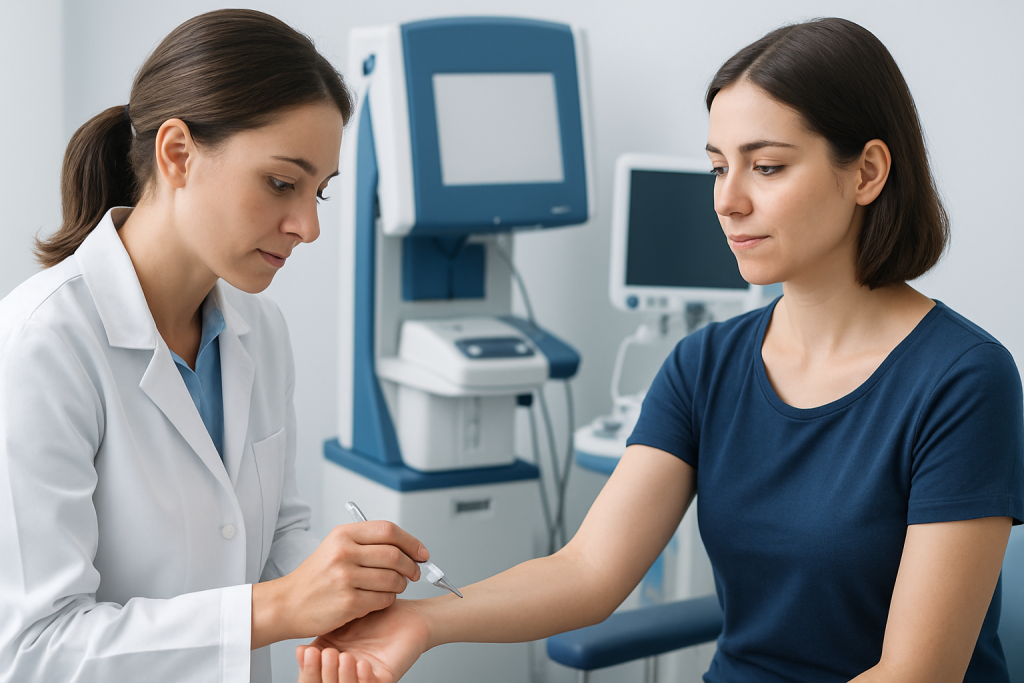
The test is called “PPD” because it uses purified protein derivative from TB bacteria. A tiny amount is placed just under the skin, usually on the forearm. The skin is then checked two to three days later for a reaction. That second visit matters, because the result depends on how the body responds over time rather than what the injection looks like right away.
Because TB screening can feel unfamiliar, especially for patients arranging care from another country, it helps to know that the process is usually straightforward. A clinician looks at the person’s medical history, TB exposure risk, and the test result together. In other words, the skin test is only one piece of the story.
Symptoms
PPD testing itself does not cause tuberculosis symptoms, but it is often ordered because a patient has risk factors or because a clinician wants to know whether TB infection has ever occurred. Many people who need the test feel completely well. Others may be having the test after contact with someone who has TB or because their immigration, work, or treatment plan requires screening.
It is important to distinguish the test from the disease. Latent TB infection usually causes no symptoms and is not contagious. Active TB disease, by contrast, can produce symptoms such as cough that lingers, fever, night sweats, weight loss, tiredness, or coughing up blood. A positive PPD result does not automatically mean active disease is present, but it does mean further assessment is often needed.
Some people notice mild redness, itching, or a small raised area after the injection. These local skin changes are expected and are not the same as the final reading. The test site should not be scratched, covered with tight bandages, or rubbed vigorously, because the area needs to be left intact for an accurate evaluation.
Causes & Risk Factors
The PPD test is used because tuberculosis can spread through airborne droplets and may remain hidden in the body for a long time. A person may have been exposed years earlier and never developed symptoms. Screening helps identify this possibility before the bacteria cause disease or before a medical treatment lowers immune defenses.
Certain groups are more likely to be offered TB testing. These include close contacts of someone with active TB, healthcare workers, people who have lived in or traveled from regions where TB is more common, and patients with conditions or treatments that weaken the immune system. Examples may include some biologic medicines, transplant-related care, or other immunosuppressive therapies.
Some travel and international-care situations also increase the chance of testing. Patients arriving for surgery, fertility treatment, or long-term Varicose Vein Treatment Abroad: When Stockings Are Enough and When Procedures Help More" class="ahp-ilk">treatment abroad may be asked to document TB status, especially if local policies or pre-treatment screening protocols require it. In these cases, screening is part of making care safer and smoother across borders.
It is also worth noting that prior BCG vaccination can complicate interpretation in some people, because it may sometimes influence the skin test response. A clinician will usually take vaccination history, exposure history, and the person’s overall risk profile into account when deciding which test is most appropriate.
Diagnosis
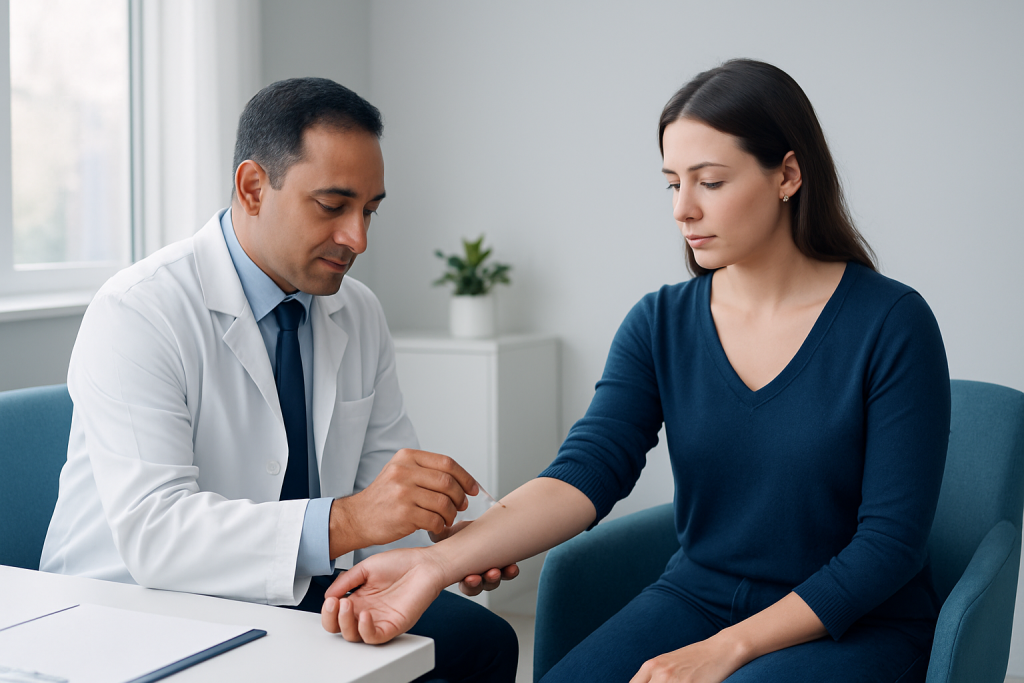
PPD testing is performed by injecting a small amount of purified protein derivative just under the skin of the forearm. The placement creates a small bump immediately, which usually fades within minutes to hours. That initial bump is not the result the clinician is looking for.
The key part of the test is the reading, usually done 48 to 72 hours later. A clinician measures the induration, which is the firm, raised area of skin that develops if the immune system reacts. Redness alone is not measured. The size of the induration, along with the person’s TB risk factors, helps determine whether the result is considered positive or negative.
Interpretation is not one-size-fits-all. The threshold for a positive result can differ depending on a person’s exposure risk and medical background. For example, the result may be interpreted differently in someone with HIV, recent TB contact, or other high-risk features than in someone with no known risk factors. This is why self-judging the test at home is not reliable.
If the result is positive, a clinician may recommend additional testing such as a chest X-ray, symptom review, and sometimes a blood test called an interferon-gamma release assay (IGRA). These steps help distinguish latent infection from active disease and guide the next phase of care.
Treatment Options
The PPD test itself does not require treatment. What happens next depends on the result and the overall clinical picture. A negative result may mean no TB exposure was detected, although repeat testing can sometimes be needed after a recent exposure because the body may not have had time to react yet.
If the test is positive, the next step is not to assume active TB disease. A clinician will first look for signs of illness and may order imaging or other testing. If the person has latent TB infection, treatment is often recommended to lower the chance that the infection becomes active later. If active TB disease is found, treatment is more involved and usually requires a combination of medicines over a longer period.
For patients navigating care from another country, treatment planning may include practical questions as well as medical ones: whether the workup can be completed before travel, how results will be shared with the home physician, and what follow-up is needed after returning home. A well-organized care team can help patients move through these steps without unnecessary delay.
Supportive treatment after the test is simple. If the injection site becomes mildly sore or itchy, most people do not need anything beyond ordinary skin care. If a person develops unusual swelling, blistering, or persistent discomfort, a clinician should review the site, although serious reactions are uncommon.
Prevention & Self-care
PPD testing does not prevent TB by itself, but it can be part of a broader prevention strategy. Identifying TB exposure early gives patients and doctors a chance to act before symptoms appear. That is especially useful for people starting immune-suppressing treatments or those with frequent cross-border exposure to regions where TB is more common.
After the test, the main self-care step is to keep the site clean and untouched. The area should not be scratched, covered with adhesive bandages unless instructed, or exposed to harsh rubbing. Showering is usually fine, but hot tubs, lotions, and home remedies are best avoided until the reading has been completed.
For people traveling for testing, a little planning helps. It is sensible to schedule the placement and reading so the second appointment can be kept exactly on time. Missing the reading window can make the result unusable and may require the test to be repeated.
General TB prevention also includes reducing exposure to known infectious cases, following public health guidance when asked, and completing any prescribed latent TB treatment. A clinician can explain whether another test, such as an IGRA blood test, may be better in a given situation, especially when prior BCG vaccination or travel history affects interpretation.
When to See a Doctor
A doctor should be consulted when TB testing is needed for work, school, immigration, travel, or before medical treatment, because the right test depends on personal risk factors and the reason for screening. This is especially important for patients with weakened immunity, recent TB contact, or a history of BCG vaccination.
Medical review is also important if the PPD result is positive, if the reading was missed, or if the skin reaction seems unusually large or uncomfortable. A positive skin test usually leads to additional evaluation rather than immediate conclusions, and that follow-up should be handled by a qualified clinician.
Anyone with symptoms that could suggest active TB, such as a persistent cough, fever, night sweats, unexplained weight loss, or coughing up blood, should seek medical assessment promptly. These symptoms do not confirm TB on their own, but they do deserve attention.
For international patients, coordinated care can make the process easier. Acibadem Health Point’s multidisciplinary specialists and JCI-accredited hospitals help diagnose and treat TB-related concerns for international patients, while keeping the testing and follow-up process organized and clear.
Living With the Result
Many patients feel relieved once the test is complete, but the result can bring questions rather than immediate answers. A negative reading may close the issue for now, while a positive one usually opens a careful but manageable next step: confirming whether infection is latent or active and deciding whether treatment is needed.
It helps to keep records of the test date, the reading date, and any follow-up recommendations. This is especially useful for travelers and patients who may continue care in another country or with a different physician. Clear documentation can prevent repeated testing and reduce confusion later.
With the right explanation, PPD testing for TB is less daunting than it first appears. It is a screening tool, not a verdict, and it is meant to support timely, sensible care. Patients who understand the process are usually better prepared to complete it correctly and to follow through if more evaluation is recommended.
Frequently asked questions
What is a PPD test for TB?
A PPD test is a skin test used to see whether the body has likely been exposed to tuberculosis bacteria. It does not diagnose active TB disease by itself. A clinician interprets it together with the person’s risk factors and any follow-up tests.
How long does it take to get PPD test results?
The test must usually be read 48 to 72 hours after it is placed. That second visit is essential because the clinician measures the skin reaction at that time. If the reading window is missed, the test may need to be repeated.
Does a positive PPD test mean someone has active TB?
Not necessarily. A positive result may indicate past exposure or latent TB infection, which is different from active disease. Further evaluation such as a chest X-ray or blood test is often needed to clarify the situation.
Can the PPD test be affected by BCG vaccination?
Yes, prior BCG vaccination can sometimes influence the skin test result. Because of that, a clinician may consider the vaccination history and may choose a blood test instead in some cases. The best test depends on the person’s overall risk profile.
Is the PPD test painful or dangerous?
Most people feel only a quick pinch during the injection. Mild redness or itching afterward can happen, but serious reactions are uncommon. The test is generally considered safe when performed by trained staff.
What should a patient do after the test?
The person should keep the site clean and avoid scratching or covering it unnecessarily. It is also important to return on time for the reading appointment. If the test is positive or symptoms suggest TB, a doctor should be seen for further evaluation.
References
- Centers for Disease Control and Prevention
- World Health Organization
- American Thoracic Society
- U.S. Preventive Services Task Force
This article is for general information only and is not a substitute for professional medical advice. Please consult a qualified doctor about your individual situation.
Explore treatments in Turkey — costs, top hospitals & a free quote
JCI-accredited · board-certified surgeons · reply within 24h
Add us as a Preferred Source to see more of our trusted health content across Google Search, AI Overviews and Discover.