Pulmonary: Meaning, Conditions and Health Issues

Key Takeaways
- Pulmonary problems can affect breathing, energy, sleep, and overall quality of life.
- Common symptoms include shortness of breath, cough, wheezing, chest tightness, and mucus changes.
- Diagnosis usually combines a medical history, exam, breathing tests, and sometimes imaging or blood work.
- Treatment depends on the cause and may include medicines, inhaled therapies, oxygen, rehabilitation, or procedures.
- Avoiding smoke, managing triggers, staying active within limits, and following up regularly can support lung health.
Medically reviewed by the Acıbadem clinical team — August 19, 2026
Pulmonary health refers to the well-being of the lungs and the breathing system that supports everyday life. When symptoms such as cough, breathlessness, wheezing, or chest discomfort appear, understanding the possible causes and the next steps can make care feel more manageable.
Overview
The word pulmonary refers to the lungs. Pulmonary health, then, is about how well the lungs move air, exchange oxygen, and help the body do the quiet work that most people only notice when it becomes harder to breathe. Because the lungs are involved in every activity from climbing stairs to sleeping comfortably, even mild changes can feel disruptive.
Pulmonary conditions range from temporary infections and inflammation to long-term diseases such as asthma, chronic obstructive pulmonary disease (COPD), pulmonary fibrosis, pulmonary embolism, and lung cancer. Some problems begin suddenly, while others build gradually and are easy to overlook at first. A careful evaluation matters because similar symptoms can come from very different causes.
For people considering care across borders, pulmonary evaluation often starts with a clear symptom history and a plan for tests that can be done efficiently. That can be especially helpful when a traveler wants answers before returning home, or when follow-up needs to be coordinated after treatment.
Symptoms
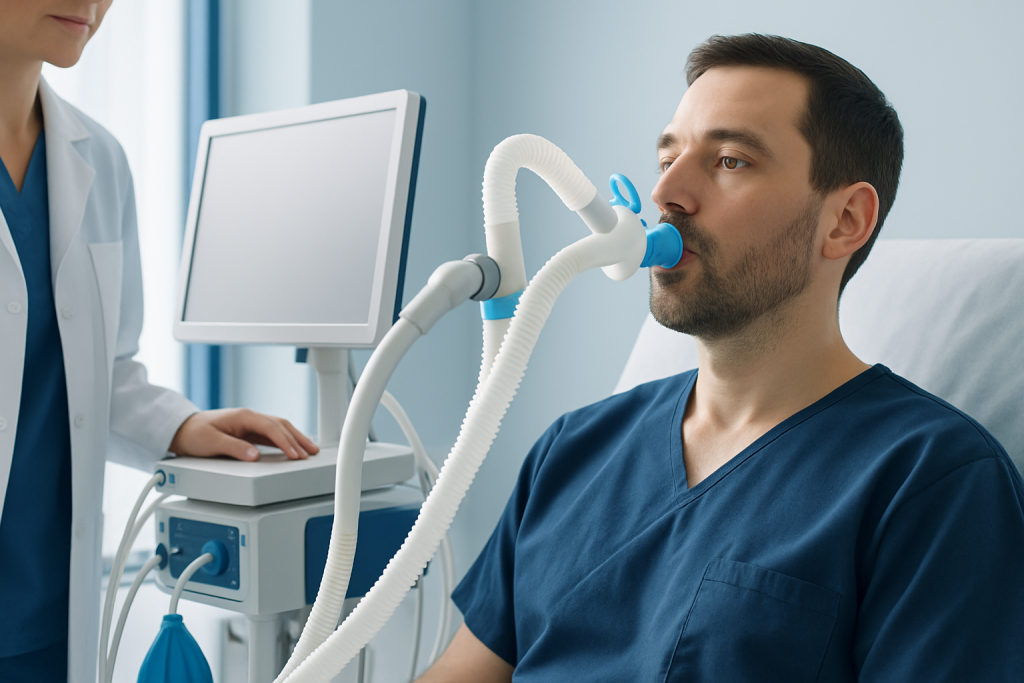
Breathing symptoms are not always dramatic. Many lung conditions begin with a cough that lingers longer than expected, a sense of being winded during routine activity, or a need to pause more often while talking or walking. Some people notice chest tightness, wheezing, or mucus that changes in amount or color.
Other signs can be less obvious. Fatigue, poor sleep, reduced exercise tolerance, or repeated chest infections may point to a pulmonary issue even when breathing seems “mostly fine” during the day. In some conditions, symptoms appear only with exertion, cold air, allergens, or exposure to smoke or dust.
Possible pulmonary symptoms include:
- Shortness of breath or difficulty taking a full breath
- Persistent cough, dry or productive
- Wheezing or whistling sounds when breathing
- Chest tightness or discomfort
- Mucus production, especially if it changes suddenly
- Fatigue, lower stamina, or disturbed sleep
If symptoms are new, worsening, or interfering with daily life, they deserve attention even if they seem mild at first.
Causes & Risk Factors

Pulmonary symptoms can stem from many different sources. Some are linked to infection, such as bronchitis or pneumonia. Others reflect inflammation or airway narrowing, as in asthma, or gradual structural changes in the lungs, as in COPD or interstitial lung disease. Blood clots in the lungs, certain autoimmune diseases, occupational exposures, and tumors can also affect pulmonary function.
Risk factors are not always avoidable, but they help shape the doctor’s thinking. Smoking, secondhand smoke, air pollution, frequent exposure to dust or chemicals, a personal or family history of asthma or allergies, repeated respiratory infections, and some workplace exposures all increase risk. Age, immune status, and other medical conditions can also play a role.
Sometimes the setting matters as much as the biology. A person who has traveled long distance may be dealing with an infection acquired on the road, a flare of a chronic condition, or a blood clot risk related to recent immobility. Pulmonary care is strongest when the full story is known, including travel, timing, and exposures.
Diagnosis
A pulmonary evaluation usually begins with a detailed conversation. The clinician will ask about the pattern of symptoms, smoking history, allergies, occupational exposure, travel, medications, prior lung problems, and whether symptoms change with exertion, weather, or infections. This history often gives the first clues about which tests will be most useful.
Physical examination may include listening to the lungs, checking oxygen levels, and looking for signs that the body is working harder to breathe. Depending on the case, the next steps can include chest X-rays, CT scans, spirometry, blood tests, allergy testing, sputum analysis, or cardiac tests if symptoms could be coming from the heart rather than the lungs.
When a person is seeking care abroad, efficient diagnosis can reduce uncertainty and help with travel planning. The goal is not simply to name a condition, but to understand how severe it is, what caused it, and whether it can be treated safely as an outpatient or needs closer observation.
Treatment Options
Treatment depends on the underlying cause, so there is no single pulmonary treatment plan that fits every patient. An infection may need supportive care or medication, asthma may respond to inhaled therapies, COPD management may include inhalers and rehabilitation, and clot-related or inflammatory lung problems may require targeted treatment from a specialist team.
In some situations, medicines are only one part of the plan. Oxygen therapy, pulmonary rehabilitation, breathing exercises, smoking cessation support, and procedures such as bronchoscopy or drainage may be recommended when appropriate. If a structural or cancer-related problem is found, care may involve a multidisciplinary discussion that includes pulmonology, radiology, oncology, thoracic surgery, or pathology.
For international patients, treatment planning often includes practical details: how long recovery may take, whether a procedure needs inpatient monitoring, and what follow-up can safely happen at home. A good plan leaves room for questions, written instructions, and clear guidance on when to seek care after returning to another country.
Examples of treatment approaches may include:
- Inhaled medicines for airway inflammation or narrowing
- Antibiotics or antivirals when infection is confirmed or strongly suspected
- Oxygen support when oxygen levels are low
- Pulmonary rehabilitation to improve stamina and breathing efficiency
- Procedural or surgical care for selected conditions
Prevention & Self-care
Some pulmonary conditions cannot be prevented, but many lung-supporting habits are straightforward and effective. Avoiding tobacco smoke is one of the most important steps. Reducing exposure to dust, fumes, and indoor irritants can also lower symptom flares, especially for people with asthma or chronic airway disease.
Self-care is most helpful when it is consistent rather than complicated. Taking prescribed medicines as directed, using inhalers correctly, staying hydrated if advised, and keeping activity within a comfortable range can make breathing feel more predictable. Vaccinations recommended by a clinician may also help reduce the chance of some respiratory infections.
Practical habits that may support lung health include:
- Staying away from smoke and strong airborne irritants
- Wearing protective equipment if workplace exposure is a concern
- Keeping follow-up appointments and symptom logs
- Using inhalers, spacers, or oxygen equipment correctly if prescribed
- Being active at a level that matches current breathing ability
Traveling for care can add an extra layer of planning. Patients may benefit from bringing medication lists, test results, and a summary of prior lung diagnoses, so that treatment decisions are easier to coordinate before and after the visit.
When to See a Doctor
A doctor should evaluate breathing symptoms that are new, persistent, or gradually getting worse. A cough that does not improve, recurring wheezing, unexplained breathlessness, or chest tightness that limits normal activities all deserve medical assessment. Even if symptoms seem manageable, early evaluation can help identify a condition before it becomes more difficult to treat.
Some symptoms need more urgent attention. Sudden severe shortness of breath, blue lips, coughing up blood, confusion, fainting, or chest pain with breathing should be assessed promptly. These signs do not always mean a dangerous illness, but they do warrant timely medical review.
For people traveling internationally for pulmonary care, it is helpful to choose a team that can evaluate symptoms, explain test results clearly, and coordinate follow-up after discharge. Acibadem Health Point’s multidisciplinary specialists and JCI-accredited hospitals diagnose and treat pulmonary conditions for international patients, with attention to continuity of care across borders.
Living With a Pulmonary Condition
Living with a lung condition often means learning the body’s patterns. Many patients do better when they know what their usual breathing feels like, what tends to trigger symptoms, and which changes should prompt a call to their clinician. That awareness can make long-term management feel more controlled and less reactive.
Follow-up is especially important when treatment begins far from home. A clear care plan may include medication instructions, activity guidance, test results to share with local doctors, and a schedule for future imaging or breathing tests. Good pulmonary care does not end at the hospital door; it continues in the weeks and months that follow.
With the right diagnosis and a realistic plan, many people can reduce symptoms, stay active, and manage their condition more confidently. The most useful next step is usually not guessing, but speaking with a qualified doctor who can match the symptom pattern to the right evaluation.
Frequently asked questions
What does pulmonary mean in medical terms?
Pulmonary refers to the lungs and the breathing system. It is used to describe conditions, tests, and treatments related to lung function and respiratory health.
Which pulmonary symptoms should not be ignored?
A persistent cough, shortness of breath, wheezing, chest tightness, or mucus that changes unexpectedly should be discussed with a doctor. Sudden severe breathlessness, coughing up blood, or blue lips need prompt medical attention.
How are pulmonary conditions usually diagnosed?
Diagnosis often starts with a medical history and physical exam, followed by tests such as spirometry, chest imaging, blood work, or oxygen measurement. The exact workup depends on the symptoms and suspected cause.
Can a lung condition improve without treatment?
Some mild infections or irritations may improve on their own, but many pulmonary conditions need medical assessment to prevent complications. It is safer not to assume symptoms will resolve, especially if they last more than a short time or are getting worse.
Is shortness of breath always a sign of a lung problem?
No. Shortness of breath can also come from heart conditions, anemia, anxiety, or reduced fitness. That is why a doctor may look beyond the lungs when evaluating breathing symptoms.
What can patients do between appointments to support lung health?
They can avoid smoke and irritants, take prescribed medicines correctly, follow activity guidance, and keep track of symptoms. Bringing test results and medication lists to follow-up visits can also make care more efficient.
References
- World Health Organization
- National Heart, Lung, and Blood Institute
- American Lung Association
- Mayo Clinic
- European Respiratory Society
This article is for general information only and is not a substitute for professional medical advice. Please consult a qualified doctor about your individual situation.
Explore treatments in Turkey — costs, top hospitals & a free quote
JCI-accredited · board-certified surgeons · reply within 24h
Add us as a Preferred Source to see more of our trusted health content across Google Search, AI Overviews and Discover.