Claudication: Symptoms, Causes and Treatment

Key Takeaways
- Claudication usually causes aching, cramping, tightness, or fatigue in the legs during activity and relief with rest.
- The most common cause is reduced blood flow from peripheral artery disease, though other conditions can also play a role.
- Diagnosis often includes a medical history, pulse checks, ankle-brachial index testing, and sometimes imaging studies.
- Treatment focuses on improving circulation, lowering cardiovascular risk, and easing symptoms through exercise, medication, and sometimes procedures.
- Lifestyle changes such as stopping smoking, staying active, and managing blood pressure, cholesterol, and diabetes are central to care.
- New or worsening leg pain, wounds that heal slowly, or pain at rest should be reviewed by a clinician promptly.
Medically reviewed by the Acıbadem clinical team — August 19, 2026
Claudication is a type of leg discomfort that appears with walking or exercise and improves with rest, often because muscles are not getting enough blood flow. Understanding the pattern of symptoms can help a doctor identify the underlying cause and guide treatment early.
Overview
Claudication is a symptom, not a disease by itself. It typically describes pain, cramping, heaviness, tightness, or fatigue in the legs that starts during walking or another form of activity and settles after a short rest. The pattern matters: the discomfort returns when the same effort is repeated, which is often a clue that the muscles are not receiving enough blood during exertion.
In many people, claudication is linked to peripheral artery disease, a condition in which the arteries that carry blood to the legs become narrowed. This narrowing limits oxygen delivery when the muscles need more of it, such as during a brisk walk through an airport terminal, climbing stairs, or keeping pace on a city street. For international patients, the symptom may first appear while traveling or navigating unfamiliar distances, when daily walking suddenly becomes more demanding.
Although the symptom can be frustrating, it is also useful information. It gives doctors a visible pattern to work with and often points to an underlying circulation problem that can be treated. Identifying the cause early can improve walking ability and also help reduce broader heart and vascular risks.
Symptoms
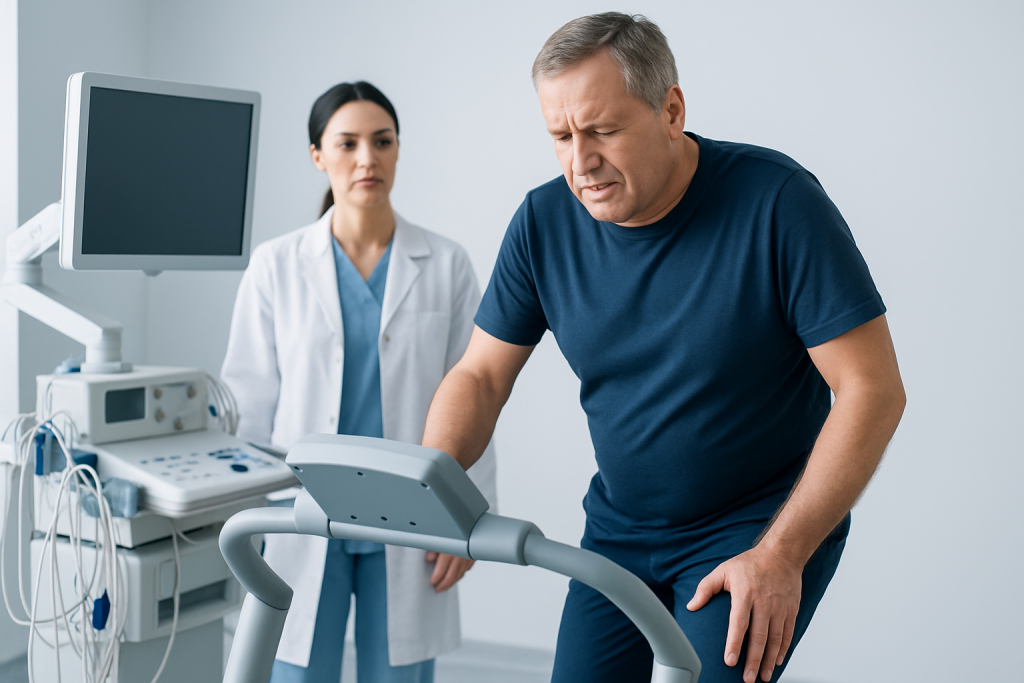
Claudication most often causes a cramping or aching sensation in the calves, but it can also affect the thighs, buttocks, hips, or feet depending on which arteries are narrowed. Some people describe the feeling as weakness, tightness, numbness, or simply an inability to keep walking at the usual pace. The symptom usually appears after a predictable amount of exertion and improves within minutes of resting.
The location of discomfort often offers a useful clue. Calf pain may suggest disease lower in the leg, while pain in the buttocks or thighs can point to more proximal artery narrowing. Some people notice that one leg is affected more than the other, though both can be involved. In more advanced cases, pain may begin to appear at rest, especially at night, which deserves timely medical review.
Other Heart Attack Warning Signs: Symptoms and When to Seek Help" class="ahp-ilk">warning signs may accompany claudication when circulation is reduced enough to affect the skin and tissues. These can include cold feet, slower toenail or wound healing, shininess or color change in the skin, or reduced hair on the legs. The symptom is sometimes mistaken for muscle strain or joint pain, but the repeatable pattern with exertion is an important difference.
Causes & Risk Factors

The most common cause of claudication is peripheral artery disease, usually related to atherosclerosis. In this process, fatty deposits and inflammation gradually narrow the arteries, making it harder for blood to pass through during times of increased demand. When the leg muscles need more oxygen than the narrowed vessels can supply, pain or fatigue develops.
Certain factors make claudication more likely. Smoking is one of the strongest contributors because it damages blood vessels and accelerates atherosclerosis. Diabetes, high blood pressure, high cholesterol, chronic kidney disease, older age, and a family history of vascular disease also increase risk. A sedentary lifestyle can worsen symptoms because the muscles become less efficient and circulation-related limitations are noticed more quickly.
Not every walking-related leg pain comes from artery disease. Nerve compression in the spine, arthritis, muscle injury, or venous conditions can create similar discomfort. That is why a careful evaluation is important: the goal is not only to label the symptom, but to understand whether the root cause is vascular, neurological, orthopedic, or mixed.
Diagnosis
Diagnosis usually begins with a detailed conversation about when the pain starts, where it is felt, and how long it takes to settle. Doctors often ask whether the symptom appears only with walking, whether it is worse on inclines or stairs, and whether rest reliably helps. A physical examination may include checking pulses in the feet and legs, listening for abnormal blood flow sounds, and looking for skin or wound changes.
A common first test is the ankle-brachial index, which compares blood pressure in the ankle with blood pressure in the arm. A lower reading can suggest reduced arterial flow to the legs. Depending on the findings, additional tests may include ultrasound of the arteries, treadmill walking assessment, CT angiography, or MR angiography to map circulation in more detail.
Doctors also consider other conditions that can mimic claudication. They may ask about back pain, numbness, joint stiffness, or pain that changes with posture, because those patterns can suggest spinal or orthopedic causes. For patients traveling from abroad, bringing prior test results, medication lists, and imaging reports can help shorten the path to diagnosis and avoid repeating work that has already been done.
Treatment Options
Treatment for claudication focuses on two goals: easing the symptom and protecting long-term vascular health. The most effective plan is often a combination of lifestyle changes, supervised exercise, and medicines that address circulation and cardiovascular risk. In some cases, procedures are considered if symptoms remain limiting or if blood flow is severely reduced.
Walking-based exercise is one of the most important therapies. It may sound counterintuitive at first, but regular, structured walking can help muscles use oxygen more efficiently and can improve distance and confidence over time. Doctors may recommend a supervised program or a tailored home plan, depending on access and overall health. This is especially helpful for international patients who may need a practical routine they can continue after returning home.
Medicines may be used to improve blood flow symptoms and to lower the risk of heart attack or stroke. These can include treatments that address cholesterol, blood pressure, blood sugar, and blood clot risk, chosen according to the individual’s medical history. If symptoms are severe, or if the arteries are significantly narrowed, endovascular procedures such as angioplasty and stenting, or in some cases bypass surgery, may be discussed. The decision depends on anatomy, symptom burden, and overall health, not on a single test result alone.
- Stopping smoking, if relevant
- Managing cholesterol, blood pressure, and diabetes
- Regular walking or supervised exercise therapy
- Foot care and attention to any wounds
- Procedural treatment when clinically appropriate
Prevention & Self-care
Many steps that help prevent claudication also support overall cardiovascular health. Avoiding tobacco is a major one, because smoking accelerates artery damage and slows healing. Choosing regular physical activity, even if it needs to be started gradually, helps circulation and can make walking more comfortable over time.
People with diabetes, high blood pressure, or high cholesterol benefit from consistent follow-up and treatment adherence. Good foot care matters as well: checking for cuts, blisters, redness, or changes in temperature can help identify problems early, especially if sensation is reduced. Supportive shoes, careful nail care, and prompt attention to skin injuries can reduce complications.
Travel can add practical challenges, but it also creates opportunities for structured routines. Short walking breaks during flights or long transfers, hydration, and planning routes that allow rest can make symptoms easier to manage. If a person is arranging treatment abroad, it helps to prepare a list of symptoms, medications, allergies, prior imaging, and questions for the care team so follow-up is smoother once they return home.
When to See a Doctor
Claudication should be evaluated if leg pain repeatedly appears with walking and improves with rest, even if it has been present for a long time. The symptom may seem manageable at first, but it can signal a circulation problem that benefits from treatment. Earlier assessment can also help distinguish vascular causes from nerve, joint, or muscle conditions.
Medical attention is particularly important if the pain is worsening, if walking distance is becoming shorter, or if there are changes such as coldness in the foot, color changes, numbness, or a wound that is slow to heal. Pain that starts at rest, especially at night, also deserves prompt review. These signs do not automatically mean an emergency, but they do suggest that circulation may need closer attention.
For people who prefer coordinated care during a trip, a specialist evaluation can help clarify the diagnosis and build a clear plan for treatment and follow-up. Acibadem Health Point’s multidisciplinary specialists and JCI-accredited hospitals diagnose and treat claudication for international patients in a coordinated setting, with attention to both the medical findings and the practical steps needed after travel.
Living With Claudication
Living with claudication often means learning how to pace activity without letting symptoms define daily life. Many people do well once they understand their trigger distance, plan rest breaks, and follow a treatment program that supports circulation. Progress may be gradual, but even modest gains in walking tolerance can make errands, travel, and work more manageable.
Emotional frustration is common, particularly when the symptom interferes with independence. It can help to think of claudication as a signal that the body is asking for vascular care, not as a failure of fitness. With the right support, many patients improve their mobility and also reduce the risks tied to underlying artery disease.
Frequently asked questions
What is claudication in simple terms?
Claudication is leg pain, cramping, or fatigue that comes on during walking or exercise and improves with rest. It often happens because narrowed arteries are not delivering enough blood to the muscles during activity.
Is claudication always caused by peripheral artery disease?
Peripheral artery disease is the most common cause, but not the only one. Back problems, nerve compression, arthritis, and other conditions can also cause walking-related leg discomfort, which is why a medical evaluation matters.
Can claudication get better?
Yes, symptoms often improve with the right combination of exercise, risk-factor control, medicines, and sometimes procedures. The level of improvement depends on the underlying cause and how advanced the circulation problem is.
Does claudication mean a person is at risk for heart disease?
It can, because the same artery disease that affects the legs may also involve the heart and brain. Doctors usually look beyond the leg symptoms to assess overall cardiovascular risk and reduce future complications.
What should a person do if walking becomes more painful over time?
They should arrange a medical review rather than simply limiting activity more and more. Worsening symptoms may mean the circulation problem is changing or that another condition is contributing.
Can someone travel if they have claudication?
Many people can travel safely if their condition is stable and they plan ahead. It helps to move regularly, carry medications, wear comfortable shoes, and know where and when to seek care if symptoms change.
References
- American Heart Association
- National Heart, Lung, and Blood Institute
- Mayo Clinic
- Society for Vascular Surgery
- World Health Organization
This article is for general information only and is not a substitute for professional medical advice. Please consult a qualified doctor about your individual situation.
Explore treatments in Turkey — costs, top hospitals & a free quote
JCI-accredited · board-certified surgeons · reply within 24h
Add us as a Preferred Source to see more of our trusted health content across Google Search, AI Overviews and Discover.