Atrial Septal Defect Symptoms

Key Takeaways
- Some atrial septal defects cause no symptoms, especially when the opening is small.
- Symptoms often relate to extra blood flow through the lungs and may include fatigue, breathlessness, or reduced exercise tolerance.
- Children and adults may notice different patterns, and a heart murmur is often one of the first clues.
- Diagnosis usually involves a physical exam followed by tests such as echocardiography and sometimes ECG or imaging.
- Treatment depends on the defect’s size, symptoms, and heart strain; some defects need closure, while others are monitored.
- Even when symptoms are mild, medical follow-up is important because untreated defects can lead to longer-term heart and lung strain.
Medically reviewed by the Acıbadem clinical team — August 19, 2026
Atrial septal defects are a type of congenital heart condition that can range from silent to noticeable, depending on the size of the opening and how much blood is crossing between the heart’s upper chambers. Understanding the symptoms can help families and adults seek the right evaluation at the right time, especially when tiredness, shortness of breath, or recurrent respiratory problems begin to stand out.
Overview
An atrial septal defect, often shortened to ASD, is an opening in the wall that separates the heart’s two upper chambers. That opening lets blood move in a direction it should not normally take, which can make the heart and lungs work harder over time.
Not every ASD causes immediate concern. Some are discovered during a routine check-up after a doctor hears a murmur, while others are found only when a child, teenager, or adult begins to notice subtle changes in stamina. The symptom pattern depends on the size and location of the defect, the amount of blood shunting across it, and how the body responds over time.
For international patients, this can be a confusing diagnosis because symptoms may appear mild at first and then seem unrelated to the heart. A clear explanation from a cardiology team can help connect the dots and guide whether monitoring, further testing, or closure is the most appropriate next step.
Symptoms
Many people with a small atrial septal defect have no obvious symptoms, particularly in early childhood. When symptoms do appear, they often develop gradually rather than suddenly, which is one reason the condition may be overlooked for a while.
Common symptoms can include easy fatigue, shortness of breath during activity, a tendency to tire more quickly than peers, or a feeling that exercise is more difficult than expected. Some children may have repeated chest infections, while adults may notice palpitations, reduced exercise capacity, or swelling later in life if the heart has been under strain for years.
Signs that may prompt a doctor to look more closely include:
- A heart murmur heard during examination
- Shortness of breath with play, sports, or climbing stairs
- Unusual tiredness or low stamina
- Frequent respiratory infections in some children
- Palpitations or a fluttering heartbeat in older patients
- Slow weight gain or poor feeding in some infants, though this is less common with isolated ASD
It is important to remember that symptoms alone do not confirm an ASD, and the absence of symptoms does not always mean the defect is insignificant. Many people first learn about the condition through routine heart evaluation rather than because they felt unwell.
Causes & Risk Factors

ASD is a congenital heart defect, which means the opening is present from birth. It develops while the baby’s heart is forming before birth, when the wall between the upper chambers does not fully close.
In many cases, no single cause is identified. The condition may occur on its own, or it may be associated with other congenital differences or certain genetic syndromes. Family history of congenital heart disease can raise the likelihood of a heart defect, although many affected people have no known family connection.
Risk factors are not always preventable, but a higher chance of congenital heart differences may be seen with:
- A family history of congenital heart disease
- Certain genetic conditions
- Complex pregnancy or fetal development factors
- Other associated heart defects
Because ASD develops before birth, lifestyle choices later in life do not cause the defect. However, general heart health still matters, especially if the opening has led to increased heart workload or rhythm concerns over time.
Diagnosis
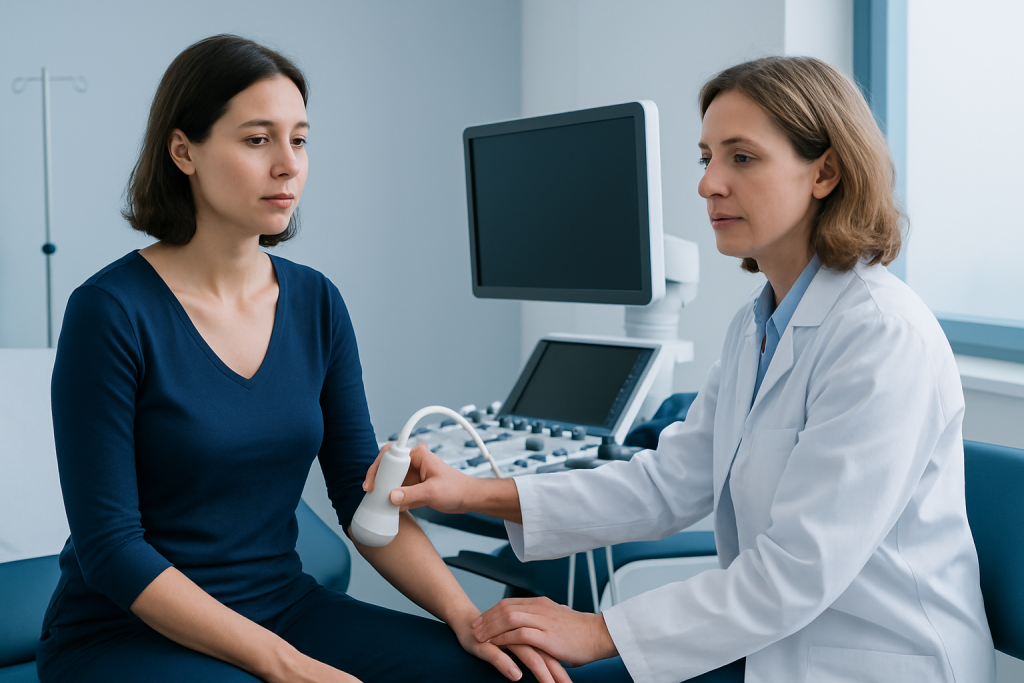
An ASD is often suspected when a clinician hears a heart murmur or notices signs that do not fit the patient’s age and activity level. From there, the evaluation usually focuses on confirming the presence of an opening and checking how much it is affecting the heart.
The main test is typically an echocardiogram, which uses ultrasound to show the heart’s structure and blood flow. In some cases, other tests such as an electrocardiogram, chest X-ray, cardiac MRI, or transesophageal echocardiogram may be used to gather more detail, especially if the anatomy is complex or a closure procedure is being considered.
Doctors also look for signs of enlarged heart chambers, increased blood flow to the lungs, or rhythm changes. For patients planning care abroad, it is helpful to bring prior reports and imaging, because comparing earlier and current studies can make the evaluation more efficient and reduce repeat testing when records are complete.
Treatment Options
Treatment depends on whether the ASD is small and stable or large enough to affect the heart. Some small defects are simply observed over time, especially if they are not causing symptoms or chamber enlargement.
When the defect is larger, closure may be recommended to reduce the extra blood flow and protect the heart and lungs. Closure can often be done with a catheter-based device in suitable cases, while some defects require surgery depending on their type and location. The care plan is individualized, and the best option is chosen after reviewing imaging, symptoms, and heart function.
Follow-up care is an essential part of treatment. Even after closure, patients may need monitoring for rhythm issues, recovery progress, and confirmation that the repair is functioning as expected. For some international patients, this follow-up can be coordinated with their home doctor after returning home, which helps maintain continuity of care.
Prevention & Self-care
An atrial septal defect itself cannot usually be prevented because it forms before birth. What can be supported, however, is overall heart health and timely evaluation when symptoms or a murmur appear.
For people living with an ASD, practical self-care focuses on noticing changes early and following the cardiology plan. That may include pacing activity if fatigue or breathlessness appears, keeping follow-up appointments, and reporting new palpitations, swelling, or worsening exercise intolerance.
Helpful habits include:
- Keeping copies of medical records and imaging results
- Tracking symptoms such as breathlessness, tiredness, or palpitations
- Following advice about exercise level and return to sport or work
- Managing other health conditions that may strain the heart
- Seeking prompt review if symptoms change after a period of stability
For patients traveling for treatment, planning recovery time before the trip home can make a difference. A calm, organized aftercare plan is often as important as the procedure itself.
When to See a Doctor
Medical review is appropriate if a child seems more easily tired than expected, struggles with exercise, has recurrent chest infections, or is found to have a murmur. Adults should also seek assessment if they notice reduced stamina, breathlessness, palpitations, or swelling that was not present before.
It is especially important to arrange a cardiology consultation if symptoms are getting worse, if there is a known congenital heart condition in the family, or if a doctor has already mentioned a possible ASD and testing has not yet been completed. Even when symptoms are mild, identifying the cause early can prevent years of uncertainty.
Acibadem Health Point’s multidisciplinary specialists and JCI-accredited hospitals diagnose and treat atrial septal defects for international patients, with care plans that can be coordinated across testing, procedure, recovery, and follow-up. A qualified cardiologist can explain whether monitoring or closure is the safer and more appropriate path.
Living with an ASD: What the pattern can look like over time
One of the most challenging aspects of ASD symptoms is their variability. A person may feel completely well for years and then notice that hills, stairs, or sports suddenly take more effort than before. That shift can be gradual enough that it is mistaken for stress, poor fitness, or getting older.
In children, the picture may be even subtler. Some are simply described as “less energetic,” while others have repeated infections or trouble keeping up with peers. In adults, especially those whose defect was never repaired, rhythm symptoms may emerge later, which is why a late diagnosis is not unusual.
What matters most is not comparing symptoms to a textbook list, but understanding whether the heart is under strain. A specialist can interpret the whole picture, including age, activity level, imaging findings, and any rhythm changes, to decide whether observation or intervention is best.
Frequently asked questions
Can an atrial septal defect be present without symptoms?
Yes. Many people, especially those with smaller defects, have no clear symptoms for years. The condition is sometimes found only when a doctor hears a murmur or orders a heart test for another reason.
What is the most common symptom of an ASD?
There is not one single symptom that appears in every case. Fatigue, shortness of breath with activity, and reduced exercise tolerance are among the more common clues when symptoms do develop.
Do ASD symptoms get worse over time?
They can, particularly if the opening is large enough to place ongoing strain on the heart and lungs. Some people remain stable for a long time, which is why regular follow-up is important.
Is a heart murmur enough to diagnose an atrial septal defect?
No. A murmur can raise suspicion, but imaging is needed to confirm the diagnosis and assess the defect. Echocardiography is usually the key test.
Does every atrial septal defect need surgery or a procedure?
No. Small defects that are not causing heart strain may only need monitoring. Larger or symptomatic defects are more likely to be closed, using a catheter-based approach or surgery depending on the anatomy.
Can adults be diagnosed with ASD for the first time?
Yes. Some atrial septal defects are not discovered until adulthood, especially if symptoms are mild or absent earlier in life. Adults may first seek care because of palpitations, breathlessness, or reduced exercise capacity.
References
- American Heart Association
- Mayo Clinic
- National Heart, Lung, and Blood Institute
- Cleveland Clinic
- European Society of Cardiology
This article is for general information only and is not a substitute for professional medical advice. Please consult a qualified doctor about your individual situation.
Explore treatments in Turkey — costs, top hospitals & a free quote
JCI-accredited · board-certified surgeons · reply within 24h
Add us as a Preferred Source to see more of our trusted health content across Google Search, AI Overviews and Discover.