Certified Registered Nurse Anesthetist

Key Takeaways
- CRNA may be used in medical discussions related to neurological care, so context matters when understanding the term.
- If brain or nerve surgery is being considered, careful diagnosis and imaging help guide the safest treatment plan.
- Recovery often depends on the underlying condition, the exact procedure, and the patient’s overall health.
- Patients traveling for care benefit from planning follow-up, medication access, and rehabilitation before leaving home.
- New or worsening neurological symptoms should always be assessed by a qualified doctor promptly.
Medically reviewed by the Acıbadem clinical team — August 19, 2026
CRNA is an abbreviation that can refer to different medical contexts, but in most health-library searches it is often linked to procedures or care involving the nervous system. This article explains the topic in patient-friendly terms, with a focus on what people can expect before, during, and after neurological treatment and surgery.
Overview
Medical abbreviations can be confusing, especially when they appear in a referral letter, imaging report, or online search. CRNA is one such term that may be used differently depending on the setting, so the first step is always to confirm what it means in a specific medical record. In neurological care, the discussion often involves evaluation, surgery, or recovery planning for conditions affecting the brain or nervous system.
When a patient is preparing for a neurological procedure, the conversation is usually less about the abbreviation itself and more about the practical questions it raises: Why is the treatment needed? What are the risks and benefits? How long will recovery take, and what support will be needed afterward? Clear answers to these questions can make a complex journey feel more manageable.
For international patients, this topic is especially important because treatment may involve travel, time away from home, and coordination between specialists in different countries. A good care plan should be understandable, written down when possible, and designed to continue smoothly after discharge.
Symptoms and Why People Are Evaluated
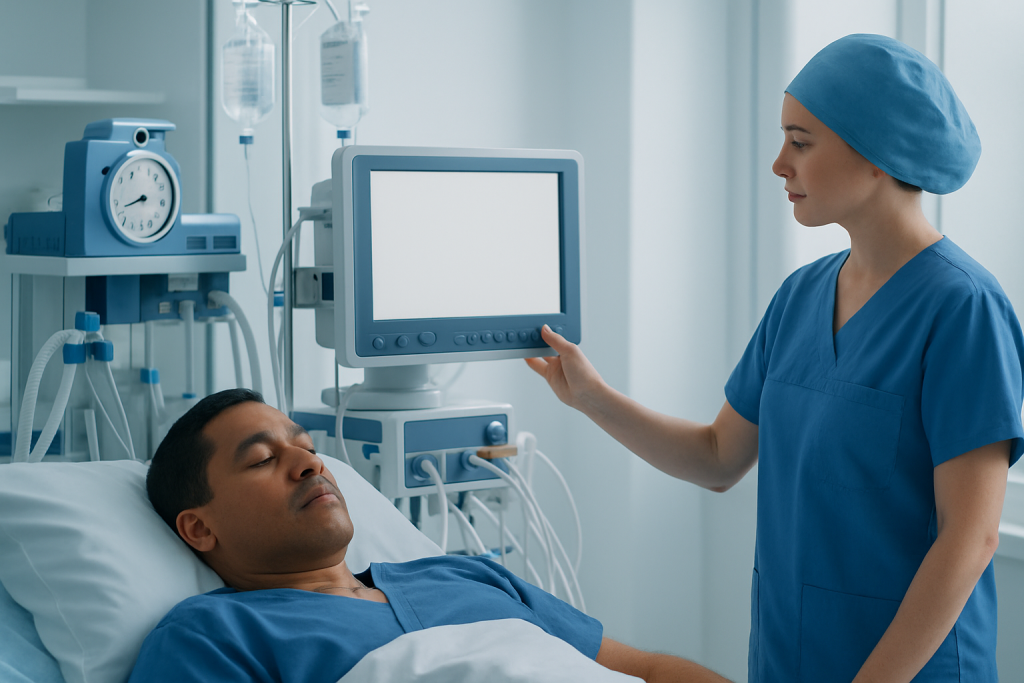
People are usually referred for neurological assessment because of symptoms that suggest a problem in the brain, spinal cord, or nerves. These symptoms do not point to one single diagnosis; instead, they tell the doctor that further investigation is needed. The exact pattern of symptoms helps determine whether imaging, medication, surgery, or observation is the best next step.
Common reasons for evaluation may include persistent headaches, seizures, weakness, numbness, difficulty speaking, vision changes, balance problems, or changes in memory and behavior. Some people are assessed after a head injury or after a scan shows an abnormality that needs a specialist’s opinion. Others may have symptoms that come and go, making careful history-taking especially important.
In many cases, the goal is not only to identify a disease but also to understand how urgently it needs treatment. A stable condition may be managed over time, while a faster-changing problem may call for a more immediate procedure. That distinction is one of the reasons neurology teams often combine clinical examination with imaging and other tests.
Causes and Risk Factors

The underlying causes of neurological symptoms are broad. They may include tumors, bleeding, blocked blood vessels, infections, inflammation, congenital conditions, trauma, or degenerative diseases. In some situations, a structural issue in the brain or spine is visible on imaging; in others, the problem is functional or microscopic and requires additional testing.
Risk factors depend on the condition being investigated. Age, high blood pressure, diabetes, smoking, previous stroke, family history, certain genetic conditions, and prior head trauma can all play a role in some neurological illnesses. For surgical planning, doctors also consider the patient’s medications, clotting risk, heart health, and whether another illness could affect anesthesia or healing.
For patients traveling internationally, it is helpful to bring a clear record of past scans, biopsy results, medication lists, and discharge summaries. That documentation can shorten the time needed to reconstruct the medical history and can reduce the chance of repeating tests unnecessarily.
Diagnosis
Neurological diagnosis usually begins with a detailed history and examination. A doctor may ask when symptoms started, how they have changed, and whether they are constant or intermittent. The Physical Exam: What to Expect" class="ahp-ilk">physical exam often includes checks of strength, sensation, coordination, reflexes, speech, eye movements, and mental status.
Imaging is central to many neurological evaluations. Depending on the concern, this may include CT, MRI, angiography, or other specialized studies. Blood tests, lumbar puncture, electroencephalography, and nerve studies may also be used when the cause is not immediately clear.
If surgery is being considered, the diagnostic process becomes more detailed. The team may map the affected area, assess whether tissue sampling is needed, and evaluate whether a lesion can be watched or should be removed. Patients should feel comfortable asking what the scan showed, what the alternatives are, and what the expected outcome would be with and without treatment.
Treatment Options
Treatment depends entirely on the diagnosis and the location of the problem. Some neurological conditions are managed with medication, careful monitoring, lifestyle measures, or rehabilitation. Others require a procedure or operation to relieve pressure, remove abnormal tissue, stop bleeding, repair a vessel, or obtain a tissue diagnosis.
When surgery is needed, the care plan is usually built around safety and function. The surgeon and anesthesia team review the patient’s medical history, discuss the expected benefits, and explain possible complications in plain language. In many cases, the aim is to protect neurologic function as much as possible while treating the underlying problem effectively.
Recovery support is just as important as the procedure itself. Patients may need pain control, physiotherapy, occupational therapy, speech therapy, or follow-up scans. For someone returning to another country, discharge planning should include written instructions, warning signs to watch for, and a clear schedule for follow-up appointments.
- Medication management may be adjusted before or after treatment.
- Rehabilitation can help restore strength, speech, or coordination.
- Follow-up imaging may be needed to check healing or disease control.
- Patients should ask which symptoms are expected and which need urgent review.
Prevention and Self-care
Not every neurological condition can be prevented, but some risks can be lowered through general health measures. Managing blood pressure, blood sugar, and cholesterol; avoiding tobacco; wearing a seatbelt or helmet; and seeking care promptly after head injury all support brain and nerve health. For people already diagnosed with a neurological condition, consistency matters more than perfection.
Self-care after treatment often focuses on rest, hydration, wound care, medication adherence, and gradual return to activity. Patients should follow the surgeon’s or neurologist’s instructions closely, especially if they have been told to avoid lifting, driving, flying, or strenuous exercise for a period of time. If rehabilitation is recommended, starting it on schedule can make a meaningful difference in recovery.
International patients may need extra planning for the days after discharge. That can include arranging a companion for travel, carrying copies of records, confirming pharmacy access at home, and knowing which doctor will oversee care once they return. A well-organized handover can reduce stress and help the recovery feel more continuous.
When to See a Doctor
New neurological symptoms should not be ignored, especially if they come on suddenly or worsen quickly. A doctor should be contacted promptly for severe headache, seizure, fainting, facial drooping, one-sided weakness, speech difficulty, vision loss, confusion, or a major change in balance or alertness. These signs require urgent medical attention.
After a neurological procedure, patients should seek medical advice if they develop fever, increasing pain, drainage from a wound, new weakness, repeated vomiting, worsening headache, or any change that feels unusual compared with the expected recovery pattern. Even when symptoms turn out to be harmless, it is better to ask early than to wait and worry.
If care is being arranged across borders, patients should make sure they know who to contact after they leave the hospital and how to get rapid guidance if something changes. Acibadem Health Point’s multidisciplinary specialists and JCI-accredited hospitals can diagnose and treat neurological conditions for international patients as part of a coordinated care pathway.
Frequently asked questions
What does CRNA mean in a medical context?
CRNA can have different meanings depending on the medical setting, so the safest approach is to look at the full report or ask the treating team for clarification. In neurological care, it may appear in records related to evaluation or surgery rather than as a diagnosis by itself.
Is CRNA always related to brain surgery?
No. Medical abbreviations can be used in many different ways, and the meaning depends on the specialty and document. If a patient sees the term in a report, the doctor or nurse who issued it can explain what it means in that case.
How do doctors decide whether neurological surgery is needed?
They usually combine the patient’s symptoms, neurological examination, and imaging results. The decision also depends on whether the problem is stable, progressive, or causing pressure, bleeding, or loss of function.
What should an international patient bring to a neurological consultation?
Previous scans, pathology reports, discharge summaries, medication lists, and any allergy information are especially useful. A timeline of symptoms and prior treatments can also help the specialist make faster and more accurate decisions.
How long does recovery take after neurological treatment?
Recovery varies widely based on the underlying condition and the type of procedure. Some patients improve within days, while others need weeks or months of rehabilitation and follow-up.
When is a symptom serious enough to seek urgent help?
Sudden weakness, speech changes, seizure, severe headache, confusion, fainting, or vision loss should be assessed urgently. These symptoms can signal a time-sensitive neurological problem.
References
- World Health Organization
- National Institute of Neurological Disorders and Stroke
- American Academy of Neurology
- Mayo Clinic
- NHS
This article is for general information only and is not a substitute for professional medical advice. Please consult a qualified doctor about your individual situation.
Explore treatments in Turkey — costs, top hospitals & a free quote
JCI-accredited · board-certified surgeons · reply within 24h
Add us as a Preferred Source to see more of our trusted health content across Google Search, AI Overviews and Discover.