Cerebellum Function

Key Takeaways
- The cerebellum helps movements stay balanced, coordinated, and accurate.
- It also supports posture, eye movements, and aspects of motor learning.
- Problems in the cerebellum may cause unsteady walking, clumsiness, tremor, or slurred speech.
- Many cerebellar symptoms are evaluated with a neurological exam and brain imaging when needed.
- Early medical assessment can help identify the cause and guide treatment and rehabilitation.
The cerebellum is a small structure at the back of the brain with a major role in balance, coordination, posture, and smooth movement. When it is affected, everyday tasks such as walking, speaking, or reaching for objects can become less precise.
Overview
The cerebellum sits at the back of the brain, tucked beneath the larger cerebrum. Although it is smaller than other major brain regions, it plays a remarkably important role in how movement feels effortless and controlled. People often notice its work only when something goes wrong: steps become unsteady, handwriting turns shaky, or speech sounds less clear.
Its main job is not to start movement, but to refine it. The cerebellum compares what the body intends to do with what is actually happening, then helps adjust the movement in real time. This is why it is often described as the brain’s coordinator, helping the body move with timing, precision, and balance.
For patients who may be travelling for neurological evaluation, the cerebellum is usually assessed as part of a broader brain and nervous system workup. That may include a careful history, bedside examination, and scans when the doctor needs to look more closely at the structure of the brain.
What the cerebellum does
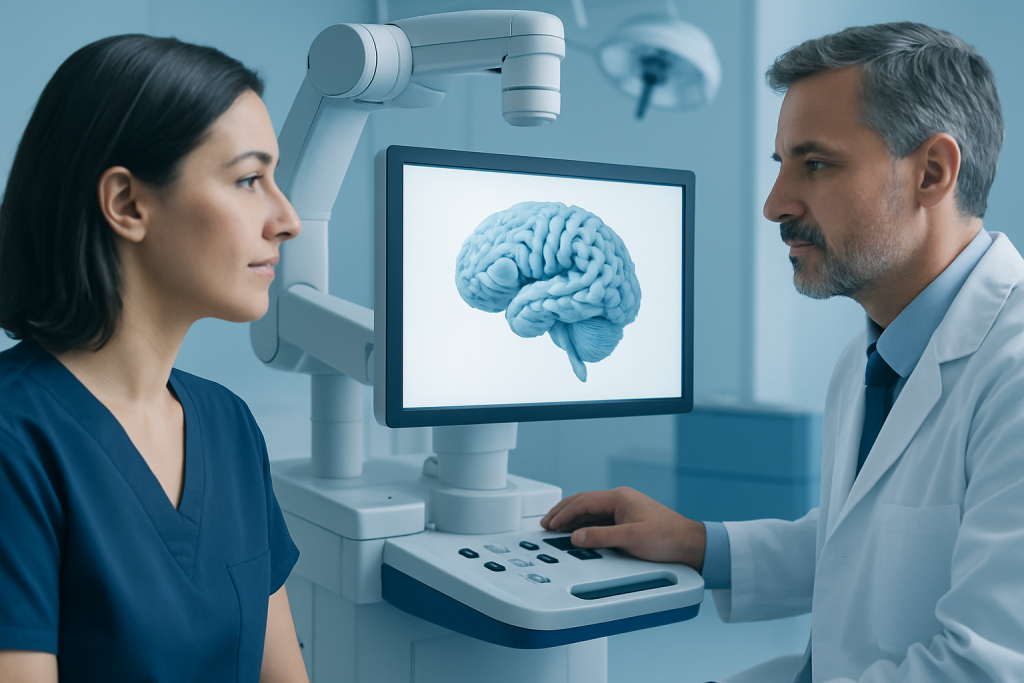
The cerebellum is deeply involved in motor control. It helps muscles work together so that walking, turning, reaching, writing, and speaking happen smoothly rather than in a jerky or exaggerated way. It also contributes to posture and the fine adjustments needed to stay upright while moving.
Beyond simple coordination, the cerebellum supports motor learning. That means it helps the brain improve skills through repetition, whether a child is learning to ride a bicycle or an adult is retraining movement after an illness. It also helps with timing, so motions begin and end at the right moment.
Researchers continue to study other roles of the cerebellum, including possible links with attention, language, and thinking skills. In everyday practice, however, its most recognized functions remain balance, coordination, and the smooth control of voluntary movement.
- Balance and posture
- Coordination of limb movements
- Speech timing and clarity
- Eye movement control
- Motor learning and adaptation
Signs of cerebellar problems

When the cerebellum is not working properly, symptoms usually reflect loss of control rather than weakness alone. A person may feel clumsy, walk with a wide stance, miss objects when reaching, or have difficulty with tasks that require steady aim.
Speech may sound slurred or less rhythmic, and eye movements can become abnormal, causing blurred vision or difficulty tracking objects. Some people notice tremor that appears when they try to perform a task, such as bringing a cup to the mouth or touching a fingertip to the nose.
Common signs can include:
- Unsteady gait or frequent stumbling
- Difficulty with coordination and fine motor tasks
- Slurred or scanning speech
- Intention tremor
- Dizziness or a sense of imbalance
- Abnormal eye movements
Symptoms may develop suddenly, such as after a stroke, or gradually, as with some inherited or degenerative conditions. The pattern and speed of onset help doctors narrow down the possible cause.
Causes and risk factors
Cerebellar symptoms can arise from many different conditions, so doctors look for the broader context rather than assuming one diagnosis. Stroke, head injury, inflammation, infections, tumors, alcohol-related brain injury, vitamin deficiencies, and certain medications can all affect cerebellar function.
Some people are born with cerebellar differences or develop hereditary disorders that gradually change how the cerebellum works. In other cases, autoimmune diseases, multiple sclerosis, or toxic exposures may be involved. Age, medical history, medication use, and family history all matter in the evaluation.
Risk may be higher in people with:
- A history of stroke or transient ischemic attack
- Heavy alcohol use
- Uncontrolled autoimmune or inflammatory disease
- Exposure to certain medicines or toxins
- Family history of inherited ataxia
- Recent infection, trauma, or cancer history
Because the cerebellum is part of a wider system, symptoms can overlap with problems in the inner ear, spinal cord, peripheral nerves, or other brain regions. That is one reason a thorough neurological assessment is so important.
How doctors diagnose cerebellum-related conditions
Diagnosis usually begins with a detailed discussion of symptoms, when they started, and how they affect daily life. A neurological examination may test walking, balance, coordination, speech, eye movements, reflexes, and muscle tone to see whether the pattern fits a cerebellar issue.
Brain imaging is often used when doctors need to look for structural causes such as stroke, bleeding, inflammation, mass lesions, or congenital differences. MRI is commonly helpful because it gives detailed views of the posterior part of the brain, including the cerebellum.
Depending on the situation, a doctor may also order blood tests to check for infection, vitamin deficiency, autoimmune activity, or metabolic problems. In selected cases, genetic testing, spinal fluid analysis, or hearing and vestibular testing may be recommended. For international patients, it is often helpful to bring prior scans, medication lists, and medical records so the evaluation can be more efficient after travel.
Treatment options
Treatment depends entirely on the cause. If symptoms come from stroke, the priority is urgent care and secondary prevention. If the problem is caused by infection, inflammation, deficiency, or a medication side effect, addressing that underlying issue may improve cerebellar function or prevent it from worsening.
Rehabilitation is often an important part of care. Physical therapy can help with walking and balance, occupational therapy may improve hand coordination and daily tasks, and speech therapy can support clearer communication and safer swallowing when needed. The exact program is tailored to the person’s symptoms and recovery goals.
When a structural problem is present, such as a tumor or bleeding, specialists may consider surgery, medication, or other targeted treatment. Some cerebellar disorders are chronic and cannot be cured, but symptoms can still be managed with a combination of medical care, therapy, and practical adaptations at home.
In multidisciplinary centers such as Acibadem Health Point, neurology, radiology, rehabilitation, and related specialists can work together to diagnose and treat cerebellar conditions for international patients.
Prevention and self-care
Not every cerebellar problem can be prevented, but several habits support brain health and reduce avoidable risk. Controlling blood pressure, diabetes, and cholesterol helps protect against stroke. Limiting alcohol and taking medicines only as prescribed can also lower the chance of cerebellar injury.
If symptoms are already present, safety becomes part of self-care. People may benefit from using handrails, removing tripping hazards, choosing supportive footwear, and avoiding situations that increase fall risk. A doctor or therapist can suggest practical adjustments for home, travel, and work.
Other helpful steps include:
- Following treatment plans for chronic medical conditions
- Attending rehabilitation appointments consistently
- Eating a balanced diet, including nutrients that prevent deficiencies
- Using assistive devices if recommended
- Seeking help early if coordination changes are new or worsening
For patients recovering abroad, planning the return journey and follow-up before departure can make recovery smoother. Clear discharge instructions, medication lists, and therapy guidance are especially useful when care continues in another country.
When to see a doctor
New balance problems, sudden clumsiness, unexplained falls, or speech changes deserve medical assessment. It is especially important to seek prompt care if symptoms begin abruptly, because stroke and other urgent conditions may need fast treatment.
Even when symptoms develop slowly, they should not be ignored. Gradual changes can still point to a condition that benefits from diagnosis and treatment, and early rehabilitation often helps people adapt more effectively.
Medical review is also advisable if cerebellar symptoms occur with severe headache, double vision, vomiting, weakness, numbness, confusion, or trouble swallowing. A qualified doctor can decide whether emergency evaluation, imaging, or specialist referral is needed.
Frequently asked questions
What is the main function of the cerebellum?
The cerebellum mainly helps coordinate movement so that actions are smooth, balanced, and accurate. It also supports posture, timing, and motor learning.
Can cerebellum problems affect speech?
Yes. Because the cerebellum helps coordinate the muscles involved in speaking, problems can cause slurred, slow, or irregular speech. A speech therapist may be part of treatment when this happens.
What does cerebellar ataxia mean?
Cerebellar ataxia is a type of uncoordinated movement caused by cerebellum dysfunction. It can affect walking, hand use, speech, and balance.
How do doctors check whether the cerebellum is affected?
They usually begin with a neurological exam that looks at balance, coordination, eye movements, and speech. MRI or other tests may be used to find the underlying cause.
Is cerebellum damage always permanent?
Not always. Some causes, such as medication effects or vitamin deficiency, may improve when treated. Other conditions are chronic, but rehabilitation and symptom management can still help.
Can a person live normally with a cerebellar disorder?
Many people can adapt well with the right diagnosis, treatment, and rehabilitation plan. Supportive devices, therapy, and follow-up care often make daily activities safer and easier.
References
- National Institute of Neurological Disorders and Stroke
- Mayo Clinic
- Merck Manual Professional Edition
- World Health Organization
- American Academy of Neurology
This article is for general information only and is not a substitute for professional medical advice. Please consult a qualified doctor about your individual situation.