Can Sleep Apnea Kill You

Key Takeaways
- Sleep apnea can become dangerous when breathing pauses are frequent, prolonged, or untreated.
- Daytime sleepiness, morning headaches, and witnessed breathing pauses are common clues.
- Obstructive sleep apnea is the most common type, but central sleep apnea can also occur.
- Diagnosis usually involves a sleep study and a review of medical history and symptoms.
- Treatment may include lifestyle measures, CPAP, oral appliances, or sometimes surgery.
- Anyone with chest pain, severe shortness of breath, or sudden neurological symptoms needs urgent care.
Sleep apnea is more than loud snoring or restless sleep; in some people, it can strain the heart, affect the brain, and increase the risk of serious complications. With proper diagnosis and treatment, most people can control symptoms and lower these risks.
Overview
Sleep apnea is a sleep-related breathing disorder in which breathing repeatedly stops or becomes shallow during sleep. The pauses may last only seconds, but they can happen many times through the night, disrupting normal oxygen levels and sleep quality.
So, can sleep apnea kill you? The most careful answer is that sleep apnea itself is not usually a sudden, immediate cause of death, but untreated sleep apnea can raise the risk of serious health problems over time. These problems may affect the heart, blood vessels, brain, and safety during daily life, especially when someone is extremely sleepy.
For international patients considering care, sleep apnea is often a condition that benefits from a clear plan: confirm the diagnosis, understand the type of apnea, and choose treatment that can be continued reliably after returning home. That practical follow-through matters as much as the initial evaluation.
Symptoms
The first clues are often noticed by a partner or family member rather than by the person who has sleep apnea. Loud snoring, pauses in breathing, gasping, or choking sounds during sleep are classic signs, but they are not the only ones.
During the day, sleep apnea may show up as fatigue that feels out of proportion to the amount of sleep a person gets. Some people describe trouble concentrating, irritability, morning headaches, dry mouth on waking, or falling asleep during quiet activities.
- Loud, frequent snoring
- Witnessed breathing pauses or gasping
- Unrefreshing sleep
- Excessive daytime sleepiness
- Morning headaches
- Difficulty focusing or memory lapses
Symptoms can be subtle in some adults, and children may present differently, such as with behavioral changes, mouth breathing, or restless sleep. Because sleep apnea is often hidden at night, a careful symptom history is essential.
Causes & Risk Factors

There are two main forms of sleep apnea. Obstructive sleep apnea happens when the throat muscles relax too much and the airway narrows or closes. Central sleep apnea is less common and occurs when the brain does not send the proper signals to breathe.
Several factors can increase the chance of obstructive sleep apnea. Excess body weight, a larger neck circumference, nasal obstruction, a naturally narrow airway, and certain jaw or facial structures can all play a role. Age and family history also matter, and alcohol or sedative use may worsen episodes by relaxing the airway further.
Central sleep apnea is often linked to other medical conditions, including heart failure, neurological disorders, or opioid use. In real-world travel care, this distinction matters because the type of apnea changes the next steps: someone may need a sleep study with airway-focused treatment, while another may need a broader medical workup.
Why Untreated Sleep Apnea Can Be Serious
Repeated drops in oxygen and repeated sleep interruption place stress on the body. Over time, this can contribute to high blood pressure, abnormal heart rhythms, coronary artery disease, heart failure, stroke risk, insulin resistance, and worsening daytime function.
Sleep deprivation itself also affects judgment and reaction time. This is why untreated sleep apnea can increase the risk of drowsy driving, workplace accidents, and falls. Even when it is not immediately life-threatening, it can quietly erode health and safety.
Not everyone with sleep apnea develops major complications, and risk depends on severity, overall health, and whether treatment is used consistently. The reassuring part is that effective treatment can meaningfully reduce many of these risks and improve sleep quality, energy, and concentration.
Diagnosis
Diagnosis begins with a conversation about sleep patterns, breathing symptoms, daytime sleepiness, medical history, and medications. A clinician may also ask about snoring, witnessed pauses in breathing, and how refreshed the person feels in the morning.
The most important test is usually a sleep study. This may be done overnight in a sleep laboratory or, in some cases, with a home sleep apnea test. The study measures breathing, oxygen levels, heart rate, and sleep disruption so the team can confirm whether apnea is present and how severe it is.
For patients traveling from another country, it is helpful to ask in advance about the testing pathway, how results will be reviewed, and what follow-up is needed after discharge. A good plan includes not only diagnosis, but also support for device fitting, teaching, and continuity of care once the patient returns home.
Treatment Options
Treatment depends on the type and severity of sleep apnea, as well as the person’s anatomy, medical history, and preferences. The main goal is to keep the airway open during sleep or, in central sleep apnea, to improve the body’s breathing control.
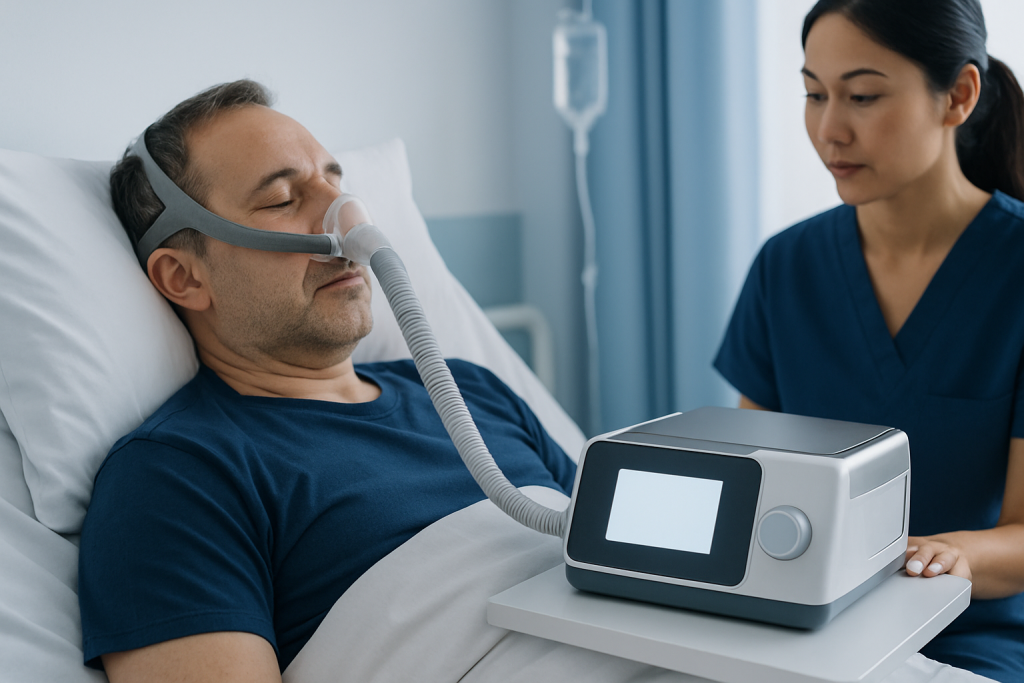
Continuous positive airway pressure, often called CPAP, is a common treatment for obstructive sleep apnea. It uses gentle air pressure through a mask to prevent the airway from collapsing. Some people benefit from an oral appliance that repositions the jaw and tongue, especially when apnea is mild to moderate.
Other options may include weight management, changing sleep position, treating nasal congestion, reducing alcohol or sedative use, and in selected cases surgery or nerve stimulation therapies. Central sleep apnea may require a different approach, such as managing the underlying condition, adjusting medications, or using specific breathing devices when appropriate.
Because treatment works best when it fits into daily life, many patients do better with a plan that includes education, mask fitting, troubleshooting, and follow-up. That is especially important for international patients who may need to continue therapy after leaving the hospital or clinic.
Prevention & Self-care
Not every case of sleep apnea can be prevented, but certain habits may reduce risk or improve symptoms. Maintaining a healthy weight, limiting alcohol before bedtime, and avoiding unnecessary sedatives can make a meaningful difference for some people.
Sleep position may also help. For some patients, sleeping on the side rather than the back reduces airway collapse. Treating nasal blockage, keeping a regular sleep schedule, and addressing other medical conditions can also support better sleep.
Self-care should be viewed as part of treatment, not a replacement for it when apnea is moderate or severe. A person who has already been diagnosed can help their therapy succeed by using devices consistently, cleaning equipment as instructed, and keeping follow-up appointments even after returning home.
When to See a Doctor
Medical evaluation is important if snoring is loud and persistent, breathing pauses are observed, or daytime sleepiness interferes with work, driving, or concentration. A person should not assume this is just poor sleep or stress, especially if the symptoms are long-standing.
Prompt assessment is also important for anyone with high blood pressure, heart disease, stroke history, atrial fibrillation, or type 2 diabetes, because sleep apnea can complicate these conditions. Children, pregnant patients, and people using opioids or other sedating medicines may also need careful review.
Seek urgent medical care if sleepiness leads to a dangerous situation, or if there is chest pain, severe shortness of breath, fainting, confusion, sudden weakness, or speech changes. For non-urgent but concerning symptoms, a sleep specialist, ENT doctor, pulmonologist, or cardiologist may be appropriate depending on the pattern of symptoms. Acibadem Health Point’s multidisciplinary specialists and JCI-accredited hospitals diagnose and treat sleep apnea for international patients with coordinated, individualized care.
Living With Sleep Apnea
Once sleep apnea is identified, many people feel relief simply because the problem has a name and a plan. Treatment often improves energy, mood, and the ability to think clearly during the day, although benefits may appear gradually rather than overnight.
Staying with treatment is important. A mask that fits poorly, dry air, or uncertainty about how to use a device can all make therapy harder, so follow-up is worth prioritizing. For patients living abroad or planning to travel again, a written care summary can make the transition smoother and help the next clinician continue care without interruption.
With accurate diagnosis and a practical treatment plan, sleep apnea is usually manageable. The main message is not fear, but attention: when breathing during sleep is corrected, the body often has a better chance to rest, recover, and function safely.
Frequently asked questions
Can sleep apnea kill you suddenly?
Sleep apnea usually does not cause sudden death on its own, but untreated disease can raise the risk of serious heart, brain, and safety-related problems. The concern is cumulative stress on the body over time, especially when apnea is severe and untreated.
What are the most common warning signs of sleep apnea?
Loud snoring, witnessed pauses in breathing, gasping during sleep, and excessive daytime sleepiness are common warning signs. Morning headaches, dry mouth, and trouble concentrating can also point to the condition.
Is snoring always sleep apnea?
No. Snoring can happen without sleep apnea, and some people with sleep apnea snore only a little. The key difference is whether breathing repeatedly stops or becomes shallow during sleep, which requires medical evaluation.
How is sleep apnea diagnosed?
Doctors usually diagnose sleep apnea with a sleep study, either in a sleep lab or sometimes at home. The test measures breathing patterns, oxygen levels, and sleep disruption to determine whether apnea is present and how severe it is.
What is the best treatment for sleep apnea?
The best treatment depends on the type and severity of sleep apnea. CPAP is common for obstructive sleep apnea, while oral appliances, lifestyle changes, surgery, or other treatments may be recommended in selected cases.
Can lifestyle changes alone cure sleep apnea?
Lifestyle changes can help, especially when sleep apnea is mild or linked to weight, alcohol use, or sleep position. However, many people still need a device or another medical treatment, so a doctor’s guidance is important.
References
- National Heart, Lung, and Blood Institute
- American Academy of Sleep Medicine
- Mayo Clinic
- World Health Organization
- Centers for Disease Control and Prevention
This article is for general information only and is not a substitute for professional medical advice. Please consult a qualified doctor about your individual situation.