Snoring or Sleep Apnea? When ENT Treatment Alone Is Enough

Key Takeaways
- Simple snoring and sleep apnea can look similar, but sleep apnea usually causes breathing pauses and daytime symptoms.
- ENT evaluation can identify structural causes such as a deviated septum, enlarged tonsils, nasal obstruction, or a long soft palate.
- If symptoms suggest obstructive sleep apnea, a sleep study is usually needed before choosing treatment.
- ENT treatment alone may be enough for primary snoring or selected mild, anatomy-related cases.
- People with loud snoring plus choking, gasping, or marked daytime sleepiness should seek medical assessment rather than self-treat.
Medically reviewed by the Acıbadem clinical team — June 13, 2026
Snoring is common, but not every noisy night means the same thing. This article explains how ENT specialists help distinguish routine snoring from sleep apnea and when a local airway treatment may be enough.
Overview
Not every snore points to sleep apnea. In many people, snoring comes from a narrowed airway in the nose, mouth, throat, or soft palate, and the main issue is vibration during sleep rather than repeated breathing pauses.
The difference matters because the treatment plan changes. A person with primary snoring may improve with ENT-directed care such as correcting nasal blockage or reducing throat obstruction, while someone with obstructive sleep apnea often needs a broader evaluation and sometimes treatment beyond the ear, nose, and throat area.
For international patients, this question often arises before travel plans, after a partner notices loud snoring, or when tiredness starts affecting work and driving. A careful assessment helps separate a manageable airway problem from a sleep disorder that deserves a dedicated sleep workup.
Symptoms
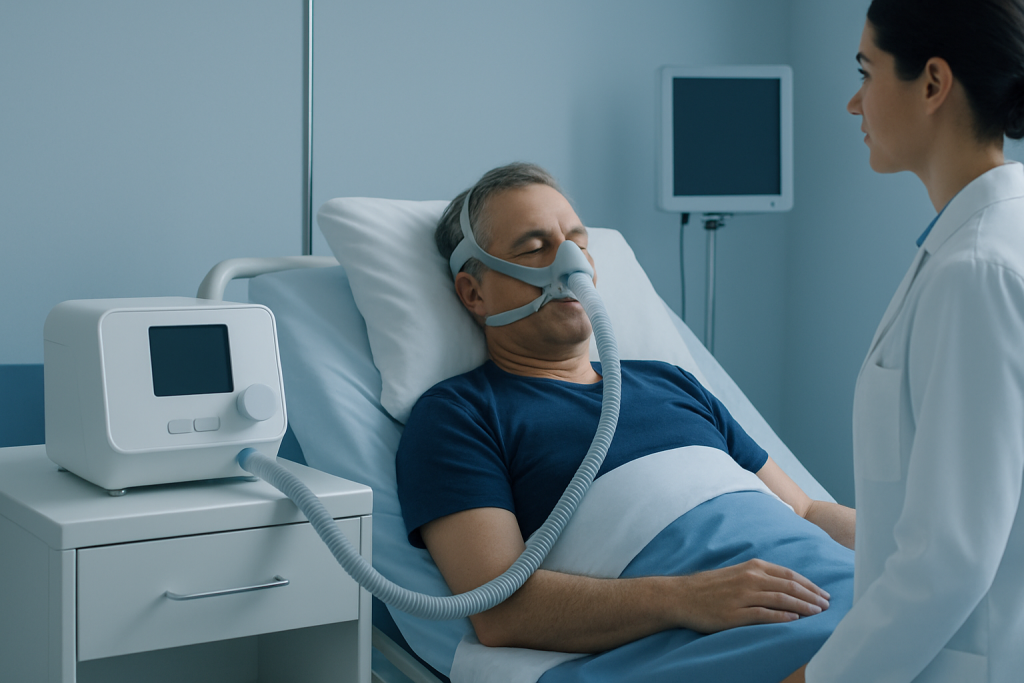
Primary snoring is usually noisy but limited to sound and sleep disruption for bed partners. The person who snores may wake up feeling reasonably refreshed, without clear breathing pauses or a strong pattern of daytime sleepiness.
Sleep apnea tends to show a different pattern. People may snore loudly and irregularly, then briefly stop breathing, gasp, choke, or snort back into breathing. Over time, they may notice dry mouth on waking, morning headaches, trouble concentrating, irritability, or unrefreshing sleep.
- Loud, frequent snoring
- Witnessed pauses in breathing during sleep
- Gasping, choking, or snorting at night
- Excessive daytime sleepiness
- Morning headaches or dry mouth
- Difficulty focusing or mood changes
ENT findings can also give clues. Chronic nasal blockage, enlarged tonsils, a low-hanging soft palate, or a small jaw can all contribute to airway narrowing, but these findings alone do not prove sleep apnea.
Causes & Risk Factors

Snoring happens when airflow meets resistance and the tissues of the upper airway vibrate. That resistance may be temporary, as with a cold or allergies, or structural, such as a deviated septum or enlarged turbinates inside the nose.
Obstructive sleep apnea occurs when the throat repeatedly narrows or closes during sleep. ENT-related anatomy can play a major role, including enlarged tonsils, excess soft tissue in the throat, a long soft palate, or nasal obstruction that makes mouth breathing more likely.
Certain factors increase the chance that simple snoring becomes more concerning. These include higher body weight, alcohol use before bed, smoking, sleeping on the back, aging, and a family tendency toward airway narrowing. In children, enlarged tonsils and adenoids are common contributors.
It is also important to note that some people have both nasal obstruction and sleep apnea. Treating the nose may improve comfort and airflow, but it may not be enough if the airway collapses farther down the throat during sleep.
Diagnosis
A good diagnosis starts with a detailed history, not a quick glance at the throat. An ENT specialist typically asks about snoring patterns, witnessed breathing pauses, sleep quality, nasal blockage, alcohol use, medications, and daytime symptoms.
The physical examination may include inspection of the nose, tonsils, soft palate, tongue position, and jaw alignment. In some cases, flexible nasal endoscopy is used to look more closely at where the airway narrows and whether the nose is obstructed by swelling, a deviated septum, or other structural issues.
When sleep apnea is suspected, a sleep study is usually the next step. This may be an overnight test in a sleep lab or a home sleep apnea test in selected patients. The goal is to measure breathing interruptions and oxygen changes rather than guessing from snoring volume alone.
For patients traveling from abroad, coordination is especially helpful. Testing may need to be arranged in sequence so that the consultation, diagnostics, and follow-up fit into a limited stay without rushing the decision about treatment.
Treatment Options
When the problem is primary snoring or a mild airway narrowing pattern, ENT treatment alone may be enough. The exact choice depends on where the blockage is located and whether the issue is mainly in the nose or farther back in the throat.
Nasal treatments may include managing allergies, reducing swelling, correcting a deviated septum, or treating enlarged nasal tissues. If the tonsils are large, or if the soft palate and uvula contribute to vibration and narrowing, a specialist may discuss procedures aimed at opening that space. In some adults and many children, tonsil-related surgery can make a meaningful difference when anatomy is the main cause.
However, surgery is not automatically the answer. Some people benefit more from lifestyle changes, positional therapy, or a custom oral appliance, especially when sleep apnea is mild or when the airway problem is not purely an ENT one. For confirmed obstructive sleep apnea, positive airway pressure therapy may still be the most appropriate treatment, either alone or alongside ENT care.
The most important principle is matching the treatment to the diagnosis. An operation that helps snoring from nasal blockage will not reliably treat untreated sleep apnea, and a sleep-device plan may not fully address a correctable structural problem in the nose or throat.
Prevention & Self-care
Healthy sleep habits cannot remove every structural cause of snoring, but they can reduce strain on the airway. Sleeping on the side instead of the back, limiting alcohol before bedtime, and avoiding sedating medicines unless prescribed can all help in selected cases.
For people with nasal allergies or chronic congestion, consistent medical treatment is often worthwhile. Saline rinses, allergy control, and appropriate medications may improve nighttime airflow and reduce mouth breathing, which can lessen snoring intensity.
Other helpful measures include maintaining a healthy weight when needed, quitting smoking, and keeping a regular sleep schedule. These steps are supportive rather than curative, but they can improve overall sleep quality and may make ENT treatment more effective if a procedure is planned.
During recovery from any ENT procedure, patients usually do best by following instructions carefully, protecting hydration, and allowing enough time for tissues to heal. International patients should also plan for a safe return trip and follow-up contact, especially if they are recovering from surgery away from home.
When to See a Doctor
Medical evaluation is advisable when snoring is loud, frequent, or newly worse, especially if a partner notices breathing pauses. It is also important to seek assessment if there is daytime sleepiness, morning headaches, poor concentration, or waking up choking or gasping.
Children should be evaluated if snoring is regular, sleep is restless, or behavior and school performance seem affected. Enlarged tonsils or adenoids are common in pediatric airway problems, and treatment can be important for sleep, growth, and daytime functioning.
Even when snoring seems “just annoying,” it is worth discussing if nasal blockage, chronic mouth breathing, or repeated sinus and throat issues are part of the picture. A specialist can help determine whether the best next step is medication, a sleep study, a procedure, or a combination of approaches.
Acibadem Health Point’s multidisciplinary specialists and JCI-accredited hospitals can diagnose and treat snoring and sleep apnea for international patients, with coordinated evaluation and follow-up. That approach can be especially helpful when the question is not simply whether to treat, but which treatment is truly enough.
Living With the Uncertainty Between Snoring and Sleep Apnea
Many people first seek help because they are embarrassed by snoring, while their bed partner is the one who notices breathing pauses. That difference in perspective is common, and it is one reason a clear medical assessment is more useful than self-diagnosis.
If the condition turns out to be primary snoring, reassurance and targeted ENT care may solve the problem or reduce it substantially. If the diagnosis is sleep apnea, treatment can improve sleep quality and daily functioning, and it may also protect long-term health by addressing repeated breathing interruptions.
The practical question is not whether every snorer needs surgery. It is whether the airway problem is limited enough for ENT treatment alone, or whether a sleep disorder is present and needs broader management. With the right evaluation, that decision becomes much clearer.
Frequently asked questions
Can loud snoring happen without sleep apnea?
Yes. Some people snore loudly because of nasal blockage, a long soft palate, or sleeping position, but they do not have repeated breathing pauses. A medical assessment helps tell the difference. The presence or absence of daytime symptoms also gives useful clues.
Does ENT treatment always fix snoring?
Not always. ENT treatment works best when the snoring is driven by a clear structural issue in the nose or throat. If sleep apnea is present, additional treatment may be needed even after ENT care.
How can a doctor tell if it is snoring or sleep apnea?
The doctor looks at the full sleep history, physical findings, and sometimes a sleep study. Witnessed breathing pauses, gasping, and significant daytime sleepiness raise more concern for sleep apnea. Snoring alone is not enough to make the diagnosis.
Is a sleep study necessary before any ENT procedure?
If sleep apnea is suspected, a sleep study is usually recommended before deciding on treatment. This helps avoid treating a sleep disorder as if it were simple snoring. In some clearly structural, mild cases, the specialist may individualize the workup.
Can children have snoring that is not sleep apnea?
Yes, but regular snoring in a child still deserves attention. Enlarged tonsils and adenoids are common causes, and sleep quality can affect behavior, growth, and learning. A pediatric or ENT evaluation can clarify the cause.
What if someone has both nasal blockage and sleep apnea?
That is fairly common. Treating the nose may improve airflow, comfort, and tolerance of other therapies, but it may not fully treat sleep apnea on its own. The best plan often combines ENT care with sleep-focused treatment.
References
- American Academy of Otolaryngology–Head and Neck Surgery
- American Academy of Sleep Medicine
- National Heart, Lung, and Blood Institute
- Mayo Clinic
- NHS
This article is for general information only and is not a substitute for professional medical advice. Please consult a qualified doctor about your individual situation.