

Calf Stretches
Key Takeaways
- Calf stretches can help reduce stiffness and improve ankle mobility.
- They are most useful when performed gently and regularly rather than forcefully.
- Warm muscles usually respond better to stretching than cold muscles.
- Persistent calf pain, swelling, or one-sided tightness should be assessed by a doctor.
- People recovering from injury should follow a plan tailored by a qualified clinician.
Calf stretches are a simple way to improve lower-leg flexibility, ease muscle tightness, and support everyday movement such as walking, climbing stairs, and exercise. When done correctly and consistently, they can be a helpful part of recovery, mobility work, and general self-care.
Overview
Calf stretches are among the most familiar mobility exercises, yet they do more than simply “loosen up” the lower leg. The calf muscles help control walking, standing, running, and pushing off the ground, so when they become tight, many daily movements can feel heavier or less smooth. For people who travel frequently, sit for long periods, or are gradually returning to activity after a period of rest, calf flexibility can become especially relevant.
The calf is made up mainly of two muscles: the gastrocnemius and the soleus. Together, they connect through the Achilles tendon to the heel and help move the ankle downward. Stretching these muscles gently can support range of motion in the ankle, which may make movement feel easier during rehabilitation, sports preparation, or routine self-care.
It is important to view calf stretches as part of a broader movement routine rather than a cure-all. They can be useful for many people, but they do not replace medical evaluation when pain is unusual, severe, or associated with swelling, redness, or weakness. In those situations, a clinician should help identify the cause before stretching is continued.
Symptoms That May Lead Someone to Stretch the Calves
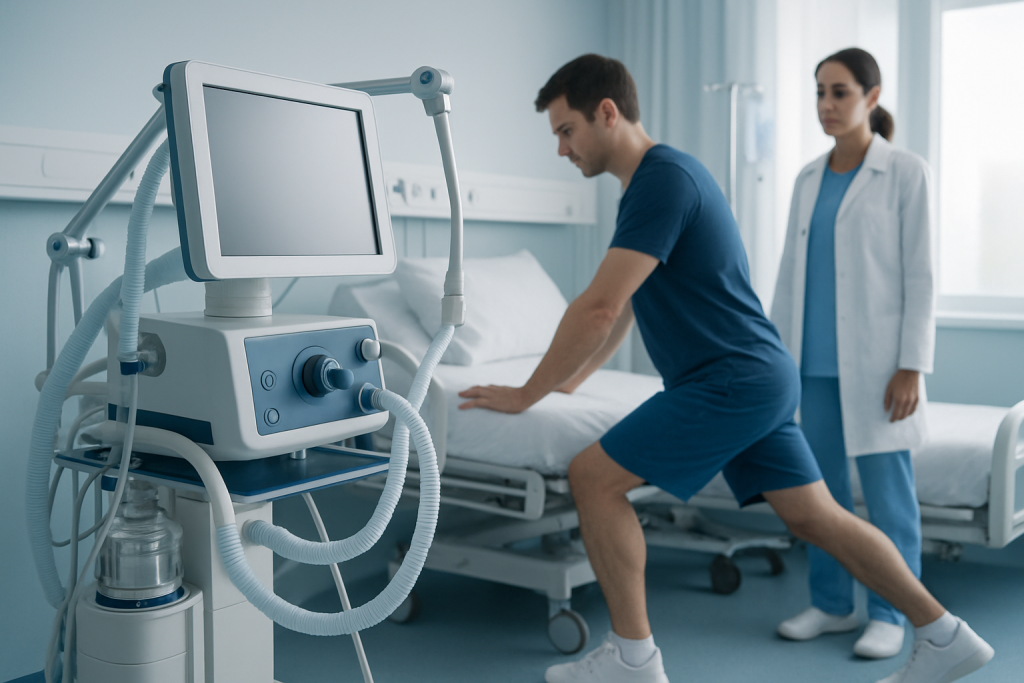
People often start calf stretches because they notice a feeling of tightness, pulling, or stiffness at the back of the lower leg. This may appear after exercise, after long periods of sitting, or first thing in the morning. Some people also notice limited ankle motion, especially when they try to squat, descend stairs, or keep their heels on the ground.
Calf tightness can also show up as a sense of resistance during walking or as a recurring cramp-like feeling. In active people, it may be linked with overuse, reduced flexibility, or footwear that changes how the foot and ankle move. In office workers and travelers, prolonged sitting can leave the calves feeling shortened and less responsive.
Stretching may be helpful when the main issue is mild tightness or reduced flexibility. However, calf symptoms are not always from muscle tension alone. Pain that is sharp, one-sided, associated with swelling, or accompanied by shortness of breath should be evaluated promptly, because these features may point to a more serious medical problem rather than routine muscle tightness.
Causes & Risk Factors
Several everyday factors can contribute to tight calves. A common one is inactivity: when the ankle spends long periods in a bent or pointed position, the calf muscles are not asked to lengthen fully. This can happen during long flights, desk work, recovery from illness, or after wearing shoes that keep the heel elevated.
Other contributing factors include exercise patterns and movement habits. Runners, dancers, hikers, and people who increase training intensity too quickly may notice tighter calves because the muscles are working harder or recovering from repeated loading. On the other hand, weak supporting muscles, limited ankle mobility, or poor movement mechanics can also make the calves feel overworked.
- Long periods of sitting or bed rest
- High-heeled or unsupportive footwear
- Running, jumping, or hill training
- Reduced ankle flexibility after injury
- Neurologic or orthopedic conditions that alter gait
Age can also affect flexibility, since muscles and tendons often become less elastic over time. People recovering from ankle sprains, Achilles tendon problems, or leg surgery may be advised to stretch the calves as part of rehabilitation, but only when it is appropriate for their stage of healing.
How Calf Stretches Are Assessed and Taught
Calf stretches are usually taught based on a person’s symptoms, mobility, and activity goals rather than by a single fixed method. A physiotherapist, sports medicine clinician, or rehabilitation specialist may observe how the ankle moves, how the foot contacts the ground, and whether one side behaves differently from the other.
In a clinical setting, the evaluation may include questions about pain timing, recent increases in activity, footwear, travel, past injuries, and any history of swelling or numbness. If the calf feels tight because the ankle itself is restricted, the provider may look at the joint, the Achilles tendon, and the muscles above and below the lower leg to identify the most useful approach.
The instruction is usually practical and individualized. Some people benefit from a knee-straight stretch that targets the gastrocnemius, while others need a knee-bent version that better reaches the soleus. For people traveling from another country for care, this kind of evaluation can be especially valuable because the clinician can help match a home program to the patient’s recovery plan before they return home.
Treatment Options
For uncomplicated calf tightness, treatment often begins with conservative care. Gentle stretching, gradual strengthening, and movement modification are usually the first steps. A clinician may also recommend temporary activity changes if the calves are irritated from overuse, so the muscles can recover without being asked to work through pain.
Stretching should feel like a mild, steady pull rather than a sharp pain. The stretch is commonly held long enough to allow the muscle to relax, then repeated several times. Breathing normally and avoiding bouncing are both important, because forceful movement can irritate the tissue instead of improving flexibility.
Depending on the cause, treatment may include:
- Physiotherapy and guided mobility work
- Strengthening of the ankle, foot, and hip muscles
- Footwear review or orthotic advice
- Manual therapy in selected cases
- Management of the underlying injury or medical condition
If the calf pain is related to a tendon problem, joint restriction, nerve issue, or vascular concern, the plan should focus on that underlying cause rather than stretching alone. In some cases, imaging or other diagnostic tests may be needed before an exercise program is expanded.
Prevention & Self-care
Calf stretches work best when they are part of a regular routine. Many people find that stretching after a warm shower, after a short walk, or at the end of a workout is more comfortable than stretching when the muscles are cold. Slow, consistent practice is usually more effective than occasional forceful attempts to gain flexibility.
Simple self-care habits can also reduce calf tightness over time. Taking movement breaks during travel, standing up after long sitting periods, and choosing shoes that allow natural ankle motion may all help. People who exercise regularly may benefit from warming up before activity and gradually increasing intensity instead of making abrupt changes.
Helpful habits often include:
- Stretching both with the knee straight and the knee slightly bent
- Keeping the heel down and the foot aligned during the stretch
- Maintaining a comfortable breathing pattern
- Balancing stretching with strengthening and walking
- Stopping if pain becomes sharp, radiating, or unusual
For patients who are recovering after injury or surgery, self-care should follow the instructions of the treating team. If a person is receiving care away from home, a written home program and follow-up plan can make it easier to continue safely once travel resumes.
When to See a Doctor
Medical advice is appropriate if calf tightness keeps returning, limits everyday activities, or does not improve with gentle stretching and routine self-care. A doctor or physiotherapist can help distinguish simple muscle tightness from a problem involving the tendon, nerves, joints, or circulation.
Prompt evaluation is especially important if calf symptoms appear with swelling, warmth, redness, marked tenderness, sudden weakness, numbness, or shortness of breath. These signs do not always mean something serious, but they should not be ignored. One-sided calf swelling or pain deserves particular attention.
People with diabetes, vascular disease, a recent injury, or a history of surgery should be especially careful before starting a new stretching routine. If there is uncertainty about what is safe, a qualified clinician can provide a clearer plan and, when needed, coordinate rehabilitation across borders. Acibadem Health Point’s multidisciplinary specialists and JCI-accredited hospitals diagnose and treat conditions involving calf pain and mobility concerns for international patients.
A Practical Set of Calf Stretches
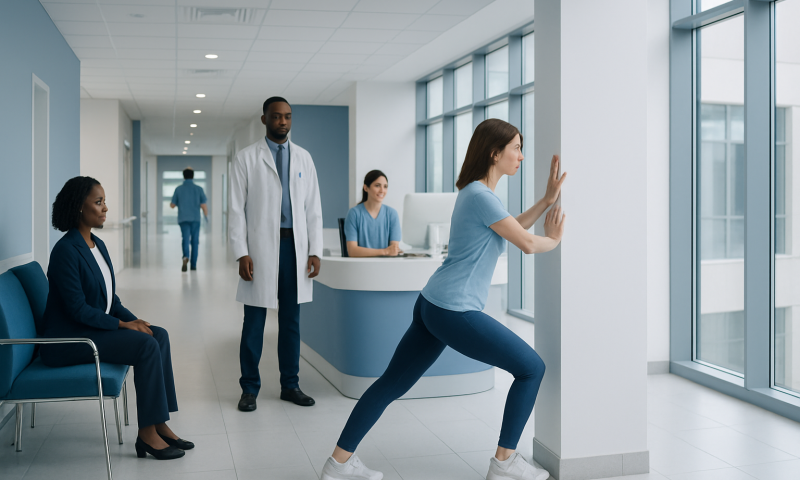
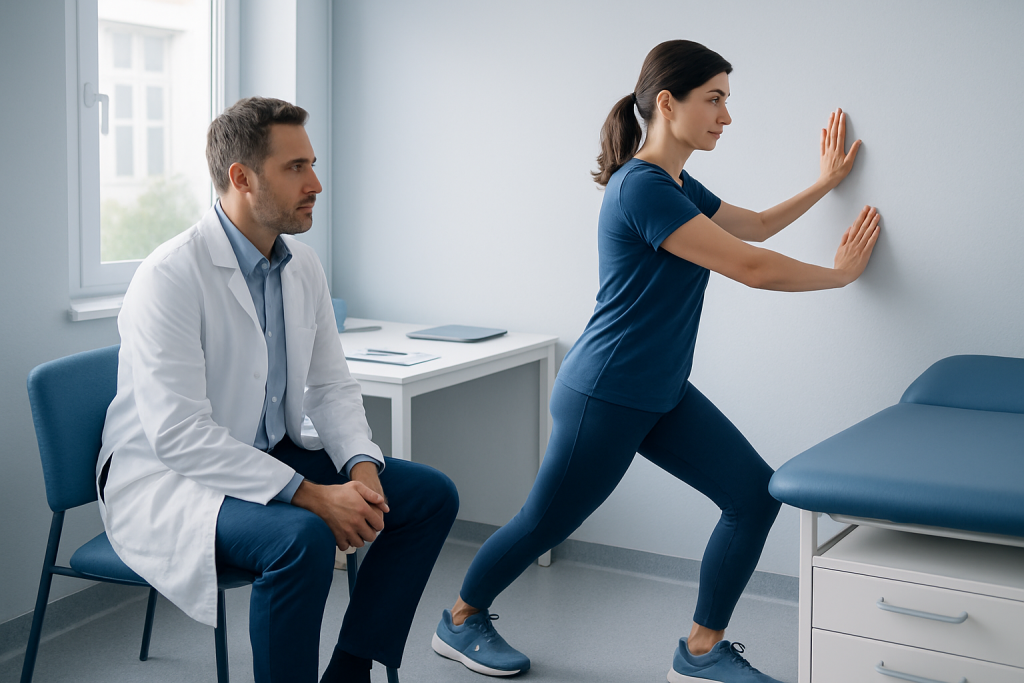
Two commonly used calf stretches target slightly different parts of the muscle group. A wall stretch with the back knee straight is often used for the larger gastrocnemius muscle, while the same position with the back knee bent shifts more emphasis toward the soleus. A step stretch may also be used carefully, but it should be done with control and only if it feels comfortable.
To stretch safely, the person usually stands facing a wall, places one foot behind the other, keeps the back heel on the floor, and leans forward until a gentle pull is felt in the calf. The stretch should be held without bouncing and repeated on both sides, even if only one side feels tight, because asymmetry can develop when one leg is favored.
Good technique matters more than intensity. If the foot turns outward, the heel lifts, or the stretch causes pain in the Achilles tendon or the arch of the foot, the position should be adjusted. A physiotherapist can demonstrate proper form and adapt the stretch for someone with ankle stiffness, recent injury, or limited balance.
Frequently asked questions
How often should calf stretches be done?
Many people do best with short, regular stretching sessions rather than occasional long ones. A clinician or physiotherapist can suggest a frequency that matches the person’s flexibility goals, activity level, and recovery status.
Should calf stretches hurt?
No, they should not cause sharp pain. A mild pulling sensation is normal, but pain means the stretch may be too intense or that another problem needs attention.
Are calf stretches useful for runners?
They can be helpful, especially when calves feel tight after training or when ankle mobility is limited. Runners usually benefit most when stretching is combined with gradual training progress and strengthening work.
Can calf tightness be a sign of something more serious?
Sometimes, yes. Persistent one-sided pain, swelling, redness, warmth, or breathing difficulty should be checked promptly because these symptoms may point to a medical issue beyond muscle tightness.
What is the difference between a straight-knee and bent-knee calf stretch?
A straight-knee stretch tends to target the gastrocnemius more, while a bent-knee stretch places more emphasis on the soleus. Using both can provide a more complete approach to calf flexibility.
Can people stretch the calves after an injury?
Often they can, but only when the injury has healed enough and stretching is appropriate for that stage of recovery. A doctor or physiotherapist should guide the timing, especially after tendon, ankle, or surgery-related problems.
References
- National Institute of Arthritis and Musculoskeletal and Skin Diseases
- American Academy of Orthopaedic Surgeons
- National Health Service
- Mayo Clinic
- World Health Organization
This article is for general information only and is not a substitute for professional medical advice. Please consult a qualified doctor about your individual situation.
More from the Health Library


Related Specialists

Dr. Safiye Sayilir
Physical Medicine & Rehabilitation
Dr. Özgün Barış Çolak
Physical Medicine & Rehabilitation
Prof. Dr. Meltem Vural
Physical Medicine & Rehabilitation
Prof. Dr. Meral Bayramoğlu
Physical Medicine & Rehabilitation