What Your Orthopedic Quote Usually Includes: Surgery, Implants, Hospital Stay, and Follow-Up

Key Takeaways
- A quote may include several care steps, not only the operation itself.
- Implant choice, imaging, anesthesia, and hospital stay can affect the total estimate.
- Follow-up visits, rehabilitation, and some supplies may be listed separately or bundled.
- Patients should ask what is included, what is optional, and what might change after evaluation.
- A clear quote should support informed planning, especially for international patients arranging travel and recovery.
An orthopedic quote is more than a single number; it often reflects the full treatment pathway, from consultation and surgery to implants, hospital stay, and follow-up care. Understanding each part helps patients compare options clearly and plan with confidence, especially when traveling for treatment.
Overview
An orthopedic quote is best understood as a treatment roadmap with numbers attached. It usually reflects the care needed for a specific condition, such as a fracture repair, joint replacement, ligament reconstruction, or spine procedure, and it may cover more than the operation alone.
For many patients, especially those coming from another country, the quote is part of the decision-making process. It helps them see how surgery, implants, hospital accommodation, and follow-up are organized so they can plan for both medical care and travel logistics with fewer surprises.
Quotes can differ because orthopedic treatment is rarely identical from one person to another. The details depend on the diagnosis, the complexity of surgery, the type of implant, the length of stay, and whether rehabilitation is expected after discharge.
What a Typical Orthopedic Quote May Include
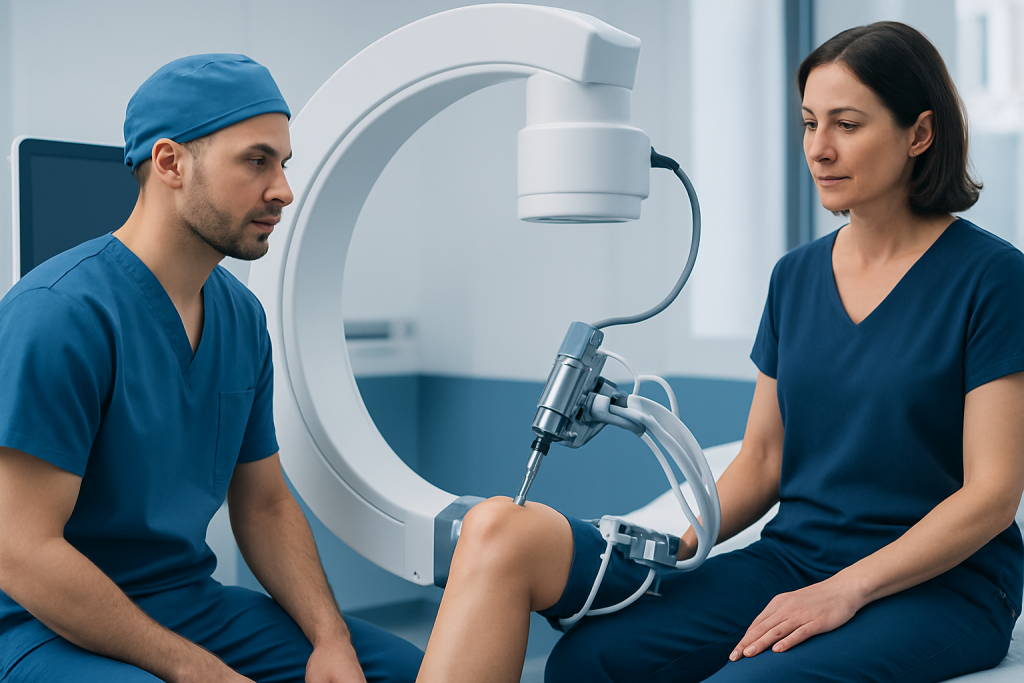
Many orthopedic quotes are built from several components. A patient may see separate lines for the surgeon’s fee, anesthesiology, operating room use, nursing care, hospital room charges, preoperative testing, and postoperative checkups. In some settings, these items are bundled into a package; in others, they are listed individually for clarity.
Implants are a major part of some orthopedic estimates. Plates, screws, rods, joint prostheses, or other fixation devices may be included in the base price, or they may appear as a separate item depending on the device type and the hospital’s pricing structure.
A quote may also include:
- Pre-surgical evaluation and imaging
- Blood tests and medical clearance
- Surgeon and anesthesia services
- Operating theatre and supplies
- Implants or prosthetic components
- Hospital stay and routine nursing care
- Follow-up visits after surgery
Patients should remember that “included” can mean different things in different hospitals. It is reasonable to ask whether medications, physiotherapy, crutches, braces, or extra nights in the hospital are part of the estimate or billed separately.
Why Orthopedic Quotes Can Vary

Two patients with the same diagnosis may receive different quotes because treatment plans are not identical. The surgeon may recommend a minimally invasive approach for one patient and a more complex reconstruction for another, which changes the cost of time, materials, and recovery support.
The type of implant is another common reason for variation. Some procedures allow several options, and the choice may depend on anatomy, bone quality, activity level, and the surgeon’s clinical judgment. In joint replacement, for example, implant design and brand can influence the final estimate.
Hospital length of stay can also matter. A short admission after a straightforward arthroscopy is very different from a few days of monitored recovery after major spinal or joint surgery. If postoperative rehabilitation is expected, that may be quoted separately or outlined as an additional phase of care.
How to Read the Estimate Before You Commit
A useful orthopedic quote should be specific enough to guide planning, but clear enough to leave room for clinical judgment. The safest approach is to read it as a starting point and ask which parts are fixed and which parts may change after the full examination.
Patients often benefit from asking practical questions early. For international patients, this is especially important because travel dates, companions, hotel stays, and time off work may all depend on the treatment timeline. A detailed quote can help coordinate those pieces before the journey begins.
Helpful questions may include:
- Does the quote cover consultation, imaging, and pre-op testing?
- Are implants included, and if so, which type?
- How many hospital nights are planned?
- Are follow-up visits and stitch removal included?
- Is rehabilitation part of the package or a separate service?
- What happens if the surgeon finds something unexpected during surgery?
Clear answers make it easier to compare hospitals fairly. They also reduce the risk of misunderstanding when care is being organized across borders and several departments are involved.
What Happens During Diagnosis and Surgical Planning
Before any final treatment estimate is confirmed, the orthopedic team usually reviews the diagnosis carefully. That may involve physical examination, X-rays, MRI or CT scans, and discussion of symptoms, daily limitations, previous injuries, and past treatments.
Once the clinical picture is clear, the surgeon can recommend the most suitable procedure and explain what resources will likely be needed. This is the stage where the estimate becomes more accurate, because the care plan is matched to the patient’s actual condition rather than a general description alone.
For patients traveling for treatment, this phase may happen partly before arrival through medical record review and imaging transfer. That can make the in-person visit more efficient and help the care team prepare operating room time, implant options, and recovery arrangements in advance.
Treatment Options and What Influences Cost
Orthopedic treatment options range from conservative care to complex surgery. Some patients may need only immobilization, pain management, and physiotherapy, while others require fixation, reconstruction, or joint replacement to restore function and reduce pain.
Cost is influenced by the procedure itself, but also by the support around it. A key difference exists between a minor outpatient intervention and an inpatient procedure requiring an implant, anesthesia, imaging guidance, and a monitored recovery period.
Common factors that shape the estimate include:
- Type of procedure and technical complexity
- Need for implants or prosthetic components
- Length of surgery and anesthesia time
- Hospital room category and number of nights
- Preoperative and postoperative testing
- Rehabilitation needs after discharge
It is also helpful to ask whether revision surgery, if needed later, would be discussed separately. In orthopedic care, the initial plan is designed to solve the current problem, but the team should still explain possible next steps in a straightforward way.
Hospital Stay, Recovery, and Follow-Up Care
The hospital stay is often a meaningful part of the quote because it includes more than a bed. It may cover nursing observation, wound care, medications given in the hospital, daily medical review, and support during the earliest recovery period after surgery.
Follow-up care is just as important as the operation itself. Many orthopedic procedures require scheduled visits to check healing, review X-rays, remove stitches if needed, adjust weight-bearing instructions, and guide the transition to rehabilitation or home exercises.
For international patients, follow-up planning should be discussed before travel home. The team may advise when it is safe to fly, what warning signs should prompt medical attention, and how local care can continue after the patient leaves the hospital. A thoughtful discharge plan makes recovery smoother and helps protect the surgical result.
Prevention, Preparation, and Self-care
Not every orthopedic condition can be prevented, but patients can still prepare well. Good preparation includes sharing complete medical records, listing allergies and medications, and asking for a plain-language explanation of what the quote does and does not cover.
After surgery, self-care usually focuses on protecting the repair, following activity restrictions, keeping scheduled appointments, and doing prescribed exercises safely. Rest matters, but so does the right amount of movement, which supports circulation and recovery when approved by the care team.
Practical steps may include:
- Organizing transport and assistance for the first days after discharge
- Preparing the home for mobility aids if needed
- Following wound-care instructions carefully
- Attending physiotherapy or home-exercise sessions as advised
- Keeping copies of reports and operative notes for later follow-up
International patients may also want to plan extra time for reassessment before departure. That can help ensure that healing is on track and that instructions are clear before they return home.
When to See a Doctor
Patients should seek orthopedic evaluation when pain, swelling, instability, stiffness, or loss of function is affecting daily life or not improving with basic care. A doctor’s assessment is especially important after injury, a fall, or persistent symptoms that limit walking, lifting, or sleep.
After surgery, follow-up should not be delayed if there is increasing pain, fever, unusual drainage from the wound, new numbness, calf swelling, or difficulty bearing weight as instructed. These symptoms do not always mean a serious problem, but they deserve timely medical review.
For patients comparing treatment options abroad, a good quote should sit alongside a good explanation. Acibadem Health Point’s multidisciplinary specialists and JCI-accredited hospitals can diagnose and treat many orthopedic conditions for international patients, with care organized around surgery, recovery, and follow-up planning.
Frequently asked questions
Does an orthopedic quote usually include everything I will pay for?
Not always. Some quotes bundle major items together, while others list them separately, such as implants, imaging, hospital stay, or follow-up visits. It is best to ask exactly what is included and what may be added later.
Why do orthopedic quotes differ between hospitals?
Quotes can differ because hospitals use different implant options, surgical methods, room categories, and package structures. The patient’s condition and the complexity of surgery also affect the estimate.
Are implants always part of the orthopedic quote?
Implants are often included in surgery estimates, but not in every case. Patients should confirm whether the quoted price covers the specific implant recommended by the surgeon.
Does the quote cover rehabilitation after surgery?
Sometimes it does, but often rehabilitation is separate or only partly included. Patients should ask whether physiotherapy sessions, home exercises, or mobility aids are part of the plan.
How can international patients compare quotes fairly?
They should compare the same items in each estimate: consultation, surgery, implant type, hospital nights, medications, and follow-up care. A lower price is not necessarily more complete if important services are missing.
Can the final cost change after evaluation?
Yes, it can change if tests show a different level of complexity than expected or if the surgeon needs to adjust the plan. A clear preoperative assessment helps reduce surprises, but medical care sometimes needs to be tailored once all the information is available.
References
- American Academy of Orthopaedic Surgeons
- National Institute of Arthritis and Musculoskeletal and Skin Diseases
- NHS
- Mayo Clinic
- World Health Organization
This article is for general information only and is not a substitute for professional medical advice. Please consult a qualified doctor about your individual situation.