Brain Cancer Symptoms

Key Takeaways
- Brain cancer symptoms often depend on where the tumor is in the brain and how quickly it grows.
- Persistent headaches, seizures, vision changes, weakness, balance problems, and personality or memory changes can all be warning signs.
- Imaging tests such as MRI are commonly used to evaluate concerning neurologic symptoms and guide next steps.
- Treatment may include surgery, radiation therapy, chemotherapy, targeted therapy, or a combination of approaches.
- New or worsening neurologic symptoms should be assessed by a qualified doctor, especially if they are persistent or progressive.
Brain Colon Cancer Symptoms" class="ahp-ilk">cancer symptoms can differ widely depending on the tumor’s location, size, and growth rate. Some people notice gradual changes in headaches, thinking, movement, or vision, while others develop more sudden neurologic symptoms that warrant prompt medical evaluation.
Overview
Brain cancer symptoms are not always dramatic at the start. In many people, the earliest changes are subtle: a headache that feels different from usual, a brief episode of confusion, a change in speech, or a new problem with balance or vision. Because the brain controls so many functions, symptoms often reflect the specific area affected rather than one single pattern.
It is also important to remember that many symptoms associated with brain tumors can have other, more common causes such as migraine, medication effects, infection, or stroke. The goal is not to assume the worst, but to notice when a symptom is new, persistent, or gradually getting worse and to have it evaluated in a timely way.
For international patients, this often begins with deciding whether local care is enough or whether a more specialized neurological and oncology assessment is needed. A careful review of symptoms, along with imaging and specialist input, can help clarify whether a brain tumor is present and what type of treatment may be appropriate.
Symptoms
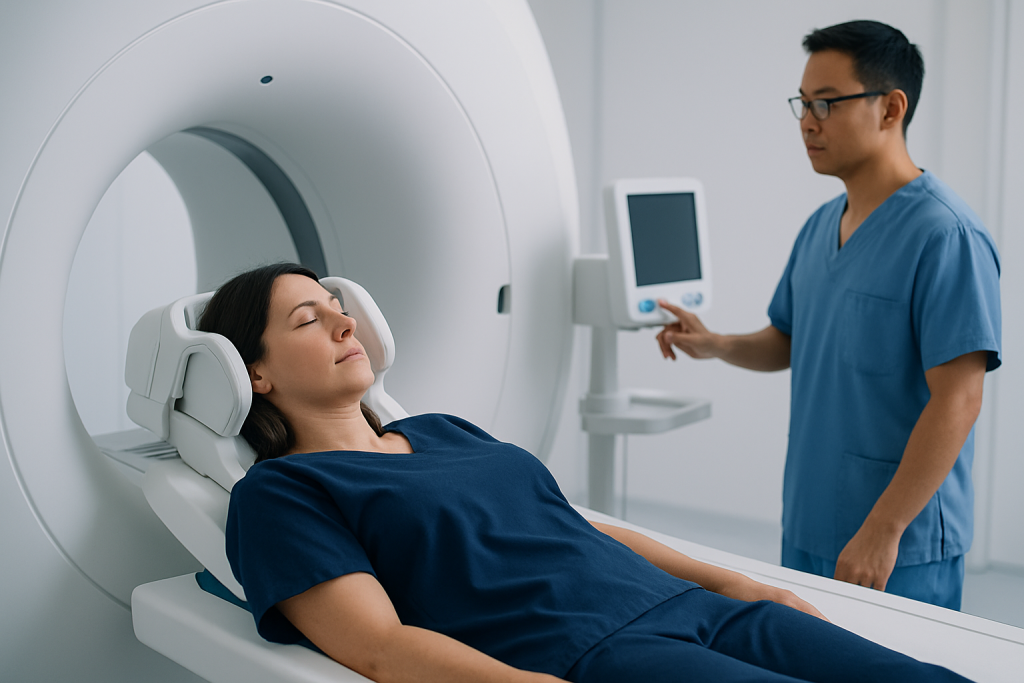
Symptoms of brain cancer can vary widely. Some develop slowly over weeks or months, while others appear more suddenly. The pattern often depends on whether the tumor is causing pressure, irritation, bleeding, swelling, or disruption of a particular brain region.
Common brain tumor signs may include:
- Headaches that are new, more frequent, or different from usual
- Seizures in someone who has never had them before
- Nausea or vomiting without another clear explanation
- Blurred vision, double vision, or loss of part of the visual field
- Weakness, numbness, or clumsiness on one side of the body
- Balance problems, unsteady walking, or frequent falls
- Speech changes, such as slurred speech or difficulty finding words
- Memory issues, confusion, slowed thinking, or personality changes
Some headaches linked to increased pressure inside the skull may be worse in the morning or wake a person from sleep, but headache patterns alone cannot confirm a diagnosis. A new seizure, a sudden change in speech, or weakness affecting one side of the body should always be taken seriously and assessed promptly.
In children and older adults, symptoms may be easier to miss because they can look like fatigue, school difficulties, normal aging, or another neurologic condition. Families often notice the change first: a person seems “not quite themselves,” becomes less steady, or struggles with tasks that were previously routine.
Causes & Risk Factors

Brain cancer begins when cells in the brain or nearby structures grow in an uncontrolled way. Primary brain tumors start in the brain itself, while metastatic brain tumors spread from cancers elsewhere in the body. The symptoms can overlap, even though the underlying cancers are different.
In many cases, the exact reason a brain tumor develops is not known. Some risk factors are recognized, but most people with brain tumor symptoms do not have a single identifiable cause. Known factors can include inherited syndromes, prior radiation exposure to the head, and a personal history of certain cancers that can spread to the brain.
Risk factors may also vary by tumor type and age. For example, some brain tumors are more common in children, while others are more likely in adults. Family history does not usually mean a brain tumor will occur, but it can matter in selected inherited conditions, which is why doctors sometimes ask detailed questions about relatives and previous treatments.
Diagnosis
Diagnosis usually starts with a neurological examination. A doctor looks for clues in speech, reflexes, coordination, eye movements, strength, sensation, and cognition. The pattern of findings helps determine whether the symptoms may originate in the brain, and if so, which regions are most likely involved.
Imaging is often the next step, most commonly magnetic resonance imaging (MRI). MRI provides detailed pictures of the brain and can show masses, swelling, or areas where the tumor may be affecting normal tissue. In some cases, a computed tomography (CT) scan is used first, especially when symptoms come on quickly or when bleeding needs to be ruled out.
If imaging suggests a tumor, a biopsy or surgery may be recommended to confirm the diagnosis and identify the exact tumor type. That information is essential because treatment planning depends on pathology, molecular features, location, and whether the tumor can be safely removed. For patients traveling from another country, it helps to gather prior scans, medication lists, and pathology reports in advance so the specialist team can review everything efficiently.
Treatment Options
Treatment for brain cancer is individualized. The team may include neurologists, neurosurgeons, medical oncologists, radiation oncologists, rehabilitation specialists, and supportive care professionals. The plan depends on the tumor type, location, grade, symptoms, overall health, and the person’s goals for treatment.
Surgery is often considered when a tumor can be removed safely or when tissue is needed for diagnosis. Radiation therapy may be used after surgery, instead of surgery, or when surgery is not possible. Chemotherapy and other drug treatments may also be part of the plan, especially for certain tumor types. In selected cases, targeted therapy or immunotherapy may be appropriate when tumor features support those options.
Symptom relief is an important part of care, not an afterthought. Doctors may use medicines to reduce swelling, prevent seizures, manage pain, or address nausea and sleep problems. Rehabilitation can also play a major role, including physical therapy, occupational therapy, speech therapy, and cognitive support. For international patients, treatment planning often includes coordinating recovery time, travel readiness, and follow-up imaging before returning home.
Prevention & Self-care
There is no guaranteed way to prevent brain cancer, but general health measures can support brain and overall wellbeing. These include attending regular medical checkups, reporting new neurologic symptoms early, and following recommended care after treatment if a person has already had a brain tumor or another cancer.
Self-care is also practical and meaningful during evaluation or treatment. Keeping a symptom diary can help track headaches, seizures, vision changes, or memory concerns. Bringing a family member to appointments may help with recall, especially if thinking or speech has changed. It is also wise to keep copies of imaging reports, pathology results, and treatment summaries, which are especially useful for patients who may seek a second opinion or continue care across borders.
Daily routines may need to be adjusted to improve safety and energy conservation. Rest, hydration, fall prevention, medication adherence, and using reminders for appointments can all help. If seizures are a concern, the care team may discuss driving restrictions and precautions at home, work, or during travel.
When to See a Doctor
A doctor should evaluate any new neurologic symptom that persists, worsens, or interferes with daily life. This is especially important when headaches are different from a person’s usual pattern, when seizures occur, or when vision, speech, strength, or coordination changes suddenly.
Immediate medical attention is appropriate if there is sudden weakness on one side, severe confusion, a new seizure, difficulty speaking, fainting, or a severe headache with vomiting or altered consciousness. These symptoms do not always mean brain cancer, but they do require prompt assessment because several urgent conditions can look similar.
If a brain tumor is suspected, seeking care with an experienced multidisciplinary team can make the process clearer and more coordinated. Acibadem Health Point’s multidisciplinary specialists and JCI-accredited hospitals diagnose and treat this condition for international patients, helping align imaging, specialist review, treatment planning, and follow-up care in a structured way.
Frequently asked questions
Are headaches always a sign of brain cancer?
No. Headaches are common and usually have other causes such as migraine, tension, dehydration, or sinus problems. A headache becomes more concerning when it is new, persistent, changing in pattern, or occurs with neurologic symptoms such as vomiting, seizures, weakness, or vision changes.
What brain cancer symptoms are most important to watch for?
New seizures, one-sided weakness or numbness, speech trouble, balance problems, vision changes, and memory or personality changes are important warning signs. A headache that is progressively worsening or different from usual also deserves evaluation.
Can brain cancer symptoms come and go?
Yes, some symptoms may appear intermittently at first, especially if they are related to pressure, swelling, or seizure activity. Even if symptoms fade, recurring episodes should still be discussed with a doctor because they may indicate an underlying problem.
How is brain cancer different from a brain tumor?
A brain tumor is a growth in or around the brain, and it can be benign or malignant. Brain cancer usually refers to a malignant tumor that can grow aggressively and may require surgery, radiation, or drug treatment.
Does a normal headache rule out brain cancer?
No single symptom can rule it out on its own, but a normal headache pattern is more often due to a non-cancer cause. Doctors look at the whole picture, including neurologic signs, symptom progression, and imaging results when needed.
What should an international patient bring to a brain cancer consultation?
Previous MRI or CT scans, pathology reports, a list of medications, and a brief timeline of symptoms are especially helpful. If available, bringing both digital files and written reports can speed review and make it easier for the specialist team to plan next steps.
References
- National Cancer Institute
- American Cancer Society
- World Health Organization
- Mayo Clinic
- National Institute of Neurological Disorders and Stroke
This article is for general information only and is not a substitute for professional medical advice. Please consult a qualified doctor about your individual situation.