Blue Light

Key Takeaways
- Blue light is present in sunlight, indoor lighting, and digital screens; it is not inherently harmful in normal amounts.
- The most common concerns are eye strain, dryness, and sleep disruption when screens are used late in the day.
- Habits such as screen breaks, nighttime dimming, and better sleep timing can reduce discomfort.
- Blue-light filtering lenses and device settings may help some people, but they are not a cure-all.
- Persistent eye symptoms, headaches, or sleep problems deserve medical review, especially if they interfere with daily activities.
Blue light is a normal part of visible light, but everyday exposure from screens and lighting has made it a common health question. This article explains what blue light may affect, who is most likely to notice symptoms, and how to lower exposure without overcomplicating daily life.
Overview
Blue light is often discussed as though it were a single problem, but it is better understood as one part of a bigger picture. In healthy daily exposure, it is not something that usually needs to be feared. The real goal is to reduce avoidable strain, especially during evening hours when the body is preparing for sleep.
- Common sources include sunlight, LED bulbs, smartphones, tablets, computers, and televisions.
- Blue light is most often linked with comfort and sleep concerns, not sudden eye damage from normal use.
- People with dry eyes, migraine sensitivity, or heavy screen use may notice symptoms more easily.
Because the experience can vary widely, a brief conversation with an eye specialist or primary care doctor may help distinguish blue-light concerns from other eye or sleep issues. That is especially useful for international patients who may be traveling soon and want clear, simple guidance before making changes at home.
Symptoms
Some people are more likely to notice blue-light-related discomfort when they already have eye surface dryness, spend many hours at close range to a screen, or use devices in low ambient light. In those settings, the issue is often less about the light spectrum itself and more about how the eyes are being used.
- Eye tiredness after reading or scrolling for long periods
- Dry, gritty, or burning eyes
- Blur that improves after blinking or resting the eyes
- Difficulty falling asleep after late-night screen use
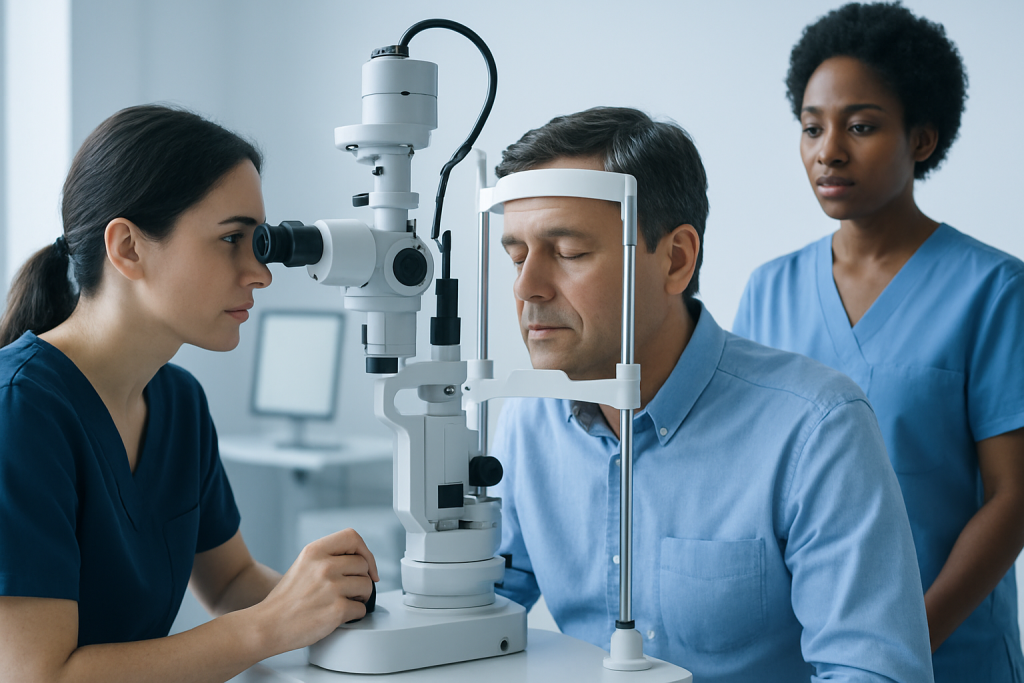
If symptoms are frequent or intense, they should not be written off as “just screen time.” A proper eye examination can identify whether a vision correction update, dry-eye care, or a sleep-focused change would be more useful than blue-light filters alone.
Causes & Risk Factors

It is also worth remembering that daylight itself contains blue light. That exposure is normal and helps regulate alertness and sleep timing during the day. The main concern is not daylight, but the combination of prolonged indoor screen use and late-evening brightness that can interfere with rest or comfort.
International patients sometimes seek care after noticing that symptoms persist even when they have tried common adjustments. In such cases, the underlying cause may be a mix of eye strain, dry eyes, and sleep habits rather than blue light alone. A clinician can sort through those overlapping factors and suggest a realistic plan.
Diagnosis
Eye care professionals may also check for refractive errors, tear film instability, and signs of irritation on the eye surface. These findings are common and treatable, and they often explain symptoms better than blue light itself.
In some cases, the evaluation may extend beyond the eyes if headaches, poor sleep, or concentration problems are part of the picture. That broader view is useful because good management often depends on treating more than one factor at the same time.
Treatment Options
For sleep concerns, the most effective treatment is often behavioral. Reducing screen use before bed, dimming lights in the evening, and keeping a consistent sleep schedule can help the body recognize when it is time to rest. When screens are necessary at night, using night-mode settings and keeping the device a little farther away may be reasonable steps.
Sometimes the best outcome comes from treating the whole routine rather than one light source. For example, a patient who works across time zones may need a combination of sleep guidance, eye comfort strategies, and follow-up after returning home. That kind of coordinated approach can be especially helpful when care is being planned from another country.
Prevention & Self-care
It can also help to build a “wind-down” habit that does not depend on the phone. Reading a paper book, listening to calm audio, or preparing for the next day away from screens can make the evening feel less stimulating. For many people, that change improves sleep more than any filter alone.
If travel is involved, patients may want to plan ahead for jet lag and new time zones, since sleep disruption can amplify sensitivity to bright light. A straightforward schedule, some flexibility during the first days after travel, and advice from a doctor if symptoms are recurring can make the adjustment smoother.
When to See a Doctor
Seeking advice early is not about overreacting; it is about preventing a small problem from becoming a long-term habit. Many people feel better once the real cause is identified and the day-to-day plan is adjusted.
If symptoms are sudden, severe, or accompanied by marked vision changes, urgent evaluation is appropriate. Otherwise, a routine appointment is often enough to clarify what is happening and whether blue-light reduction should be part of a broader care plan.
Frequently asked questions
Is blue light harmful to the eyes?
In normal everyday exposure, blue light is not generally considered harmful in the way people often fear. The more common issue is temporary discomfort from long screen use, dry eyes, or poor lighting conditions. If symptoms persist, an eye exam can help identify the real cause.
Can blue light affect sleep?
Yes, evening light from screens can make it harder for some people to feel sleepy on time. This effect is usually strongest when devices are used close to bedtime and in a dark room. Adjusting screen habits and nighttime lighting often helps.
Do blue-light glasses work?
They may help some people feel more comfortable, especially in the evening, but results vary. They are best viewed as one tool among several, not a complete solution. Screen breaks, better brightness settings, and sleep-friendly habits are often just as important.
How can someone reduce blue light exposure without avoiding devices completely?
A practical approach is to lower brightness, use warmer display settings at night, and take regular breaks. It also helps to avoid using screens right before sleep whenever possible. These changes are usually easier to maintain than trying to eliminate blue light entirely.
When should a doctor be consulted about blue light concerns?
A doctor should be consulted if eye strain, headaches, or sleep problems are frequent or affecting daily life. An evaluation is also important if there is eye pain, redness, blurry vision, or sudden changes in sight. Those signs may point to something more than screen exposure alone.
Is blue light only a problem from phones and computers?
No, blue light is also present in sunlight and many indoor light sources, especially LEDs. That is part of normal daily light exposure. The main concern is usually prolonged evening exposure from bright screens and lights rather than ordinary daytime light.
References
- American Academy of Ophthalmology
- National Eye Institute
- World Health Organization
- Sleep Foundation
- Centers for Disease Control and Prevention
This article is for general information only and is not a substitute for professional medical advice. Please consult a qualified doctor about your individual situation.