Mons Veneris Pubis

Key Takeaways
- The mons veneris pubis is a normal external structure that varies naturally in size, shape, and fullness.
- Swelling, pain, lumps, or skin changes may come from irritation, infection, cysts, injury, or hormone-related changes.
- Diagnosis is usually based on history and physical examination, with imaging or tests only when needed.
- Treatment depends on the cause and may include skin care, infection treatment, or procedures for persistent lumps or excess tissue.
- A clinician should be seen if symptoms are new, worsening, painful, or accompanied by fever, discharge, or rapid change.
The mons veneris pubis is the rounded fatty area above the pubic bone that forms part of external female anatomy. Most changes are benign, but understanding what is normal can help a person know when a medical review is useful.
Overview
The mons veneris pubis, often called the mons pubis, is the soft, rounded area of tissue that sits over the pubic bone. It is made mainly of fatty tissue and skin, and after puberty it is usually covered with pubic hair. As part of external female anatomy, it is completely normal for this area to look different from one person to another.
In everyday life, the mons pubis may not draw much attention until something changes. Some people notice fullness that they have always had and simply want to understand it better. Others seek advice because the area feels tender, appears swollen, develops a lump, or changes after weight shifts, childbirth, menopause, or surgery.
For international patients who are comparing care options from abroad, it helps to know that a clinician can usually assess mons pubis concerns with a straightforward history and examination. Most issues are manageable and not urgent, but a clear explanation can reduce worry and help a person decide whether local follow-up or specialist review is the best next step.
What it looks and feels like in normal anatomy
The mons pubis forms a protective cushion over the pubic bone and the upper part of the external genital area. Its size and shape are influenced by body composition, hormones, age, and genetics. Some people naturally have a fuller, more prominent mons pubis, while others have a flatter contour.
Normal variation can be especially noticeable around puberty, during pregnancy, after delivery, and with changes in overall body weight. The skin may also differ in color, texture, and hair distribution. These differences do not automatically mean that anything is wrong.
A healthy mons pubis should usually feel soft rather than hard, and it should not be persistently painful. Mild sensitivity from friction, shaving, or exercise can happen, but ongoing discomfort, a new mass, or visible inflammation deserves attention from a health professional.
Common symptoms and reasons people seek help

People often seek medical advice because they notice a change rather than because of the mons pubis itself. Common concerns include swelling, a firm or movable lump, redness, skin irritation, itching, tenderness, or discomfort during walking, exercise, or sexual activity. In some cases, the area may seem enlarged after weight gain or pregnancy and become bothersome because of clothing fit or self-image.
Less commonly, symptoms point to an infection, cyst, ingrown hair, abscess, or hernia in the nearby groin region. Pain that is sudden, severe, or associated with fever should be reviewed promptly. A lump that enlarges, becomes hard, or does not improve also deserves medical assessment.
It is also common for people to ask whether a prominent mons pubis is “normal.” In many cases, it is simply a personal anatomical pattern. The main question is whether the area is causing physical symptoms, emotional distress, or a change that is new enough to need evaluation.
Causes and risk factors
Changes in the mons pubis can have several explanations. The most common are benign and relate to body fat distribution, hormonal changes, aging, or pressure and friction from clothing and activity. After weight gain, the area may become fuller; after weight loss, it may become flatter or appear more prominent relative to the surrounding contours.
Skin-related problems are also frequent. Shaving, waxing, tight clothing, sweating, and friction can lead to folliculitis, ingrown hairs, irritation, or small cysts. Infections of the skin or hair follicles can cause redness, warmth, pain, or a localized collection of pus.
Other possible causes include lipomas, epidermoid cysts, enlarged lymph nodes in the groin, or less commonly a hernia or other pelvic or abdominal condition that seems like a mons pubis lump. Hormonal changes, pregnancy, menopause, and certain medical conditions that affect fluid balance or body composition can also influence the appearance of the area.
- Recent weight change
- Pregnancy or childbirth
- Hormonal shifts
- Shaving, waxing, or skin friction
- Prior surgery or local injury
- Recurrent skin infections or cysts
How it is diagnosed
Diagnosis usually starts with a careful discussion of the symptoms, when they began, and whether the area has changed over time. A clinician may ask about pain, discharge, fever, recent skin care practices, sexual health, weight changes, pregnancy history, and any previous lumps or procedures in the region.
A physical examination is often enough to identify common causes. The clinician will look at the skin, feel the tissue for a lump or tenderness, and consider whether the problem seems to involve the mons pubis itself or a nearby structure such as the groin or abdominal wall.
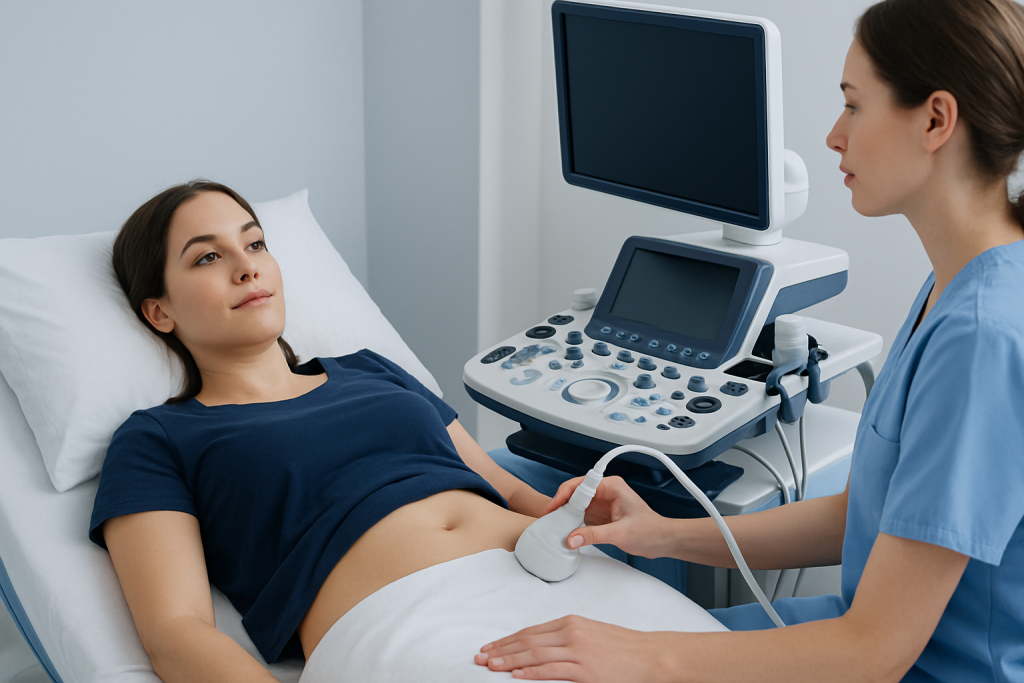
If the findings are not clear, ultrasound or other imaging may be recommended. Tests are sometimes used when infection, a hernia, or another internal cause is suspected. The goal is not to over-test, but to match the examination to the specific concern so the person can get the right explanation and treatment.
Treatment options
Treatment depends entirely on the cause. Simple irritation may improve with avoiding friction, wearing looser clothing, pausing shaving or waxing, and using gentle skin care. Ingrown hairs or mild folliculitis may settle with local care, while more significant infection can require prescribed treatment from a clinician.
For cysts, abscesses, or other localized lumps, the approach may range from observation to drainage or removal, depending on size, symptoms, and whether the lesion returns. A lipoma is often monitored if it is harmless and not growing, while any mass that changes rapidly may need further assessment.
When a person is bothered by persistent fullness of the mons pubis after weight changes, childbirth, or aging, procedures may sometimes be discussed. These are usually considered only after a thorough medical review and a clear understanding of goals, recovery time, and possible risks. For international patients, it is especially important to plan follow-up before travel, because healing and wound checks may be needed after returning home.
Prevention and self-care
Not every change can be prevented, but a few habits can reduce irritation and skin problems. Gentle cleansing, breathable underwear, and avoiding repeated rubbing from tight garments can help. If shaving is a trigger, taking a break or using a less irritating hair-removal approach may reduce ingrown hairs and follicle inflammation.
It also helps to notice patterns. If swelling worsens after exercise, prolonged sitting, or heat, the person can track when symptoms appear and share that information with a clinician. This can be useful when deciding whether the issue is mainly skin-related, hormonal, or related to another condition.
Self-care should stay conservative. Warm compresses may soothe minor discomfort, but popping bumps, squeezing lumps, or applying harsh products can make problems worse. A medical review is the safer choice when a change does not settle within a reasonable time or keeps returning.
When to see a doctor
A doctor should be consulted if the mons pubis area is painful, red, hot, rapidly enlarging, or associated with fever or drainage. New lumps, especially those that feel hard, fixed, or persistent, should be assessed rather than watched indefinitely.
Medical advice is also appropriate if the change affects walking, exercise, hygiene, sexual comfort, or emotional well-being. Even when the issue is not dangerous, a professional explanation can help distinguish normal variation from a condition that may benefit from treatment.
If a person is traveling for care, it is sensible to seek evaluation before departure when possible, or to arrange follow-up plans with a clinician who can review healing after treatment. Acibadem Health Point’s multidisciplinary specialists and JCI-accredited hospitals can diagnose and treat mons pubis-related concerns for international patients in a coordinated setting, when specialized care is needed.
Living with normal variation and reassuring perspective
Many people are surprised to learn how much variation exists in the mons pubis. Its appearance is shaped by individual anatomy, hormones, body composition, and life stage, so there is no single ideal contour. In most cases, a fuller or flatter mons pubis is simply part of a person’s natural body.
The more useful question is whether a change is new, painful, or linked with other symptoms. When those signs are absent, reassurance and simple self-care are often enough. When they are present, a focused medical review can usually identify the reason and outline sensible next steps.
With clear information, most people can approach this part of anatomy without embarrassment or uncertainty. Understanding what is normal makes it easier to recognize when a clinician’s advice would be helpful and when no treatment is needed at all.
Frequently asked questions
What is the mons veneris pubis?
The mons veneris pubis is the rounded fatty area above the pubic bone and in front of the external genital region. It is a normal part of female anatomy and varies widely from person to person.
Is a prominent mons pubis normal?
Yes, it can be completely normal. The size and shape are influenced by genetics, body weight, hormones, and age, so a fuller mons pubis does not automatically mean there is a problem.
What can cause swelling or a lump in the mons pubis area?
Common causes include irritation, ingrown hairs, cysts, lipomas, skin infection, or changes related to weight or hormones. A clinician may consider nearby groin or abdominal causes if the exam suggests something beyond the skin and fat tissue.
Can the mons pubis change after pregnancy or weight loss?
Yes, it often can. Pregnancy, childbirth, weight gain, and weight loss may all change the amount of fullness or the way the area looks and feels.
How is a mons pubis problem diagnosed?
Diagnosis usually begins with a discussion of symptoms and a physical examination. Imaging or other tests are only needed if the cause is unclear or if a deeper lump or hernia is being considered.
When should someone seek medical care for this area?
Medical care is recommended if there is pain, redness, warmth, fever, drainage, or a lump that is new, growing, or not going away. It is also worth seeing a doctor if the change is causing significant concern or affecting daily comfort.
References
- American College of Obstetricians and Gynecologists
- Merck Manual Professional Edition
- Mayo Clinic
- MedlinePlus
- Cleveland Clinic
This article is for general information only and is not a substitute for professional medical advice. Please consult a qualified doctor about your individual situation.