Blackhead Removal: Causes, Treatments and Prevention

Key Takeaways
- Blackheads form when a pore is blocked with oil, dead skin cells, and debris, then darkens after exposure to air.
- Gentle cleansing, non-comedogenic products, and targeted acne treatments can help reduce new blackheads.
- Squeezing or picking can irritate the skin, worsen inflammation, and increase the risk of marks.
- A dermatologist may recommend professional extraction or prescription treatment when over-the-counter care is not enough.
- People with sensitive skin or active acne should choose a removal plan that protects the skin barrier.
- Consistent aftercare matters, especially for patients who are traveling for treatment and need clear follow-up instructions.
Medically reviewed by the Acıbadem clinical team — August 19, 2026
Blackheads are a common form of acne that happen when pores become clogged and the top surface of the plug darkens. Most cases can be managed with gentle skin care and evidence-based treatments, while persistent or widespread blackheads may benefit from a dermatologist’s guidance.
Overview
Blackheads are one of the most familiar forms of acne, and they often show up on the nose, forehead, chin, and back. They are not caused by dirt sitting on the skin; instead, they form when a pore becomes plugged with oil and dead skin cells. The dark appearance comes from the plug reacting with air at the skin’s surface.
For many people, blackhead removal starts at home with the right skin-care routine. For others, especially those with repeated clogged pores, treatment is more effective when it is tailored by a dermatologist. The goal is not just to clear what is already visible, but also to reduce the chance of new blackheads forming.
Because blackheads can look simple on the surface, it is easy to assume they should be squeezed away. In practice, the safest approach is usually gentler and more methodical. Skin that is irritated too often may become red, sensitive, or prone to breakouts, which is why a calm, evidence-based routine matters.
Symptoms
Blackheads usually appear as small dark or black dots on the skin. They are often flat or only slightly raised, and they tend to cluster in oily areas where pores are more active. Unlike inflamed acne pimples, blackheads do not usually feel tender unless the skin has been irritated by picking or harsh products.
Some people also notice whiteheads, oily skin, and larger pores at the same time. These features can point to comedonal acne, a pattern in which pores clog more easily. In some cases, blackheads are more visible after sweating, using thick cosmetics, or wearing products that are not designed to be non-comedogenic.
- Small dark plugs in pores
- Oily shine or frequent clogged pores
- Blackheads on the nose, chin, forehead, chest, or back
- Skin irritation from squeezing or over-exfoliating
If the skin becomes painful, very red, or develops deeper breakouts, the problem may be broader than simple blackheads. That is often the point where a professional evaluation becomes useful.
Causes & Risk Factors
Blackheads develop when sebum, dead skin cells, and debris accumulate inside a pore. If the upper part of the blockage stays open, oxygen can darken the material at the surface. This is why blackheads are considered open comedones.
Several factors can make clogged pores more likely. Hormonal changes, naturally oily skin, heavy or pore-clogging skin products, and some acne-prone skin patterns all play a role. Blackheads are also more common in people who have a family history of acne or who notice breakouts during stress or hormonal shifts.
Common contributors include:
- Excess oil production
- Build-up of dead skin cells
- Comedogenic makeup or skin-care products
- Hormonal fluctuations, including puberty
- Heat, sweating, and friction from masks or helmets
- Inconsistent cleansing or over-cleansing that irritates the skin
Travel, climate changes, and shifts in daily routine can also influence the skin. International patients sometimes notice that long flights, new humidity levels, or different water and product routines affect clogged pores temporarily.
Diagnosis
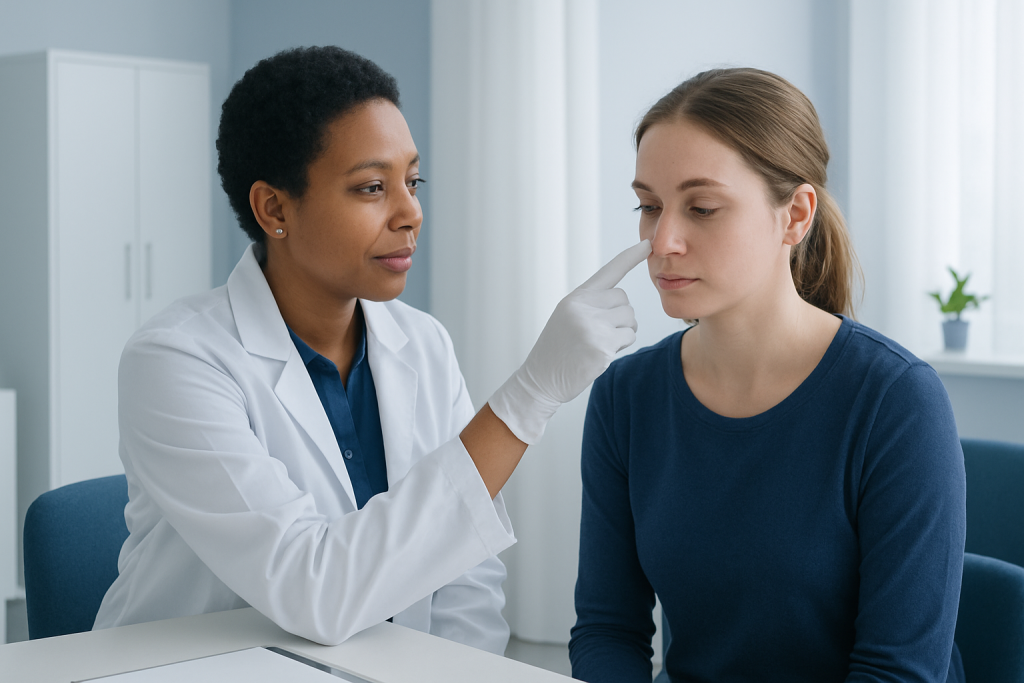
Blackheads are usually diagnosed with a skin examination. A clinician can often identify them by their appearance and by checking whether they are part of a wider acne pattern. Most people do not need complex testing unless the skin changes are unusual or the diagnosis is uncertain.
During the visit, the clinician may ask about current skin-care products, recent changes in routine, menstrual or hormonal patterns, medications, and whether the patient has been picking at the skin. These details help distinguish simple blackheads from other conditions that can mimic clogged pores.
For patients seeking care while traveling, it is helpful to bring a list of products already tried and, if possible, clear photos of the skin at its worst. That information can make the assessment more efficient and support a practical treatment plan that continues smoothly after returning home.
Treatment Options
Blackhead treatment usually combines pore-clearing ingredients with habits that prevent new blockages. A dermatologist may suggest topical retinoids, salicylic acid, or other acne-directed treatments depending on skin type and tolerance. These therapies work over time, so consistency is usually more important than strength.
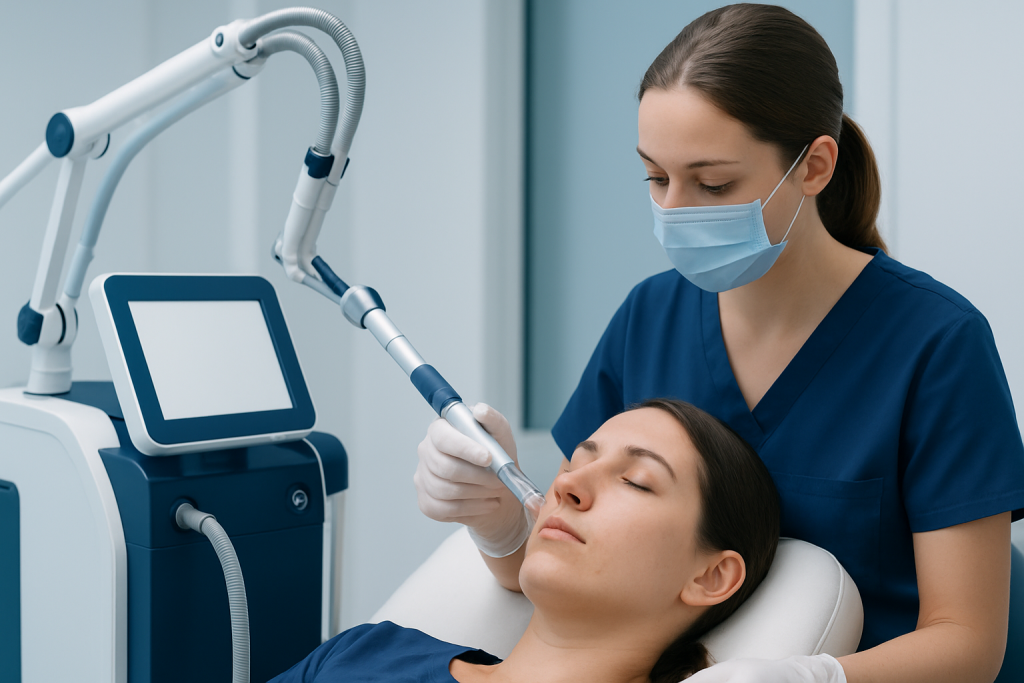
Professional extraction can remove stubborn blackheads safely when done by a trained clinician under clean conditions. This may be useful for isolated, resistant clogged pores or for patients who want a faster cosmetic improvement. However, extraction is generally best paired with maintenance treatment, because the pore can clog again if the underlying pattern is not addressed.
Some people need a broader acne plan if blackheads coexist with inflamed pimples, enlarged pores, or recurring breakouts. In those cases, a dermatologist may recommend a stepwise regimen that balances effectiveness with skin comfort. Harsh scrubs, aggressive squeezing tools, and repeated pore strips are usually not the most reliable long-term solution.
Useful treatment approaches may include:
- Gentle cleansers and non-comedogenic moisturizers
- Topical retinoids to help prevent clogged pores
- Salicylic acid or similar exfoliating ingredients
- Professional comedone extraction when appropriate
- Prescription acne treatment for more persistent cases
Prevention & Self-care
Once blackheads are under better control, the daily routine matters just as much as the treatment itself. A simple, steady approach usually works better than frequent product switching. The skin does not need to feel stripped or squeaky-clean to be healthy.
Patients are often encouraged to cleanse gently, use makeup and sunscreens that are labeled non-comedogenic, and avoid heavy products that can trap oil. If a product seems to worsen clogged pores, stopping it and reviewing the ingredient list can be helpful. Skin barrier care also matters, especially for people who use acne treatments that may cause dryness.
Practical self-care steps include:
- Wash the face gently, especially after sweating
- Avoid picking, pinching, or using sharp tools on blackheads
- Choose lightweight, non-comedogenic cosmetics and moisturizers
- Introduce active ingredients gradually to reduce irritation
- Use sunscreen that does not feel greasy or heavy
- Keep pillowcases, phone screens, and makeup brushes clean
For patients traveling for treatment, written aftercare helps a great deal. A clear routine for cleansing, product timing, and follow-up makes it easier to continue care across time zones and climates.
When to See a Doctor
Medical advice is useful when blackheads keep returning despite a careful routine, or when the skin becomes inflamed, painful, or emotionally distressing. A dermatologist can confirm whether the issue is simple comedonal acne or part of a broader pattern that needs prescription treatment. Early guidance often prevents repeated irritation from trial-and-error care.
It is also wise to seek evaluation if blackheads appear suddenly in large numbers, if the skin reacts strongly to over-the-counter products, or if there are signs of scarring or dark marks. People with darker skin tones may especially benefit from early, gentle treatment because inflammation can sometimes leave more noticeable discoloration.
Patients planning treatment abroad may appreciate seeing a team that can assess the skin, perform procedures if needed, and provide a follow-up plan that continues after travel. Acibadem Health Point’s multidisciplinary specialists and JCI-accredited hospitals can diagnose and treat this condition for international patients in a coordinated way.
Recovery and Follow-up
Recovery after blackhead treatment is usually straightforward, but the skin may be temporarily sensitive, pink, or dry. This is especially true after professional extraction or when active ingredients such as retinoids are introduced. A calmer routine for a few days often helps the skin settle.
Follow-up matters because blackhead care is rarely a one-time event. The most effective plan often includes checking whether the skin is improving, adjusting products that cause irritation, and deciding whether additional extraction or prescription therapy is needed. For patients returning home after in-person treatment, a written plan with product names and timing can make continuity easier.
If treatment is being done internationally, it can be helpful to know in advance how follow-up questions will be handled. That may include telemedicine check-ins, a local dermatologist for ongoing care, or a schedule for repeating procedures if recommended. Consistent follow-up is what turns a short-term improvement into a stable routine.
Frequently asked questions
What is the safest way to remove blackheads at home?
The safest home approach is usually gentle cleansing plus acne products that help keep pores clear, such as salicylic acid or a retinoid if appropriate for the skin. Squeezing or using sharp tools is best avoided because it can irritate the skin and lead to marks. If a product stings or causes significant dryness, it should be reviewed with a clinician.
Do pore strips remove blackheads permanently?
Pore strips may lift some surface oil and debris, but they do not prevent pores from clogging again. They can also be irritating for some skin types. For ongoing blackhead control, a longer-term routine is usually more effective than a one-time strip.
Are blackheads the same as acne?
Blackheads are one type of acne, specifically open comedones. Some people have only blackheads, while others also develop whiteheads, pimples, or deeper inflamed lesions. The treatment plan depends on which pattern is present.
Can blackheads be professionally removed?
Yes. A trained clinician can remove stubborn blackheads with professional extraction in a clean medical setting. This is often most helpful when blackheads are resistant, widespread, or part of a broader acne pattern that also needs treatment.
Why do blackheads keep coming back?
They often return when the pore stays prone to clogging, especially if oil production, skin products, or hormonal changes are still contributing. Maintenance treatment is usually needed even after the visible blackheads are cleared. A dermatologist can help identify the main trigger and adjust the plan.
When should someone stop self-treating and see a dermatologist?
It is a good idea to see a dermatologist if blackheads are persistent, painful, leaving marks, or causing significant stress. Professional advice is also useful if over-the-counter products have not helped or if the skin becomes irritated easily. A tailored plan is usually kinder to the skin than repeated trial and error.
References
- American Academy of Dermatology
- National Institute of Arthritis and Musculoskeletal and Skin Diseases
- Mayo Clinic
- British Association of Dermatologists
This article is for general information only and is not a substitute for professional medical advice. Please consult a qualified doctor about your individual situation.
Explore treatments in Turkey — costs, top hospitals & a free quote
JCI-accredited · board-certified surgeons · reply within 24h
Add us as a Preferred Source to see more of our trusted health content across Google Search, AI Overviews and Discover.