Ingrown Hair Treatment

Key Takeaways
- Ingrown hairs are common after shaving, waxing, or any hair removal method that leaves short, sharp hair tips.
- Symptoms often include small bumps, redness, tenderness, itching, or a visible trapped hair.
- Gentle skin care and changes in hair-removal habits can help both treat current bumps and prevent new ones.
- Do not pick, squeeze, or dig at the area, since this can worsen irritation or cause infection.
- A doctor should assess bumps that are very painful, spreading, repeatedly recurring, or showing signs of infection.
Ingrown hairs happen when a hair curls back into the skin or grows sideways, creating a small bump that may itch, hurt, or become inflamed. Most cases improve with gentle care, but persistent or infected areas may need medical treatment.
Overview
An ingrown hair forms when a hair that should grow outward instead turns back into the skin or grows beneath the surface. The result is usually a small raised bump, sometimes with a hair visible inside, and the area may look red or feel sore.
Although ingrown hairs are often minor, they can be frustrating because they tend to appear in places where hair is shaved, waxed, or closely trimmed, such as the beard area, neck, legs, underarms, pubic area, and chest. For someone traveling for work or treatment, they can also become inconvenient when clothing friction, sweating, or repeated grooming makes the skin more reactive.
The goal of ingrown hair treatment is simple: calm the skin, help the trapped hair release naturally, and reduce the chance of infection or recurrence. Most cases do not need a procedure, but a clinician may recommend treatment when inflammation is persistent or when the diagnosis is not clear.
Symptoms
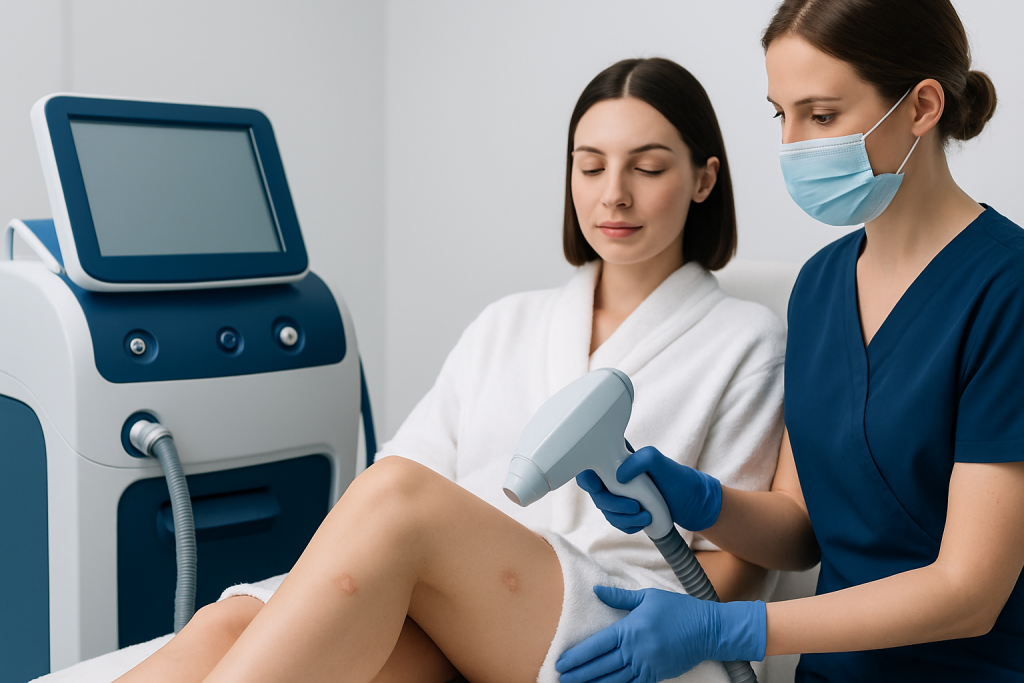
The appearance of an ingrown hair can vary from one person to another. Some bumps stay small and barely noticeable, while others become more inflamed and tender. In many cases, the area itches before it becomes red or painful.
Common signs include a small bump that may resemble a pimple, a dark spot where the trapped hair is visible, mild swelling, or a sensation of irritation after shaving. If the bump becomes infected, it may fill with pus, become warmer, or spread redness to the surrounding skin.
- Small raised bump near a hair follicle
- Redness or darker discoloration around the bump
- Itching, tenderness, or mild pain
- A visible curled or trapped hair
- Occasionally pus, crusting, or increasing warmth if infected
Repeated bumps in the same area can leave dark marks or small scars over time. That is one reason early, gentle care is preferable to squeezing, scratching, or trying to extract the hair at home with sharp tools.
Causes & Risk Factors

Ingrown hairs happen when the tip of a hair grows back into the skin or when the hair shaft cannot exit the follicle cleanly. This is more likely when the hair is cut very short and ends up sharp, when dead skin blocks the opening, or when friction pushes the hair sideways.
Hair removal practices are a major trigger. Close shaving, waxing, tweezing, and repeated trimming can all contribute, especially if the skin is dry or irritated. Curly or coarse hair types may be more prone to curling back into the skin, but anyone can develop an ingrown hair.
Several factors can increase the chance of recurrence:
- Shaving against the direction of hair growth
- Using a dull blade or shaving too closely
- Tight clothing that rubs the skin
- Dry skin or buildup of dead skin cells
- Friction from exercise, sitting, or repeated movement
- A history of follicle inflammation or ingrown hairs in the same region
People preparing for a procedure, return flight, or an extended trip often notice that routine changes can worsen skin irritation. Adjusting grooming habits before travel and keeping the skin calm during recovery periods may reduce flare-ups.
Diagnosis
Most ingrown hairs are diagnosed by a simple skin examination. A clinician usually looks at the bump, asks about shaving or hair-removal habits, and checks whether the lesion is consistent with a trapped hair rather than another condition such as acne, folliculitis, a cyst, or a skin infection.
Testing is rarely needed. If bumps are frequent, widespread, unusually painful, or slow to heal, a doctor may consider whether another skin problem is contributing. In some cases, the pattern of recurrence helps guide the diagnosis more than any single exam finding.
For patients seeking care from another country, the assessment may include photos sent in advance, an in-person skin check after arrival, and a plan for follow-up once they return home. That continuity matters when a skin issue is linked to grooming routines, work demands, or a procedure-related recovery period.
Treatment Options
Most ingrown hairs improve with conservative care. The skin is often allowed to release the hair on its own, while inflammation settles with time. Gentle exfoliation, warm compresses, and stopping the shaving method that triggered the bump are common first steps.
Helpful approaches may include:
- Applying a warm compress to soften the skin and encourage the hair to emerge
- Gently cleansing the area and keeping it dry afterward
- Using mild exfoliation only if the skin is not open or very irritated
- Pausing shaving or waxing until the skin calms down
- Wearing looser clothing to reduce rubbing
If a clinician sees a visible trapped hair near the surface, it may sometimes be lifted out carefully with sterile technique. This should be done by a medical professional when the hair is deeply embedded, the area is infected, or the bump is recurring. Antibiotic or anti-inflammatory treatment may be considered if there are signs of infection or significant irritation, but the choice depends on the individual situation.
People with frequent ingrown hairs may also benefit from a long-term strategy rather than treating each bump as it appears. That strategy can include reviewing shaving technique, changing the type of razor, spacing out hair removal, or discussing other options for hair reduction with a dermatologist.
Prevention & Self-care
Prevention is often easier than treatment. Small changes in grooming habits can make a noticeable difference, especially for people who shave regularly or who have recurring bumps in the same areas.
Useful self-care habits include shaving with the direction of hair growth, avoiding overly close shaves, using a clean and sharp blade, and preparing the skin with water or a gentle cleanser before shaving. Moisturizing afterward can also help reduce dryness and friction.
Additional steps may help lower the risk of return visits from the same problem:
- Exfoliate gently and not aggressively
- Avoid picking at bumps or trying to squeeze them
- Reduce tight waistbands, collars, or friction-heavy fabrics when possible
- Change razors regularly and keep shaving tools clean
- Consider alternative hair-removal methods if a method repeatedly causes irritation
For international patients, prevention plans should be realistic across different climates, hotel showers, gym routines, and recovery schedules. A plan that works at home but fails during travel is not a good plan, so it helps to choose simple habits that can be followed consistently.
When to See a Doctor
Medical evaluation is sensible when an ingrown hair does not improve after several days of gentle care, keeps returning, or becomes increasingly painful. A doctor should also assess the area if it looks infected, if there is spreading redness, or if the bump is large and firm rather than small and superficial.
Prompt medical advice is especially important if the person has diabetes, poor wound healing, immune suppression, or a history of significant skin infections. In these situations, even a small irritated follicle can deserve closer attention.
A dermatologist can help distinguish ingrown hairs from similar skin problems and suggest a plan that fits the patient’s skin type, hair pattern, and lifestyle. For people planning treatment abroad, Acibadem Health Point’s multidisciplinary specialists and JCI-accredited hospitals can diagnose and treat ingrown hair and related skin conditions for international patients, with follow-up arranged as part of the care plan.
Seek help sooner if the bump is very painful, there is pus, fever develops, or the surrounding skin becomes increasingly warm or swollen.
Living Well with Recurrent Ingrown Hairs
When ingrown hairs keep returning, the problem is often less about a single bump and more about a repeat pattern in skin care or hair removal. In that case, the best treatment is usually a long view: identify the trigger, adjust the routine, and protect the skin barrier.
Patients often do better when they treat the area gently for a few weeks and then reintroduce hair removal more cautiously. That may mean longer intervals between shaves, different tools, or a dermatologist-guided plan for hair-prone areas that are repeatedly inflamed.
If the bumps are leaving marks, itching for long periods, or affecting comfort and confidence, a clinician can help tailor care. Persistent skin irritation is common and manageable, and most people improve once the underlying pattern is recognized.
Frequently asked questions
What is the best ingrown hair treatment at home?
The most helpful home care is usually warm compresses, gentle cleansing, and stopping the shaving method that caused the bump. The area should not be picked or squeezed, since that can worsen irritation. If the hair is close to the surface, it may release naturally over time.
Should an ingrown hair be popped like a pimple?
No, it is better not to pop or dig at it. Doing so can push bacteria deeper into the skin and increase the risk of scarring or infection. Gentle care is safer, and a clinician can remove a deeply trapped hair if needed.
How long does an ingrown hair usually last?
Many ingrown hairs settle within a few days to a couple of weeks if the skin is left alone and friction is reduced. Deeper or repeatedly irritated bumps may last longer. If the area is not improving, a doctor should assess it.
Can ingrown hairs become infected?
Yes, they can. Signs of infection include pus, increasing pain, warmth, and redness that spreads beyond the bump. Medical care is advisable if those changes appear.
What shaving habits help prevent ingrown hairs?
Shaving in the direction of hair growth, using a sharp clean blade, and avoiding an overly close shave can lower the chance of recurrence. It also helps to prepare the skin beforehand and moisturize afterward. People with frequent ingrown hairs may need to adjust the frequency or method of hair removal.
Are ingrown hairs the same as folliculitis?
They can look similar, but they are not always the same. An ingrown hair is a hair growing back into the skin, while folliculitis is inflammation of a hair follicle that may be caused by irritation or infection. A clinician can tell the difference if the bumps are persistent or unclear.
References
- American Academy of Dermatology
- Mayo Clinic
- NHS
- Cleveland Clinic
This article is for general information only and is not a substitute for professional medical advice. Please consult a qualified doctor about your individual situation.