Freckles: Causes, Prevention and Treatment

Key Takeaways
- Freckles are small areas of concentrated pigment that often darken with ultraviolet exposure.
- Genetics and sun sensitivity both play a major role in who develops freckles.
- Freckles are usually harmless, but changing, irregular, or new spots should be checked by a dermatologist.
- Daily sun protection can help prevent freckles from becoming darker and may reduce new ones forming.
- Treatments can lighten freckles, but results vary and sun protection remains essential.
Medically reviewed by the Acıbadem clinical team — August 19, 2026
Freckles are common, usually harmless pigment spots that often become more noticeable with sun exposure. Understanding why they appear and how to care for skin with freckles can help people make confident, sensible choices about protection and treatment.
Overview
Freckles are one of the most familiar skin features, yet they are often misunderstood. They are small spots of pigment that usually appear on sun-exposed areas such as the face, shoulders, arms, and upper chest. Many people notice them in childhood or adolescence, especially after time outdoors.
From a medical perspective, freckles are generally benign. They are not a disease, and they do not usually cause symptoms. What they do signal is how the skin responds to light: in some people, pigment cells produce more melanin when exposed to ultraviolet radiation, and that extra pigment can show up as freckles.
For international patients considering cosmetic skin care, freckles are often part of a broader conversation about skin tone, sun damage, and long-term protection. A dermatologist can help distinguish freckles from other pigment changes and suggest options that fit a person’s skin type and goals.
What freckles look like
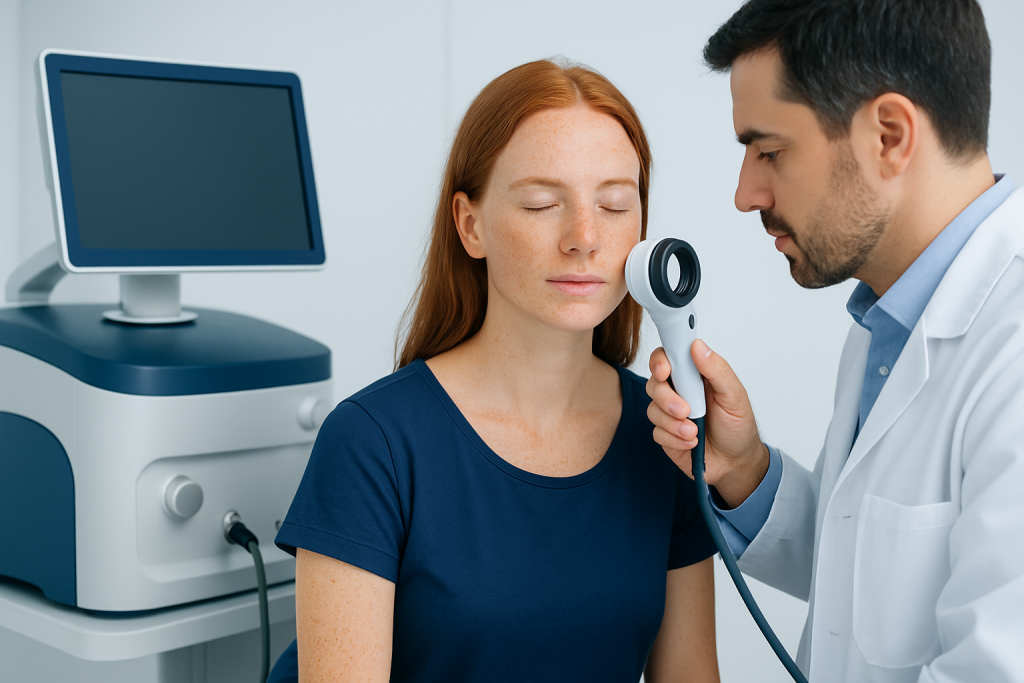
Freckles are typically flat, round, and small, with a light tan, brown, or reddish-brown color. They often become more visible in summer and fade somewhat in winter, especially if sun exposure decreases. This seasonal pattern is a useful clue that the spots are freckles rather than another type of pigmentation.
They are most common on lighter skin, but anyone can develop pigment changes related to sun exposure or inherited skin traits. Freckles tend to appear in groups and are usually more noticeable in people who burn easily or have a family history of similar skin features.
It can help to think of freckles as a skin response rather than a flaw. Many people never need treatment. Others seek evaluation because they want to know whether their spots are truly freckles, whether they are safe, or whether lightening treatments might be appropriate.
Causes and risk factors

Two major factors drive freckles: genetics and ultraviolet light. Some people inherit skin that is more likely to produce freckles after sun exposure. In these cases, freckles may appear early in life and become more obvious after outdoor activities, vacations, or prolonged time in the sun.
Sun exposure is the strongest external trigger. Ultraviolet rays stimulate melanocytes, the cells that produce pigment, which can lead to darker or more visible spots. This is why freckles often appear on areas that receive the most light, while covered skin may stay clear.
Common factors associated with freckles include:
- Fair or sun-sensitive skin
- Family history of freckles
- Frequent sun exposure or tanning
- History of sunburns
- Skin that reddens before tanning
Freckles are not caused by poor hygiene, and they are not contagious. They also are different from age spots and some forms of post-inflammatory hyperpigmentation, which may need a separate approach.
How freckles are diagnosed
In most cases, freckles are diagnosed by a visual skin examination. A dermatologist looks at the pattern, color, size, and location of the spots and considers the person’s age, skin type, sun history, and whether the spots change with the seasons. This is often enough to identify freckles with confidence.
If a spot looks unusual, the clinician may use dermoscopy, a tool that magnifies the skin and can reveal details not visible to the naked eye. This can help distinguish freckles from moles, lentigines, or other pigmented lesions that may need closer observation.
When a spot is changing, asymmetrical, irregularly colored, or simply not matching the pattern of freckles elsewhere, a doctor may recommend further assessment. The goal is not to alarm, but to be careful about any pigment change that does not fit the typical picture.
Treatment options
Freckles do not require treatment for medical reasons, but some people choose to lighten them for cosmetic reasons. The most common first step is a strong sun-protection routine, because this reduces how dark freckles become and helps prevent new ones from appearing.
Dermatologists may suggest topical brightening agents or procedures such as chemical peels, laser treatments, or intense pulsed light, depending on skin type and the nature of the pigmentation. These treatments may improve the appearance of freckles, but results vary, and spots can return if the skin is exposed to sun without protection.
Because every skin tone reacts differently, treatment should be individualized. People traveling for care often benefit from a consultation that reviews their skin history, current medications, and expected recovery time, especially if they will be returning home soon after treatment.
Prevention and self-care
The most practical way to manage freckles is to protect skin from ultraviolet light every day, not only on sunny holidays. Regular use of broad-spectrum sunscreen, along with hats, sunglasses, and shade, can help reduce the darkening of freckles and support overall skin health.
Self-care also includes noticing patterns. If freckles become more numerous or more visible after sun exposure, that is a sign that the skin is responsive to ultraviolet light. People who spend time outdoors should be especially consistent with protective habits, even on cloudy days or during cooler seasons.
Helpful habits include:
- Applying broad-spectrum sunscreen daily
- Reapplying after swimming or sweating
- Wearing protective clothing and a wide-brimmed hat
- Avoiding tanning beds
- Checking the skin regularly for new or changing spots
For patients recovering after cosmetic skin procedures, aftercare instructions matter just as much as the treatment itself. A dermatologist’s guidance on cleansing, sun avoidance, and follow-up visits helps protect results and lower the chance of irritation.
When to see a doctor
Most freckles are harmless, but a medical review is sensible if a spot changes in a noticeable way. A dermatologist should examine any pigmented area that becomes asymmetric, develops uneven borders, changes color, grows rapidly, bleeds, itches persistently, or looks different from the surrounding freckles.
It is also wise to seek an assessment if someone is unsure whether a spot is truly a freckle. People sometimes use the word casually for many different skin marks, including moles, sun spots, and other pigment changes. A quick professional evaluation can bring clarity and help guide the right next step.
Acibadem Health Point’s multidisciplinary specialists and JCI-accredited hospitals can diagnose and treat pigment-related skin concerns for international patients, with care plans that account for travel, timing, and follow-up. A brief consultation can help determine whether reassurance, monitoring, or treatment is the most appropriate path.
Living well with freckles
Freckles are often part of an individual’s natural skin pattern, and many people simply choose to protect and monitor them rather than treat them. That approach is reasonable when the spots are stable and clearly fit the usual appearance of freckles.
For others, freckles may be a cosmetic concern or a reminder of how strongly the skin reacts to sunlight. In those cases, a dermatologist can discuss treatment options while also reinforcing habits that protect the skin over the long term. The most durable result usually comes from combining any procedure with thoughtful sun care.
Whether someone is seeking reassurance, a clearer diagnosis, or a treatment plan before or after travel, the best outcome comes from individualized advice rather than one-size-fits-all recommendations. Skin pigmentation is personal, and good care should reflect that.
Frequently asked questions
Are freckles the same as sun spots?
Not exactly. Freckles are usually genetic and become more noticeable with sun exposure, while sun spots often develop later in life from cumulative ultraviolet damage. A dermatologist can tell the difference by looking at the pattern and appearance of the spots.
Do freckles mean the skin is unhealthy?
No, freckles are usually a normal skin feature and are not harmful on their own. They do indicate that the skin is sensitive to sun exposure, so protection is still important.
Can freckles go away on their own?
Some freckles fade when sun exposure decreases, especially in cooler months. Others remain visible to some degree, particularly in people who naturally freckle easily.
What is the safest way to lighten freckles?
Sun protection is the safest and most important step. If someone wants more noticeable lightening, a dermatologist can discuss topical or procedure-based options that suit the skin type and goals.
How can someone tell a freckle from a mole?
Freckles are usually flat and light brown, while moles may be raised and have a different texture or color. Any spot that changes, grows, or looks irregular should be checked by a doctor.
Should freckles be checked before cosmetic treatment?
Yes, especially if there is any uncertainty about the diagnosis. A proper skin examination helps ensure that treatment is appropriate and that more serious spots are not missed.
References
- American Academy of Dermatology
- Mayo Clinic
- National Cancer Institute
- DermNet NZ
- British Skin Foundation
This article is for general information only and is not a substitute for professional medical advice. Please consult a qualified doctor about your individual situation.
Joint and spine care in Turkey — expert assessment & treatment
JCI-accredited · board-certified surgeons · reply within 24h
Add us as a Preferred Source to see more of our trusted health content across Google Search, AI Overviews and Discover.