Black Blackhead

Key Takeaways
- Black blackheads are usually open comedones, a mild form of acne.
- Their dark color comes from oxidation at the pore opening, not from poor hygiene.
- Oily skin, hormones, cosmetics, and pore-clogging products can make them more noticeable.
- Gentle cleansing, non-comedogenic products, and evidence-based acne treatments can help.
- A dermatologist should assess persistent, widespread, inflamed, or treatment-resistant blackheads.
Black blackheads are common clogged pores that look dark because the material inside the pore is exposed to air, not because the skin is dirty. With the right skincare, gentle removal, and medical guidance when needed, they can usually be managed effectively.
Overview
Despite the unusual phrase, a “black blackhead” is usually a straightforward blackhead: a clogged pore that has darkened at the surface. The black color does not mean the pore contains dirt. It usually appears when oil, dead skin cells, and debris are exposed to air and oxidize.
Blackheads are classified as open comedones, a mild type of acne. They often appear on the nose, chin, forehead, chest, or back, especially in people with oily skin or frequent pore blockage. For international patients traveling for dermatology care, they are also one of the most common concerns brought up during a consultation because they are visible, recurring, and often frustrating even when they are not medically serious.
Although blackheads can be treated at home, repeated squeezing or harsh scrubbing often makes the skin more irritated and can enlarge the look of the pores. A careful, consistent approach tends to work better than aggressive treatment.
Symptoms
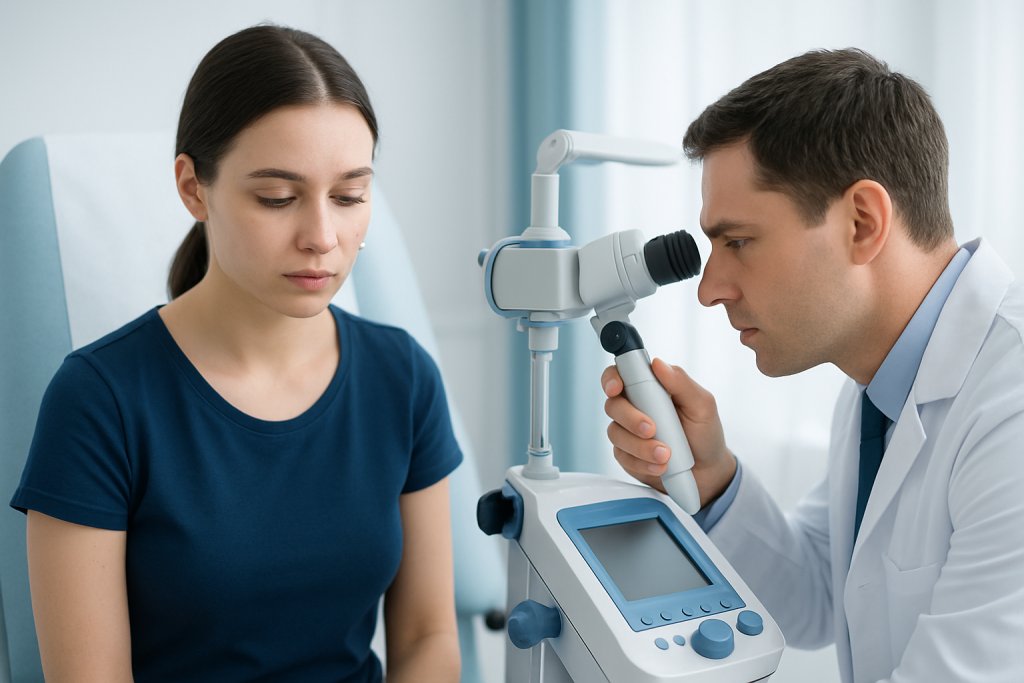
Blackheads are usually easy to recognize. They look like small dark dots at the skin’s surface, most often with a slightly raised texture. Unlike pimples that are red and tender, blackheads are typically not painful unless the surrounding skin becomes irritated.
Common features include:
- Small black or dark brown bumps
- Open pores with a plug of material inside
- A rough or uneven skin surface
- Clusters on the nose, chin, forehead, or back
- Occasional combination with whiteheads or inflamed acne lesions
Some people notice that the black spots become more visible after sweating, using heavy makeup, or during hormonal changes. If the area becomes red, swollen, or painful, the issue may no longer be a simple blackhead and may need medical evaluation.
Causes & Risk Factors

Blackheads form when a pore becomes blocked by excess sebum, dead skin cells, and sometimes makeup or environmental debris. Because the pore remains open at the top, the contents are exposed to air and darken over time. This process is why blackheads look black even when the skin is clean.
Several factors can increase the chance of developing them. Oily or combination skin, changing hormone levels, certain cosmetics and hair products, and not removing sunscreen or makeup thoroughly may all contribute. People with acne-prone skin also tend to have more frequent comedones.
Risk can be higher when pores are repeatedly irritated. That includes over-exfoliating, picking, using strong astringents too often, or relying on heavy creams that are not labeled non-comedogenic. Family tendency may also play a role, as some people naturally produce more oil or develop clogged pores more easily.
Diagnosis
In most cases, a blackhead is diagnosed through a simple skin examination. A clinician looks at the pattern, location, and appearance of the spots and checks whether there are signs of acne, folliculitis, eczema, or another skin condition that can mimic comedones.
When a patient is planning care from another country, the consultation usually focuses on a few practical questions: how long the lesions have been present, what skincare products are being used, whether there is active acne elsewhere, and whether any medicines or hormones may be affecting the skin. This helps the dermatologist choose a treatment plan that fits both skin type and travel schedule.
Tests are rarely needed for ordinary blackheads. If the lesions are unusual, widespread, or resistant to standard care, a dermatologist may consider a closer skin assessment or additional testing to rule out another diagnosis.
Treatment Options
Treatment depends on how stubborn the blackheads are and whether other acne lesions are present. For many people, the most effective plan combines gentle daily skin care with a topical acne medicine that helps keep pores clear. A dermatologist may recommend products such as retinoids, salicylic acid, or other comedolytic treatments, chosen according to skin sensitivity and overall acne pattern.
Professional procedures can also be helpful in selected cases. These may include careful manual extraction in a clinical setting, chemical peels, or device-based treatments recommended by a specialist. Such procedures should be done by trained professionals to reduce the risk of scarring, infection, or post-inflammatory dark marks.
It is generally best to avoid at-home pore strips, squeezing, or needle use. Those methods may temporarily remove the plug, but they can also traumatize the skin and make pores look more prominent over time. A planned approach is usually more sustainable than repeated quick fixes.
If blackheads are part of a broader acne condition, treatment may need to address both clogged pores and inflammation. In that case, the dermatologist may adjust the routine so it is effective without being overly drying or irritating.
Prevention & Self-care
Prevention usually starts with simple habits that lower the chance of pore blockage. Gentle cleansing twice a day is often enough for many people. The goal is to remove excess oil, sunscreen, and makeup without stripping the skin.
Helpful self-care measures include:
- Choose non-comedogenic makeup, sunscreen, and moisturizers
- Avoid harsh scrubs and frequent picking
- Remove makeup before sleep
- Use acne-friendly cleansers or exfoliants only as directed
- Keep hair products away from the face when possible
Patients traveling for treatment should also think about consistency during the trip and after returning home. Bringing the prescribed skincare products, using them in the same order recommended by the dermatologist, and planning follow-up care before travel can make a meaningful difference in results. Skin often improves best when routines are steady rather than constantly changed.
When to See a Doctor
Medical advice is sensible if blackheads are widespread, persistent, or not improving after several weeks of careful home care. A dermatologist can confirm whether the spots are truly blackheads or part of another skin condition that needs a different approach.
It is especially important to seek help if the skin is painful, red, swollen, or leaving marks. People who are developing acne scars, dark spots, or emotional distress from the appearance of their skin may also benefit from a professional treatment plan rather than continuing to self-treat.
For international patients, a consultation before travel can be especially useful when the condition has already been resistant to over-the-counter products. Acibadem Health Point’s multidisciplinary specialists and JCI-accredited hospitals diagnose and treat skin conditions such as blackheads for international patients, while helping plan care that continues smoothly after the visit.
Living With Recurring Blackheads
Recurrence is common, so the real goal is usually control rather than a one-time cure. Many people do best with a maintenance routine after the initial blackheads improve. That routine may be simple, but it should be consistent and tailored to skin type.
It can help to think of blackhead care as a long-term skin habit rather than a cleanup project. Small changes in products, cleansing, and follow-up with a dermatologist often prevent the cycle of blockage, squeezing, irritation, and more blockage. For people traveling for care, this also means having a plan that works once they are back home and can continue without specialized equipment.
When blackheads are managed early, the skin often looks smoother and feels less congested. A qualified dermatologist can help set realistic expectations and choose treatments that fit daily life, skin sensitivity, and the patient’s schedule.
Frequently asked questions
Are blackheads caused by dirty skin?
No. Blackheads usually form when oil and dead skin cells clog a pore, then darken after exposure to air. Good hygiene helps, but blackheads are not a sign of being unclean.
Can blackheads be removed at home?
Some mild blackheads may improve with gentle cleansing and acne-friendly skincare products. However, squeezing or using sharp tools at home can irritate the skin and increase the risk of scarring.
What ingredients are commonly used for blackheads?
Dermatologists often suggest ingredients that help keep pores clear, such as salicylic acid or topical retinoids. The best choice depends on skin type, sensitivity, and whether other acne lesions are present.
Do blackheads mean someone has acne?
Blackheads are a form of acne called open comedones. Some people have only a few clogged pores, while others have blackheads along with whiteheads, pimples, or inflamed acne.
Why do blackheads keep coming back?
Pores can refill when oil production, dead skin buildup, or product-related blockage continues. Recurrence is common, which is why maintenance skincare and follow-up care are often needed.
When should a dermatologist evaluate blackheads?
A dermatologist should evaluate them if they are widespread, painful, scarring, or not improving with basic care. This is also helpful when a person is unsure whether the spots are truly blackheads or another skin condition.
References
- American Academy of Dermatology
- Mayo Clinic
- National Health Service
- DermNet NZ
This article is for general information only and is not a substitute for professional medical advice. Please consult a qualified doctor about your individual situation.