Pimple In Ear

Key Takeaways
- A pimple in the ear is often caused by clogged pores, trapped oil, or folliculitis in the ear canal or outer ear.
- Picking, squeezing, or inserting objects into the ear can make inflammation worse and raise the risk of infection.
- Pain, swelling, discharge, fever, or reduced hearing are signs that a doctor should evaluate the ear.
- Treatment depends on the cause and may include cleaning, topical medicine, or prescription therapy for infection.
- Keeping the ear dry and avoiding irritants can help reduce recurrence and support healing.
A pimple in the ear is usually a small blocked pore, irritated hair follicle, or minor skin infection in or around the ear canal. Most cases improve with gentle care, but persistent pain, drainage, or hearing changes deserve medical attention.
Overview
A pimple in the ear can be surprising because the ear feels like such a small, delicate space. In reality, the skin of the outer ear and ear canal can develop the same kinds of clogged pores, irritated follicles, and minor infections that appear on other parts of the body.
Most ear pimples are not serious. They may come and go on their own, especially when caused by trapped oil, sweat, friction from earbuds, or a small blocked hair follicle. The main challenge is that the ear canal is narrow and sensitive, so even a tiny bump can feel unusually sore.
It also helps to distinguish a simple pimple from other causes of ear pain, such as an abscess, infected cyst, ear infection, or skin condition. If a bump is large, very painful, repeatedly returning, or affecting hearing, a clinician should take a closer look rather than assuming it is only acne.
Symptoms
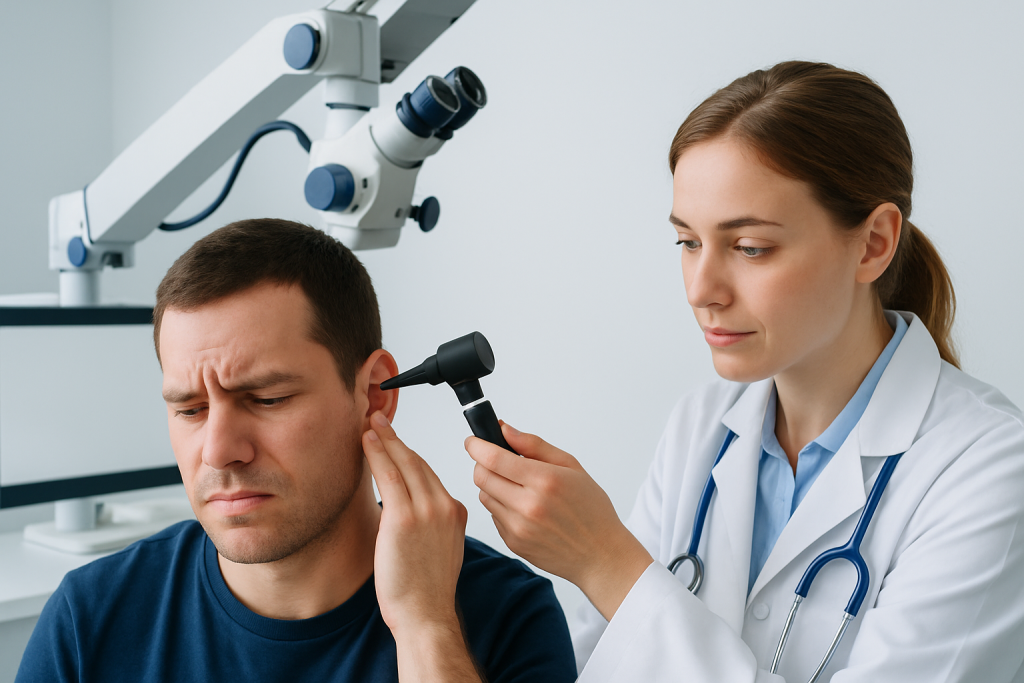
An ear pimple may look like a small red or white bump on the outer ear, at the opening of the ear canal, or deeper inside the canal. Some are tender only when touched, while others ache steadily because the surrounding skin is inflamed.
People may also notice itching, mild swelling, a sense of fullness, or discomfort when wearing headphones or touching the ear. If the bump becomes infected, there may be pus, crusting, or increasing redness around the area.
- Small raised bump or whitehead
- Pain when the ear is pressed or moved
- Itching or irritation
- Drainage or crusting
- Temporary blockage sensation
Not every painful ear bump is a pimple. A rapidly enlarging lump, severe tenderness, fever, or discharge from the ear can suggest something more than a simple blocked pore and should be assessed by a doctor.
Causes & Risk Factors

The skin in and around the ear contains oil glands and hair follicles, which means it can develop acne-like bumps. A pimple may form when oil, dead skin, and bacteria collect in a pore or when a hair follicle becomes irritated and inflamed.
Several everyday habits can make the ear more prone to this problem. Frequent use of earphones, hearing aids, helmets, or tight head coverings can create friction and trap moisture. Excessive cleaning with cotton swabs may also irritate the canal and push wax deeper, making the environment more vulnerable to inflammation.
Other factors can raise the chance of a bump becoming painful or infected:
- Sweating and moisture trapped in the ear
- Skin conditions such as acne or eczema
- Piercings near the ear cartilage
- Picking, scratching, or squeezing the area
- Reduced ability to fight infection, in some people
In international patients, long flights, changes in climate, and extended use of earbuds for travel can sometimes contribute to irritation. These are not direct causes on their own, but they can create the warm, moist, and friction-prone setting where a bump is more likely to form.
Diagnosis
Doctors usually diagnose an ear pimple by looking carefully at the outer ear and the ear canal. They will ask when the bump started, whether it hurts, whether there is drainage, and whether the person has had similar bumps before.
An examination with an otoscope may be used to check the ear canal and eardrum. This helps the clinician tell the difference between a superficial pimple, folliculitis, an infected cyst, wax buildup, or a deeper ear infection.
Testing is not always necessary, but it may be considered if the bump is severe, recurrent, or not improving as expected. In some cases, a doctor may want to check for a bacterial infection or another skin problem if the appearance is unclear.
Treatment Options
Many small ear pimples improve with simple measures and time. The goal is to reduce irritation, keep the area clean and dry, and avoid actions that could worsen inflammation.
Warm compresses can sometimes help ease discomfort and encourage natural drainage. A clinician may also recommend a topical treatment if the bump appears inflamed or infected, but medicine should be chosen carefully because the ear canal is sensitive and not every product is suitable for use there.
If the pimple has become a boil, abscess, or infected cyst, treatment may be more involved. Depending on the situation, a doctor might gently drain the lesion, prescribe topical or oral medication, or treat an underlying skin condition contributing to repeated breakouts.
It is important not to squeeze, lance, or poke a bump inside the ear. That can drive infection deeper, increase swelling, and make pain worse. Because the ear is a confined space, even minor trauma can lead to a more troublesome problem than expected.
Prevention & Self-care
Good ear care is usually about restraint rather than aggressive cleaning. The ear canal has its own natural cleaning process, so routine digging or scrubbing is more likely to irritate the skin than help it.
Simple habits can lower the chance of another bump forming. Keeping earbuds, hearing aids, and other devices clean; drying the ears gently after sweating or swimming; and avoiding cotton swabs inside the canal are practical steps that protect the skin.
- Clean earphones and hearing devices regularly
- Keep the ears dry after showers, workouts, or swimming
- Avoid squeezing or scratching bumps
- Use only products a clinician says are safe for the ear
- Manage acne or eczema elsewhere on the body when present
For people who travel often, packing a small ear-care kit and avoiding prolonged moisture from headphones or earplugs during long journeys may help. If a person is prone to recurrent bumps, a dermatologist or ENT specialist can help identify the pattern and suggest a more tailored prevention plan.
When to See a Doctor
Medical evaluation is sensible if the bump is very painful, getting larger, or not improving after several days of gentle care. A doctor should also assess the ear if there is pus, foul-smelling drainage, fever, or visible redness spreading beyond the ear.
Hearing loss, ringing, dizziness, or a feeling that the canal is blocked are additional reasons to seek care. These symptoms can point to swelling or another ear condition that may need treatment beyond home measures.
People with diabetes, reduced immunity, or a history of recurrent skin infections should be more cautious and seek advice early if an ear bump appears. If international travel is involved, it is reasonable to arrange care before departure when symptoms begin, rather than waiting until the problem becomes harder to manage far from home.
At Acibadem Health Point, multidisciplinary specialists and JCI-accredited hospitals diagnose and treat ENT conditions for international patients, including ear bumps that need expert assessment and follow-up planning across borders.
Living With Recurring Ear Bumps
When a pimple in the ear keeps returning, the issue is often less about one isolated bump and more about repeated irritation, trapped moisture, or an underlying skin tendency. Identifying the trigger matters because repeated self-treatment without a diagnosis can allow the cycle to continue.
A clinician may ask about cosmetics, earbuds, sports gear, sleep habits, or ear-cleaning routines to find the likely source of irritation. If an underlying skin condition is contributing, treating that condition often reduces new bumps over time.
For people managing care from another country, follow-up planning is especially useful. A clear treatment plan, written instructions, and guidance on what changes should prompt re-evaluation can make recovery more predictable and less stressful after returning home.
Frequently asked questions
Is a pimple in the ear the same as acne?
It can be acne-like, but not always. Some ear bumps are clogged pores, while others are inflamed hair follicles, small boils, or infected cysts. A doctor can help tell the difference if the bump is painful or keeps returning.
Can I pop a pimple inside my ear?
It is best not to. Squeezing or poking the ear can push infection deeper, increase swelling, and damage the delicate skin of the canal. Gentle care and medical assessment are safer choices if the bump is not improving.
How long does an ear pimple usually last?
Small bumps may settle within several days with gentle care, while more inflamed lesions can take longer. If it is not improving, is worsening, or starts draining, a clinician should evaluate it.
What can be used safely at home for ear pain?
A warm compress applied to the outer ear may help with comfort. It is important to avoid putting random creams, oils, or acne products into the ear unless a doctor says they are safe for that location.
When does an ear bump suggest an infection?
Signs include increasing redness, warmth, swelling, pus, bad-smelling drainage, or fever. Pain that becomes stronger rather than better is another reason to get checked.
Can earbuds or hearing aids cause ear pimples?
They can contribute by creating friction and trapping moisture or oil. Cleaning devices regularly and giving the ear canal some time to stay dry can reduce irritation.
References
- Merck Manual Consumer Version
- American Academy of Otolaryngology–Head and Neck Surgery
- Mayo Clinic
- American Academy of Dermatology
- NHS
This article is for general information only and is not a substitute for professional medical advice. Please consult a qualified doctor about your individual situation.