Bath Salts

Key Takeaways
- Bath salts are not the same as ordinary bath products; they are synthetic stimulants often sold under misleading names.
- Effects can include agitation, paranoia, rapid heartbeat, high blood pressure, and dangerous overheating.
- Symptoms may escalate quickly and can affect both mental state and physical stability.
- Treatment focuses on calming the body, protecting vital functions, and managing complications in a medical setting.
- Early medical help is important if someone becomes confused, violent, overheated, or unwell after using a suspected stimulant.
Bath salts are a group of synthetic stimulants that can cause sudden and serious physical and mental effects. Understanding the warning signs, risks, and treatment options can help people seek care early and safely.
Overview
“Bath salts” is a street name for a class of synthetic stimulant drugs, often referred to as synthetic cathinones. Despite the name, they are not intended for bathing and have nothing to do with cosmetic bath salts. They are usually sold in powder or crystalline form and may be labeled in misleading ways such as “plant food” or “research chemicals.”
From a medical perspective, the concern is not the label on the packet but the effects on the body. Bath salts can act unpredictably, and even a small amount may trigger intense stimulation, confusion, or psychiatric symptoms. Because the contents may vary from product to product, people cannot reliably know what they are taking or how strong it is.
For international patients and families deciding where to seek help, the key issue is timely assessment. If symptoms appear after using an unknown stimulant, a doctor should evaluate the person as soon as possible, especially when the situation involves agitation, chest discomfort, or altered behavior.
Symptoms
The first signs of bath salts use may resemble severe intoxication or panic, but they can progress quickly. A person may become restless, unusually talkative, suspicious, or unable to sleep. Some people develop rapid speech, jaw clenching, sweating, tremors, or a racing heartbeat.
Mental and behavioral changes are often what worry families most. Bath salts can cause paranoia, hallucinations, anxiety, aggression, and severe confusion. In some cases, the person may lose touch with reality, become difficult to calm, or behave in a way that puts themselves or others at risk.
Physical warning signs can be just as serious. These may include chest pain, shortness of breath, overheating, nausea, vomiting, high blood pressure, seizures, or collapse. Symptoms can last longer than expected because the substances may be powerful and the body may take time to recover.
- Agitation or extreme restlessness
- Paranoia, hallucinations, or confusion
- Fast heart rate and elevated blood pressure
- Overheating, sweating, or tremors
- Seizures or loss of consciousness
Causes & Risk Factors

Bath salts are synthetic chemicals designed to mimic, at least partly, the effects of stimulants such as cathinone, a compound found in the khat plant. They are not regulated in a consistent way, and illicit products may contain different chemicals from one batch to another. That unpredictability is a major reason they can cause severe reactions.
Risk rises when a person uses a larger-than-expected amount, mixes bath salts with alcohol or other drugs, or has underlying health concerns. People with heart disease, anxiety disorders, psychosis, or a history of substance use may be especially vulnerable to complications. Heat exposure, dehydration, and lack of sleep can also make symptoms worse.
In some cases, a person may not even know they have taken a synthetic cathinone. Products sold online or in informal settings can be mislabeled, which means the reaction may seem “unexpected” to the user even when the real cause is the hidden drug content.
Diagnosis
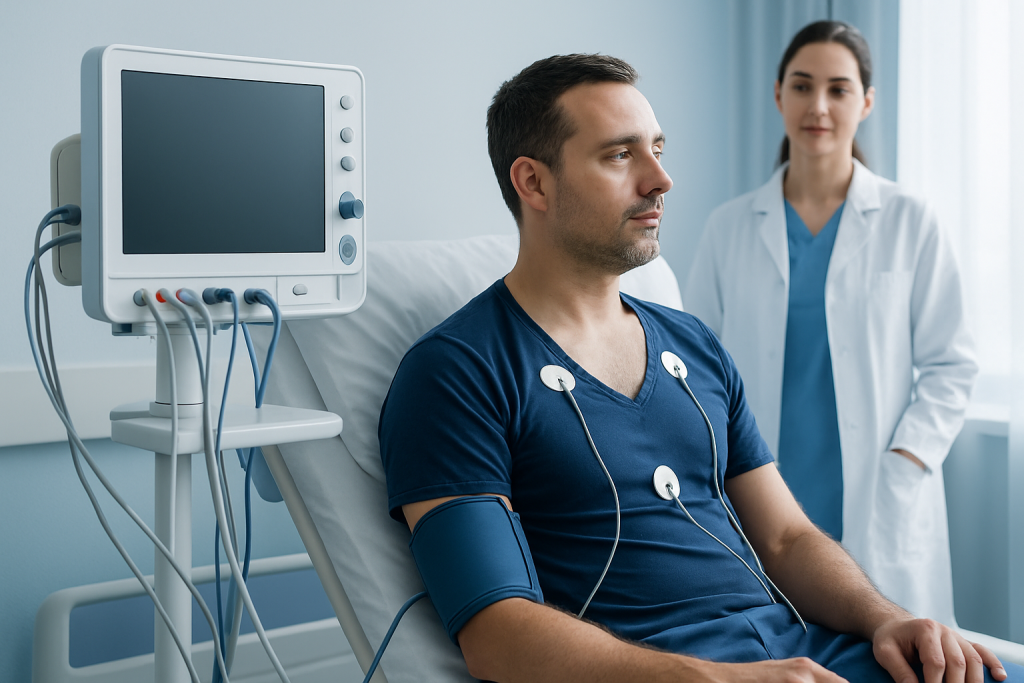
Diagnosis starts with a careful conversation about what happened, when symptoms began, and whether any substances were taken. In an emergency or urgent care setting, clinicians look at heart rate, blood pressure, temperature, breathing, and mental status. Because the presentation can look like other stimulant intoxications, the story from family members or companions is often very important.
Laboratory tests may be used to check for dehydration, kidney strain, muscle injury, or other complications. Depending on symptoms, a doctor may order an electrocardiogram to assess the heart, blood tests to look for electrolyte problems, or urine testing to screen for other substances. Standard drug screens may not always detect every synthetic cathinone, so a negative result does not necessarily rule it out.
When a person is confused, severely agitated, or unable to provide a reliable history, clinicians focus first on stabilizing the person rather than waiting for a perfect diagnosis. That practical approach is especially important when someone is traveling or receiving care away from home and the medical team needs to act quickly with limited background information.
Treatment Options
Treatment is guided by the person’s symptoms and overall stability. The immediate goals are to calm the nervous system, lower the risk of injury, and protect breathing, circulation, and temperature control. Care may begin in an emergency department, and some people require observation or admission to the hospital.
Supportive care often includes a quiet environment, hydration, and close monitoring. If agitation is severe, doctors may use medications to reduce distress and prevent harm. If the person has very high body temperature, seizures, chest pain, or an abnormal heart rhythm, more intensive treatment may be needed.
Complications such as rhabdomyolysis, kidney injury, or dangerous blood pressure changes may require specific management. Treatment also includes addressing co-existing substance use, mental health concerns, or social factors that increase the chance of repeat exposure. The plan should be individualized, because the exact substances in bath salts products can differ.
For patients coming from abroad, coordination matters. Follow-up may need to be arranged before travel home, and medical records should clearly document symptoms, tests performed, and any ongoing warning signs that would justify urgent reassessment.
Prevention & Self-care
The safest way to prevent harm is to avoid use of unknown or illicit stimulant products altogether. Since bath salts may be mislabeled and their contents can vary, “testing” a product by taking a small amount is not a reliable safeguard. Education and open conversations are important, especially for teens and young adults who may encounter these substances online or socially.
If someone has already been exposed and is recovering, rest and hydration may help once a clinician has confirmed it is safe. The person should avoid more stimulants, including energy drinks and recreational drugs, until fully recovered. Sleep, a cool environment, and a calm setting can be helpful while the body settles.
Families can support recovery by watching for recurring anxiety, paranoia, poor sleep, or continued confusion. If there is concern about substance use patterns, a physician or addiction specialist can help create a safer plan, including counseling, mental health support, and referral to community resources.
When to See a Doctor
Medical care should be sought promptly if a person has taken a suspected bath salts product and develops unusual behavior, rapid heartbeat, chest pain, severe anxiety, hallucinations, or overheating. These symptoms can worsen quickly, and waiting for them to pass may increase the risk of complications.
Emergency care is especially important if the person has a seizure, becomes unconscious, has trouble breathing, or is too confused or agitated to be safely managed at home. If there is any doubt about what was taken, clinicians should still evaluate the person, because hidden substances are common in illicit products.
After the immediate episode, a follow-up visit is wise if there are lingering sleep problems, mood changes, memory issues, or signs of organ stress. Acibadem Health Point’s multidisciplinary specialists and JCI-accredited hospitals can diagnose and treat this condition for international patients who need coordinated assessment and follow-up abroad.
Living with the Aftermath
Most attention rightly goes to the acute episode, but recovery does not always end when the pulse settles and the agitation improves. Some people feel exhausted, emotionally flat, anxious, or ashamed afterward. Those feelings deserve attention rather than dismissal, especially if the event exposed an underlying mental health concern or pattern of substance use.
A sensible recovery plan may include primary care follow-up, mental health assessment, and support for substance use if needed. If the person is traveling, it helps to leave with a written summary of the hospital visit, medication instructions, and a list of symptoms that should prompt urgent reassessment. That makes continuity easier once they return home.
Understanding bath salts as a medical issue rather than a moral failure can reduce delay in care. The sooner the episode is treated and the triggers are discussed, the better the chances of avoiding a repeat event and protecting long-term health.
Frequently asked questions
What are bath salts in medical terms?
Bath salts are synthetic stimulant drugs, usually synthetic cathinones, sold under misleading names. They are not related to cosmetic bath products. Their contents can vary widely, which makes their effects hard to predict.
What symptoms suggest bath salts use or intoxication?
Common symptoms include agitation, paranoia, hallucinations, fast heart rate, sweating, and insomnia. More serious signs can include overheating, seizures, chest pain, or collapse. These symptoms need medical attention, especially if they appear suddenly.
Can a standard drug test detect bath salts?
Not always. Some routine drug screens do not identify every synthetic cathinone, so a negative test does not fully exclude exposure. Clinicians rely on symptoms, history, and additional tests to assess the person safely.
How are bath salts overdoses treated?
Treatment is mainly supportive and focuses on calming the person, monitoring vital signs, and treating complications such as overheating or seizures. The exact plan depends on the severity of symptoms and any other substances involved. Hospital observation is sometimes needed.
When should emergency help be called?
Emergency help should be called if the person has chest pain, trouble breathing, a seizure, severe confusion, or loss of consciousness. It is also important if they are extremely agitated or overheated. Quick assessment can prevent complications.
Can someone recover fully after using bath salts?
Many people improve with timely medical care, but recovery depends on how severe the reaction was and whether complications occurred. Some people may need follow-up for sleep, mood, or substance use concerns. A doctor can guide the safest next steps.
References
- National Institute on Drug Abuse
- Centers for Disease Control and Prevention
- World Health Organization
- American Association of Poison Control Centers
- Merck Manual Professional Edition
This article is for general information only and is not a substitute for professional medical advice. Please consult a qualified doctor about your individual situation.