Baked Beans: Nutrition, Benefits and Risks

Key Takeaways
- Baked beans can provide fiber, plant-based protein, and several important minerals.
- Their tomato-based sauce may add sugar and salt, so labels matter.
- Some people notice gas or bloating after eating beans, especially if they are not used to them.
- Rinsing and pairing baked beans with vegetables, whole grains, or lean proteins can make them easier to fit into a balanced diet.
- People with digestive conditions or special dietary needs may benefit from individualized advice from a clinician or dietitian.
Medically reviewed by the Acıbadem clinical team — August 19, 2026
Baked beans are a familiar comfort food, but they also have a nutritional profile that can support balanced eating when chosen and portioned thoughtfully. This article explains what they contain, how they may affect digestion, and how to enjoy them as part of everyday meals.
Overview
Baked beans are more than a simple side dish. For many people, they are a convenient pantry food that can work as a quick breakfast, a filling lunch, or a supportive ingredient in a larger meal. Their appeal comes from a blend of comfort and practicality: they are shelf-stable, easy to prepare, and familiar across many cuisines.
From a nutrition standpoint, baked beans are usually made from haricot beans or similar varieties simmered in a tomato-based sauce. That means they can offer fiber, plant-based protein, and a range of micronutrients. At the same time, the sauce can also bring added sugar and sodium, so the healthiest choice depends on the brand, serving size, and the rest of the meal.
For people who travel for care or are trying to keep a steady routine while away from home, baked beans are often part of the conversation around simple, affordable, predictable foods. They can be a useful option, but like any packaged food, they are best considered in context rather than assumed to be automatically healthy or unhealthy.
What baked beans provide nutritionally

The nutritional value of baked beans begins with the bean itself. Beans are naturally rich in dietary fiber, which supports regular bowel function and helps meals feel satisfying for longer. They also provide plant-based protein, making them useful for people who eat less meat or want to vary their protein sources.
Baked beans may also contain iron, potassium, magnesium, and folate, depending on the type of bean and the preparation. These nutrients play roles in energy metabolism, muscle function, and blood formation. Because beans are a plant food, they fit well into many eating patterns, including Mediterranean-style, vegetarian, and budget-conscious diets.
It is worth remembering that the sauce changes the picture. Some products are lightly sweetened and lower in salt, while others are noticeably higher in sodium or sugar. Reading the ingredient list and nutrition label can help a person choose a version that better matches their health goals.
- Fiber supports digestion and satiety.
- Protein helps add staying power to meals.
- Minerals such as potassium and magnesium support normal body function.
- Added sugar and salt vary widely by product.
Possible digestive effects and common symptoms
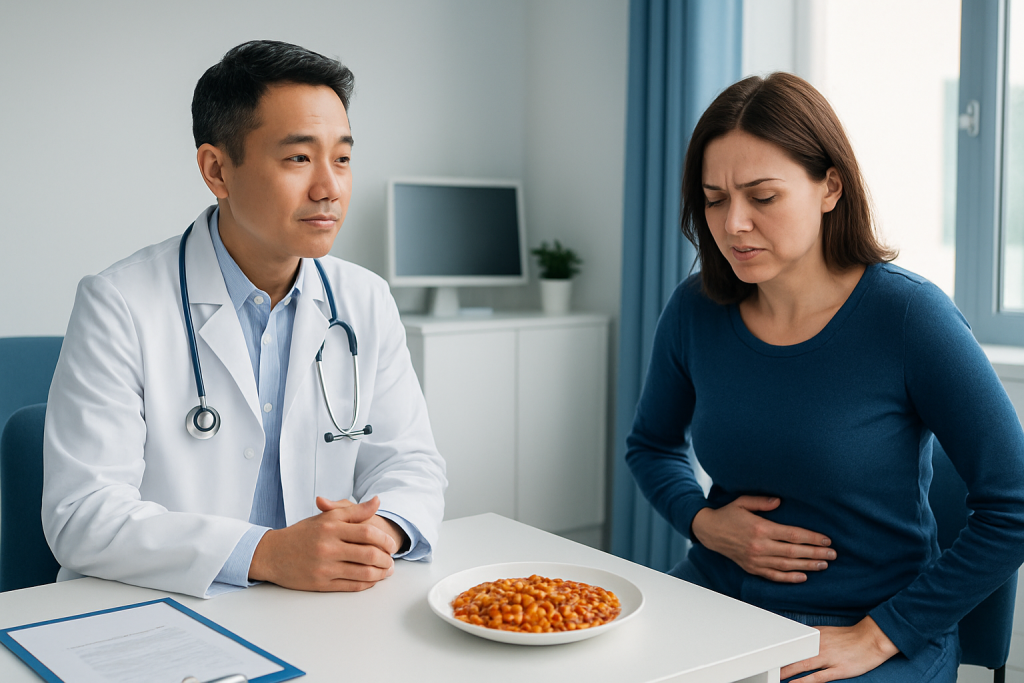
Baked beans are well known for causing gas in some people. This is not usually a sign that something is wrong. Beans contain certain carbohydrates that may be fermented by gut bacteria, which can lead to bloating, wind, or abdominal fullness, especially if a person is not used to eating legumes regularly.
For many people, these effects lessen as the digestive system adapts and bean intake becomes more regular. Smaller servings, gradual introduction, and drinking enough fluids may also help. Rinsing canned beans before use can reduce some of the liquid associated with their texture and may make the meal feel lighter for some individuals.
People with irritable bowel syndrome, reflux, or other digestive sensitivities may notice that baked beans affect them differently. In those cases, the issue is often about portion size, preparation, and the rest of the plate rather than the beans alone. Keeping a simple food-and-symptom record can be useful when patterns are unclear.
Why some people need to be more careful
Although baked beans can be a sensible food choice, certain health conditions call for closer attention to ingredients. People managing high blood pressure may want to be cautious about sodium, since some canned baked beans can be quite salty. Those with diabetes may also pay attention to the sugar content and to the carbohydrate load of the overall meal.
People with chronic Kidney Disease Treatment" class="ahp-ilk">kidney disease, fluid restrictions, or specific electrolyte concerns should review bean choices with their care team, since potassium and sodium intake may need to be adjusted. Likewise, anyone with known legume allergies should avoid baked beans and check labels carefully for cross-contact or recipe variations.
Digestive conditions can matter too. A person recovering from a flare of inflammatory bowel disease, or someone following a temporary low-fiber plan after medical treatment, may need a different approach until their clinician advises otherwise. In international care settings, diet guidance is often part of the follow-up conversation, especially when treatment plans continue after returning home.
How baked beans are diagnosed or evaluated in a health setting
There is no medical test for baked beans themselves, but clinicians may discuss them as part of a broader review of diet, symptoms, and risk factors. If someone reports bloating, abdominal pain, constipation, diarrhea, or changes in blood sugar after meals, a doctor or dietitian may ask about portion size, frequency, and the specific products being eaten.
When digestive symptoms are persistent, the goal is not to blame a single food too quickly. Instead, the evaluation may look at the whole pattern: meal timing, other ingredients, hydration, medications, and any underlying gastrointestinal condition. For people with chronic disease, blood pressure checks, glucose monitoring, or kidney function tests may be relevant to dietary planning.
In practical terms, this kind of review helps separate a normal food reaction from a pattern that needs more attention. It also helps patients understand whether a simple adjustment, such as choosing a lower-sodium brand or reducing the portion, may be enough.
Ways to enjoy baked beans more comfortably
Small changes often make baked beans easier to fit into a balanced diet. Choosing reduced-sugar or reduced-salt varieties can be a good start. Some people also prefer to heat them gently and combine them with other foods rather than eating a large bowl on their own.
Pairing baked beans with vegetables, whole grains, eggs, grilled fish, or tofu can create a more complete meal. This can improve satiety and reduce the chance that the beans become the sole source of carbohydrate or sodium in the meal. For breakfast, for example, a modest serving alongside vegetables and whole-grain toast may feel more balanced than a larger portion with processed meats.
People who are new to beans may find it helpful to begin with a small serving and increase gradually over time. This approach gives the gut a chance to adapt and can reduce unwanted gas or bloating. For those who rely on packaged foods during travel or recovery, having a few reliable, label-checked options can make meals simpler without requiring a complete diet overhaul.
- Choose lower-sodium or lower-sugar versions when possible.
- Rinse canned beans if appropriate for the recipe.
- Start with smaller portions if beans are not part of the usual diet.
- Build the meal around vegetables and whole grains as well as the beans.
When to see a doctor
Occasional gas or fullness after eating baked beans is usually manageable. A doctor should be consulted if digestive symptoms are severe, keep returning, or come with weight loss, blood in the stool, vomiting, fever, or ongoing pain. These symptoms may point to a different issue that deserves medical review.
It is also sensible to ask for advice if a person has diabetes, kidney disease, high blood pressure, or a digestive condition and is unsure how baked beans fit into their eating plan. The same applies when a new medication, surgery, or treatment has changed appetite or bowel habits. Guidance from a qualified professional can help the person choose foods that support recovery and day-to-day stability.
For international patients, follow-up discussions after treatment can include practical food choices that work across home and travel settings. Acibadem Health Point’s multidisciplinary specialists and JCI-accredited hospitals support patients in diagnosing and treating a wide range of conditions, while also helping them plan realistic nutrition habits after care.
A practical way to think about baked beans
Baked beans are best understood as a useful food with a few important caveats. They can contribute fiber, protein, and convenience, but they are not automatically ideal in every form or for every person. The healthiest approach is usually the one that fits the person’s medical needs, tastes, and daily routine.
For many households, that means choosing a sensible portion, checking the label, and combining baked beans with other nourishing foods. For others, it means recognizing that beans may need to be limited for a time because of a digestive flare, a sodium target, or a kidney-related plan.
When questions remain, a clinician or registered dietitian can help translate general nutrition advice into something practical and personal. That is often the most reliable way to decide whether baked beans belong on the plate today, and if so, in what form.
Frequently asked questions
Are baked beans healthy?
They can be a healthy part of a balanced diet because they provide fiber and plant-based protein. The main things to watch are added sugar, sodium, and portion size.
Why do baked beans cause gas?
Beans contain carbohydrates that are fermented by gut bacteria, which can produce gas. This is common and often improves when beans are eaten regularly in small amounts.
Are canned baked beans different from homemade ones?
Yes. Canned versions are usually more convenient, but they may contain more salt or sugar depending on the brand. Homemade baked beans can be adjusted more easily, although they still need to be balanced within the overall meal.
Can people with diabetes eat baked beans?
Often yes, but it depends on the serving size and the total carbohydrate content of the meal. A doctor or dietitian can help fit them into a glucose-friendly plan.
Do baked beans need to be rinsed before eating?
Rinsing can help reduce some of the starchy liquid and may make the texture lighter for some people. Whether to rinse depends on the recipe and personal preference.
When should someone avoid baked beans?
People with a legume allergy should avoid them, and some people with digestive, kidney, or blood pressure concerns may need to limit them. If there is uncertainty, professional dietary advice is the safest approach.
References
- National Health Service
- Harvard T.H. Chan School of Public Health
- World Health Organization
- British Dietetic Association
- Academy of Nutrition and Dietetics
This article is for general information only and is not a substitute for professional medical advice. Please consult a qualified doctor about your individual situation.
Persistent digestive symptoms? Get evaluated in Turkey
JCI-accredited · board-certified surgeons · reply within 24h
Add us as a Preferred Source to see more of our trusted health content across Google Search, AI Overviews and Discover.