Dietitian

Key Takeaways
- Dietitians provide evidence-based nutrition guidance tailored to a person’s health goals and medical needs.
- They can support conditions such as diabetes, digestive disorders, heart disease, weight concerns, and recovery after treatment.
- A first visit usually includes a detailed review of eating habits, medical history, medications, and lifestyle.
- Nutrition plans should be realistic, culturally appropriate, and safe for the individual’s situation.
- Early dietitian support can make it easier to manage symptoms and build sustainable habits.
A dietitian helps translate nutrition science into practical, personalized eating advice for health, recovery, and long-term wellbeing. This article explains what dietitians do, who may benefit from care, and how to prepare for an appointment.
Overview
A dietitian is a qualified nutrition professional who helps people use food as part of everyday health care. Rather than offering one-size-fits-all meal rules, a dietitian looks at the whole picture: medical history, lab results, symptoms, medications, travel routines, work patterns, cultural preferences, and what is realistically available in the kitchen or during treatment.
For many people, nutrition advice becomes most useful when it is tied to a specific situation. A person preparing for surgery may need to improve protein intake. Someone living with diabetes may need help understanding carbohydrate choices. Another person may be navigating digestive symptoms, fatigue, or unintentional weight loss after illness and need a plan that is gentle and practical.
In international care settings, dietitian input can be especially valuable because food habits often change during travel, hospital stays, and recovery abroad. A good plan should fit the person’s home life after the trip as well as the days spent in the hospital or hotel.
Symptoms and situations that may prompt a visit
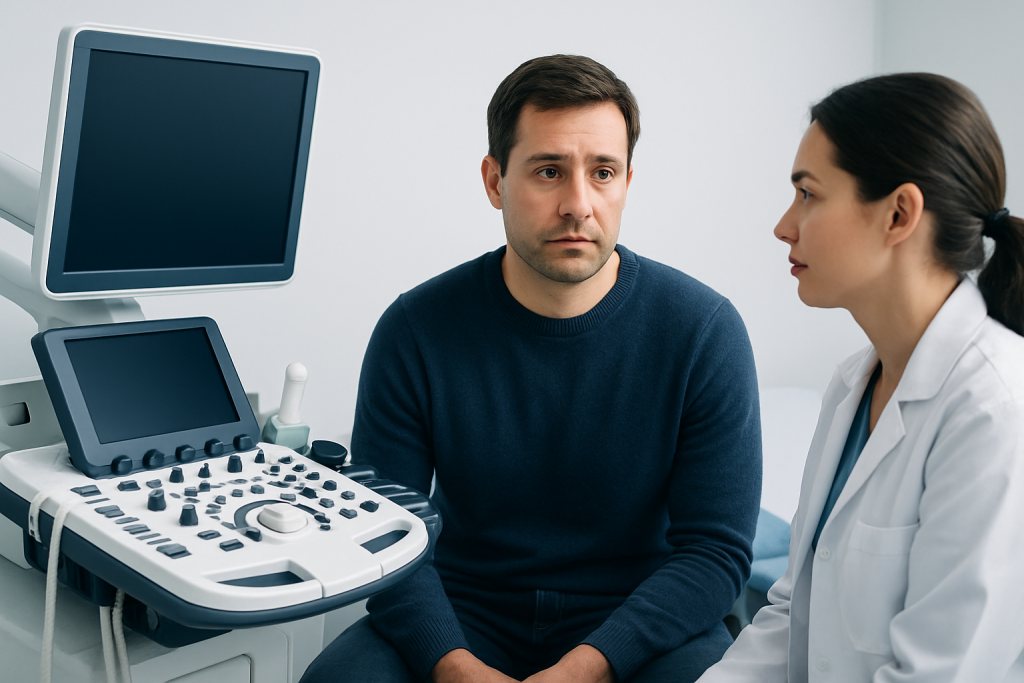
People usually do not see a dietitian because of a single symptom alone. They come when eating, digestion, or weight management starts to affect daily life, treatment, or energy levels. Some seek guidance after a new diagnosis, while others are referred by a doctor during recovery or after a lab result suggests nutrition may be part of the solution.
Common situations include blood sugar concerns, high cholesterol, high blood pressure, digestive discomfort, irritable bowel symptoms, food intolerances, poor appetite, difficulty maintaining weight, or the need for specialized eating patterns during pregnancy, cancer care, kidney disease, or bariatric treatment. Dietitian care may also be helpful when a person feels confused by conflicting nutrition advice online.
- Ongoing bloating, constipation, reflux, or diarrhea
- Unplanned weight loss or weight gain
- Questions about diabetes, heart health, or kidney-friendly eating
- Recovery after surgery, illness, or hospital treatment
- Concerns about restrictive diets, food allergies, or eating enough nutrients
Causes and risk factors

There is no single reason someone sees a dietitian. Often, the trigger is a mix of health status, lifestyle, and life stage. Chronic conditions can change how the body handles nutrients, while travel, stress, shift work, or family routines can make regular meal planning more difficult. Some people also have higher nutrition needs because of growth, aging, pregnancy, athletic training, or recovery.
Risk factors for nutrition-related problems can include reduced appetite, swallowing difficulty, limited food access, frequent eating out, medication side effects, food insecurity, or a long-standing pattern of highly processed meals with few fruits, vegetables, and fiber-rich foods. Emotional stress may also influence eating habits in ways that are hard to notice until symptoms or lab results appear.
A dietitian’s role is not to assign blame. It is to identify what is actually getting in the way and build a plan that works within the person’s real environment, including when they must follow instructions while staying in another country for treatment or follow-up care.
How diagnosis and assessment work
Dietitians do not diagnose diseases in the same way as physicians, but they do carry out a nutrition assessment and use that information to build a care plan. The first appointment usually begins with a conversation about eating habits, symptom patterns, weight changes, activity level, medical history, medications, supplements, sleep, and stress. If available, recent blood tests or imaging reports may be reviewed alongside the clinical notes from the doctor.
The assessment may also include questions about cooking access, work schedule, religious or cultural food practices, chewing or swallowing concerns, and whether the person will need meal planning support after returning home. For international patients, understanding what foods will be available after discharge matters just as much as what is served during the hospital stay.
From there, the dietitian identifies priorities and creates practical goals. These goals may focus on symptom control, meeting protein or calorie needs, balancing meals, improving fiber intake, or making adjustments that support a medical treatment plan.
Treatment options and nutrition care
Dietitian treatment is usually personalized and may change over time as the person’s condition improves, symptoms settle, or lab values shift. The plan may involve meal structure, portion guidance, timing of meals, food swaps, label reading, hydration advice, or strategies for managing appetite, nausea, constipation, or reflux. When appropriate, supplements or specialized oral nutrition products may be discussed, but only as part of a broader plan.
For people with medical conditions, the dietitian often works alongside doctors, nurses, and other specialists. A person with diabetes may need a coordinated plan that fits medication timing. Someone in cancer care may need support with maintaining intake during reduced appetite. A person after gastrointestinal surgery may need phased reintroduction of foods to avoid discomfort while healing.
Examples of nutrition support may include:
- Medical nutrition therapy for diabetes, heart disease, kidney disease, or digestive disorders
- Weight management support that emphasizes sustainable habits rather than extreme restriction
- Recovery-focused meal planning after surgery or hospitalization
- Texture-modified diets for chewing or swallowing difficulties
- Family education so home meals remain practical after treatment ends
Prevention and self-care
Good nutrition care often begins before a problem becomes severe. Simple habits, repeated consistently, can reduce the chance that small changes in appetite, energy, or digestion turn into larger concerns. A dietitian can help a person choose a pattern that is balanced, realistic, and flexible enough for travel, work, and family life.
Helpful self-care steps often include building meals around protein, fiber, and fluids; keeping regular meal times; paying attention to symptom triggers without becoming overly restrictive; and reviewing supplements with a clinician before starting them. It is also wise to be cautious about social media diets that promise quick fixes but ignore medical history or individual needs.
For people planning treatment abroad, it can help to prepare a list of usual foods, allergies, language preferences, and dietary restrictions before departure. Bringing this information to the care team makes it easier to coordinate meals in the hospital and maintain a familiar pattern after discharge.
When to see a doctor or dietitian
A person should seek medical advice if they have persistent digestive symptoms, unexplained weight change, trouble eating enough, or nutrition concerns linked to a diagnosis such as diabetes, kidney disease, heart disease, or cancer. A doctor may refer the person to a dietitian when food choices are likely to affect treatment, healing, or symptom control.
Prompt assessment is also sensible if eating has become difficult because of pain, swallowing problems, frequent vomiting, marked fatigue, or a history of restrictive dieting that is affecting health. In these situations, nutrition advice should be coordinated with medical care rather than handled alone.
Acibadem Health Point’s multidisciplinary specialists and JCI-accredited hospitals can diagnose and treat nutrition-related conditions for international patients, with dietitian support integrated into broader medical care when needed.
Living with dietitian-guided care
Many people notice that the biggest benefit of dietitian care is not a dramatic food overhaul, but clarity. Understanding which changes matter most can reduce anxiety and make eating feel manageable again. Instead of trying to follow dozens of rules, people often do better with a few targeted goals that fit their diagnosis and daily routine.
Follow-up is an important part of that process. Nutrition needs can change after surgery, during medication adjustments, or as strength returns. A person may also need help adapting recommendations once they are back home, especially if their usual food environment differs from what was available during treatment abroad.
The most useful dietitian care tends to be collaborative, specific, and respectful of personal preferences. When the plan makes sense in real life, people are more likely to keep it going — and that is where nutrition support has its lasting value.
Frequently asked questions
What does a dietitian do?
A dietitian provides evidence-based nutrition advice tailored to a person’s health goals and medical needs. They help translate dietary guidance into practical meals, routines, and long-term habits.
Is a dietitian the same as a nutritionist?
The terms are not always interchangeable. In many countries, a dietitian is a regulated professional with formal clinical training, while the term nutritionist may have a broader and less consistent meaning.
Do you need a doctor’s referral to see a dietitian?
It depends on the country, clinic, and insurance system. Some people are referred by a doctor, while others book directly for preventive or lifestyle guidance.
Can a dietitian help with weight loss?
Yes, especially when weight management needs to be safe, sustainable, and tied to medical conditions, medications, or eating patterns. The focus is usually on realistic changes rather than quick-fix diets.
Can a dietitian help after surgery or illness?
Yes. Dietitians often support recovery by helping people meet protein, calorie, fluid, and symptom-management needs while healing. They can also adjust advice as appetite and tolerance improve.
What should someone bring to a first appointment?
It is helpful to bring recent lab results, a medication list, supplement details, and a brief picture of usual meals. Notes about symptoms, food triggers, allergies, and travel or work schedules can also make the visit more useful.
References
- World Health Organization
- Academy of Nutrition and Dietetics
- National Institute of Diabetes and Digestive and Kidney Diseases
- National Health Service
- Mayo Clinic
This article is for general information only and is not a substitute for professional medical advice. Please consult a qualified doctor about your individual situation.
More from the Health Library



Related Specialists

Psk. İlayda Cebeciler
Clinical Psychology
Dr. Mustafa Şengün
Orthopedics and Traumatology
Dr. Hamed Jafarzadeh Andabil
Pathology
Dt. Emrah Özmutlu
Oral Dental & Maxillofacial Surgery