

Wrinkle Cream

Key Takeaways
- Wrinkle creams may help with hydration, texture, and the appearance of fine lines, but they do not erase deeper wrinkles.
- Ingredients such as retinoids, peptides, hyaluronic acid, niacinamide, and sunscreen support different aspects of skin aging.
- Results depend on consistency, skin sensitivity, sun protection, and whether the product is appropriate for the individual’s skin type.
- Irritation, dryness, or redness can happen, especially with strong active ingredients, so gradual use is often safer.
- A dermatologist can help when wrinkles change quickly, skin becomes persistently irritated, or a person wants more noticeable improvement.
Wrinkle cream is often chosen to soften fine lines, improve skin texture, and support a more hydrated appearance. The most useful products are usually those with proven ingredients, realistic expectations, and a routine that matches the person’s skin type and goals.
Overview
Wrinkle cream is one of the most searched skin-care terms because it promises something many people would like: a softer, smoother look without a complicated routine. In practice, the best wrinkle creams are usually not magic in a jar. They are daily skin-support products that may improve hydration, soften the appearance of fine lines, and help skin look healthier over time.
The real value of a wrinkle cream depends on what it contains and what the person expects from it. A good formula can support the skin barrier, encourage cell turnover, and protect against further damage, especially when combined with sunscreen. For someone deciding whether to buy or travel for specialist skin care, the main question is often not “Which cream is strongest?” but “Which approach is most appropriate for my skin, my goals, and my tolerance for side effects?”
For international patients who prefer guidance from a dermatologist rather than trial and error, a consultation can help clarify whether a cosmetic cream is enough or whether medical treatments may be more effective. That decision is especially useful when the skin is sensitive, the wrinkles are deeper, or there are concerns such as pigmentation, acne scars, or rosacea alongside aging changes.
What wrinkle cream can realistically improve
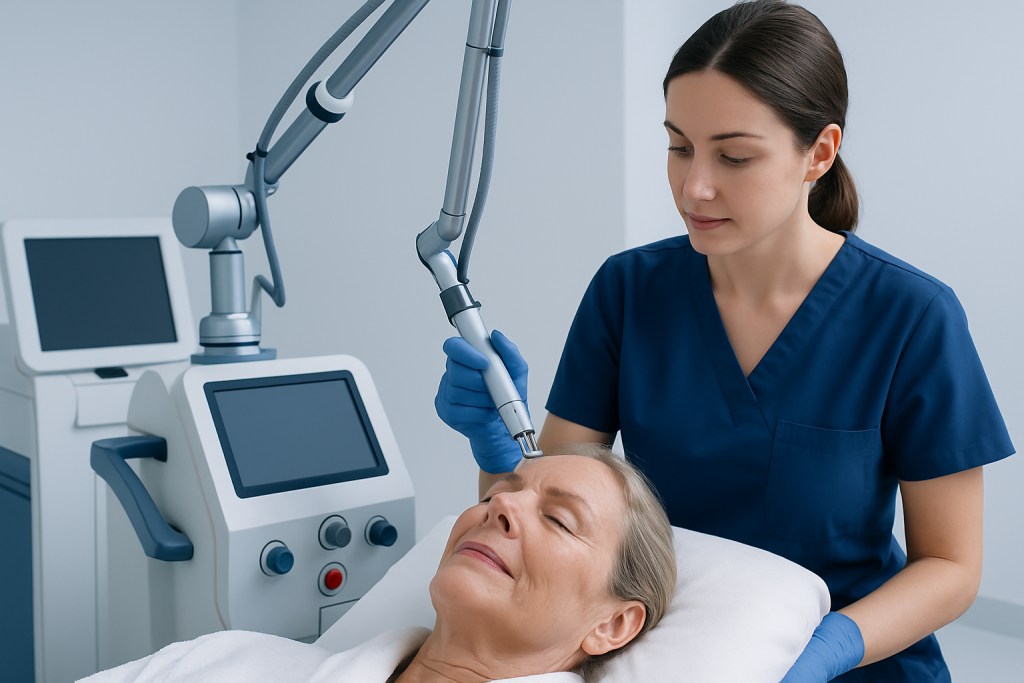
Wrinkle creams work best on changes that are partly related to dryness and surface texture. When the skin is well moisturized, fine lines around the eyes, mouth, and forehead may appear less noticeable. Some products also give a temporary smoothing effect, which can make makeup sit better and the complexion look more rested.
Certain ingredients may help more than others over time. Retinoids can support skin turnover and collagen-related changes, while moisturizers can strengthen the skin barrier and reduce the crepey look that comes with dryness. Antioxidants and sunscreen-focused daytime formulas help limit ongoing damage from the environment, which matters because wrinkle care is not only about correcting what is already there, but also about slowing additional change.
- Hydration: reduces the look of dryness-related lines
- Texture support: may make skin feel smoother
- Barrier care: helps skin tolerate the environment better
- Prevention: may reduce future visible damage when used with sun protection
It is important to keep expectations grounded. A wrinkle cream usually cannot tighten loose skin, lift sagging tissues, or remove deep folds on its own. For those concerns, medical dermatology or aesthetic procedures may be more appropriate.
Ingredients that are commonly used

Reading the label is often more useful than following a product name. The most reliable wrinkle creams usually rely on ingredients with a clear role in skin health, rather than vague promises about “rejuvenation” or “youth activation.”
Retinoids are among the best-known ingredients for aging skin. They can support skin renewal and may help soften fine lines, but they can also cause irritation if introduced too quickly. Hyaluronic acid draws water into the skin and may make it feel plumper. Niacinamide can support the barrier and help with uneven tone. Peptides are often included to support a firmer-looking appearance, although their effects may be modest. Antioxidants such as vitamin C are commonly used in daytime products to help defend against oxidative stress.
Sunscreen deserves special mention because it is one of the most effective anti-aging tools available. A wrinkle cream used at night can be helpful, but without daily sun protection, progress is often undermined by ongoing UV exposure. For many people, the most successful routine is not a single “powerful” cream, but a balanced combination of moisturizer, targeted active ingredient, and broad-spectrum sunscreen.
People with sensitive skin may do better with fragrance-free formulas and shorter ingredient lists. Those with oily or acne-prone skin may prefer lighter textures that do not clog pores. The right product is not simply the one with the most actives; it is the one the skin can actually tolerate consistently.
Causes & risk factors for wrinkles
Wrinkles develop for several reasons, and most people have more than one factor at work. Natural aging gradually reduces collagen and elastin, the structures that help skin stay firm and resilient. Over time, skin also becomes thinner and less able to hold moisture, which makes lines easier to see.
Sun exposure is one of the strongest external contributors. Ultraviolet light breaks down supportive skin fibers and speeds visible aging, which is why sun-exposed areas such as the face, neck, chest, and hands often show changes first. Repeated facial movements also matter; lines around the eyes and mouth may deepen simply because they are used constantly.
Other factors can influence how early wrinkles appear or how pronounced they become. Smoking, poor sleep, dehydration, harsh skin care, and some environmental exposures may all contribute. Genetics also plays a role, which is why some people notice aging changes earlier than others even when they have similar routines.
- Sun exposure and tanning
- Smoking or secondhand smoke exposure
- Dry skin and weak skin barrier
- Repeated expressions and facial movement
- Family history of early skin aging
- High stress and poor sleep patterns
Understanding the cause is useful because it shapes the solution. A wrinkle cream may help with surface aging, but prevention strategies are just as important for preserving results, especially for people who travel often or spend time in strong sunlight.
How dermatologists evaluate skin concerns
When a person seeks medical advice for wrinkles, the discussion usually begins with a simple but useful review: what changed, when it changed, and what the current skin-care routine looks like. A dermatologist may examine whether the issue is primarily fine lines, dryness, pigmentation, sun damage, acne scarring, or a combination of factors.
In many cases, diagnosis does not require complex testing. A visual skin examination and a discussion of products, medications, sun habits, and past skin reactions are often enough to guide recommendations. If there are signs of inflammation, contact dermatitis, rosacea, or another skin condition, those concerns may need to be addressed first because an irritated skin barrier can make wrinkle products harder to tolerate.
For international patients, this visit can be especially helpful when time is limited and the goal is to leave with a plan that can be continued safely at home. A clinician may suggest a simplified routine, explain how to introduce active ingredients gradually, and help the person understand which changes are realistic over weeks versus months.
In some cases, people arrive hoping for a single product. What they often leave with is a more practical strategy: one that accounts for skin type, travel schedule, climate, and how much treatment downtime they can manage after returning home.
Treatment options beyond wrinkle cream
When over-the-counter cream is not enough, medical options may be considered. These are not better in every situation, but they can be more targeted for deeper lines, more visible sun damage, or concerns that do not respond well to topical care alone. A dermatologist may discuss prescription retinoids, chemical peels, laser treatments, microneedling, injectables, or combination approaches depending on the skin and the person’s goals.
Prescription-strength retinoids may produce stronger effects than cosmetic products, but they also require more careful use. Procedures such as peels or lasers are chosen based on skin tone, healing time, and the type of aging being treated. Some people benefit from a staged plan, starting with topical therapy to prepare the skin and moving to office-based treatment later if needed.
It is important that expectations remain balanced. No treatment is suitable for everyone, and the most appropriate plan depends on medical history, medication use, skin sensitivity, and personal preference. People who travel for care should also plan for recovery time, follow-up, and sun protection after treatment, since the skin may be more vulnerable during healing.
For some international patients, combining expert evaluation with a realistic home routine is the most efficient path. Acibadem Health Point’s multidisciplinary specialists and JCI-accredited hospitals diagnose and treat skin aging concerns for international patients, with care plans that can be explained clearly before travel and followed safely after return.
Prevention & self-care
The most effective wrinkle care is often preventive. Daily broad-spectrum sunscreen, gentle cleansing, and a moisturizer suited to the skin type can make a meaningful difference over time. A stable routine usually works better than frequent product switching, especially for skin that becomes dry or reactive easily.
People introducing a wrinkle cream should start slowly. Strong active ingredients are often best used a few nights per week at first, then increased as the skin adapts. If redness, burning, peeling, or prolonged tightness develops, the product may need to be paused or changed. Using fewer products can sometimes improve results by reducing irritation.
General habits also matter. Adequate sleep, avoiding smoking, staying hydrated, and limiting unnecessary sun exposure all support the skin’s appearance. Hats, sunglasses, and shade are simple additions that reduce cumulative damage. For those who travel frequently, carrying a moisturizer and sunscreen that the skin already tolerates can prevent setbacks caused by dry airplane cabins, new climates, or sudden routine changes.
- Use broad-spectrum sunscreen every day
- Choose a gentle, fragrance-free cleanser if skin is sensitive
- Apply moisturizer regularly, especially after washing
- Introduce active ingredients gradually
- Avoid picking, scrubbing, or over-exfoliating
- Keep the routine simple enough to maintain consistently
When to see a doctor
A doctor’s advice is helpful when a person wants more than cosmetic maintenance, or when a product causes ongoing irritation. Persistent redness, peeling, itching, swelling, or burning is a sign that the skin may not be tolerating the formula well. It is also sensible to seek advice if wrinkles seem to appear suddenly, change unevenly, or come with other symptoms such as rash or discoloration.
Medical review is especially worthwhile if the person has a history of eczema, rosacea, allergies, or other skin conditions, because these can affect what is safe to use. A dermatologist can help separate ordinary aging from treatable skin problems and can recommend a routine that protects the barrier instead of stressing it.
People who are considering prescription products or procedures should also speak with a qualified clinician before starting. That is the best way to avoid combining treatments that may be too irritating together and to plan safe follow-up, especially when traveling back to another country soon after care.
If a wrinkle concern is affecting confidence, that is also a valid reason to ask for help. A good consultation does not overpromise; it clarifies what can improve, what likely will not change much, and what the safest next step looks like.
Frequently asked questions
Do wrinkle creams really work?
They can work for fine lines, dryness, and mild texture changes, especially when used consistently. They are less likely to change deeper wrinkles or loose skin on their own. The most useful products usually combine a proven active ingredient with good moisturization and sunscreen.
What ingredients should a person look for in a wrinkle cream?
Common helpful ingredients include retinoids, hyaluronic acid, niacinamide, peptides, antioxidants, and broad-spectrum sunscreen for daytime use. The best choice depends on skin type and sensitivity. A formula that the skin can tolerate regularly is often more effective than a stronger product that causes irritation.
Can wrinkle cream replace procedures like lasers or injectables?
Usually not. Topical creams can improve surface changes, but procedures are often more effective for deeper lines or structural aging. A dermatologist can explain whether topical care alone is reasonable or whether a procedure would better match the concern.
How long does it take to see results?
Some people notice temporary smoothing from hydration within days, while ingredient-driven changes often take weeks to months. Consistency matters, and results are usually gradual rather than dramatic. If a product causes irritation, it may slow progress instead of helping it.
Is it safe to use wrinkle cream every day?
Many wrinkle creams are designed for daily use, but not every active ingredient is suitable for immediate everyday application. Retinoid-containing products, for example, are often introduced slowly to reduce dryness or redness. If the skin becomes uncomfortable, the routine should be reviewed by a clinician.
Should someone stop using wrinkle cream if the skin gets red or flaky?
Mild dryness can happen with some products, especially when active ingredients are first introduced. Ongoing redness, burning, or flaking suggests the skin may need a gentler approach. It is wise to pause the product and seek professional guidance if symptoms do not settle quickly.
References
- American Academy of Dermatology
- Mayo Clinic
- National Institute on Aging
- British Association of Dermatologists
- World Health Organization
This article is for general information only and is not a substitute for professional medical advice. Please consult a qualified doctor about your individual situation.
More from the Health Library



Related Specialists

Dr. Tayfun Agbulut
Cardiology
Dr. Ramazan Özen
Pediatrics
Prof. Dr. Müslime Akbaba
Ophthalmology
Dr. Ayşe İrem İskenderoğlu
Aesthetic Plastic & Reconstructive Surgery