Are You a Candidate for IVF With Your Own Eggs or Donor Eggs?

Key Takeaways
- The choice between own eggs and donor eggs is usually guided by age, egg supply, and prior fertility treatment history.
- Ovarian reserve testing and a full fertility workup help doctors estimate how the ovaries may respond to stimulation.
- Donor eggs may be considered when egg quality or quantity is very limited, or when repeated IVF attempts have not worked.
- Using one’s own eggs or donor eggs both involve emotional, medical, and practical planning, especially for international patients.
- A fertility specialist can explain success expectations, genetic considerations, and the steps involved in treatment and travel.
Medically reviewed by the Acıbadem clinical team — June 13, 2026
Choosing between IVF with one’s own eggs and IVF with donor eggs depends on age, ovarian reserve, reproductive history, and overall health. A fertility specialist can help clarify which path is most likely to offer a safe and realistic chance of pregnancy.
Overview
For many people, the first question in fertility treatment is not whether IVF is possible, but which kind of IVF makes the most sense. In some cases, a patient may move forward with IVF using their own eggs. In others, donor eggs are recommended because they may offer a more favorable path to pregnancy.
This decision is rarely based on one single test. Fertility doctors usually look at age, ovarian reserve, previous pregnancies, menstrual pattern, hormone levels, ultrasound findings, and whether earlier treatments have worked. The goal is to match the treatment plan to the body’s actual response, rather than to a generic timeline.
For international patients, this discussion often also includes travel logistics, timing of monitoring visits, and how much of the cycle can be coordinated from abroad. A well-planned consultation can help clarify which route is medically appropriate and practically manageable.
Signs That IVF With Your Own Eggs May Be Reasonable
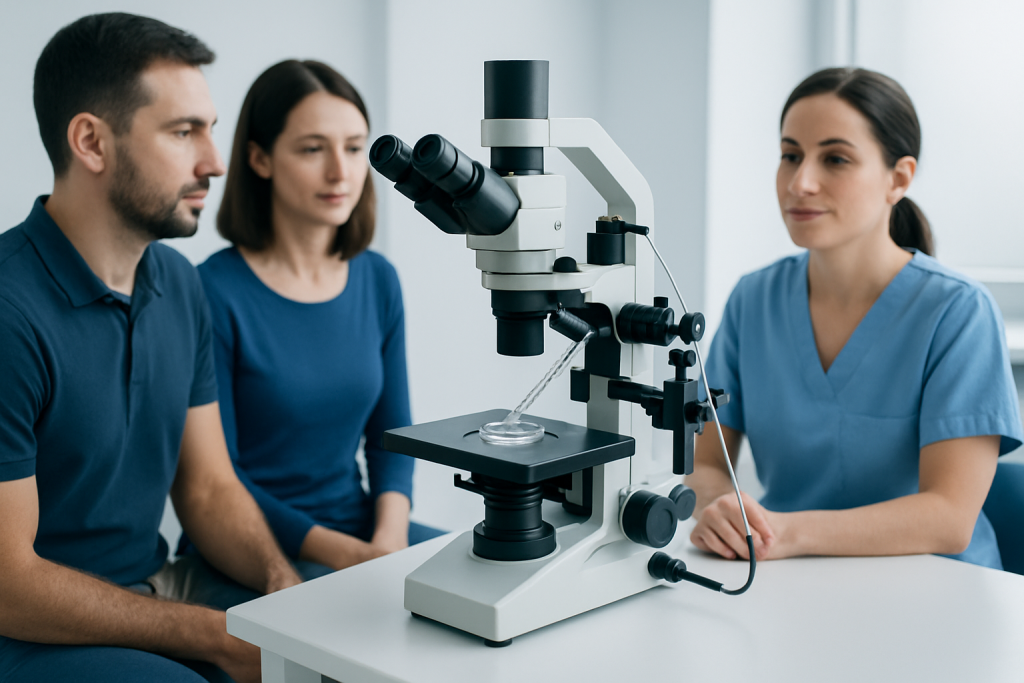
IVF with one’s own eggs is often considered when the ovaries still appear capable of producing eggs and there is no major barrier to fertilization or embryo development. Some patients are young but facing tubal factors, endometriosis, unexplained infertility, or a male factor that makes natural conception difficult. In these situations, own-egg IVF may be a logical first step.
Doctors also look for evidence that ovarian reserve is still adequate. Tests such as anti-Müllerian hormone (AMH), follicle-stimulating hormone (FSH), and antral follicle count can help estimate how the ovaries may respond to stimulation medications. These tests do not predict pregnancy with certainty, but they do help shape a realistic treatment plan.
In general, own-egg IVF may be more likely to be offered when:
- Ovarian reserve markers are acceptable for age and history
- There is a reasonable expectation of retrieving eggs
- There is no major concern about severe egg-related genetic issues
- Prior IVF cycles showed at least some response to stimulation
When Donor Eggs Enter the Conversation
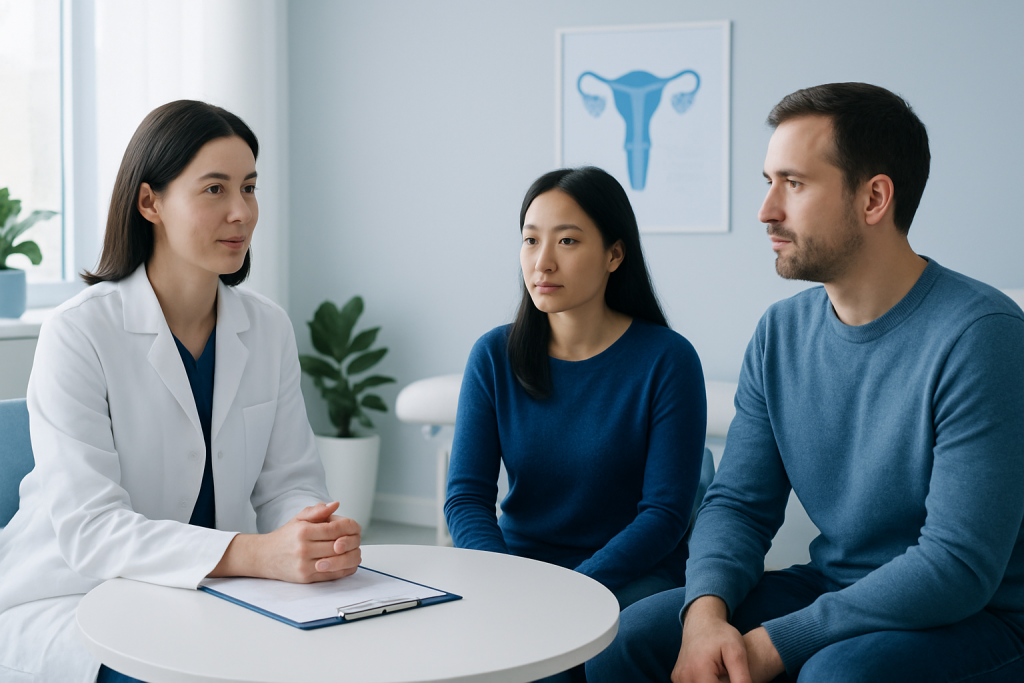
Donor egg IVF is usually discussed when the chance of success with one’s own eggs is thought to be low or when repeated attempts have not produced healthy embryos. This can happen with advanced reproductive age, very low ovarian reserve, premature ovarian insufficiency, or poor egg response in earlier cycles. In some cases, the issue is not egg quantity alone, but egg quality.
For some patients, donor eggs become part of the conversation after difficult news from testing or a miscarriage history that suggests embryo development has been a challenge. The recommendation is not a judgment on anyone’s fertility; it is a medical strategy intended to improve the odds of a live birth while keeping treatment safe and efficient.
Patients may also consider donor eggs if they carry certain inherited conditions and wish to reduce the chance of passing them on, although genetic counseling is often needed in that setting. When donor eggs are used, the pregnancy is still supported by the intended parent’s uterus, hormones, and medical care throughout the cycle.
What the Fertility Workup Usually Includes
Before a doctor recommends one path over the other, both partners — or the patient individually, depending on the family situation — typically undergo a careful evaluation. This helps separate egg-related issues from uterine, sperm-related, hormonal, or general health factors that can also affect pregnancy.
A fertility workup may include blood tests, pelvic ultrasound, semen analysis, and sometimes tests of the uterus and fallopian tubes. The doctor may also review menstrual regularity, prior surgeries, history of miscarriage, endometriosis, autoimmune disease, thyroid concerns, or previous chemotherapy or radiation.
Common tests and reviews may include:
- AMH, FSH, estradiol, and other hormone testing
- Antral follicle count by ultrasound
- Semen analysis and, when needed, additional male fertility testing
- Uterine cavity assessment for polyps, fibroids, or adhesions
- Genetic screening or counseling when indicated
These results help the care team discuss whether own-egg IVF is realistic, whether donor eggs may offer a better chance, or whether another treatment should come first.
How Doctors Weigh the Decision
The decision between own eggs and donor eggs is individualized. A patient may technically be able to do own-egg IVF, yet still decide that donor eggs better fit their goals after understanding the expected response, time, and likelihood of success. Others strongly prefer to try with their own eggs first, even if the odds are modest, because that aligns with their personal values.
Doctors usually consider the balance of medical, emotional, and practical factors. Age is important, but it is not the only issue. Ovarian reserve, prior IVF response, the number of eggs retrieved before, embryo quality, and any known genetic or uterine issues all shape the recommendation.
For international patients, timing matters too. Some choose a consultation visit first, then complete part of the testing locally before returning for treatment. Others arrive already knowing they are more likely to need donor eggs and want the process organized in advance so that medication, donor matching, and transfer dates can be coordinated efficiently.
Treatment Paths: Own Eggs Versus Donor Eggs
IVF with own eggs usually begins with ovarian stimulation, egg retrieval, fertilization in the laboratory, and Frozen Embryo Transfer vs. Fresh Transfer: When Each One Makes More Sense" class="ahp-ilk">embryo transfer. The main challenge is that the ovaries may not produce many eggs, especially with advancing age or low reserve. Even then, some patients prefer to proceed because the treatment preserves genetic connection and can be the right medical fit.
With donor egg IVF, the focus shifts away from retrieving eggs from the intended parent and toward preparing the uterus for embryo transfer. The donor may be anonymous or known, depending on local laws and program design. The intended parent still carries the pregnancy and goes through the embryo transfer and hormonal support phases.
The main practical differences often include:
- Own-egg IVF requires ovarian stimulation and egg retrieval
- Donor egg IVF may reduce concern about egg quantity or quality
- Donor egg cycles may involve donor screening and matching
- Both approaches require careful uterine preparation and follow-up
Neither path guarantees pregnancy, but each serves a different clinical situation. The best choice is the one that aligns with the patient’s biology and priorities after informed counseling.
Prevention & Self-care
People cannot change every fertility factor, but they can support their treatment journey with practical self-care. A steady routine, adequate sleep, balanced nutrition, and moderate physical activity are often encouraged. If smoking, heavy alcohol use, or recreational drug use is present, stopping is important because these can affect fertility and overall pregnancy health.
Patients planning treatment abroad should also think ahead about travel and recovery. IVF cycles involve monitoring, appointments, and emotional ups and downs, so it helps to build in rest time and avoid scheduling every day tightly. Bringing prior records, test results, and a medication list can make an international consultation more productive.
It can also help to prepare emotionally for either outcome. Some people feel relief when donor eggs are recommended, while others need time to process the change. Support from a counselor, trusted partner, or fertility support group may make the decision clearer and the treatment experience easier to navigate.
When to See a Doctor
A fertility specialist should be consulted when pregnancy has not occurred after a period of trying, when cycles are irregular, or when there is a known condition that may affect egg supply or embryo development. It is also reasonable to seek an expert opinion sooner if there is a history of endometriosis, pelvic surgery, recurrent miscarriage, premature menopause, or previous chemotherapy.
Patients who have already tried IVF may want a review if the cycle produced few eggs, poor-quality embryos, or no pregnancy. In that setting, the doctor can explain whether another own-egg attempt is sensible or whether donor eggs would be a more effective next step.
For people coming from another country, an early consultation can save time and reduce uncertainty. Acibadem Health Point’s multidisciplinary specialists and JCI-accredited hospitals diagnose and treat fertility conditions for international patients with coordinated, patient-centered care.
Any new pain, heavy bleeding, or sudden symptoms should also be discussed promptly. Fertility treatment is safest when the medical team knows the full picture, including general health issues that might affect pregnancy or medication choices.
What to Ask at the Consultation
A good fertility visit should leave the patient with a clearer map, not more confusion. Asking focused questions can help turn test results into a treatment plan that feels understandable and personal. This is especially useful when making decisions from abroad, because time on site may be limited.
Useful questions include: What do the ovarian reserve tests suggest? Is own-egg IVF realistic in this case, and if so, what would the expected response be? If donor eggs are recommended, what screening and matching steps are involved, and how would the cycle be coordinated?
Patients may also ask about genetic testing, embryo freezing, the number of visits required, and what follow-up is needed after returning home. The more clearly the process is explained, the easier it becomes to choose a path with confidence.
Frequently asked questions
How do doctors decide between IVF with own eggs and donor eggs?
They usually look at age, ovarian reserve tests, prior IVF response, embryo quality, and any known genetic or medical conditions. The decision is personalized, because two patients with the same age can have very different fertility profiles.
Does having low AMH automatically mean donor eggs are needed?
No. Low AMH suggests a smaller expected egg supply, but it does not by itself decide treatment. A doctor considers the full picture, including ultrasound findings, age, and previous cycle results.
Can IVF with my own eggs still work after a failed cycle?
It may, depending on why the first cycle did not succeed. Sometimes the dose, protocol, or lab outcome can be adjusted; in other cases, donor eggs may offer a more realistic next step.
What is the main advantage of donor egg IVF?
The main advantage is that donor eggs may improve the chance of obtaining healthy embryos when egg quality or quantity is limited. The intended parent still carries the pregnancy, but the egg source is from a screened donor.
Will I still need medication with donor egg IVF?
Usually yes, because the uterine lining must be prepared for embryo transfer and early pregnancy support. The medication plan may differ from own-egg IVF, but it still requires close medical supervision.
Is the emotional decision different from the medical one?
Often, yes. Medical suitability and personal feelings do not always point in the same direction, so many people need time to process the options. Counseling can help patients choose a path that is both medically sound and emotionally manageable.
Can international patients arrange testing before traveling for IVF?
In many cases, yes. Records, hormone tests, and some imaging can often be reviewed in advance so the in-person visit is used more efficiently. A fertility team can advise which steps must be done on site.
References
- American Society for Reproductive Medicine
- European Society of Human Reproduction and Embryology
- Centers for Disease Control and Prevention
- World Health Organization
- National Institute for Health and Care Excellence
This article is for general information only and is not a substitute for professional medical advice. Please consult a qualified doctor about your individual situation.
More from the Health Library



Related Specialists

Prof. Dr. A. Taner Usta
Gynecology & Obstetrics
Prof. Dr. Ahmet Tayyar
Gynecology & Obstetrics
Prof. Dr. Ahmet Cem Batukan
Gynecology & Obstetrics
Dr. Sevgi Selen
Gynecology & Obstetrics