Pregnancy After IVF: What Follow-Up Looks Like Once You Fly Home

Key Takeaways
- Early pregnancy after IVF often needs structured follow-up, especially in the first few weeks after transfer.
- A local obstetrician or fertility specialist can help confirm the pregnancy and monitor symptoms, blood tests, and early scans.
- Mild cramping, spotting, and fatigue may occur, but heavy bleeding or severe pain should be assessed promptly.
- Medication plans, travel timing, and appointment schedules should be reviewed before leaving the treatment center.
- Clear communication between the IVF clinic and home-based doctor can make follow-up safer and less stressful.
Medically reviewed by the Acıbadem clinical team — June 13, 2026
After IVF, the journey does not end with a positive test. Once a patient flies home, follow-up care focuses on confirming the pregnancy, monitoring early development, and coordinating local and fertility-team support in a practical way.
Overview
For many people, the most emotional part of IVF happens after they leave the treatment center and return home. A positive result is a milestone, but it is also the start of a period that can feel uncertain, especially when the patient is no longer near the clinic that guided the cycle.
Follow-up after IVF pregnancy is usually about continuity: confirming that the pregnancy is developing as expected, making sure medications are used correctly, and arranging local care that can step in quickly if needed. The early weeks are often a blend of hope, caution, and practical planning rather than constant intervention.
Because every pregnancy is different, the follow-up plan should be individualized. Some patients need more frequent blood tests or ultrasound scans, while others can transition fairly smoothly to standard prenatal care once the pregnancy is stable. The key is knowing what to expect before flying home so the next steps feel organized rather than improvised.
What the early follow-up period usually includes
Right after Frozen Embryo Transfer vs. Fresh Transfer: When Each One Makes More Sense" class="ahp-ilk">embryo transfer or a positive pregnancy test, the IVF clinic may schedule blood work to track human chorionic gonadotropin, often called hCG. In some cases, repeat testing is used to see whether levels are rising in a pattern that suggests an ongoing pregnancy. A first ultrasound is commonly arranged a few weeks later to confirm the location of the pregnancy and check for a heartbeat when appropriate.
If the patient is traveling home before those checks are complete, the clinic may provide a written plan for what should happen next. That may include when to repeat blood tests, when to have an ultrasound locally, and which symptoms warrant a call to the doctor. This is especially helpful for international patients who need to coordinate care across borders and time zones.
Medication review is another part of early follow-up. IVF pregnancies often involve hormonal support, such as progesterone or other medications prescribed by the fertility team. Patients are usually advised not to stop, start, or change any medication without medical guidance, because the first trimester may depend on a carefully sequenced plan.
Symptoms that can be normal, and symptoms that should not be ignored

Some symptoms in early IVF pregnancy can be unsettling but still fall within a normal range. Mild cramping, a sense of pelvic heaviness, breast tenderness, nausea, bloating, and fatigue are all commonly reported in early pregnancy. Light spotting can also happen, particularly around the time of implantation or after vaginal procedures, though it still deserves mention to a clinician.
What matters most is the pattern and intensity of symptoms. A small amount of spotting that resolves is different from bleeding that becomes heavier, persists, or is accompanied by strong pain. New or worsening one-sided pelvic pain, shoulder pain, dizziness, fainting, or severe abdominal pain should be assessed promptly because early pregnancy complications can occasionally present this way.
Patients should also pay attention to signs that are not obviously gynecologic, such as fever, chills, painful urination, or severe vomiting that prevents hydration. Even if these symptoms are not directly related to IVF, they can affect pregnancy and should be discussed with a doctor.
How causes and risk factors shape the follow-up plan
IVF pregnancy follow-up is shaped by the reason IVF was needed in the first place, as well as the details of the treatment cycle. A history of recurrent miscarriage, endometriosis, blocked tubes, male-factor infertility, advanced maternal age, or previous ectopic pregnancy may lead the care team to monitor more closely. The exact plan depends on medical history rather than IVF alone.
Transfer of more than one embryo, where it is done, can increase the chance of a multiple pregnancy and may change the way early scans are scheduled. Patients with ovarian hyperstimulation syndrome, thyroid disease, diabetes, high blood pressure, or autoimmune conditions may also need closer coordination between fertility and general medical care.
Travel itself is not usually the cause of a problem, but flying home can make it harder to access the original clinic quickly. That is why risk planning matters: the safest follow-up is often the one that anticipates where the patient will be, who will receive the results, and how urgently questions can be answered.
How doctors confirm that the pregnancy is progressing
Confirmation usually begins with laboratory testing. hCG blood tests help the team understand whether the pregnancy is developing, though numbers are interpreted in context rather than in isolation. A single result rarely tells the whole story; trends, symptoms, and timing from embryo transfer all matter.
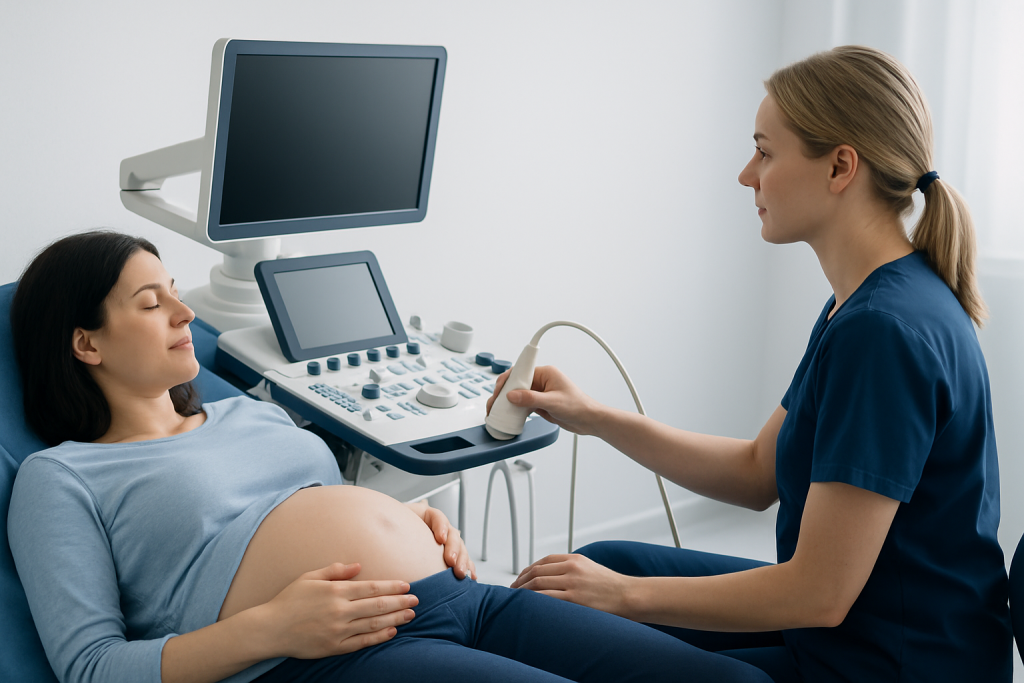
Ultrasound is the next major checkpoint. It can help confirm that the pregnancy is in the uterus, which is especially important after fertility treatment, and can later show the gestational sac, yolk sac, fetal pole, and heartbeat at the appropriate stage. If the patient has flown home, this scan may be arranged with a local obstetrician or imaging center, with results shared back to the fertility clinic if needed.
Some patients also need routine pregnancy blood tests or screening based on their age and health history. The transition from fertility care to prenatal care is often gradual, and a good follow-up plan explains who is responsible for each step so nothing is missed.
Treatment options and ongoing support
There is no single treatment for “pregnancy after IVF,” because the goal is not to treat the pregnancy itself but to support it safely. In the early phase, that support may include hormonal medication, symptom monitoring, repeat labs, and one or more ultrasounds. If a problem is identified, treatment depends on the diagnosis and may range from observation to urgent medical care.
Once the pregnancy is stable, many patients transition to standard prenatal care with an obstetrician or maternal-fetal medicine specialist, depending on their risk profile. This handoff works best when the IVF clinic provides a summary of the treatment cycle, embryo transfer date, medications used, and any complications during stimulation or retrieval. For an international patient, that documentation can make local follow-up far smoother.
Some people benefit from a short telemedicine review after they arrive home, especially if travel spans several hours or countries. A quick review of symptoms, medications, and the next scan date can reduce uncertainty and help the patient know whether the current course is reassuring or needs attention.
Prevention, self-care, and practical planning after the flight home
Self-care after IVF pregnancy is usually uncomplicated, but it does benefit from structure. Patients are often encouraged to rest enough, stay hydrated, eat regularly, and avoid smoking, alcohol, and non-prescribed medications. Gentle daily movement is usually reasonable, but strenuous exercise or activities that provoke pain should be discussed with the doctor.
Planning matters as much as self-care. Before flying home, it helps to leave the clinic with a printed or digital summary that includes test dates, scan timing, medication instructions, emergency contact details, and the name of a local doctor if one has already been chosen. This reduces the chance of confusion when questions come up at 2 a.m. in a different time zone.
- Keep medication schedules written down.
- Know where to get urgent care locally.
- Save all IVF records in one place.
- Arrange the first prenatal or follow-up appointment before travel if possible.
These small steps often make the transition calmer. They also support better continuity if the pregnancy needs closer observation during the first trimester.
When to see a doctor
Patients should contact a doctor promptly if they have heavy vaginal bleeding, severe or one-sided pelvic pain, fainting, shortness of breath, or shoulder pain. These symptoms do not always mean a serious problem, but they deserve timely assessment, especially after IVF when early complications need to be ruled out.
It is also wise to seek advice if symptoms are milder but persistent, such as ongoing spotting, increasing abdominal discomfort, repeated vomiting, or fever. Questions about medication continuation, missed doses, or the timing of the first ultrasound are also appropriate reasons to reach out; early pregnancy care works best when concerns are addressed before they escalate.
For patients traveling internationally, a follow-up plan should identify who to contact at home and how to reach the fertility team that managed the cycle. Acibadem Health Point’s multidisciplinary specialists and JCI-accredited hospitals can help diagnose and treat this condition for international patients, with coordination that supports the transition from treatment abroad to care at home.
Recovery, reassurance, and the road ahead
Pregnancy after IVF can bring a mix of excitement and vigilance, and both are normal. The aim of follow-up is not to create constant worry, but to provide enough structure that the patient can move through the early weeks with confidence and clear medical support.
Once the pregnancy is confirmed and a local care pathway is in place, most patients can gradually settle into routine prenatal care. Even then, it remains reasonable to keep the fertility team’s records handy, because a well-documented start often makes the rest of pregnancy easier to navigate.
When the journey begins in one country and continues in another, good communication becomes part of the treatment. A thoughtful follow-up plan can turn a complicated transition into a manageable one, allowing the patient to focus on the pregnancy itself rather than on the logistics around it.
Frequently asked questions
How soon after IVF should the pregnancy be checked once the patient is home?
The timing depends on the clinic’s protocol and the stage of pregnancy when travel happens. Many patients need repeat blood tests and then an ultrasound a few weeks later to confirm normal early development. The fertility team usually provides a schedule before the patient leaves.
Is flying home after IVF pregnancy safe?
Many patients do travel home after embryo transfer or an early positive test, but the timing should be discussed with the fertility team first. Safety depends on the pregnancy stage, symptoms, and whether any complications are present. A clear follow-up plan helps make travel and handoff to local care safer.
What medications are usually continued after a positive IVF test?
Some patients continue hormonal support such as progesterone, and sometimes other medications, depending on the treatment protocol. The exact plan should come from the prescribing doctor, because stopping medications too early may not be appropriate. Patients should not change doses on their own.
What symptoms are common in early IVF pregnancy?
Mild cramping, fatigue, breast tenderness, nausea, bloating, and light spotting can occur. These symptoms are not always a sign of trouble, but they should still be reported if they become stronger or more persistent. Severe pain or heavy bleeding needs medical attention.
When should a patient contact a doctor urgently?
Urgent advice is needed for heavy bleeding, severe abdominal or one-sided pelvic pain, shoulder pain, fainting, or shortness of breath. Fever, worsening vomiting, or trouble keeping fluids down should also be assessed. If the patient is unsure, it is better to call early rather than wait.
Can a local doctor take over care after IVF?
Yes, in many cases a local obstetrician or maternal-fetal medicine specialist can take over once the pregnancy is established. Sharing IVF records, medication lists, and scan results makes that transition much smoother. The fertility clinic may still remain available for questions during the handoff.
References
- American Society for Reproductive Medicine
- American College of Obstetricians and Gynecologists
- National Health Service
- World Health Organization
- Mayo Clinic
This article is for general information only and is not a substitute for professional medical advice. Please consult a qualified doctor about your individual situation.
More from the Health Library



Related Specialists

Prof. Dr. A. Taner Usta
Gynecology & Obstetrics
Prof. Dr. Ahmet Tayyar
Gynecology & Obstetrics
Prof. Dr. Ahmet Cem Batukan
Gynecology & Obstetrics
Dr. Sevgi Selen
Gynecology & Obstetrics