What Can Lower IVF Success Rates Before You Start: Age, Hormones, and Uterine Findings

Key Takeaways
- Age affects egg quality and embryo potential, so fertility plans often change over time.
- Hormone tests help show how the ovaries may respond to stimulation and whether cycles are likely to be predictable.
- Uterine issues such as polyps, fibroids, adhesions, or cavity shape changes may affect implantation and need evaluation.
- A careful fertility workup before IVF can reveal treatable factors and guide the most suitable approach.
- Healthy lifestyle habits can support treatment, but they do not replace medical assessment of fertility factors.
Medically reviewed by the Acıbadem clinical team — June 13, 2026
Several factors can influence IVF success before treatment even starts, especially age, hormone patterns, and findings in the uterus. Understanding these details helps patients and doctors choose the most appropriate plan and avoid unnecessary delays.
Overview
IVF is often discussed as a treatment that begins with injections and egg retrieval, but the real starting point is earlier: with the body’s baseline fertility picture. Before a cycle is planned, doctors look at factors that may shape how eggs develop, how the ovaries respond to medication, and whether the uterus is ready to receive an embryo.
Three areas usually carry the most weight in this early assessment: age, hormone results, and the appearance of the uterus. None of these findings automatically rules out IVF. They do, however, help the care team set realistic expectations, choose the safest protocol, and decide whether anything should be treated first.
For many international patients, this stage is also where travel planning starts to matter. A complete evaluation before the trip can prevent surprises later, especially when treatment depends on timing, repeat testing, or a procedure such as hysteroscopy before Frozen Embryo Transfer vs. Fresh Transfer: When Each One Makes More Sense" class="ahp-ilk">embryo transfer.
How Age Shapes IVF Success
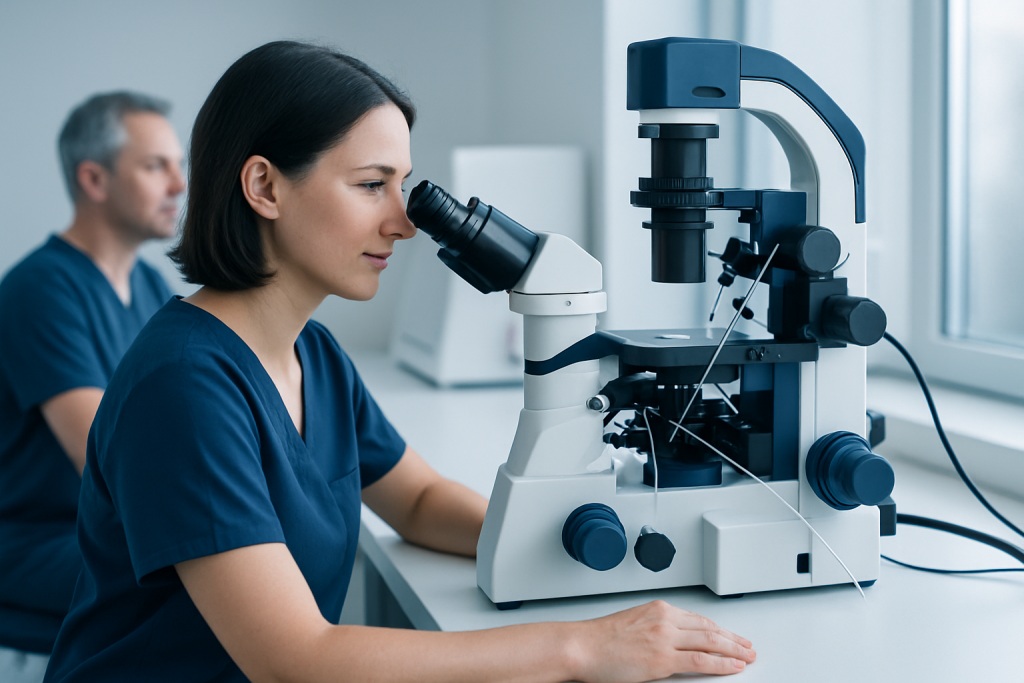
Age remains one of the strongest predictors of IVF outcome because it is closely tied to egg quality and the number of eggs available. As people get older, the ovaries usually contain fewer eggs, and a larger share of embryos may have chromosome changes that make implantation less likely or increase the chance of early loss.
This does not mean IVF cannot work at later reproductive ages. It means the treatment plan may need to be adjusted. Some patients may benefit from moving more quickly to IVF rather than trying repeated lower-intensity treatments, while others may need counseling about donor eggs or embryo banking depending on their situation.
Age is only one part of the picture. A younger patient can still have poor IVF prospects if there is severe diminished ovarian reserve, endometriosis, or a uterine problem. Likewise, an older patient may still respond well to treatment if the rest of the fertility workup is favorable.
Hormones and Ovarian Reserve
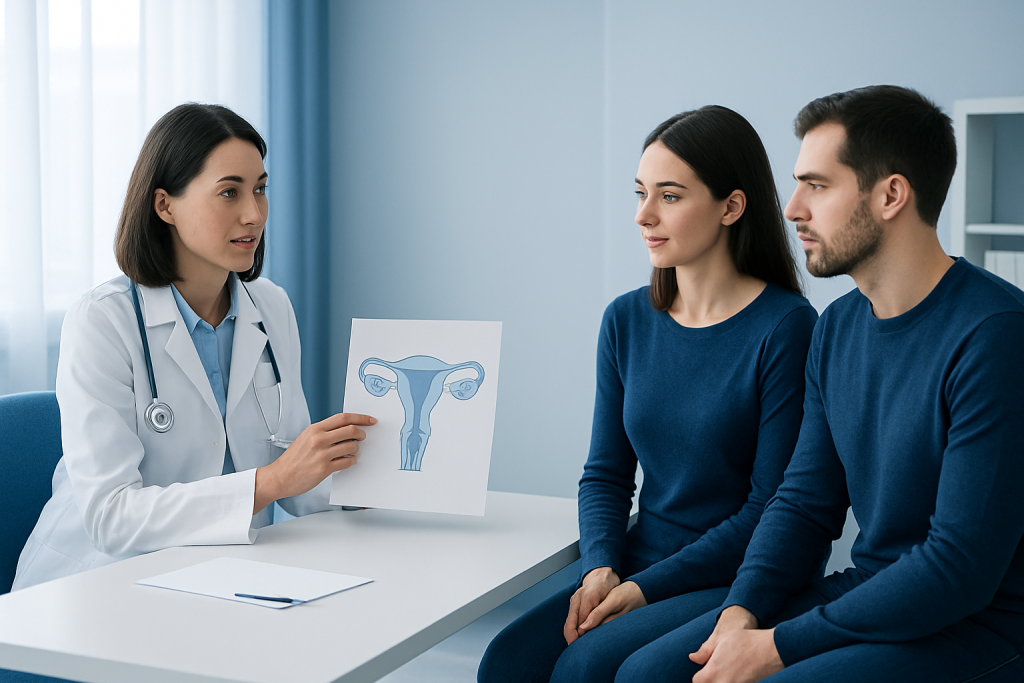
Hormone tests help doctors estimate how the ovaries are functioning before stimulation begins. Commonly assessed markers include follicle-stimulating hormone (FSH), anti-Müllerian hormone (AMH), luteinizing hormone (LH), estradiol, and sometimes thyroid and prolactin levels, depending on the history. These results do not predict success perfectly, but they offer valuable clues about ovarian reserve and cycle behavior.
Low AMH or an elevated FSH may suggest that the ovaries could respond less robustly to stimulation. That can mean fewer eggs retrieved, which sometimes reduces the number of embryos available for transfer or freezing. On the other hand, very high estrogen levels before treatment can sometimes signal a problem such as a functional cyst or a cycle that should be reassessed before proceeding.
Hormones also matter beyond the ovaries. Thyroid imbalance, elevated prolactin, insulin resistance, and some patterns seen in polycystic ovary syndrome can affect ovulation, egg maturation, and implantation. A doctor may recommend correcting these issues first so the IVF cycle starts from a more stable hormonal baseline.
Uterine Findings That May Affect Implantation
Even when eggs and embryos look promising, the uterus still has to provide a healthy environment for implantation. Structural findings inside or around the uterine cavity can interfere with that process, especially if they change the shape of the cavity or affect the lining.
Examples include uterine polyps, submucosal fibroids, adhesions or scar tissue, congenital uterine shape differences, and sometimes a thin or irregular endometrium. Some findings are small and incidental, while others are more likely to reduce the chance of a successful transfer. The importance of the finding depends on its size, location, and whether it distorts the cavity.
Many of these issues can be evaluated with ultrasound, saline infusion sonography, or hysteroscopy. If treatment is needed, it may happen before embryo transfer or, in some cases, before any IVF cycle is started. This careful sequencing can save time later and may avoid transferring an embryo into an environment that has not yet been optimized.
Other Factors That Can Lower the Odds
Although age, hormones, and uterine findings are central, they are not the only factors that may influence IVF success. A history of endometriosis, prior pelvic infection, tubal disease, smoking, significant obesity or underweight status, and some genetic or autoimmune conditions can all play a role. Male factor infertility also matters, because sperm quality affects embryo development.
Sometimes a patient has several modest issues rather than one major barrier. In that situation, the combined effect can be meaningful. For example, a patient with borderline ovarian reserve, irregular thyroid function, and a small cavity polyp may not need a radically different plan, but the team may want to address each issue before proceeding.
This is why a full pre-IVF review is more useful than focusing on a single lab value. Fertility treatment works best when the plan reflects the whole picture, not just one number on a test report.
How Doctors Evaluate the Fertility Picture Before IVF
The pre-IVF workup usually begins with a detailed medical history, menstrual history, prior pregnancies or losses, and any previous fertility treatment. Blood tests and ultrasound are then used to assess hormones, ovarian reserve, and uterine anatomy. Depending on the case, doctors may also check semen analysis, infectious disease screening, genetic carrier status, or thyroid function.
Imaging helps answer practical questions. Is the uterine cavity open and regular? Are there fibroids pressing into the cavity? Is there evidence of a polyp or scar tissue that should be removed before transfer? These questions matter because even a technically successful retrieval may not lead to pregnancy if the uterine environment is not ready.
For some patients, a doctor may recommend repeating a test if timing, medication use, or a recent cycle could affect the result. This is especially relevant for patients traveling from another country, since treatment plans need enough flexibility to fit both the medical schedule and the logistics of being away from home.
Treatment Options, Prevention, and Self-care
When a factor is found before IVF, the goal is usually to improve the setting rather than abandon treatment. Hormonal imbalances may be corrected first, polyps or certain fibroids may be removed, and thyroid or prolactin issues may be brought under control. In some cases, the plan changes from fresh transfer to frozen transfer, or from one stimulation approach to another.
Self-care can support the treatment journey, but it should be seen as a partner to medical care, not a substitute. A balanced diet, regular sleep, moderate physical activity, avoiding tobacco, and limiting alcohol can all help overall reproductive health. If weight, blood sugar, or stress levels are relevant, a clinician may advise gradual, realistic changes before or during treatment.
Patients should also prepare for the practical side of care: bring prior test results, identify a local clinician for follow-up if needed, and understand which steps require in-person visits. For people considering care abroad, this preparation can reduce uncertainty and make the return home smoother after retrieval, transfer, or uterine treatment.
When to See a Doctor
A fertility evaluation is worthwhile before starting IVF if conception has not occurred after an appropriate period of trying, if menstrual cycles are irregular, or if there is a history of miscarriage, endometriosis, pelvic surgery, or known uterine abnormalities. It is also important when previous fertility treatment has failed or when ovarian reserve tests suggest limited time may be available.
Medical review is especially helpful if there are symptoms such as very heavy periods, bleeding between periods, painful periods, or pelvic pressure, because these can sometimes point to uterine fibroids, polyps, or other cavity-related findings. Likewise, if blood tests show thyroid dysfunction or elevated prolactin, treatment should not be delayed without a plan.
Patients who are traveling for care may benefit from arranging this evaluation early, before making non-refundable travel plans. At Acibadem Health Point, multidisciplinary specialists and JCI-accredited hospitals support international patients with diagnosis and treatment planning for IVF-related concerns, including age-related fertility questions and uterine evaluation.
Frequently asked questions
Does a lower AMH level mean IVF will not work?
Not necessarily. AMH helps estimate ovarian reserve and expected response to stimulation, but it does not predict IVF success on its own. Some patients with lower AMH still achieve pregnancy, especially when other factors are favorable.
Why is age so important before IVF starts?
Age is closely linked to egg quality and the chance of chromosome abnormalities in embryos. As age increases, the chance of needing more eggs or more than one cycle may also rise. A doctor uses age together with hormone results and ultrasound findings to guide planning.
Can uterine polyps or fibroids always be ignored if they are small?
Not always. The most important question is whether they affect the uterine cavity or lining. Even a small lesion may matter if it changes the space where implantation should occur.
What tests are usually done before IVF?
Common tests include ovarian reserve hormones, pelvic ultrasound, semen analysis, and sometimes thyroid or prolactin testing. If the uterus needs closer review, saline sonography or hysteroscopy may be recommended. The exact workup depends on the patient’s history.
Can lifestyle changes improve IVF success rates?
Healthy habits can support reproductive health and overall treatment tolerance, especially if smoking, alcohol, weight, or blood sugar are concerns. Still, lifestyle changes cannot replace medical evaluation of age-related fertility, hormones, or uterine findings.
Should international patients complete testing before traveling for IVF?
Yes, that is often the most efficient approach. Having key tests done early helps the team confirm whether treatment can begin, whether any procedure is needed first, and how to time travel and follow-up safely.
References
- American Society for Reproductive Medicine
- European Society of Human Reproduction and Embryology
- World Health Organization
- U.S. National Library of Medicine
- Mayo Clinic
This article is for general information only and is not a substitute for professional medical advice. Please consult a qualified doctor about your individual situation.