Appendix Pain: Symptoms, Causes and Treatment

Key Takeaways
- Appendix pain often starts near the navel and may move to the lower right abdomen.
- Pain with fever, nausea, vomiting, or loss of appetite can suggest appendicitis.
- Doctors use a physical exam, blood tests, and imaging to confirm the cause.
- Treatment often involves surgery, though some cases may be managed with antibiotics.
- Sudden worsening pain or a rigid abdomen should be assessed urgently.
Medically reviewed by the Acıbadem clinical team — August 19, 2026
Appendix pain is often linked to appendicitis, a condition that usually needs prompt medical assessment. Recognizing the pattern of symptoms early can help a person seek care before complications develop.
Overview
Appendix pain is a common way people describe discomfort that may come from the appendix, a small pouch attached to the large intestine. When the appendix becomes inflamed, the condition is called appendicitis, and it is one of the more important causes of abdominal pain that should not be ignored.
The challenge is that early appendix pain can feel vague. It may begin as a dull ache around the belly button before shifting to the lower right side of the abdomen. Because other digestive problems can look similar, the pattern of symptoms matters as much as the pain itself.
For people deciding whether to seek care at home or while traveling, the key question is not whether the pain is “severe enough,” but whether it is new, persistent, and getting worse. Appendix-related pain is usually not something to watch for many days without medical advice.
Symptoms
The discomfort of appendicitis often changes over time. A person may first notice a general stomach ache, then develop sharper pain in the lower right abdomen. Movement, coughing, walking, or even riding in a car may make it feel worse.
Other symptoms often appear alongside the pain. These may include nausea, vomiting, reduced appetite, low-grade fever, bloating, or constipation. Some people also notice diarrhea, which can make the picture less obvious at first.
- Pain that starts near the navel and shifts downward
- Tenderness when pressing on the lower right abdomen
- Loss of appetite
- Nausea or vomiting
- Fever or chills
Symptoms can differ in children, older adults, and pregnant people. The appendix may sit in a slightly different position in the body, which can change where the pain is felt and make diagnosis more complex.
Causes & Risk Factors

Appendicitis usually develops when the appendix becomes blocked and inflamed. The blockage may happen because of hardened stool, swelling of lymph tissue, or, less commonly, other material in the intestine. Once the opening is blocked, bacteria can multiply and the tissue may become irritated and infected.
There is no single everyday habit that reliably causes appendix pain, and many cases happen without a clear warning. However, appendicitis can be more likely in children, teenagers, and young adults, although it can occur at any age. A family history may also play a role in some people.
Because abdominal pain has many possible sources, doctors also consider conditions that can mimic appendicitis, such as bowel infection, urinary problems, ovarian cysts, or Kidney Stones: Symptoms, Pain and When to Seek Care" class="ahp-ilk">kidney stones. That is one reason proper evaluation is so important when the pain localizes to one side.
Diagnosis
Diagnosis begins with a careful history of the pain: when it started, where it moved, and which symptoms appeared with it. A clinician will usually examine the abdomen for tenderness, guarding, or pain that increases when pressure is released.
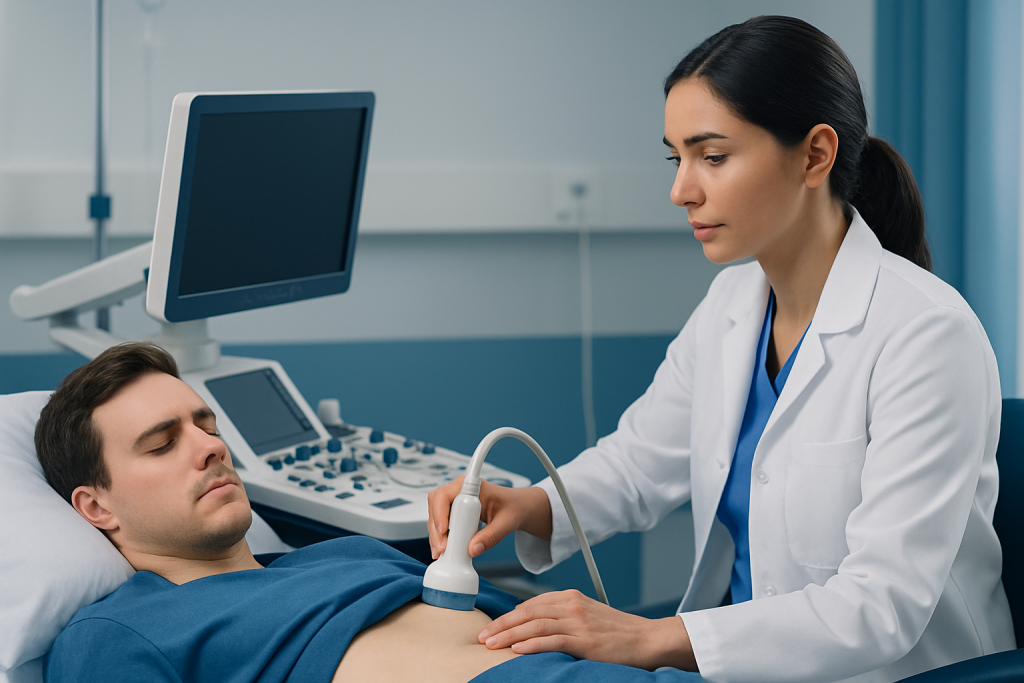
Blood tests may show signs of inflammation or infection, and urine tests can help rule out other causes. In many cases, imaging is used to improve certainty. Ultrasound is often helpful, especially in children and pregnant people, while CT scanning can provide detailed information in adults when needed.
Sometimes the diagnosis is straightforward, and sometimes it takes time because early appendicitis can look similar to other stomach illnesses. If a person is traveling or far from home, it is still reasonable to seek evaluation quickly rather than waiting for a familiar doctor to become available.
Treatment Options
Appendicitis is usually treated as a medical condition that needs prompt attention. Surgery to remove the appendix, called an appendectomy, is the most common treatment, especially when the appendix is very inflamed or there is concern for rupture.
In selected cases, doctors may recommend antibiotics first, particularly when the inflammation is uncomplicated and imaging findings support that approach. The best option depends on the person’s age, the stage of illness, and whether there are signs of infection spreading outside the appendix.
When surgery is recommended, it may be performed laparoscopically through small incisions or through a larger incision if the situation is more complex. If the appendix has ruptured, treatment may include drainage, antibiotics, and a longer recovery period. The care plan is individualized rather than one-size-fits-all.
Prevention & Self-care
There is no guaranteed way to prevent appendicitis, since it often begins without a predictable cause. Still, paying attention to new abdominal symptoms can help a person act early, which is the most practical form of self-care in this situation.
Until a doctor evaluates the pain, it is safer to avoid laxatives, enemas, or heavy meals, since these may complicate the picture. Rest, small sips of water if tolerated, and arranging prompt medical assessment are usually more appropriate than trying to manage the pain on one’s own.
For people recovering after appendectomy, self-care often includes wound care, gradual movement, and following the surgical team’s advice about activity, diet, and follow-up. International patients may also need clear instructions for medication timing and when to seek help after returning home.
When to See a Doctor
Medical evaluation is recommended as soon as appendix pain is suspected, especially if the pain is getting stronger or shifting to the lower right abdomen. Appendicitis can worsen over time, so early assessment is the safest path.
Urgent care is particularly important if the person has fever, vomiting, inability to pass gas, a swollen abdomen, faintness, or pain that becomes severe with movement. A rigid abdomen or pain that suddenly changes character can signal a more serious problem.
If a person is abroad or unsure where to go, an emergency department or urgent surgical assessment is usually the best place to start. For international patients, Acibadem Health Point’s multidisciplinary specialists and JCI-accredited hospitals diagnose and treat appendicitis with coordinated care from evaluation through recovery.
Recovery and Follow-Up
Recovery depends on whether the appendix was removed before or after complications developed. After uncomplicated laparoscopic surgery, many people return to light daily activity sooner than they expect, but full recovery still requires patience and adherence to the surgeon’s advice.
If the appendix ruptured, recovery may take longer and follow-up becomes especially important. Doctors may monitor for infection, bowel function, and proper wound healing, and they may adjust antibiotics or other care based on progress.
For people leaving the country after treatment, follow-up planning should be clear before travel. This may include when stitches need review, what symptoms should prompt a local doctor visit, and which records should be carried for continuity of care.
Frequently asked questions
Is appendix pain always appendicitis?
Not always. Abdominal pain can come from many causes, including digestive infections, urinary problems, or muscle strain. However, pain that moves to the lower right abdomen and comes with nausea or fever should be assessed promptly.
Can appendix pain go away on its own?
Sometimes abdominal discomfort improves temporarily, but that does not reliably mean the problem is gone. Appendicitis can progress even after symptoms seem to ease, so a doctor should evaluate any suspicious pain.
Where exactly is appendix pain felt?
Classic appendix pain often begins near the belly button and then settles in the lower right side of the abdomen. Some people, especially children or pregnant people, may feel it in a different location.
How do doctors confirm appendicitis?
They combine the symptom pattern with an abdominal exam, blood or urine tests, and often imaging such as ultrasound or CT. No single sign confirms every case, so doctors look at the full picture.
Is surgery always necessary?
Prompt medical review is still advised if symptoms return or worsen after treatment.
What should a person do while waiting to be seen?
It is best to avoid eating a heavy meal and to seek medical advice quickly rather than trying home remedies. If the pain becomes severe, the abdomen becomes rigid, or vomiting and fever develop, emergency care is appropriate.
References
- Mayo Clinic
- Cleveland Clinic
- National Institute of Diabetes and Digestive and Kidney Diseases
- NHS
- American College of Surgeons
This article is for general information only and is not a substitute for professional medical advice. Please consult a qualified doctor about your individual situation.
Persistent digestive symptoms? Get evaluated in Turkey
JCI-accredited · board-certified surgeons · reply within 24h
Add us as a Preferred Source to see more of our trusted health content across Google Search, AI Overviews and Discover.