

Anteverted Uterus: Symptoms, Causes and Treatment

Key Takeaways
- An anteverted uterus usually reflects a normal forward tilt of the uterus, not a disease.
- Most people with an anteverted uterus have no symptoms and need no treatment.
- A pelvic exam or imaging study may identify uterine position, often as part of a broader evaluation.
- Symptoms such as pain, heavy bleeding, or fertility concerns are more often linked to another condition than to uterine tilt alone.
- Medical advice is helpful if pelvic symptoms are new, persistent, or affecting daily life.
Medically reviewed by the Acıbadem clinical team — August 19, 2026
An anteverted uterus is a common uterine position in which the uterus tilts forward toward the bladder. For most people, it is a normal anatomical variation and does not require treatment, though understanding it can help when reviewing symptoms, fertility questions, or pelvic exam findings.
Overview
An anteverted uterus is a uterus that tilts forward toward the bladder rather than leaning backward toward the spine. In medical language, “anteverted” describes direction, not illness. For many women, this is simply the most common uterine position seen during a pelvic examination or on imaging.
It is easy to confuse uterine position with uterine health. The two are not the same. A forward-tilting uterus can be completely normal, and many people never know about it until they have a routine gynecologic check-up, an ultrasound, or an evaluation for another concern such as pelvic pain or irregular periods.
Because people may hear the term in very different settings, it helps to view it as one piece of an overall gynecologic picture. If a doctor mentions an anteverted uterus, the next question is usually not “How do we fix it?” but “Is there anything else explaining the symptoms or the reason for the scan?”
Symptoms
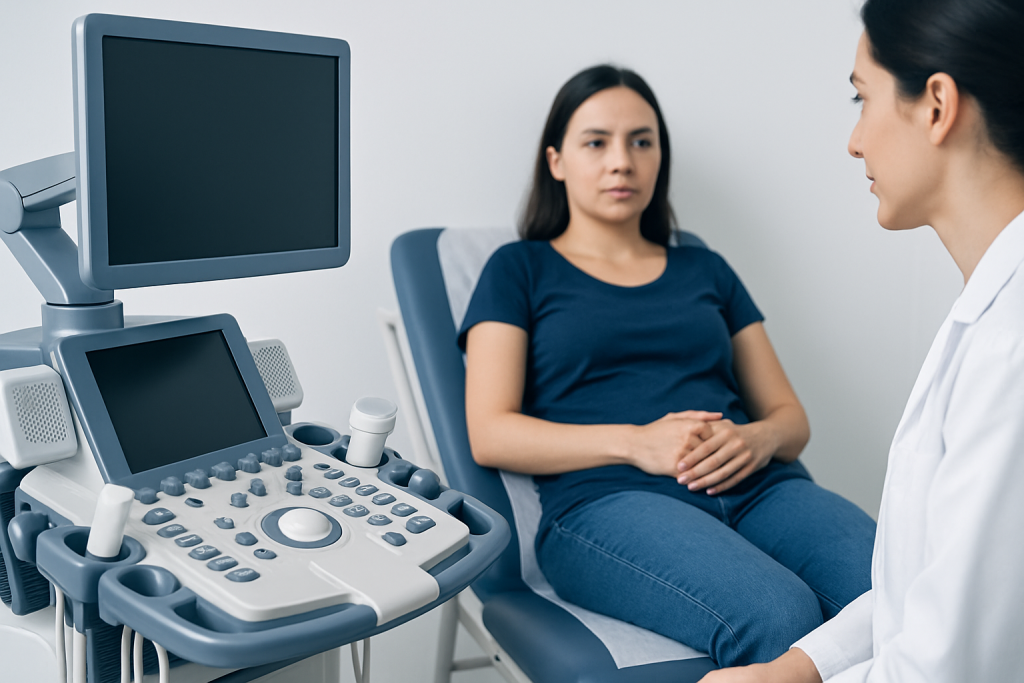
By itself, an anteverted uterus usually causes no symptoms. Many people live with this uterine position their entire lives without any impact on comfort, menstruation, or fertility. The uterus is designed to move slightly with the bladder and surrounding pelvic structures, so a forward tilt is often just part of normal anatomy.
When symptoms do appear, they are often related to another condition rather than the angle of the uterus itself. Pelvic discomfort, painful periods, pain during intercourse, pressure, or abnormal bleeding may prompt an examination, but those symptoms deserve a broader look because they can arise from many different causes.
- Pelvic pain or a feeling of pressure
- Painful menstruation
- Pain with intercourse
- Unusual vaginal bleeding
- Fertility concerns
If a person has these symptoms, it is important not to assume the uterus’s position is the cause. A clinician will usually look for more common explanations such as fibroids, endometriosis, ovarian cysts, adenomyosis, infection, or hormonal changes.
Causes & Risk Factors

In many cases, an anteverted uterus is simply the way the uterus naturally sits in the pelvis. Anatomy varies from person to person, and uterine position is influenced by the shape of the pelvis, the support tissues around the uterus, and the relationship between the uterus and bladder.
Some people are born with a uterus that leans forward. In others, the position may shift over time. Pregnancy, childbirth, menopause-related changes, fibroids, adhesions, or pelvic surgery can influence the support structures around the uterus and affect its orientation. Even so, a change in position does not automatically mean a problem is present.
Risk factors are best understood as factors that may be associated with changes in pelvic anatomy or with conditions that bring a person to medical attention. These can include a history of pelvic surgery, endometriosis, fibroids, or prior pelvic infection. Still, these factors do not mean an anteverted uterus will cause symptoms; they simply help doctors decide what else should be considered during evaluation.
Diagnosis
An anteverted uterus is often identified during a routine pelvic examination. A clinician may note the direction of the uterus while assessing the pelvic organs, but the finding alone is usually only one part of a larger assessment. If the exam suggests there may be pain, enlargement, or another concern, imaging may be recommended.
Pelvic ultrasound is commonly used to look at the uterus, ovaries, and surrounding structures. It can help confirm uterine position and also identify other causes of symptoms, such as fibroids, ovarian cysts, or signs of endometriosis. In some situations, other imaging studies may be needed if the clinical picture is not clear.
Diagnosis is most useful when it answers a practical question: Is the uterus position simply a normal variation, or is there another condition that explains the person’s symptoms? For Myomectomy Recovery for International Patients: The Usual Travel Timeline" class="ahp-ilk">international patients who may be coordinating care across countries, bringing prior records, previous ultrasound reports, and any surgical history can make this evaluation more efficient.
Treatment Options
Most anteverted uteri do not need treatment. If the uterus is simply tilted forward and the person feels well, no intervention is required. Reassurance is often the most appropriate response, especially when the finding was made incidentally during a check-up.
When symptoms are present, treatment focuses on the underlying cause rather than on uterine position itself. For example, pelvic pain may be treated by addressing endometriosis, fibroids, infection, or muscle tension. Irregular bleeding may require a hormonal or structural evaluation. If fertility is a concern, doctors may investigate ovulation, tubal patency, sperm factors, or other reproductive issues rather than the anteverted uterus alone.
In unusual cases where a pelvic condition is causing discomfort or the uterus is being pulled out of its usual position, a specialist may recommend medication, minimally invasive procedures, or surgery depending on the diagnosis. The plan is individualized and based on the full clinical picture, not on the angle of the uterus alone.
Prevention & Self-care
An anteverted uterus itself cannot usually be prevented because it is often a normal anatomical variation. Self-care is therefore less about changing uterine position and more about supporting overall pelvic and reproductive health. Paying attention to menstrual patterns, pain, and changes in bleeding can help a person notice when something new needs assessment.
Helpful day-to-day habits include keeping routine gynecologic visits, tracking periods if they are irregular or painful, and seeking evaluation for persistent pelvic symptoms rather than waiting for them to fade. If intercourse is uncomfortable, trying different positions or using lubrication may improve comfort, but persistent pain should still be discussed with a doctor.
- Attend routine pelvic and gynecologic check-ups
- Track cycle changes, bleeding, and pain patterns
- Seek care for persistent urinary, pelvic, or menstrual symptoms
- Follow postoperative or fertility-care instructions carefully if applicable
For patients traveling for care, it is also useful to keep a simple medical summary in one place: past diagnoses, medications, surgeries, allergies, and recent imaging reports. That record can make follow-up easier after returning home.
When to See a Doctor
Medical advice is appropriate whenever pelvic symptoms are new, severe, worsening, or disrupting daily life. An anteverted uterus by itself is usually not urgent, but the symptoms that lead to its discovery may deserve evaluation. A clinician can help determine whether the issue is a normal variant or something that needs treatment.
It is sensible to arrange an appointment if there is heavy or prolonged menstrual bleeding, pain during sex, chronic pelvic pain, bleeding between periods, trouble becoming pregnant, or urinary symptoms that do not have an obvious cause. A doctor should also be seen after any sudden change following pregnancy, delivery, or pelvic surgery.
If symptoms start while abroad or during an international treatment journey, timely follow-up matters. Acibadem Health Point’s multidisciplinary specialists and JCI-accredited hospitals can help diagnose and treat gynecologic conditions for international patients, with care plans designed to continue smoothly across visits.
Frequently asked questions
Is an anteverted uterus normal?
Yes, it is often a normal uterine position. Many people have an anteverted uterus and never experience any related problems. It becomes medically relevant mainly when symptoms or other findings need evaluation.
Can an anteverted uterus cause infertility?
Usually, no. Fertility problems are more often related to ovulation, tubal factors, sperm factors, or conditions such as endometriosis and fibroids. If pregnancy is taking longer than expected, a full fertility assessment is more helpful than focusing on uterine tilt alone.
Does an anteverted uterus need treatment?
Not usually. If it is simply a normal anatomic variation and there are no symptoms, treatment is not needed. Care is directed only if another condition is causing pain, bleeding, or fertility concerns.
How is an anteverted uterus found?
It is commonly noted during a pelvic exam or seen on ultrasound. The finding is often incidental and may be mentioned alongside other details about the uterus and ovaries.
Can the uterus change from anteverted to retroverted?
Yes, uterine position can vary over time in some people. Pregnancy, pelvic support changes, fibroids, surgery, or scarring can influence position, but a change does not always mean a problem is present.
When should someone seek medical help?
A doctor should be consulted if there is persistent pelvic pain, heavy bleeding, pain with sex, irregular cycles, or difficulty conceiving. These symptoms may be caused by conditions other than uterine position, and they deserve a proper evaluation.
References
- Mayo Clinic
- Cleveland Clinic
- American College of Obstetricians and Gynecologists
- Merck Manual Professional Edition
- NHS
This article is for general information only and is not a substitute for professional medical advice. Please consult a qualified doctor about your individual situation.
Joint and spine care in Turkey — expert assessment & treatment
JCI-accredited · board-certified surgeons · reply within 24h
Add us as a Preferred Source to see more of our trusted health content across Google Search, AI Overviews and Discover.
More from the Health Library



Related Specialists

Dr. Gamze Karababa
Gynecology & Obstetrics
Dr. Onur Özdenoğlu
Gynecology & Obstetrics
Dr. Selcen Bahadır
Gynecology & Obstetrics
Prof. Dr. A. Taner Usta
Gynecology & Obstetrics