

What Is Ovulation?

Key Takeaways
- Ovulation usually happens once per menstrual cycle, but the exact day can vary from person to person and month to month.
- Common ovulation signs may include changes in cervical mucus, mild one-sided pelvic discomfort, and a shift in basal body temperature.
- Stress, hormonal conditions, travel, illness, and some medications can affect ovulation or make cycles less predictable.
- Irregular ovulation can sometimes be managed with lifestyle changes, but persistent changes may need medical evaluation.
- If pregnancy is desired and conception is not occurring, or if periods are very irregular, a clinician can help identify the cause and guide next steps.
Medically reviewed by the Acıbadem clinical team — August 19, 2026
Ovulation is the point in the menstrual cycle when an ovary releases an egg, making pregnancy possible during a limited fertile window. Understanding how it works can help with family planning, cycle tracking, and knowing when irregular patterns deserve medical attention.
Overview
Ovulation is one of the most important moments in the menstrual cycle, even though it often passes without being noticed. It is the time when a mature egg is released from the ovary and can be fertilized by sperm. For people trying to conceive, this short window matters because pregnancy is only possible around ovulation.
The timing is not identical for everyone. In a cycle that lasts around 28 days, ovulation often occurs near the middle, but many healthy cycles are shorter or longer than that. The body’s rhythm can also shift from month to month because of stress, illness, travel, weight changes, or underlying hormone-related conditions.
For Myomectomy Recovery for International Patients: The Usual Travel Timeline" class="ahp-ilk">international patients planning fertility care, understanding ovulation is often the starting point for making smart decisions about testing, timing visits, and coordinating treatment. A clear picture of the cycle can help clinicians decide whether simple tracking is enough or whether further evaluation would be useful.
Symptoms and signs of ovulation
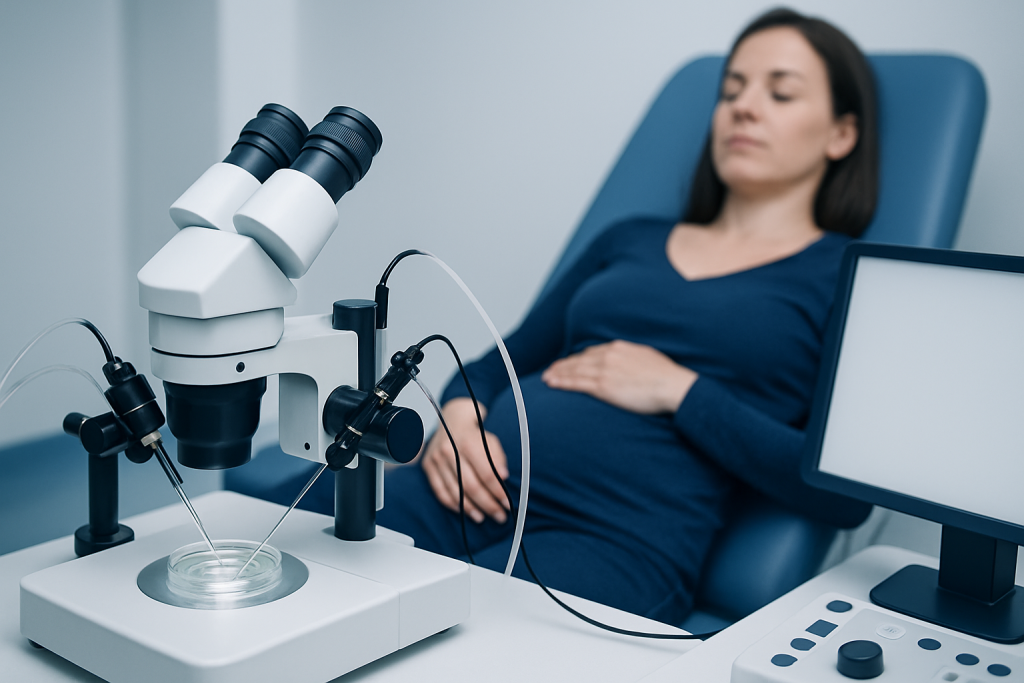
Some people feel no obvious change at all when ovulation occurs. Others notice small clues that the body is moving through its fertile phase. These signs can be subtle, and no single symptom confirms ovulation on its own, but patterns over several cycles can be informative.
Common signs may include changes in vaginal discharge. Cervical mucus often becomes clearer, wetter, and more slippery around ovulation, which can help sperm move more easily. Some people also notice a mild ache or twinge on one side of the lower abdomen, sometimes called mittelschmerz.
Other possible signs include breast tenderness, a slight increase in libido, or a small rise in resting body temperature after ovulation has already happened. Because these changes can also occur for other reasons, they are best used as clues rather than proof.
- Clearer, stretchier cervical mucus
- Mild one-sided pelvic discomfort
- Basal body temperature rise after ovulation
- Breast tenderness or bloating
- Temporary increase in sexual desire
How the ovulation cycle works
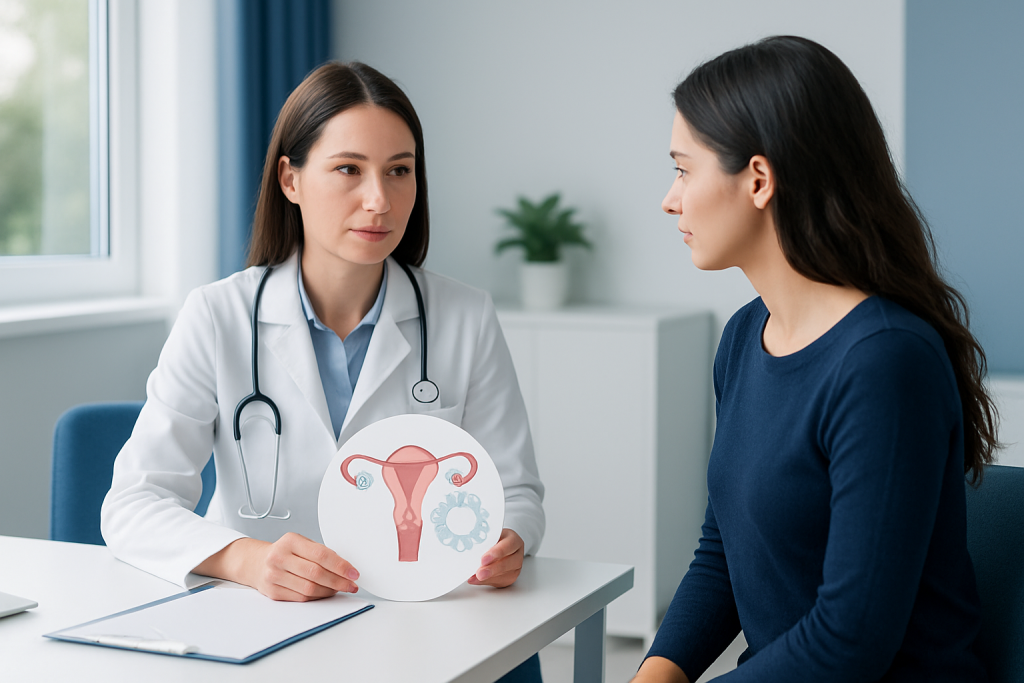
Ovulation is part of a larger sequence controlled by hormones from the brain and ovaries. At the beginning of the cycle, hormones help several follicles in the ovary begin to mature, but usually only one releases an egg. A surge in luteinizing hormone triggers the release of that egg.
After the egg is released, it remains viable for a limited time. If sperm are present in the reproductive tract, fertilization may occur. The fertile window is wider than one day because sperm can survive for several days inside the body, so intercourse in the days leading up to ovulation can also lead to pregnancy.
After ovulation, the body enters the luteal phase. Hormones prepare the uterine lining for a possible pregnancy. If pregnancy does not occur, hormone levels fall and menstruation begins. This pattern repeats, although the length of each phase can differ from person to person.
Causes and risk factors for irregular ovulation
Irregular ovulation can happen for many reasons, and not all of them signal a serious problem. Sometimes the issue is temporary, such as jet lag, major emotional stress, intense exercise, or a recent illness. In these situations, the cycle may settle again once the body recovers.
In other cases, ovulation changes are linked to medical conditions that affect hormone balance. Polycystic ovary syndrome, thyroid disorders, elevated prolactin, and premature ovarian insufficiency are among the more common causes. Weight changes, eating disorders, and certain medications can also play a role.
Age is another factor. Cycles can become less predictable in the years leading up to menopause, and ovulation may happen less consistently. For people traveling long distances for fertility care, time zone changes, disrupted sleep, and stress can also make cycle tracking a bit harder, even when the underlying reproductive health is normal.
- Stress or disrupted sleep
- Major weight loss or weight gain
- Intense physical training
- PCOS and other hormone disorders
- Thyroid disease
- Breastfeeding or postpartum changes
- Perimenopause
How doctors diagnose ovulation problems
When ovulation seems irregular or absent, clinicians usually begin with a careful history of menstrual patterns, symptoms, medications, and fertility goals. They may ask how often periods occur, whether bleeding is predictable, and whether there are signs of hormonal imbalance such as acne, excess hair growth, or unexpected weight changes.
Depending on the situation, diagnosis may include blood tests to check hormone levels, ovulation predictor tests, or ultrasound monitoring of the ovaries. In some cases, a clinician may also evaluate the uterus, thyroid function, blood sugar, or other related systems to look for a cause that can be treated directly.
For patients who are seeking fertility care from abroad, testing is often coordinated so that results are reviewed alongside travel plans and treatment windows. A good evaluation does not only ask whether ovulation is happening; it also looks at whether the timing and hormonal environment are adequate for conception and overall reproductive health.
Treatment options
Treatment depends on the reason ovulation is irregular and on whether pregnancy is desired. If the cause is temporary, such as stress or recent illness, the body may return to its usual pattern without medication. For some people, simply improving sleep, nutrition, and workload balance can make a meaningful difference.
When an underlying condition is present, treatment may focus on that condition. Thyroid disorders, PCOS, and elevated prolactin can often be addressed with targeted medical care. If conception is the goal, fertility specialists may suggest medicines that stimulate ovulation or a monitored treatment plan that helps identify the best time for intercourse or assisted reproduction.
People who are not trying to conceive may still benefit from treatment if irregular ovulation is causing unpredictable bleeding or other symptoms. The most suitable approach is usually individualized, especially for patients coordinating care across borders and needing a plan that fits travel, follow-up, and local support after returning home.
Prevention and self-care
Ovulation itself is a natural part of reproductive health, so it is not something that needs to be “prevented.” What can often be supported is a cycle environment that gives the body the best chance to function smoothly. Regular meals, adequate sleep, stress reduction, and sensible exercise can all help maintain hormonal stability.
Tracking the cycle can also be useful. Many people use calendars, ovulation predictor kits, temperature charts, or fertility apps to notice patterns over time. These tools are most helpful when used consistently and interpreted with awareness that a single missed or unusual cycle can happen even in healthy individuals.
For those planning fertility Endometriosis Treatment Abroad: Medication, Laparoscopy, or Both?" class="ahp-ilk">treatment abroad, organizing records before travel can save time and reduce uncertainty. Helpful information may include the first day of the last period, typical cycle length, prior test results, and any medication list. Acibadem Health Point’s multidisciplinary specialists and JCI-accredited hospitals can diagnose and treat ovulation-related concerns for international patients as part of coordinated care.
- Keep a simple menstrual diary
- Support steady sleep and nutrition
- Avoid extreme weight changes when possible
- Manage stress with realistic routines
- Review medicines with a clinician if cycles change
When to see a doctor
Medical advice is sensible when periods become consistently irregular, very painful, unusually heavy, or very far apart. It is also worth seeking evaluation if ovulation signs seem absent for several months, especially when cycles were previously regular. A doctor can help distinguish normal variation from a pattern that deserves attention.
If pregnancy is desired, it is reasonable to ask for help when conception is not happening after a period of trying, or sooner if cycles are infrequent or there is a known reproductive health condition. People with symptoms that suggest hormone imbalance, such as new acne, excess hair growth, nipple discharge unrelated to breastfeeding, or unexplained weight changes, should also be assessed.
Urgent care is rarely needed for ovulation itself, but severe pelvic pain, very heavy bleeding, or symptoms such as fainting or fever should not be ignored. In most cases, though, the next step is simply a calm conversation with a qualified clinician who can sort out the cause and recommend the most appropriate path.
Frequently asked questions
What is ovulation in simple terms?
Ovulation is when one of the ovaries releases an egg. That egg can be fertilized for a short time, which is why ovulation marks the most fertile part of the cycle. The timing varies from person to person and from cycle to cycle.
How can someone tell if ovulation has happened?
Some people notice cervical mucus changes, a mild one-sided pelvic ache, or a later rise in basal body temperature. These signs are helpful clues, but they do not confirm ovulation on their own. A clinician may use hormone tests or ultrasound if a clearer answer is needed.
Can ovulation happen without a period?
Yes, in some situations. For example, ovulation can sometimes occur before the first postpartum period, or cycles may be unusual during hormonal changes. However, absent or very irregular periods should be discussed with a doctor.
Does irregular ovulation always mean infertility?
Not necessarily. Some people ovulate irregularly and still conceive, while others may need support to improve timing or address an underlying cause. The right next step depends on the reason for the irregularity and the pregnancy goals.
Can stress affect ovulation?
Yes, stress can influence the hormones that help control the menstrual cycle. Short-term disruption does not always cause a problem, but ongoing stress may make ovulation less predictable. Sleep, nutrition, and workload balance can all matter too.
When should fertility testing be considered?
Fertility testing is worth discussing when pregnancy is not happening after a reasonable period of trying, or sooner if cycles are very irregular. It is also reasonable to seek help earlier if there is a known condition such as PCOS or thyroid disease. A clinician can guide the timing based on age and medical history.
References
- American College of Obstetricians and Gynecologists
- Mayo Clinic
- National Health Service
- World Health Organization
- American Society for Reproductive Medicine
This article is for general information only and is not a substitute for professional medical advice. Please consult a qualified doctor about your individual situation.
IVF & fertility treatment in Turkey — success rates and costs
JCI-accredited · board-certified surgeons · reply within 24h
Add us as a Preferred Source to see more of our trusted health content across Google Search, AI Overviews and Discover.
More from the Health Library



Related Specialists

Dr. Gamze Karababa
Gynecology & Obstetrics
Dr. Onur Özdenoğlu
Gynecology & Obstetrics
Dr. Selcen Bahadır
Gynecology & Obstetrics
Prof. Dr. A. Taner Usta
Gynecology & Obstetrics