Androgynous Meaning

Key Takeaways
- Androgynous usually describes appearance, style, or expression, not a diagnosis.
- Gender identity, gender expression, and sexual orientation are different concepts.
- A person may identify as androgynous, nonbinary, male, female, or in another way.
- Exploring gender-related feelings is personal and may benefit from supportive, nonjudgmental care.
- Medical or psychological help is most useful when distress, anxiety, or safety concerns are present.
Androgynous meaning refers to a blend of traits, expressions, or appearance that are not conventionally read as strictly masculine or feminine. In health and social care, understanding this term can help people discuss identity, expression, and support with more clarity and respect.
Overview
In everyday language, androgynous meaning points to a look, voice, style, or presence that blends traits traditionally labeled masculine and feminine. For some people, it is simply an aesthetic choice. For others, it can be part of how they describe themselves socially or emotionally.
It helps to separate the word from assumptions. Androgynous appearance does not automatically reveal a person’s gender identity, sex assigned at birth, or sexual orientation. A person may present in an androgynous way and still identify as a woman, a man, nonbinary, genderfluid, or in another way entirely.
For people seeking care across countries, language can add another layer. Terms used in one place may not carry the same meaning elsewhere, so clear, respectful conversation matters. A well-informed clinician will usually ask what the person means by the term, rather than assuming it has one fixed definition.
What Androgynous Can Mean in Daily Life
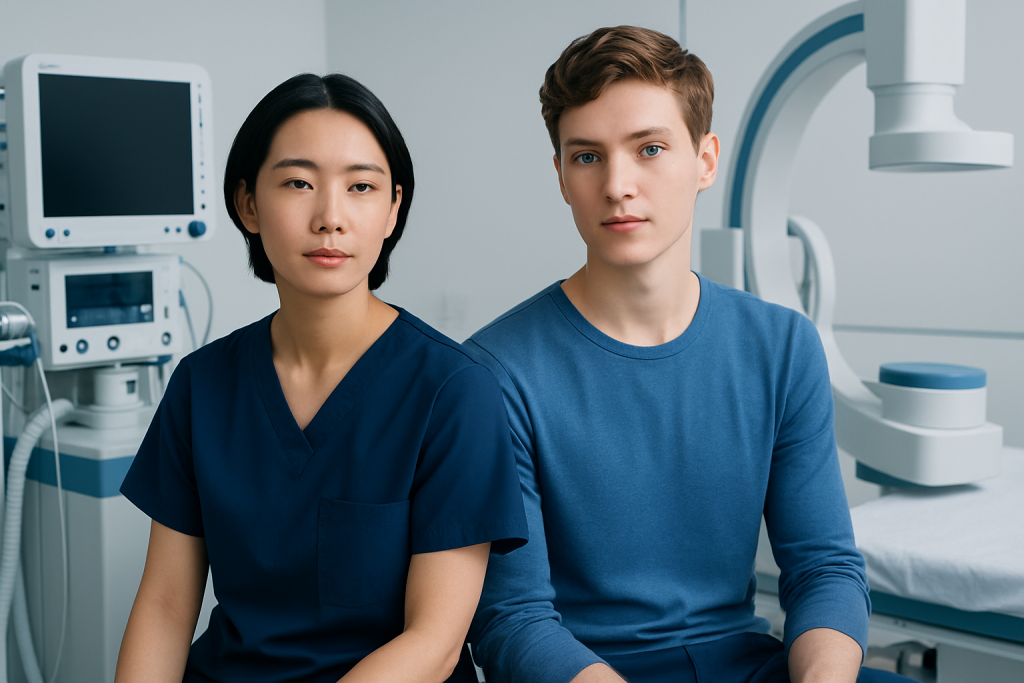
Androgyny often shows up in clothing, hairstyle, makeup, posture, speech, or the way someone chooses to be addressed. Some people use it to describe a balanced or neutral presentation. Others use it to express individuality or to move away from narrow expectations about gendered appearance.
The word can also appear in art, fashion, media, and psychology. In those settings, it may describe a person who combines traits that society tends to classify as masculine and feminine. Because these labels are shaped by culture, the meaning of androgynous can shift over time and from one country to another.
In health discussions, the most useful question is not whether someone looks androgynous enough, but how they understand themselves and whether they feel safe and supported. That focus keeps the conversation centered on the person rather than on stereotypes.
Gender Identity, Gender Expression, and Sexual Orientation

These three ideas are related, but they are not the same. Gender identity is a person’s inner sense of being male, female, both, neither, or another identity. Gender expression is how that identity, or any personal style, is shown outwardly through dress, behavior, voice, or grooming.
Sexual orientation describes who someone is emotionally, romantically, or sexually attracted to. A person can be androgynous in appearance and have any sexual orientation. Likewise, a person can have a clear masculine or feminine style and still identify as nonbinary or another gender.
This distinction matters in clinical settings because misunderstanding one term can lead to poor communication. When people feel that their identity has been reduced to appearance alone, they may delay seeking care. Clear language helps clinicians provide more appropriate, respectful support.
Common Causes & Influences Behind Androgynous Presentation
Androgynous presentation is usually a matter of personal expression rather than a medical issue. It may be shaped by culture, fashion, personality, comfort, profession, or the desire to challenge gender norms. In some communities, it is seen as ordinary; in others, it may be more noticeable or less accepted.
There are also biological and developmental contexts that can influence how a person’s body develops or how they are perceived. Some people are born with differences in sex development, sometimes called intersex traits, which can affect physical appearance. These differences are not the same as being androgynous, but they may lead others to make assumptions about a person’s gender expression or identity.
When someone is exploring whether their presentation reflects identity, stress, or both, a supportive discussion with a qualified professional can be helpful. The goal is not to label the person too quickly, but to understand what feels authentic and what, if anything, feels distressing.
How Health Professionals May Evaluate Related Concerns
There is no test for “androgynous meaning” because the term itself is descriptive, not diagnostic. If a person seeks help because of questions about gender identity, body image, puberty, or social distress, a clinician will usually begin with a careful conversation. That conversation may cover history, current feelings, family support, safety, and any anxiety or depression symptoms.
If there are concerns about hormone-related changes, puberty, or differences in sex development, a doctor may recommend a physical examination, blood tests, or imaging studies depending on the situation. The exact approach depends on age, symptoms, and the reason for the visit. For international patients, records from home-country doctors can be very helpful in guiding next steps.
Good assessment should feel respectful and not rushed. The aim is to understand the whole person and to decide whether reassurance, counseling, medical follow-up, or specialist referral is the most appropriate path.
Support, Treatment Options, and Helpful Care Paths
Most people who identify with or present as androgynous do not need medical treatment for the term itself. Support is more often psychological, social, or practical. This may include affirming counseling, help with stress related to stigma, or guidance about body image and self-expression.
In some cases, a person may wish to discuss medical options related to gender affirmation or hormone care. These decisions should only be made with qualified clinicians who can explain benefits, limitations, and possible side effects in a balanced way. For people traveling for care, planning should also include follow-up needs, medication continuity, and the timing of any future appointments back home.
Helpful care may include:
- Gender-affirming counseling or psychotherapy
- Endocrinology review when hormone questions are involved
- Dermatology or hair-related advice if appearance concerns are part of the distress
- Primary care support for general health screening and ongoing monitoring
- Family or partner education when the person wants additional support
Self-care, Confidence, and Everyday Wellbeing
Self-care for someone exploring or embracing an androgynous presentation often begins with permission to define style and identity personally. Choosing clothes, grooming, or language that feel comfortable can reduce daily stress. So can finding communities, online or in person, where people are treated with respect.
It is also useful to watch for emotional strain. If someone feels anxious, low, unsafe, or constantly on guard because of how others respond, mental health support can be valuable. Supportive routines, sleep, movement, and trusted relationships all contribute to resilience.
For patients arranging care abroad, practical self-care matters too. Saving key medical records, preparing a list of preferred names or pronouns if relevant, and identifying a follow-up clinician at home can make the experience smoother and more reassuring.
When to See a Doctor
A doctor or mental health professional may be helpful if questions about identity or expression are causing distress, interfering with daily life, or creating conflict at school, work, or home. Support is also important if someone is feeling persistently anxious, depressed, isolated, or unsafe.
Medical evaluation is especially relevant if there are concerns about puberty, hormone changes, unexpected physical development, or a possible difference in sex development. In those situations, a qualified specialist can explain what the findings mean and what options are available.
International patients should seek care from teams experienced in cross-cultural communication and continuity planning. At Acibadem Health Point, multidisciplinary specialists and JCI-accredited hospitals diagnose and treat a wide range of health concerns for international patients, with attention to respectful communication and coordinated follow-up.
Frequently asked questions
What does androgynous mean in simple terms?
Androgynous usually means having a mix of traits, style, or appearance that are not strongly coded as masculine or feminine. It is often used to describe presentation rather than a medical condition. The exact meaning can vary depending on context and culture.
Is being androgynous the same as being nonbinary?
No. Androgynous describes appearance or expression, while nonbinary is a gender identity. Some nonbinary people may present androgynously, but many do not, and many androgynous people identify as male or female.
Is androgynous identity a medical diagnosis?
No. Androgynous is not a diagnosis and does not require treatment by itself. Medical or psychological support is considered only if there is distress, confusion, or a related health concern that needs attention.
Can someone be androgynous and still be male or female?
Yes. Gender expression and gender identity are different, so a person can present in an androgynous way and still identify as a man or a woman. Appearance alone does not define identity.
When should someone speak to a doctor about gender-related concerns?
It may help to speak with a doctor or therapist if the person feels distressed, unsafe, or overwhelmed, or if there are questions about puberty, hormones, or body development. A supportive professional can help sort out what is identity, what is expression, and what care may be useful.
How can families support someone who identifies with androgyny?
Families can start by listening without making assumptions and using the name and pronouns the person prefers, if they have shared them. Respectful support often matters more than having perfect language. If the person wants it, family counseling or a knowledgeable clinician can help with communication.
References
- World Health Organization
- American Psychological Association
- Mayo Clinic
- National Health Service
- Endocrine Society
This article is for general information only and is not a substitute for professional medical advice. Please consult a qualified doctor about your individual situation.