Ppe Meaning

Key Takeaways
- PPE stands for personal protective equipment and includes items such as gloves, masks, gowns, and eye protection.
- The right PPE depends on the task, the setting, and the type of exposure risk involved.
- PPE works best when it is fitted, worn, removed, and disposed of correctly.
- Good hand hygiene, vaccination, and safe workplace habits still matter even when PPE is used.
- People traveling for medical care may encounter different PPE routines, so asking questions in advance can make the experience easier.
PPE means personal protective equipment: the clothing and gear people wear to create a barrier against hazards such as infection, splashes, and some workplace injuries. In healthcare, it supports safer care for patients, visitors, and staff, especially when travel and treatment bring people into unfamiliar clinical settings.
Overview
PPE is short for personal protective equipment. The phrase sounds technical, but the idea is simple: it is gear people use to reduce exposure to hazards. In healthcare, that usually means items that help create a barrier between the body and germs, body fluids, or other sources of risk.
PPE can also be used outside hospitals and clinics, such as in laboratories, construction sites, and industrial settings. In a medical environment, however, it is most often associated with infection prevention and safe patient care. For international patients, understanding PPE before arriving for treatment can make the first clinic visit feel more familiar and less intimidating.
The exact items used as PPE depend on the situation. A nurse drawing blood may need gloves and a mask, while a clinician performing a procedure may add a gown, face shield, or other protection. The key point is that PPE is chosen for the specific task, not worn in the same way everywhere.
Common PPE examples and what they do
Most people recognize PPE by the equipment they can see. Gloves help protect hands from contact with blood, body fluids, chemicals, or contaminated surfaces. Masks and respirators help reduce exposure to droplets or airborne particles, depending on the type used and the situation.
Gowns, aprons, and coveralls protect clothing and skin from splashes or contamination. Eye protection, such as goggles or face shields, helps shield the eyes from droplets or spray. In some workplaces, additional PPE may include shoe covers, helmets, hearing protection, or high-visibility clothing.
- Gloves: help reduce direct contact with body fluids or contaminated surfaces.
- Masks and respirators: help protect the nose and mouth from infectious particles.
- Gowns and aprons: help protect skin and clothing.
- Eye protection: helps protect against splashes and droplets.
- Face shields: add an extra layer for the face and eyes.
No single item does everything. PPE is most effective when the right combination is selected for the exposure risk and used with other safety measures such as hand hygiene and environmental cleaning.
Causes & risk factors: when PPE becomes important
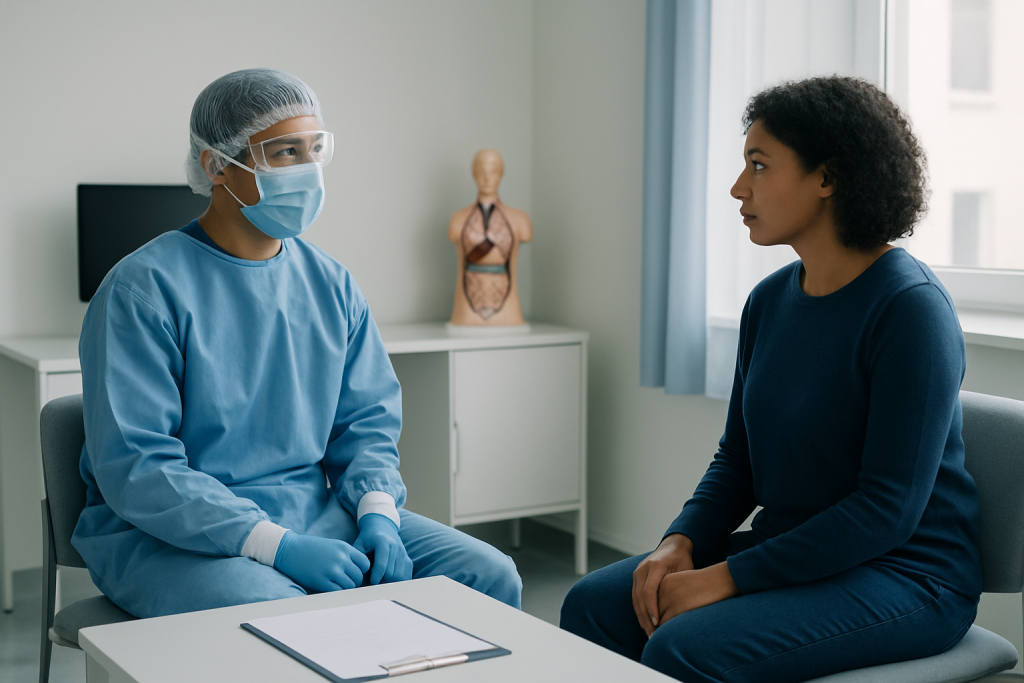
PPE is used when there is a realistic chance of exposure to something harmful. In healthcare, that may include infectious diseases, blood, respiratory droplets, aerosol-generating procedures, or contact with contaminated surfaces. In other settings, the concern may be chemicals, dust, sharp objects, or physical injury.
The level of risk changes with the task. A simple conversation with a patient usually calls for less protection than a procedure that involves body fluids. The environment also matters: crowded rooms, poor ventilation, and close face-to-face contact can increase the need for protective gear.
Some people are at higher practical risk because of their work role. Doctors, nurses, laboratory teams, cleaners, and transport staff often encounter more exposure than visitors or administrative staff. Patients with weak immune systems may also be advised to use or observe PPE-related precautions more carefully during hospital stays or travel for treatment.
How PPE is chosen and used
PPE is not selected by habit alone; it is chosen after considering the task, the hazard, and how the equipment will be worn. Healthcare teams usually follow local infection-control guidance and clinical protocols. The goal is to provide enough protection without creating unnecessary discomfort or limiting care.
Fit and technique matter. A mask that is loose may not provide the intended barrier, and gloves that are worn too long can spread contamination instead of preventing it. Putting on PPE in the correct order and removing it carefully are both important, because contamination often happens during removal rather than during use.
In many hospitals, staff are trained to don and doff PPE in a set sequence. Patients and families do not need to memorize every step, but it can help to know that these routines are purposeful. If a team member asks a visitor to wear a gown or mask, it is usually to protect everyone in the care area, including the patient.
Diagnosis and assessment: how professionals decide what is needed
There is no medical test for “PPE meaning,” but there is a practical assessment behind every PPE decision. Clinicians and workplace safety teams review the situation, identify the likely source of exposure, and decide which barriers are appropriate. That decision may be based on infection-control policies, procedural checklists, or occupational safety rules.
In healthcare, staff may assess whether a patient has symptoms of a contagious illness, whether a procedure may generate droplets or aerosols, and whether there is a risk of splashing. They also consider the patient’s needs, because safety should not interfere more than necessary with communication, comfort, or treatment.
For international patients, this assessment may happen quickly on arrival, especially if a hospital uses standardized screening at admission. It can help to arrive with questions written down, such as whether the facility uses masks in waiting areas, what family members should wear, and whether special precautions are needed after surgery or an infusion.
Treatment options: PPE as part of safe care
PPE itself is not a treatment for illness, but it is a core part of safe medical care. When used properly, it supports procedures ranging from wound care and blood tests to imaging, surgery, and infection isolation. It helps protect both the care team and the person receiving treatment.
Other measures are often used alongside PPE. These may include handwashing, cleaning of equipment and surfaces, safe sharps handling, patient screening, respiratory etiquette, vaccination where appropriate, and ventilation controls. PPE is strongest when it is treated as one layer in a larger safety plan rather than the only line of defense.
In some situations, a person may need special instructions after leaving the clinic, such as wearing a mask during transport, handling wound dressings carefully, or limiting close contact for a short period. A clear discharge plan is especially helpful for patients who will continue recovery in another country, where follow-up may be managed remotely or through a local doctor.
Prevention & self-care: what patients and families can do
Patients and families do not usually need to provide their own PPE in a hospital, but they can still take simple steps that support safety. Following staff instructions, using hand hygiene before and after visits, and staying home when unwell are all sensible choices. If a hospital requests a mask or gown, it helps to see that request as part of a shared safety routine.
People traveling for medical care can prepare by checking the hospital’s visitor policy, packing a few basic items if advised, and asking whether any protective measures are expected during transport or recovery. A short conversation before travel can prevent confusion later, especially when local customs or infection-control practices differ from home.
At home, everyday self-care matters too. Clean and dry reusable items according to the manufacturer’s instructions, replace damaged equipment, and do not reuse single-use items. If there is uncertainty about whether PPE is still needed after a procedure, patients should ask the care team rather than guessing.
When to see a doctor
PPE concerns are worth discussing with a doctor or healthcare team when a person has ongoing exposure risks, is caring for someone with an infection, or is unsure which precautions are appropriate after a procedure. This is especially true for people with chronic illness, reduced immunity, or recent surgery.
Medical advice is also useful if there is a workplace exposure, a contaminated injury, or symptoms such as fever, cough, skin redness, shortness of breath, or eye irritation after a possible contact. In those cases, the right next step depends on what the person was exposed to and how long ago it happened.
For international patients, it is reasonable to ask about PPE policies before scheduling treatment, during pre-admission calls, and at discharge. Acibadem Health Point’s multidisciplinary specialists and JCI-accredited hospitals diagnose and treat a wide range of conditions for international patients, with safety routines that help support coordinated care across the whole journey.
A practical way to remember PPE meaning
A useful way to remember PPE meaning is to think of it as protective clothing and gear used for a specific risk, in a specific place, at a specific time. It is not about being overly cautious; it is about matching the protection to the task.
For patients and families, understanding PPE can make clinical encounters feel clearer. It can explain why some staff wear more equipment than others, why certain areas have different rules, and why careful removal and disposal matter.
When in doubt, ask the care team. A brief explanation from a clinician or nurse is usually enough to turn a confusing set of barriers into a reassuring sign that everyone is working to keep the environment safe.
Frequently asked questions
What does PPE stand for?
PPE stands for personal protective equipment. It refers to items worn to help reduce exposure to hazards such as infection, splashes, or workplace injury. In healthcare, it is commonly used during patient care and procedures.
Is PPE only used in hospitals?
No. PPE is also used in laboratories, factories, construction sites, and other settings where people may face specific hazards. In hospitals, it is especially important for infection prevention and procedure safety.
Do patients ever need to wear PPE?
Yes, sometimes patients or visitors may be asked to wear a mask, gown, or other item. This is usually done to protect others, protect the patient, or support infection-control measures in a particular area.
Can PPE replace handwashing?
No. PPE works best alongside hand hygiene, cleaning, and other safety practices. Gloves and masks do not remove the need for clean hands before and after care.
Why is correct removal of PPE important?
Removing PPE carefully helps avoid touching contaminated surfaces and spreading germs. This step is as important as putting the equipment on correctly.
Should travelers ask about PPE before medical treatment abroad?
Yes, that is a sensible question. Hospitals may use different routines for masks, gowns, and visitor precautions, and knowing what to expect can make the visit smoother and less stressful.
References
- World Health Organization
- Centers for Disease Control and Prevention
- Occupational Safety and Health Administration
- National Institute for Occupational Safety and Health
This article is for general information only and is not a substitute for professional medical advice. Please consult a qualified doctor about your individual situation.