

Adductor Muscles

Key Takeaways
- Adductor muscles support hip movement, balance, and pelvic stability during daily activity and sport.
- Pain in the inner thigh or groin is often caused by overuse, a sudden stretch, or a muscle strain.
- Diagnosis usually begins with a physical examination and may include imaging if the symptoms are severe or persistent.
- Recovery often depends on gradual load management, targeted rehabilitation, and a return to activity plan.
- Medical review is important when pain is severe, there is swelling or weakness, or walking becomes difficult.
The adductor muscles are the inner-thigh muscles that help stabilize the pelvis and guide leg movement in walking, running, and sports. When they are strained or irritated, groin pain can affect everyday activities, but most cases improve with timely diagnosis, rest, and guided rehabilitation.
Overview
The adductor muscles sit along the inner side of the thigh and help bring the leg toward the body’s midline. They also support hip control when a person changes direction, climbs stairs, rises from a chair, or maintains balance on one leg. In everyday movement, they work quietly in the background; in sport, they are often asked to absorb force and stabilize the pelvis at speed.
Because these muscles are involved in quick, repetitive, and sometimes awkward movements, they are common sources of groin discomfort. Pain may appear after a sudden slip, a forceful kick, a running session, or a period of unfamiliar exercise. For international patients who may be far from home when symptoms begin, a clear understanding of the problem helps them decide whether rest is enough or whether a doctor should examine the area soon.
Adductor problems range from mild tightness to a muscle strain or tendon irritation where the muscle attaches near the pelvis. Most cases are manageable with conservative care, but the best results usually come from identifying the specific tissue involved rather than treating all groin pain as the same condition.
Symptoms
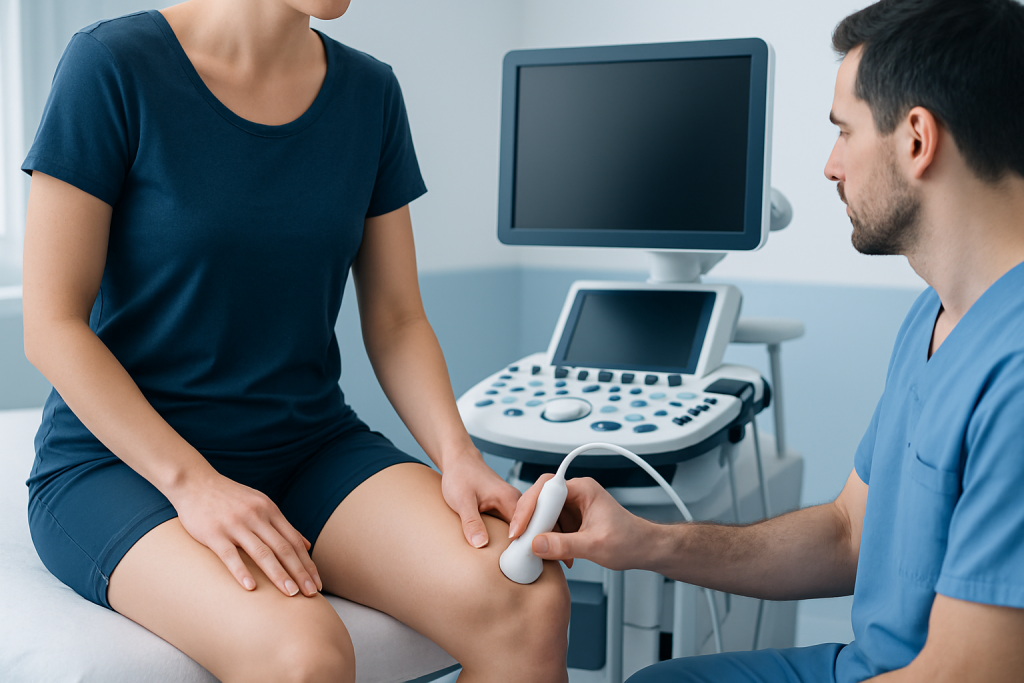
The most common symptom is pain on the inner thigh or near the groin, especially when bringing the legs together, changing direction, or stretching the leg outward. Some people notice discomfort only during exercise, while others feel it when walking, getting out of a car, or turning in bed. The pain may be sharp at first and then settle into an aching sensation.
A mild strain can cause tenderness when the area is pressed and a sense of tightness when the muscle is lengthened. More significant injuries may bring swelling, bruising, a limp, or difficulty pushing off the leg. In some cases, the person may also notice a clicking or pulling feeling in the groin, although this does not always mean a serious injury.
Symptoms that do not fit a simple muscle strain deserve attention. Pain that extends into the abdomen, fever, numbness, a visible bulge, or testicular or hip pain may point to another cause of groin symptoms and should be assessed by a clinician.
Causes & Risk Factors
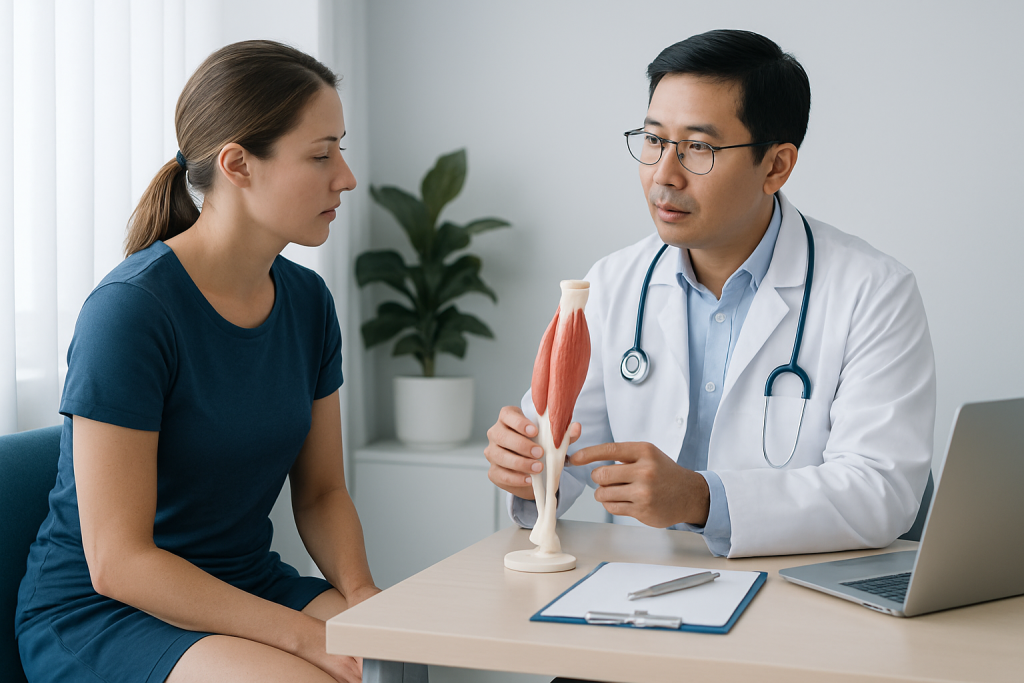
Adductor muscles are most often injured when they are stretched under load. Sprinting, sudden side steps, skating, kicking, and rapid changes of direction can all place high stress on the inner thigh. A strain may occur if the muscle is not conditioned for that demand or if fatigue reduces control late in a training session or match.
Repetitive overload is another common pattern. Long-distance running, field sports, dance, and some gym routines can gradually irritate the muscle or its tendon, particularly when training increases too quickly. Previous groin injury, limited hip mobility, poor trunk control, and weakness in the hip stabilizers may raise the chance of recurrence.
There are also non-sport reasons for adductor pain. A person may notice symptoms after a fall, prolonged sitting, pregnancy-related pelvic changes, or a sudden increase in physical activity during travel. Risk does not come from a single factor alone; it usually reflects how much force the tissue is asked to handle compared with its current condition.
Diagnosis
Assessment usually begins with a detailed history and a physical examination. A doctor will ask when the pain started, what movements worsen it, whether there was a sudden pull or pop, and how the symptom affects walking, exercise, or daily tasks. The pattern of pain often helps distinguish an adductor strain from hip joint, abdominal, or hernia-related causes.
During the exam, the clinician may check tenderness, range of motion, strength, and whether squeezing the legs together reproduces pain. This simple resisted movement can help identify adductor involvement. The doctor may also examine the hip, lower abdomen, and pelvis to rule out other sources of groin pain.
Imaging is not always necessary. Ultrasound or MRI may be used when symptoms are severe, recovery is slower than expected, or the diagnosis is unclear. For patients seeking care while abroad, bringing prior imaging, sports records, or a short note describing the injury timeline can make the consultation more efficient and help the specialist plan follow-up after travel.
Treatment Options
Treatment depends on the severity of the injury and the underlying cause. For many mild to moderate strains, early management focuses on relative rest, reducing painful activities, and allowing the tissue to settle. Ice, short-term support, and gentle movement may be used for comfort, but prolonged complete rest is usually not the goal.
Rehabilitation is often the most important part of recovery. A physiotherapist or sports medicine specialist may guide progressive exercises that restore flexibility, hip strength, core stability, and control during movement. As pain improves, loading is gradually increased so the muscle can tolerate walking, jogging, cutting, or sport-specific tasks again.
If pain comes from tendon irritation or a more complex groin problem, the plan may be slower and more structured. In selected cases, medication for Knee Pain Relief: Causes and Treatment" class="ahp-ilk">pain relief may be considered under medical advice, but self-treatment should stay within safe general guidance. Surgery is uncommon for isolated adductor strains, although it may be discussed when there is a significant tear or another condition that does not respond to conservative care.
For travelers who need coordinated care, it can help to think in phases: confirm the diagnosis, settle the acute pain, rebuild strength, then plan the return trip or return to sport with a realistic follow-up strategy. That staged approach reduces the chance of rushing back too soon.
Prevention & Self-care
Prevention begins with preparing the muscles for the work they are expected to do. Warm-ups that include light aerobic activity, dynamic stretching, and gradual change-of-direction drills can reduce the sudden load on the inner thigh. Regular strengthening of the adductors, hips, glutes, and core also improves the way forces are shared across the pelvis and legs.
Self-care during recovery should stay practical and calm. Short walks, gentle mobility work, and exercises approved by a clinician usually help more than long periods of guarding the area. It is also useful to avoid testing the muscle repeatedly by making the same painful movement; that habit can slow progress and confuse the recovery picture.
People who travel for sports events or treatment may need a little extra planning. Supportive footwear, a sensible training schedule, hydration, sleep, and time for follow-up appointments all matter. If the person is resuming activity in another country, it is wise to have written rehabilitation instructions and a clear contact point for review if symptoms return.
- Increase exercise intensity gradually rather than in sudden jumps.
- Include strength work for the hips, trunk, and inner thighs.
- Recover fully from a prior groin injury before returning to high-speed sport.
- Use good technique for kicking, cutting, and landing movements.
- Seek guidance early if tightness keeps returning.
When to See a Doctor
Medical evaluation is appropriate if groin or inner-thigh pain is severe, if walking becomes difficult, or if the discomfort does not improve after a short period of rest and modified activity. A doctor should also be consulted when there is bruising, marked swelling, a noticeable weakness, or pain that keeps returning with the same movement.
Urgent assessment is sensible when the pain is sudden and intense, the leg cannot bear weight, or the symptoms are accompanied by fever, a bulge in the groin, numbness, or pain in the abdomen, hip, or testicle. These signs do not always mean a serious problem, but they do call for a proper examination.
For international patients, timely review matters because treatment planning may depend on travel dates, competition schedules, or the need for follow-up at home. Acibadem Health Point’s multidisciplinary specialists and JCI-accredited hospitals can diagnose and treat adductor-related conditions for international patients, with care that is coordinated across orthopedics, rehabilitation, and imaging when needed.
Living With Adductor Pain During Recovery
Recovery is often less about waiting and more about rebuilding tolerance step by step. People commonly improve when they learn which movements are safe, which ones should be paused, and how to reintroduce load without provoking the tissue. That balance is especially important when work, travel, or sport makes it tempting to push through discomfort.
It may help to track simple markers such as pain during walking, ability to climb stairs, and response to exercises the next day. If symptoms calm down after activity and do not worsen over 24 hours, progress is usually moving in the right direction. If pain becomes sharper, more frequent, or starts affecting sleep and daily movement, the plan may need to be adjusted.
People often want a clear timeline, but adductor recovery varies widely. The tissue involved, the severity of the injury, prior groin problems, and the demands of the person’s routine all influence healing. A clinician can give a more useful answer by looking at function rather than just the calendar.
Returning to Sport or Exercise
Returning to sport should be guided by function, not by wishful thinking. Before resuming full-speed running, cutting, or kicking, the person should be able to move without a limp, perform strengthening exercises with minimal pain, and tolerate sport-specific drills in a controlled setting. These steps reduce the risk of re-injury.
A graded return is usually safer than a single all-or-nothing comeback. That may mean starting with walking or cycling, then advancing to jogging, then to acceleration and direction changes, and finally to full practice or competition. The sequence can vary, but the principle stays the same: let the tissue prove it can handle the next level before moving on.
After a return to activity, it is still sensible to keep adductor and hip strengthening in the routine. Maintenance work does not eliminate all risk, but it can support better control and resilience over time.
Frequently asked questions
What do the adductor muscles do?
The adductor muscles help bring the thigh inward and support hip stability during walking, running, and changes in direction. They also assist with balance and control when one leg is carrying the body’s weight.
Is groin pain always an adductor muscle problem?
No. Groin pain can come from the adductors, but it can also involve the hip joint, abdominal wall, tendon structures, or a hernia. A clinical examination helps find the true source of the pain.
How long does an adductor strain take to heal?
Healing time varies with the severity of the strain and how quickly the person can restore comfortable movement and strength. Mild injuries may improve relatively quickly, while more significant strains take longer and benefit from structured rehabilitation.
Should heat or ice be used for adductor pain?
Either may be used for comfort depending on the stage of symptoms and what a clinician recommends. Ice is often chosen early for short-term relief, while heat may feel soothing later if the area is stiff rather than swollen.
Can adductor pain come back after it improves?
Yes, it can return if the muscle is asked to do too much too soon or if strength and control are not fully restored. A gradual return to activity and continued exercise work are important for lowering that risk.
When is imaging needed for adductor pain?
Imaging may be helpful when the diagnosis is uncertain, the pain is severe, or recovery is slower than expected. A doctor may use ultrasound or MRI to look more closely at the muscle, tendon, hip, or nearby structures.
References
- American Academy of Orthopaedic Surgeons
- Mayo Clinic
- NHS
- American Physical Therapy Association
- Cleveland Clinic
This article is for general information only and is not a substitute for professional medical advice. Please consult a qualified doctor about your individual situation.
More from the Health Library



Related Specialists

Prof. Dr. Ahmet Alanay
Orthopedic Surgery & Traumatology
Dr. Sinan Aksu
Orthopedic Surgery & Traumatology
Dr. Sirri Baştürk
Orthopedic Surgery & Traumatology
Prof. Dr. Korhan Özkan
Orthopedic Surgery & Traumatology