Who Is a Good Candidate for Brow Lift Surgery?

A good candidate for Brow Lift Surgery: What to Expect Before and After" class="ahp-ilk">brow lift surgery is usually a healthy adult who is bothered by sagging brows, deep forehead lines, or a heavy upper-eye appearance and has realistic expectations. The best way to decide is through a specialist consultation that considers facial anatomy, skin quality, overall health, and personal goals.
Overview: What Brow Lift Surgery Is
Brow lift surgery, sometimes called a forehead lift, is a procedure designed to raise the brows to a more natural position and soften lines across the forehead and between the eyebrows. It can help reduce a heavy, tired, or stern appearance when low brows contribute to facial aging or affect the upper eye area.
The procedure does not aim to change a person’s identity or create a completely different face. Instead, it is usually chosen to restore balance to the upper face, improve brow position, and refresh facial expression in a subtle way. For many people, the goal is to look more rested rather than obviously “done.”
There are different surgical approaches, including endoscopic and traditional techniques. The best option depends on the person’s anatomy, degree of brow droop, forehead shape, hairline, skin quality, and whether other procedures may be helpful at the same time, such as brow lift surgery or selected oculoplastic procedures around the eyes.
Who May Be a Good Candidate
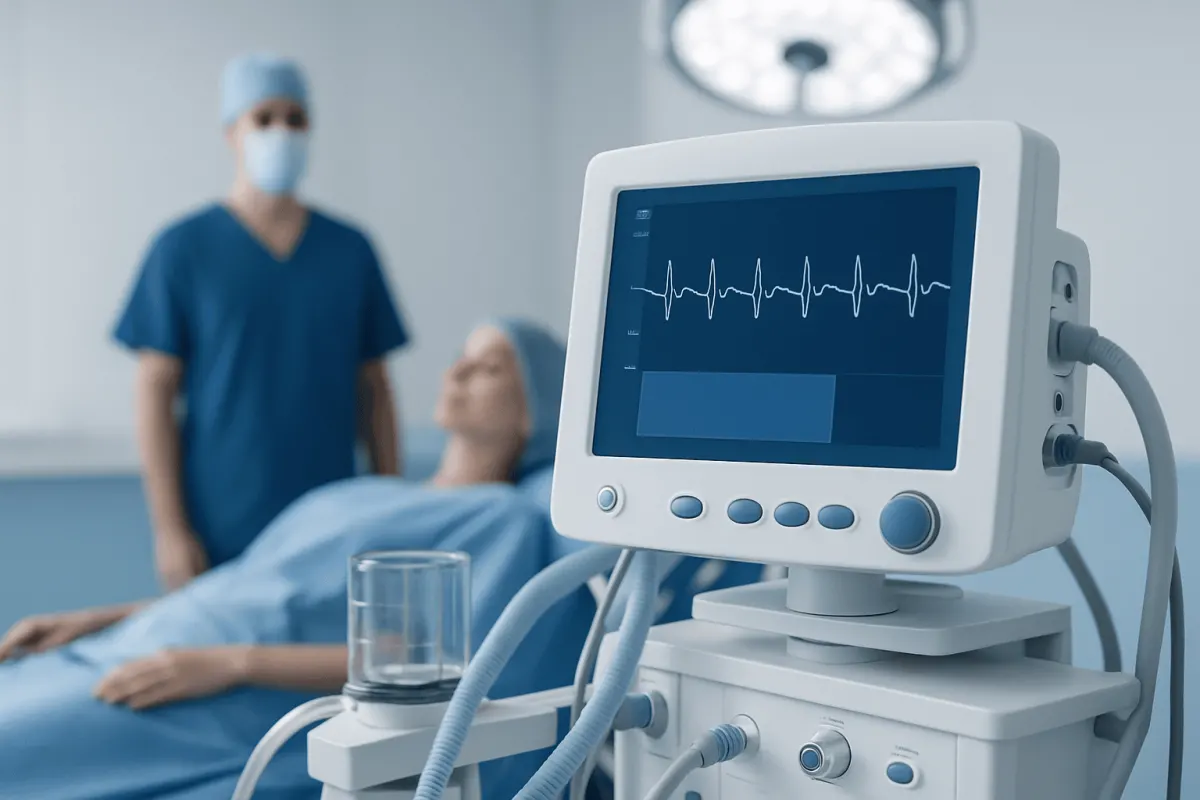
A good candidate for brow lift surgery is typically someone who is bothered by one or more upper-face concerns that are not improving with skin care alone. These may include brows that sit lower than before, deep horizontal forehead lines, frown lines between the eyebrows, or excess upper-lid heaviness caused partly by brow descent.
In general, candidates are adults in good physical health, without uncontrolled medical conditions that could raise surgical risk or interfere with healing. They should also have realistic expectations. A brow lift can improve brow position and soften certain lines, but it cannot stop the natural aging process or make every wrinkle disappear.
People often seek assessment when they feel they look tired, angry, or older than they feel. In some cases, a low brow may also make the upper eyelids seem fuller or narrower. During assessment, the surgeon checks whether the concern comes mainly from the brow, the eyelids, the forehead, or a combination of these areas.
- Men and women with drooping brows or forehead aging
- People with good skin healing potential
- Non-smokers or those willing to stop smoking before and after surgery
- Patients who understand both benefits and limitations
Signs a Brow Lift May Be Helpful

Several signs can suggest that a brow lift may be worth discussing. One common sign is brow ptosis, meaning the brow has descended lower than its natural position. This can create a hooded appearance above the eyes and may exaggerate upper eyelid skin folds. In some people, the outer brow drops more than the inner brow, leading to a sad or fatigued look.
Another sign is prominent forehead creasing caused by repeated lifting of the brows to compensate for heaviness above the eyes. Some people unconsciously raise their forehead muscles throughout the day to keep the eyes looking more open. Over time, this can deepen horizontal lines.
A brow lift may also be considered after injury or reconstructive needs in carefully selected cases, especially when brow asymmetry or tissue changes affect appearance or function. If there has been prior facial injury, doctors may also consider related evaluation for facial trauma when planning treatment. In more complex situations involving the upper eyelid, brow, or eye area, reconstructive ophthalmology may be part of the broader care plan.
When Someone May Not Be an Ideal Candidate
Not everyone who dislikes forehead lines or a tired appearance is automatically a good candidate for brow lift surgery. Some concerns may be better addressed with non-surgical treatments, eyelid surgery, skin resurfacing, or simply observation. For example, if the main issue is excess upper eyelid skin rather than low brow position, another procedure may be more appropriate.
Patients may need to postpone or avoid surgery if they have uncontrolled high blood pressure, poorly managed diabetes, significant bleeding disorders, active skin infection near the surgical site, or other health issues that increase risk. Smoking and nicotine use are especially important because they can reduce blood flow and impair healing.
Unrealistic expectations are another reason to reconsider timing or suitability. Surgery can improve features, but it cannot guarantee perfection or solve emotional distress unrelated to appearance. People with severe dry eye, certain eye conditions, or prior facial procedures may still be candidates, but they often need more careful evaluation before a plan is made.
How Surgeons Assess Candidacy
A consultation is the most important step in deciding whether someone is a good candidate for brow lift surgery. The surgeon reviews medical history, medications, allergies, smoking status, prior surgeries, and any symptoms related to the eyes or vision. Photos may be taken to study facial balance and help with planning.
The physical examination focuses on brow height, symmetry, forehead movement, skin elasticity, hairline position, and the relationship between the brow and upper eyelids. The surgeon may gently lift the brow by hand to show how changing brow position could affect the upper eye area. This helps clarify whether a brow lift alone is likely to help or whether another approach may be more effective.
Doctors also ask about personal goals. Some patients want a subtle refresh, while others are more concerned about asymmetry or heaviness. In patients with significant scar tissue or a history of abnormal scar formation, issues such as keloid scars may be relevant to planning and counseling, even though many people heal normally. A careful, individualized assessment helps match the treatment plan to the person rather than relying on a one-size-fits-all approach.
Treatment Options and What to Expect
If a person is a good candidate, the surgeon will recommend the most suitable technique. Endoscopic brow lift uses small incisions hidden in the scalp and a camera-assisted approach. It is often used for selected patients with mild to moderate brow descent. Other techniques may be better when there is more significant sagging, a particular hairline pattern, or reconstructive needs.
Some patients benefit from combining procedures when it is safe and appropriate. For example, upper-face rejuvenation may sometimes be planned together with treatments to nearby facial areas, such as aesthetic neck contouring, although combination surgery depends on the person’s anatomy, health, and goals.
After surgery, mild to moderate swelling, bruising, tightness, numbness, or temporary discomfort can be expected. Most people need a period of rest and reduced activity while healing begins. The surgeon provides instructions on wound care, sleeping position, activity limits, and follow-up visits. Results usually become easier to appreciate as swelling settles over the following weeks.
Every surgical procedure has potential risks, including bleeding, infection, scarring, temporary or persistent numbness, asymmetry, changes in hairline appearance, or the need for revision in some cases. A qualified surgeon explains these risks clearly and discusses how they are minimized through careful planning and aftercare.
Preparation, Recovery, and Self-Care
Preparation often includes stopping smoking, reviewing medications with the care team, and arranging time off from work or social commitments. Some medicines or supplements that affect bleeding may need to be adjusted under medical guidance. Patients should follow their surgeon’s instructions closely rather than making changes on their own.
Recovery varies from person to person, but many people experience the most noticeable swelling and bruising in the first days after surgery. Keeping the head elevated, protecting the incision area, avoiding heavy lifting, and attending scheduled follow-up appointments all support healing. Patients should also avoid judging the final result too early, as tissues need time to settle.
Self-care matters after recovery as well. Sun protection, gentle skin care, good nutrition, and avoiding nicotine can all help maintain skin quality and support longer-lasting results. A brow lift does not stop future aging, but healthy habits may help preserve the refreshed appearance. Near the end of the treatment journey, some international patients choose centers such as Acıbadem Health Point, where multidisciplinary specialists in JCI-accredited hospitals evaluate and treat aesthetic and reconstructive concerns.
When to See a Doctor
Someone should consider a consultation if drooping brows, forehead lines, or upper-eye heaviness are affecting confidence or making the face look constantly tired, angry, or older than desired. A medical evaluation is also sensible if brow asymmetry appears suddenly, if there has been prior injury, or if eye-area symptoms are present.
After surgery, urgent medical advice is important if there is severe increasing pain, heavy bleeding, signs of infection, new vision changes, marked one-sided swelling, or any symptom that feels unexpected or concerning. Prompt communication helps the care team guide the safest next step.
Choosing a surgeon with experience in facial anatomy and upper-face procedures is an important part of the process. A thorough consultation should leave the patient feeling informed, respected, and clear about benefits, limitations, recovery, and alternatives before making a decision.
Frequently asked questions
01What age is best for brow lift surgery?
There is no single best age for brow lift surgery. Candidacy depends more on brow position, skin changes, health status, and personal goals than on age alone. Some people consider it earlier because of natural brow shape or inherited heaviness, while others seek it later as part of facial aging treatment.
02How do I know if I need a brow lift or eyelid surgery?
A consultation helps distinguish whether the main issue comes from low brows, excess eyelid skin, or both. Brow descent can make the eyelids look heavier, so the two concerns are sometimes linked. A specialist examines the upper face and explains which procedure is most likely to address the specific problem.
03Can brow lift surgery look natural?
Yes, when carefully planned, brow lift surgery can look natural and simply make the face appear more rested and open. The aim is usually to restore a balanced brow position rather than create an overly arched or surprised expression. Technique, anatomy, and surgeon experience all play an important role.
04Is brow lift surgery permanent?
A brow lift can provide long-lasting improvement, but it does not stop the normal aging process. Skin, muscles, and soft tissues continue to change over time. Healthy habits and sun protection may help maintain the result for longer.
05What should someone discuss during a brow lift consultation?
It is helpful to discuss medical conditions, previous surgeries, medications, smoking status, allergies, eye symptoms, and treatment goals. Patients should also ask about technique options, recovery time, possible scars, risks, and whether another procedure might be more suitable. Clear communication helps create a safer and more realistic plan.
06Are there non-surgical alternatives to brow lift surgery?
Some people may consider non-surgical options for mild concerns, such as treatments that soften expression lines or improve skin appearance. However, these approaches do not replace surgery when there is significant brow descent. A specialist can explain whether non-surgical treatment is likely to provide enough improvement.
This article is for general information only and is not a substitute for professional medical advice. Please consult a qualified doctor about your individual situation.
Hair transplant in Turkey — costs, graft counts & a free assessment
JCI-accredited · board-certified surgeons · reply within 24h
Add us as a Preferred Source to see more of our trusted health content across Google Search, AI Overviews and Discover.