Aesthetic Neck Contouring: What It Is and When It May Help

Aesthetic neck contouring is a cosmetic approach used to improve the shape of the neck and jawline. It may help when loose skin, extra fat, muscle banding, or inherited anatomy create a less defined neck profile.
Overview
Aesthetic neck contouring is a broad term for treatments designed to improve the appearance of the neck and the area beneath the chin. The goal is usually a smoother neck profile, better jawline definition, and a more balanced connection between the face and upper body. Some people notice changes gradually with age, while others have always had a fuller or less defined neck because of inherited anatomy.
Neck contouring is not a single procedure. It can include fat reduction, skin tightening, muscle adjustment, or a combination of these methods. In some people, a non-surgical option may be enough for mild concerns. In others, surgery gives more noticeable or longer-lasting improvement, especially when there is significant loose skin or banding in the neck muscles.
The treatment plan is highly individualized. A surgeon or qualified aesthetic specialist usually considers skin elasticity, the amount and location of fat, the position of the hyoid bone and chin, and the condition of the platysma muscles in the neck. Sometimes neck contouring is part of a broader facial or body reshaping plan, such as chin aesthetic procedures to strengthen the jawline or body contouring after major weight changes.
What Concerns Can Neck Contouring Address?
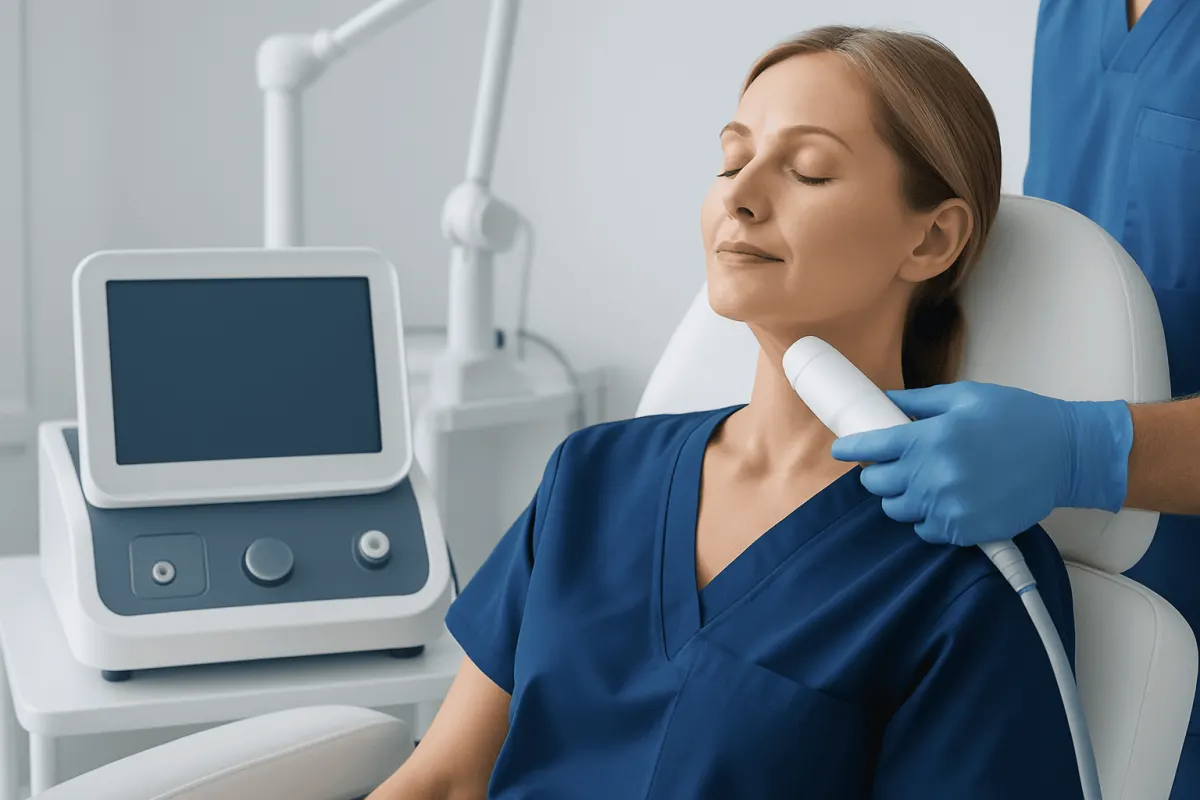
People seek aesthetic neck contouring for several common cosmetic concerns. A frequent reason is fullness beneath the chin, often called a “double chin.” This can be related to weight, genetics, or natural fat distribution and may persist even in otherwise slim individuals.
Another common concern is skin laxity. With aging, collagen and elastin decline, and the skin may become thinner and less firm. This can lead to sagging, creases, or a less distinct angle between the chin and neck. In some cases, the platysma muscles become more visible, creating vertical neck bands.
Neck contouring may help improve:
- Fullness under the chin
- Loose or hanging neck skin
- Loss of jawline definition
- Visible platysmal banding
- A heavy or imbalanced neck profile
- Contour changes after weight loss or aging
It is important to understand that neck contouring is mainly intended to improve shape and proportion. It does not stop aging, and it does not treat unrelated medical problems in the neck. If contour changes are linked to scarring after injury or healing from burns, the treatment approach may differ and sometimes require reconstructive planning.
Why Neck Appearance Changes

Neck appearance is influenced by several factors, and more than one is often involved. Aging is a major reason. Over time, skin loses firmness, soft tissues descend, and neck muscles may separate or become more noticeable. These changes can make the neck look heavier or less smooth, even without major weight gain.
Genetics also play an important role. Some people naturally store more fat under the chin or have a shorter chin-to-neck angle. Others may have thinner skin or a bone structure that makes the neck look less defined. This is why two people of the same age and body weight can have very different neck contours.
Weight changes can contribute as well. Weight gain may increase fullness in the neck, while weight loss can reveal loose skin that does not fully tighten on its own. In these situations, treatments that remove fat alone may not be enough if skin support is weak. A specialist may discuss combinations such as liposuction-based fat reduction with skin-tightening or lifting techniques.
Less commonly, contour may be altered by scars, trauma, or previous surgery. People with a history of problematic scar formation, including keloid scars, should mention this during consultation because it may influence incision planning and expectations for healing.
Evaluation and Candidacy
A careful consultation is the most important step before aesthetic neck contouring. The clinician usually asks about health conditions, medications, smoking, weight stability, and previous cosmetic procedures. They also examine the skin, fat layer, neck muscles, jawline, and chin projection to determine which features are creating the concern.
Good candidates are usually adults in overall good health who are bothered by the appearance of their neck and have realistic expectations. They understand that treatment can improve contour, but it cannot create perfection or permanently prevent future age-related changes. Stable weight is helpful because ongoing weight fluctuation can affect results.
Not everyone benefits from the same approach. A person with mild fullness and good skin elasticity may do well with a less invasive method. Someone with marked loose skin or neck banding often needs surgery for meaningful improvement. If jaw support is limited, combining neck contouring with cosmetic aesthetic surgery planning for the lower face or chin may create a more balanced result.
During evaluation, patients should also discuss recovery time, scar concerns, and whether they are prepared for the aftercare required. Open communication helps align the treatment plan with the person’s goals, anatomy, and lifestyle.
Treatment Options
Treatment options for aesthetic neck contouring can be non-surgical, minimally invasive, or surgical. The best choice depends on whether the main issue is excess fat, loose skin, muscle banding, or a combination. In many cases, combination treatment provides the most natural-looking contour because several layers of tissue contribute to neck shape.
Non-surgical approaches may include energy-based skin tightening or injectable treatments that reduce small pockets of fat under the chin. These methods are generally best for mild to moderate concerns and require good skin elasticity. Results are usually gradual and may be more subtle than surgery.
Surgical treatment may include liposuction to remove excess fat, a neck lift to tighten skin and underlying tissues, or platysma muscle tightening to soften neck banding and improve the cervicomental angle. When fullness extends into nearby areas or the person wants more global reshaping, the plan may overlap with non-surgical fat reduction in selected cases or other contouring methods. Some surgeons also recommend addressing chin projection when that is part of the overall profile concern.
Every option has benefits and limitations. Surgery often provides more dramatic and longer-lasting correction, but it also involves anesthesia, incisions, and a longer recovery. Less invasive treatments usually have shorter downtime, though more than one session may be needed and the effect may be less pronounced.
Recovery, Results, and Possible Risks
Recovery depends on the procedure performed. After non-surgical treatment, people may have temporary swelling, redness, tenderness, or bruising. After surgery, swelling and bruising are more common and usually improve over time. A compression garment may be recommended to support healing and help the neck settle into its new contour.
Early results can be partly hidden by swelling, so final improvement is not always immediate. Some procedures show change over weeks, while surgical neck contouring may continue to refine over several months. Following aftercare instructions is important for comfort, wound healing, and the appearance of the final result.
All cosmetic procedures carry potential risks. These may include bleeding, infection, fluid collection, asymmetry, contour irregularities, numbness, scarring, or dissatisfaction with the result. Specific risks vary depending on the technique used. Choosing a qualified surgeon and discussing expected outcomes honestly can help reduce avoidable problems.
People should also know that aging continues after treatment. While results can be long-lasting, the neck will still change naturally over time. Healthy habits and skin care may help preserve improvement for longer.
Self-care, Prevention, and Long-Term Maintenance
Not all neck contour changes can be prevented, especially those linked to genetics and normal aging. Still, some habits may help maintain skin quality and overall appearance. Sun protection is one of the most important steps because ultraviolet exposure contributes to collagen breakdown and premature skin aging.
Weight stability can also make a difference. Repeated cycles of gain and loss may stretch tissues and worsen laxity over time. A balanced lifestyle that supports general health may help keep the neck and jawline more consistent, even though it cannot fully control inherited fat distribution or age-related tissue changes.
Helpful self-care measures include:
- Using broad-spectrum sun protection on the face and neck
- Avoiding smoking and nicotine products when possible
- Maintaining stable weight through sustainable habits
- Following post-procedure instructions carefully
- Attending follow-up visits as advised
- Discussing new concerns early rather than waiting for them to worsen
For people considering treatment, self-care also means choosing an experienced, appropriately trained clinician. Acıbadem Health Point’s multidisciplinary specialists in JCI-accredited hospitals diagnose and treat aesthetic neck concerns for international patients, with treatment plans based on individual anatomy and goals.
When to See a Doctor
A person may wish to see a qualified plastic surgeon or aesthetic specialist if they are unhappy with neck fullness, sagging skin, or poor jawline definition and want to understand their options. A professional evaluation can clarify whether the concern is mainly due to fat, skin, muscle, or bone structure, and which approach is most suitable.
Medical evaluation is especially important if the neck changes suddenly, feel uneven, are associated with pain, or are accompanied by lumps, difficulty swallowing, or other symptoms. Cosmetic procedures are not a substitute for diagnosing a medical condition. A doctor may recommend further assessment before discussing aesthetic treatment if there is any sign of an underlying health issue.
People should also seek advice before treatment if they have a history of poor wound healing, significant scarring, bleeding problems, or smoking. These factors do not always rule out treatment, but they may affect safety, recovery, and results. An informed consultation helps patients make decisions with realistic expectations and a clear understanding of benefits and risks.
Frequently asked questions
01What is aesthetic neck contouring?
Aesthetic neck contouring refers to cosmetic treatments that improve the shape of the neck and jawline. It may involve reducing fat, tightening loose skin, adjusting neck muscles, or combining several techniques.
02Who may benefit from neck contouring?
People who are bothered by a double chin, loose neck skin, visible neck bands, or poor jawline definition may benefit. The best candidates are generally healthy, at a stable weight, and have realistic expectations about improvement.
03Is neck contouring always surgical?
No. Some people are suitable for non-surgical or minimally invasive treatments, especially when concerns are mild and skin elasticity is still good. More significant loose skin or muscle banding often responds better to surgery.
04How long does recovery take?
Recovery varies depending on the procedure. Non-surgical treatments often involve shorter downtime, while surgical options may require days to weeks for early healing and several months for final refinement.
05Are the results permanent?
Results can be long-lasting, but they are not permanent in the sense of stopping aging. Skin, soft tissue, and body weight can continue to change over time, which may gradually affect the neck again.
06Will neck contouring remove a double chin?
It may help significantly when fullness is caused by excess fat under the chin. However, if loose skin, muscle banding, or chin structure also contribute, additional treatment may be needed for the best contour.
07How is the right treatment chosen?
The right treatment is chosen after a physical examination and discussion of goals, anatomy, skin quality, and recovery preferences. A qualified specialist can explain whether fat reduction, lifting, muscle tightening, or a combination is likely to work best.
This article is for general information only and is not a substitute for professional medical advice. Please consult a qualified doctor about your individual situation.
Explore treatments in Turkey — costs, top hospitals & a free quote
JCI-accredited · board-certified surgeons · reply within 24h
Add us as a Preferred Source to see more of our trusted health content across Google Search, AI Overviews and Discover.