Rhinoplasty Recovery Time: Week-by-Week Healing
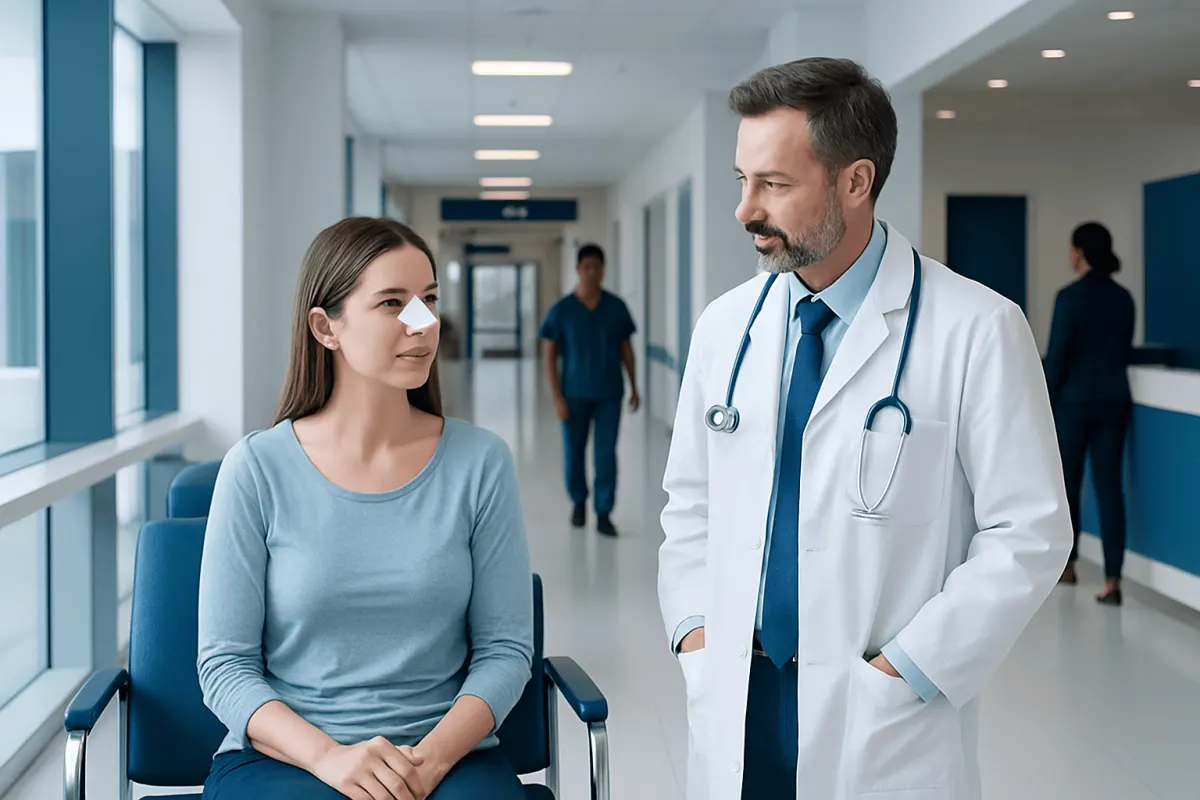
Rhinoplasty recovery time varies from person to person, but healing usually follows a predictable pattern. Most people return to light daily activities within days to weeks, while subtle swelling and final contour changes can continue to improve for many months.
Overview: What to Expect After Rhinoplasty
Rhinoplasty recovery time depends on the type of procedure performed, the structure of the nose, the thickness of the skin, and the body’s natural healing response. Some people have surgery mainly for cosmetic reshaping, while others also need correction of breathing problems or repair after facial trauma. In either case, early healing and final healing are not the same thing.
During the first days after surgery, swelling, congestion, mild bleeding or drainage, and facial puffiness are common. A splint on the outside of the nose is often used to protect the new shape during the earliest stage of healing. Internal swelling can make the nose feel blocked, even when the outside is already starting to look better.
Most patients feel noticeably better after the first week or two. However, the nose continues to refine over time. Small changes in the bridge, tip, and sidewalls may become clearer month by month. This gradual improvement is normal and helps explain why patience is an important part of rhinoplasty recovery.
Week-by-Week Rhinoplasty Healing Timeline
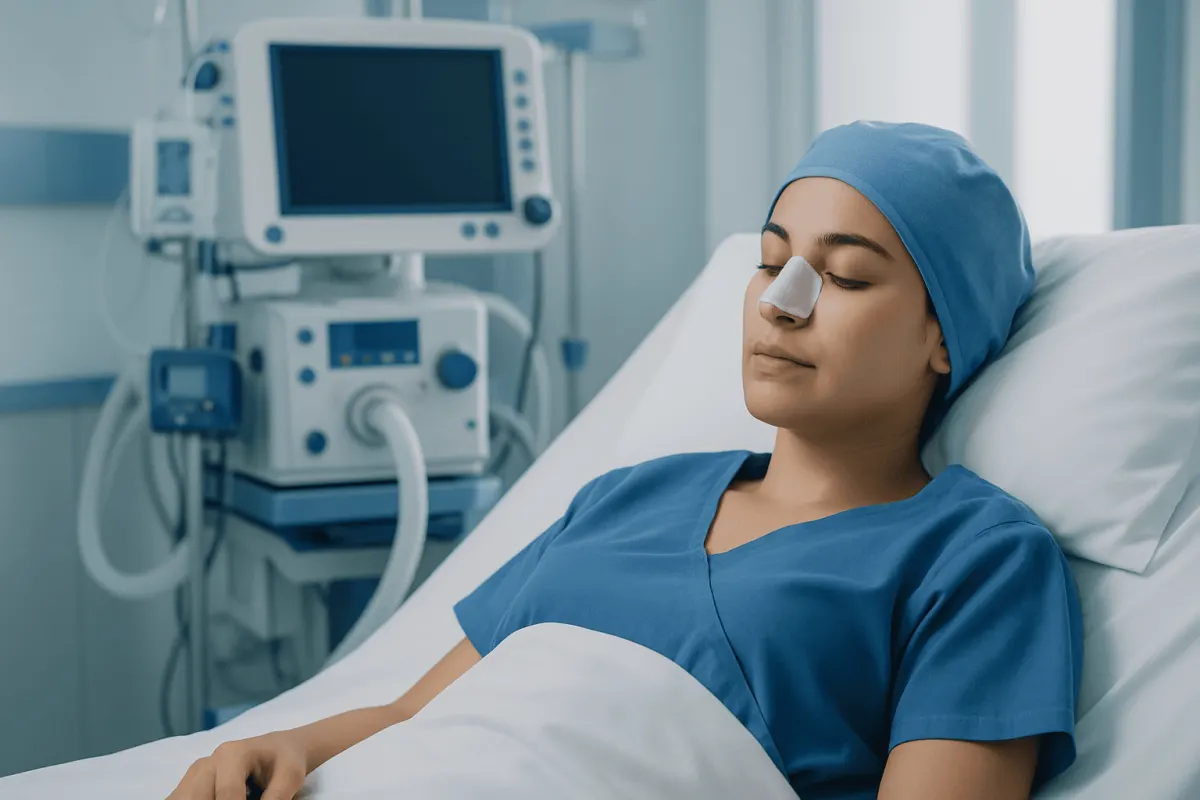
Days 1 to 3: The first few days are usually the most uncomfortable, although pain is often described as pressure or congestion rather than severe pain. Swelling around the nose and eyes typically increases during this period, and bruising may become more visible. Resting with the head elevated and using medications exactly as prescribed can support comfort and healing.
Days 4 to 7: Swelling and bruising usually begin to settle, though the nose can still feel stiff and blocked. Many surgeons remove the splint around the end of the first week. Once the splint comes off, patients may feel surprised by the amount of swelling still present, especially at the tip. This is expected and does not reflect the final result.
Weeks 2 to 4: Most bruising fades significantly, and many people feel ready to return to work, school, or social activities if these are not physically demanding. The nose often looks better from a distance, but close-up swelling remains. Gentle walking is usually possible, while strenuous exercise and any activity that risks a blow to the nose are still limited.
Months 1 to 12: As the weeks pass, swelling continues to decrease. The bridge often refines earlier than the tip, and thicker skin may take longer to settle. By 3 to 6 months, many changes are well established, but final definition can take up to a year or more, particularly after more complex reshaping or revision procedures.
Common Symptoms During Recovery

Early symptoms after rhinoplasty are usually part of normal healing. These commonly include swelling, bruising under or around the eyes, nasal stuffiness, mild oozing from the nostrils, tenderness, and a feeling of tightness in the upper lip or cheeks. Temporary numbness at the tip of the nose or around the incision area can also occur.
It is also common for the nose to look asymmetrical during recovery. Swelling rarely resolves evenly on both sides, so one side may appear fuller for a period of time. This can be frustrating, but it does not necessarily mean there is a problem. The nose is healing in layers, and internal tissues may remain swollen longer than expected.
Patients should know that breathing can feel worse before it feels better. Internal swelling and dried secretions can narrow the nasal passages. For this reason, surgeons often recommend saline sprays or other gentle cleaning instructions. Picking, forceful blowing, or inserting objects into the nose should be avoided unless a doctor has specifically instructed otherwise.
- Common early symptoms: swelling, bruising, congestion, mild drainage
- Common temporary changes: stiffness, numbness, uneven swelling, altered facial expressions
- Less common but possible: acne-like skin changes from tape or splints, temporary sleep disturbance, dry mouth from mouth breathing
What Affects Rhinoplasty Recovery Time?
Healing is influenced by the details of the surgery. Open rhinoplasty, revision rhinoplasty, cartilage grafting, septal work, or combined functional and cosmetic procedures may lead to a longer or more noticeable recovery period. Procedures that reshape the nasal tip often take longer to fully refine than changes focused mainly on the bridge.
Individual factors also matter. Skin thickness, age, smoking status, nutrition, medical conditions, and the body’s tendency to scar can all affect recovery. People with a history of problematic scar formation, such as keloid scars, should discuss this with their surgeon even though rhinoplasty incisions are often small and carefully placed.
Recovery can also be influenced by whether rhinoplasty is done alone or alongside other facial procedures. In some treatment plans, surgeons may combine nasal reshaping with facial balancing procedures such as chin aesthetic or a brow lift, depending on the person’s anatomy and goals. When multiple procedures are performed, aftercare instructions may be more detailed and the visible recovery may feel broader, even if each area is healing normally.
Aftercare, Activity Limits, and Self-Care Tips
Following post-operative instructions closely is one of the best ways to support healing. Patients are usually advised to sleep with the head elevated, avoid putting pressure on the nose, and take medications exactly as directed. Cold compresses may be recommended for the cheeks or eye area, but they should not be placed directly on the nose unless the surgeon says this is safe.
For several weeks, many surgeons advise avoiding strenuous exercise, heavy lifting, bending forward repeatedly, swimming, contact sports, and anything that could cause the nose to be bumped. Glasses or sunglasses may need to be adjusted or temporarily supported so they do not rest on the nose. Sun protection is also important because healing skin can be more sensitive to discoloration.
Good self-care includes staying hydrated, eating a balanced diet, avoiding smoking and nicotine products, and attending all follow-up visits. Patients should not compare their healing too closely with photos from others online, because recovery varies widely. The most useful guide is the surgeon’s own plan for wound care, activity, and follow-up.
- Keep the head elevated, especially while sleeping
- Avoid nose blowing until the surgeon allows it
- Protect the nose from accidental impact and sun exposure
- Use only approved nasal sprays, ointments, or dressings
When to Contact a Doctor
Most rhinoplasty symptoms improve gradually, not all at once. Still, some signs deserve prompt medical advice. Patients should contact their surgeon if they have fever, worsening redness, severe or increasing pain, heavy bleeding, foul-smelling drainage, or swelling that suddenly becomes much worse rather than steadily better.
Difficulty breathing that feels severe, chest pain, calf swelling, or symptoms of an allergic reaction should be treated as urgent. Even if a symptom turns out to be part of normal healing, it is reasonable to ask. Early reassurance or early treatment can both be helpful.
Regular follow-up visits are important because surgeons assess not only how the nose looks, but also how it functions. They can monitor swelling, remove dressings if needed, and advise when it is safe to return to exercise, travel, or wearing glasses normally. Patients seeking care abroad may benefit from centers with coordinated aftercare; Acıbadem Health Point’s multidisciplinary specialists in JCI-accredited hospitals diagnose and treat patients undergoing facial and aesthetic procedures, including plans related to reconstructive ophthalmology or Fat Transfer Explained" class="ahp-ilk">cheek augmentation when these are part of broader facial treatment needs.
Long-Term Results and Emotional Expectations
Rhinoplasty healing is not only physical. It can also be emotional, especially in the first weeks when swelling temporarily hides the intended result. It is common for patients to feel impatient or uncertain when the nose looks puffy, stiff, or different from what they expected right away. Understanding the normal timeline can make this period easier.
Long-term results depend on healing, surgical technique, skin quality, and realistic goals discussed before surgery. The nose often settles gradually, with the tip taking the longest to refine. Small day-to-day differences can happen, especially in the morning or in warm weather, when swelling may look slightly more noticeable.
Patients usually do best when they focus on steady progress rather than perfection in the early months. Clear communication with the surgeon, attendance at follow-up appointments, and patience with the process all support a healthier recovery experience. If concerns remain after healing has progressed, the surgeon can explain whether more time is needed or whether further evaluation is appropriate.
Frequently asked questions
01How long does rhinoplasty recovery usually take?
Most people feel significantly better within 1 to 2 weeks, and visible bruising often improves during that time. However, rhinoplasty recovery time includes longer internal healing, and final refinement commonly takes 6 to 12 months or sometimes longer.
02When can someone go back to work after rhinoplasty?
Many patients return to desk-based work or school after about 1 week, especially once the splint is removed. Jobs involving physical strain, heavy lifting, or risk of facial injury may require a longer break, based on the surgeon’s advice.
03Is it normal for the nose to look bigger after surgery?
Yes. Swelling can make the nose look larger, wider, or uneven early in recovery. This is very common, especially at the tip, and usually improves gradually over weeks to months.
04When does breathing through the nose get easier?
Nasal breathing may feel blocked at first because of internal swelling, dried mucus, or temporary dressings. Many people notice gradual improvement over the first few weeks, although the timeline can vary depending on the procedure.
05How should someone sleep after rhinoplasty?
Patients are often advised to sleep on their back with the head elevated for the early recovery period. This can help reduce swelling and protect the nose from pressure or accidental bumps during sleep.
06When is exercise safe after rhinoplasty?
Light walking is often possible fairly soon, but strenuous exercise usually needs to wait for several weeks. The exact timing depends on the procedure and the surgeon’s instructions, because raising blood pressure too early can increase swelling or bleeding risk.
07What symptoms after rhinoplasty should not be ignored?
Heavy bleeding, worsening pain, fever, increasing redness, foul-smelling drainage, or sudden severe swelling should be reported to a doctor. Urgent symptoms such as chest pain, severe shortness of breath, or signs of an allergic reaction need immediate medical attention.
This article is for general information only and is not a substitute for professional medical advice. Please consult a qualified doctor about your individual situation.
Explore treatments in Turkey — costs, top hospitals & a free quote
JCI-accredited · board-certified surgeons · reply within 24h
Add us as a Preferred Source to see more of our trusted health content across Google Search, AI Overviews and Discover.