Lip Dermal Fillers: When Swelling Usually Settles
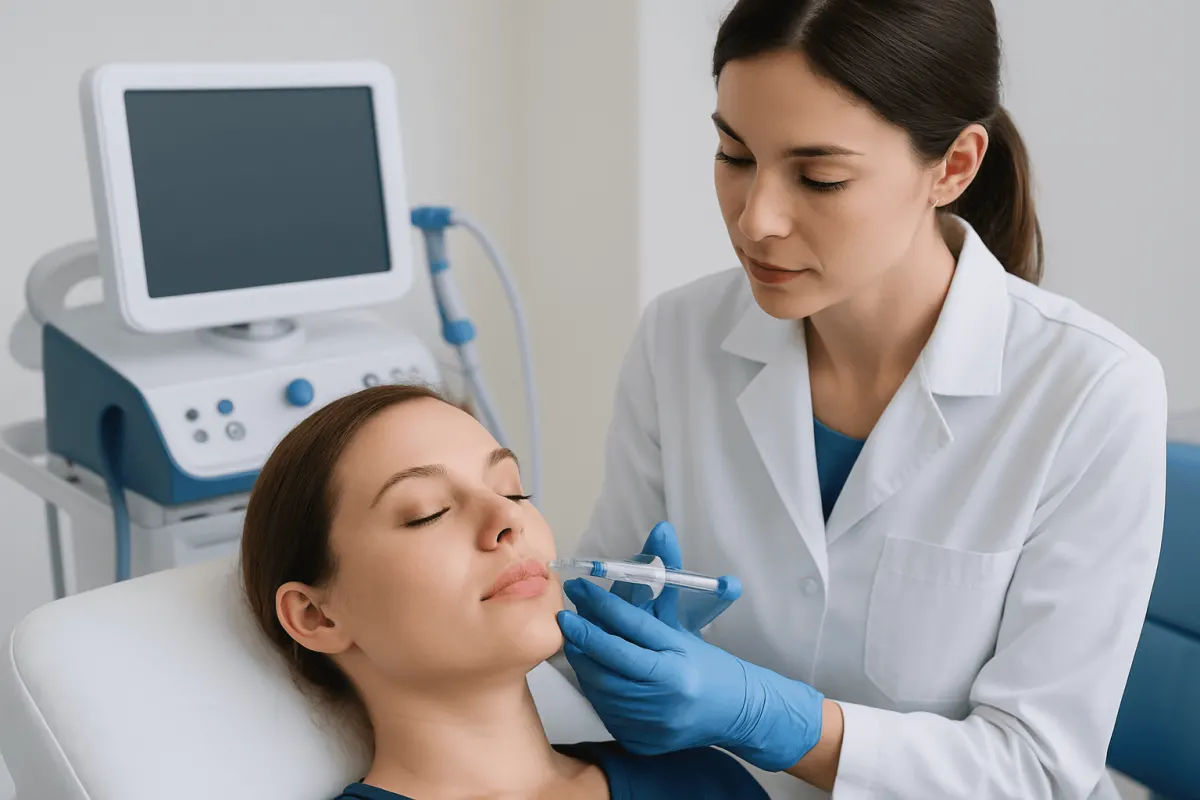
Dermal fillers lips treatment is a minimally invasive procedure that can add volume, improve symmetry, or define the lip border, most commonly using hyaluronic acid filler. Temporary swelling and bruising are common, while serious complications are uncommon but require prompt medical assessment.
Overview: What Are Dermal Fillers for Lips?
Dermal fillers lips treatment is an injectable cosmetic procedure used to increase lip volume, improve contour, soften fine lines around the mouth, or address mild asymmetry. Most modern lip fillers are made from hyaluronic acid, a substance naturally present in the body that holds water and can create a soft, temporary fullness. Results are visible immediately, although early swelling means the final appearance should not be judged on the day of treatment.
A trained clinician places small amounts of filler at selected points in the lips or along the lip border. The approach should be individualized: some people seek subtle hydration and definition, while others want more noticeable volume. A careful consultation helps establish whether a person’s goals are realistic and whether lip filler is suitable for them.
Hyaluronic acid filler gradually breaks down over time, so results are not permanent. Duration varies with the product, amount used, individual metabolism, and lip movement. Follow-up treatment may be considered when the effect has faded, but repeated treatment should be planned conservatively to avoid an overfilled appearance.
The Lip Filler Procedure: What Happens at the Appointment?
Before treatment, the clinician should ask about allergies, previous filler treatments, bleeding problems, medications and supplements, active skin conditions, and a history of cold sores. They should also assess the lips and surrounding facial proportions, explain likely outcomes and limitations, and discuss possible risks before obtaining informed consent.
The lips are cleaned, and a topical numbing cream may be used. Many hyaluronic acid fillers also contain a local anesthetic. The clinician injects the filler using a fine needle or a blunt-tipped cannula, then may gently shape the area. The treatment itself often takes a short time, though consultation and preparation take longer.
Mild tenderness, swelling, redness, pinpoint bleeding, and bruising can occur after injections. A person should receive clear written aftercare advice and instructions on whom to contact if they have concerns. For people considering a broader facial aesthetic plan, a consultation may also discuss options such as botulinum toxin treatment for dynamic lines, although it serves a different purpose from filler.
Recovery and Early Results

Recovery after lip filler is generally straightforward. The lips may feel firm, sensitive, uneven, or fuller than expected at first because of swelling. Applying a cool compress wrapped in cloth for brief periods can improve comfort. Keeping the head elevated during the first night may also help reduce swelling.
For the first day or two, it is sensible to avoid pressing or massaging the lips unless the injector specifically advises it. People may also wish to limit strenuous exercise, significant heat exposure such as saunas or hot yoga, and alcohol, as these can worsen flushing or swelling. Gentle hydration and normal meals are usually appropriate, although eating slowly and avoiding very hot foods may feel more comfortable while the lips are numb or tender.
Bruising can be concealed after the injection sites have closed and the skin is no longer irritated. It is important not to use a result seen immediately after treatment as the final benchmark. The lips need time for injection-related swelling to settle and for the filler to integrate into the tissue.
What Are the Worst Days After Lip Fillers?
For many people, the worst days after lip fillers are the first and second days. Swelling is often most apparent during this period and may make the lips look larger, less symmetrical, or more uneven than intended. Mild soreness, tightness, bruising, and small areas of firmness can also be present.
By about day three, swelling commonly begins to improve, although bruising may last longer in some people. Recovery differs between individuals and can be affected by the amount injected, injection technique, personal tendency to bruise, and whether a person has had lip filler before. A clinician can advise whether the healing pattern is expected at a follow-up review.
Severe or escalating pain is not a typical recovery symptom. Likewise, skin that becomes pale, white, grey, mottled purple, or blue should be assessed urgently. These signs can rarely indicate impaired blood flow and require immediate treatment by an experienced medical professional.
How Long Should I Rest After Getting Lip Fillers?
Most people do not need bed rest after getting lip fillers and can return to light daily activities on the same day. However, allowing a quiet day after the procedure can be useful, especially for someone who is prone to swelling or bruising. Scheduling treatment before an important event is best avoided because the early appearance can be unpredictable.
Heavy exercise is commonly postponed for about 24 hours, or longer if swelling is significant. Heat exposure, alcohol, and activities that create facial pressure or friction should also be avoided temporarily according to the injector’s instructions. Kissing, vigorous lip movements, and dental treatment may be uncomfortable in the first day or two; the treating clinician can provide individualized guidance.
People should not stop prescribed medicines without speaking to the clinician who prescribed them. During consultation, they should mention medicines or supplements that may increase bruising or bleeding. Any changes to these should be made only under appropriate medical advice.
How Long Does It Take to Look Normal After Lip Fillers?
Many people look socially presentable within a few days, but it can take approximately 1–2 weeks for lips to look and feel settled. This allows most swelling and bruising to fade and gives the clinician and patient a more reliable view of shape, symmetry, and volume. A review appointment, when offered, is often planned after this settling period.
Small differences between the two sides of the lips can be more noticeable while swelling is uneven. Pre-existing natural asymmetry may also remain after treatment. Adding more filler too early is not usually advisable; waiting until the tissue has recovered supports safer, more measured decisions.
If a lump, persistent tenderness, or unevenness remains after the expected healing window, the person should contact the injector for assessment. Depending on the cause, observation, gentle clinician-directed management, or other treatment may be appropriate. Hyaluronic acid fillers can sometimes be treated with an enzyme called hyaluronidase when medically indicated.
What I Wish I Knew Before Getting Lip Fillers
A useful expectation before getting lip fillers is that subtle, balanced results often require restraint rather than a large amount of product in one appointment. A reference photograph can help explain a preferred style, but individual lip anatomy, skin thickness, and facial proportions affect what can be achieved safely. An experienced clinician should prioritize natural movement, proportion, and tissue health over copying another person’s result.
It is also important to know that all injectable filler procedures involve risk. Common effects such as swelling and bruising are usually temporary, but infection, cold sore reactivation, persistent lumps, allergic reactions, and vascular complications can occur. Treatment should therefore be performed by a properly trained and licensed medical professional in an appropriate clinical setting.
People with an active cold sore, skin infection, significant inflammation around the mouth, or certain medical circumstances may need to postpone treatment. Those who have previously had cold sores should tell the clinician, as preventive antiviral treatment may be considered. Pregnancy and breastfeeding are generally reasons to defer cosmetic filler because safety data are limited.
When to Seek Medical Care
Contact the treating clinician promptly if swelling, redness, warmth, tenderness, or discharge becomes worse rather than gradually improving, as these may suggest infection or another complication. A cold sore outbreak, significant bruising, or a persistent lump should also be discussed with the injector. It is safest to seek advice from the professional who performed the procedure rather than attempting to massage, puncture, or treat the area independently.
Urgent medical assessment is needed for severe or increasing pain; a pale, white, grey, blue, or mottled appearance of the lip or nearby skin; blisters; or any change in vision. Although rare, these symptoms can be associated with a vascular complication and should be treated as time-sensitive.
Acıbadem Health Point’s multidisciplinary specialists and JCI-accredited hospitals can assess and treat aesthetic concerns and complications for international patients. A qualified clinician can help determine whether dermal fillers are appropriate and provide individualized aftercare advice.
Frequently asked questions
01Are dermal fillers lips treatment painful?
Lip filler injections can cause brief discomfort, pressure, or stinging. Topical numbing cream and fillers containing local anesthetic can help improve comfort. Tenderness for a few days afterward is common.
02How long do lip fillers last?
Hyaluronic acid lip fillers are temporary and gradually break down over time. How long they last varies between individuals and depends on the filler used, the amount injected, and personal metabolism. A clinician can discuss a realistic maintenance plan during consultation.
03Can lip fillers be dissolved?
Many hyaluronic acid fillers can be reduced or dissolved with an enzyme called hyaluronidase when clinically appropriate. This should only be performed by a qualified medical professional. Fillers made of other materials may not respond in the same way.
04Can I wear lipstick after lip filler?
It is usually best to wait until the injection points have closed and any irritation has settled before applying lip products. The treating clinician may give specific timing based on the procedure and the condition of the skin. Clean products and gentle application are important.
05Can I exercise after getting lip fillers?
Light activity is often possible on the same day, but strenuous exercise is commonly avoided for about 24 hours. Exercise can increase circulation, flushing, and swelling. The injector may recommend a longer pause if bruising or swelling is pronounced.
06What should I avoid before lip filler treatment?
A person should discuss all medicines, supplements, allergies, and previous cosmetic procedures with the clinician before treatment. They should avoid attending with an active cold sore, skin infection, or significant irritation around the lips. Prescribed medication should never be stopped without advice from the prescribing healthcare professional.
This article is for general information only and is not a substitute for professional medical advice. Please consult a qualified doctor about your individual situation.
Medical weight-loss options in Turkey — costs & eligibility
JCI-accredited · board-certified surgeons · reply within 24h
Add us as a Preferred Source to see more of our trusted health content across Google Search, AI Overviews and Discover.