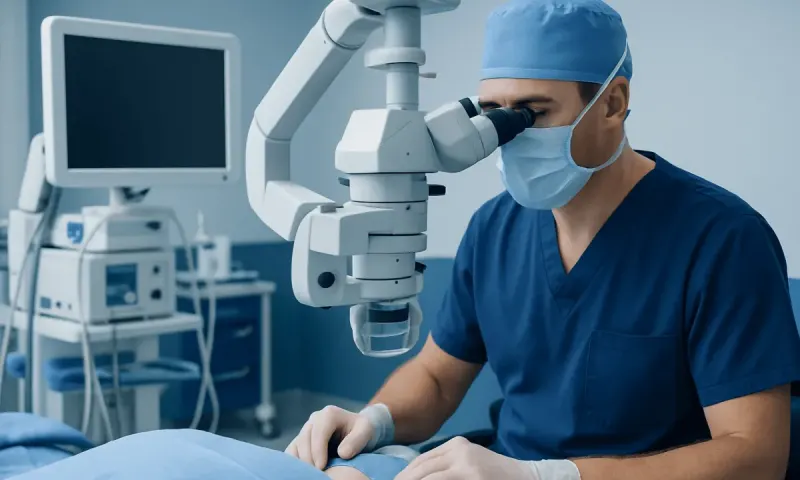
Reconstructive Ophthalmology: What Conditions It Treats and When Surgery Is Needed
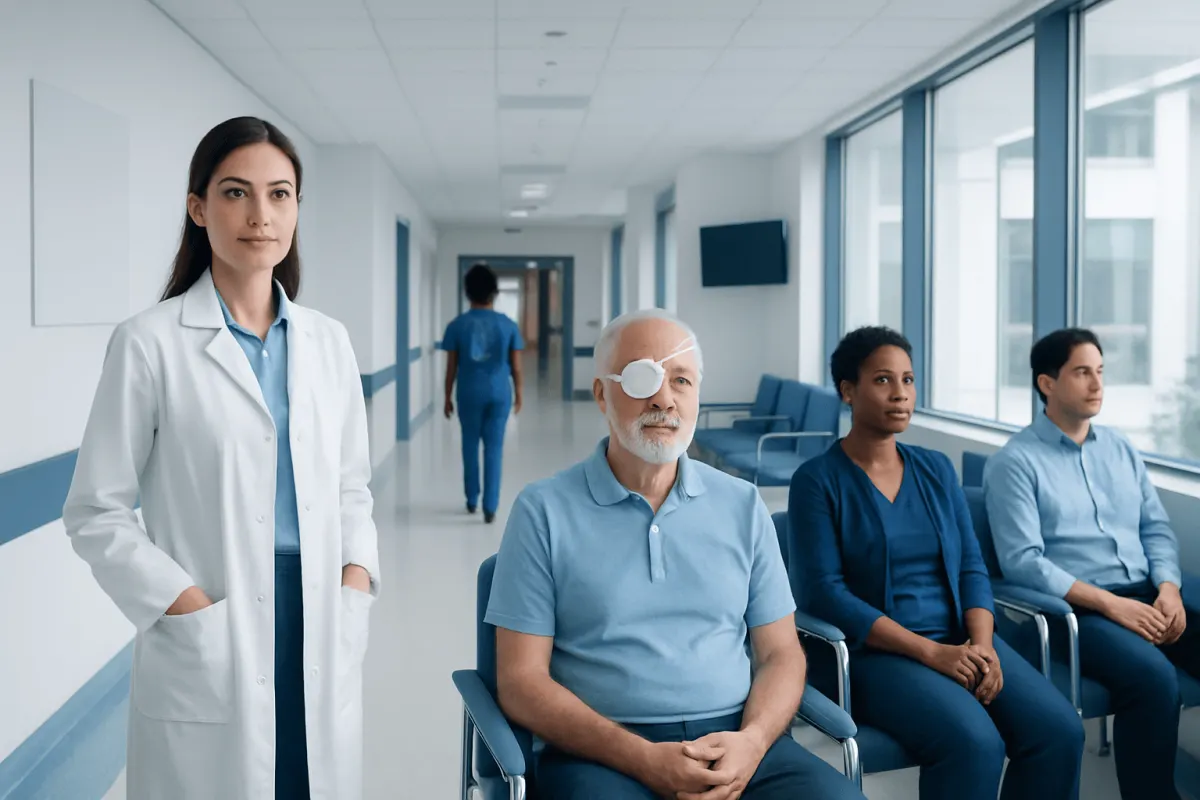
Reconstructive ophthalmology focuses on repairing structures around the eyes when disease, injury, congenital differences, or tissue changes affect function and appearance. It can help protect vision, improve comfort, and restore a more natural eyelid, tear drainage, or eye socket anatomy when non-surgical care is not enough.
Overview
Reconstructive ophthalmology is a specialized area of eye and facial surgery that repairs problems affecting the eyelids, tear drainage system, eye socket, and nearby tissues. Its goal is not only to improve appearance, but also to protect the eye, support healthy vision, reduce discomfort, and restore normal function as much as possible.
These procedures are often performed by surgeons with expertise in reconstructive ophthalmology and oculoplastic surgery. They manage conditions caused by injury, tumors, previous surgery, facial nerve problems, congenital differences, inflammation, and age-related tissue changes. In many cases, treatment is recommended because a structural problem is interfering with blinking, causing irritation, or preventing tears from draining normally.
Because the tissues around the eyes are delicate and highly visible, treatment planning is individualized. The surgeon considers eye health, vision, tissue quality, facial symmetry, and the patient’s symptoms and goals. Some procedures are relatively small and outpatient, while others involve more complex reconstruction using grafts, flaps, implants, or a multidisciplinary surgical team.
What Conditions Reconstructive Ophthalmology Treats
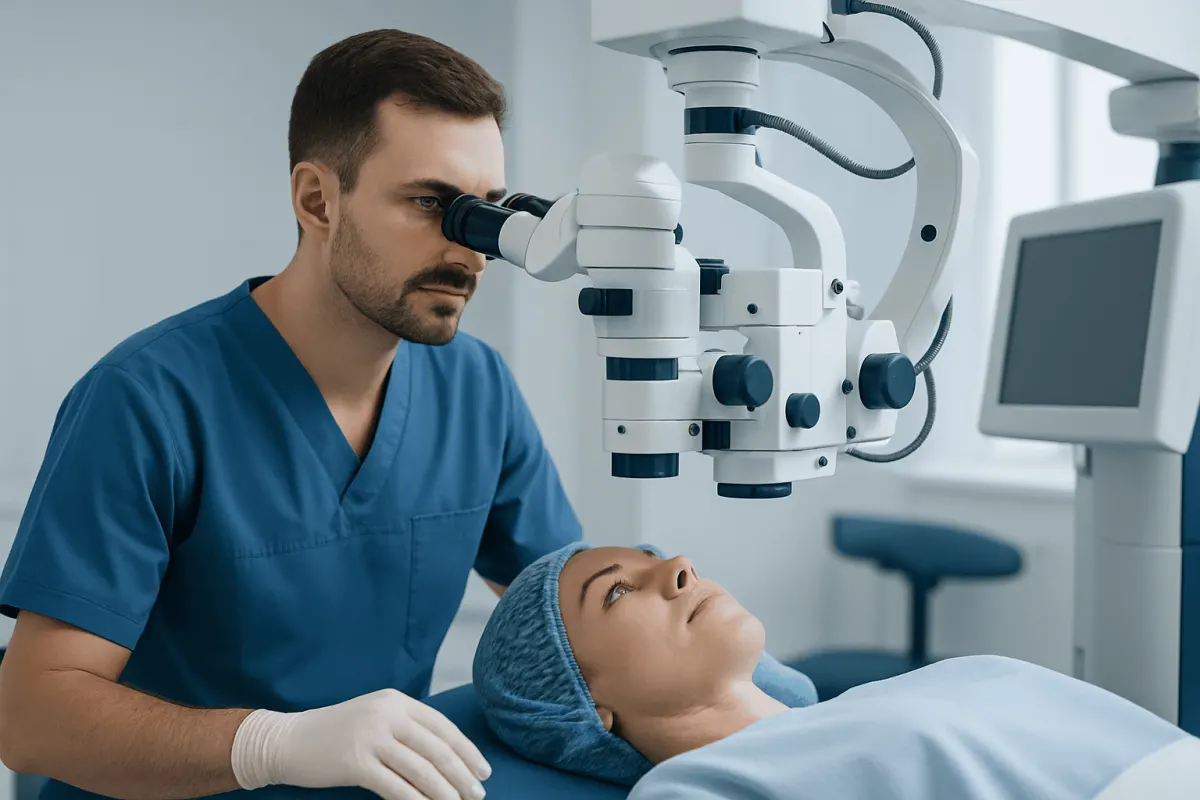
Reconstructive ophthalmology covers a wide range of functional and structural conditions. One of the most common groups involves the eyelids. These include ectropion, where the lower eyelid turns outward; entropion, where it turns inward; ptosis, where the upper lid droops; lid retraction; and incomplete eyelid closure. Each of these problems can expose the surface of the eye, leading to dryness, redness, tearing, blurred vision, or irritation.
Another important group involves the tear drainage system. Blocked tear ducts can cause persistent watering, crusting, recurrent infections, and irritation. Reconstructive procedures may help open or bypass a blockage so tears can drain more normally. This is often considered when symptoms are ongoing or repeated infections occur.
The specialty also treats tumors and masses of the eyelid, orbit, and surrounding tissues. After removal of a lesion, reconstruction may be needed to preserve eyelid stability and protect the cornea. In some cases, eye socket reconstruction is needed after trauma, severe infection, or removal of an eye. People recovering from facial trauma may need orbital or eyelid repair to restore function and facial balance.
Congenital differences and scarring are also part of this field. Some people are born with eyelid, socket, or facial asymmetry that affects vision or appearance. Others develop tissue loss or scar-related changes after surgery, burns, or injury, including healing issues after burns. Reconstructive care aims to improve both eye protection and the overall contour of the area around the eyes.
Symptoms and Signs That May Need Evaluation

Symptoms that suggest a reconstructive eye problem can vary depending on the structure involved. A person may notice watery eyes, burning, a scratchy sensation, recurrent redness, sensitivity to wind, or frequent eye infections. Some people struggle to fully close the eye while sleeping, which can lead to dryness and morning discomfort.
Changes in eyelid position are another common reason for assessment. The eyelid may droop enough to block part of the visual field, pull away from the eye, turn inward so the lashes rub the cornea, or swell because of a mass or scar. Some patients notice that one eye appears more open or sunken than the other, especially after injury or prior surgery.
Eye socket and orbital problems may cause bulging, asymmetry, double vision, pain with eye movement, or difficulty wearing an ocular prosthesis comfortably after eye loss. A blocked tear duct may show up as constant tearing that runs down the cheek, with repeated discharge or infection near the inner corner of the eye.
Any rapidly growing eyelid lesion, bleeding mass, new distortion of the eyelid margin, or unexplained persistent swelling should be assessed by a qualified doctor. While many causes are treatable, early evaluation can make reconstruction easier and help protect the eye.
Causes and Risk Factors
Reconstructive ophthalmic problems can develop for many reasons. Age-related weakening of tissues is a frequent cause of eyelid laxity, ectropion, and some cases of ptosis. Long-term sun exposure, previous inflammation, and chronic rubbing of the eyes may also contribute to structural changes over time.
Trauma is another major cause. Injuries from accidents, falls, sports, or facial fractures can affect the eyelids, orbit, tear ducts, or bones around the eye. Scarring after injury or surgery can alter eyelid movement and facial symmetry. Some people require reconstruction after tumor removal to restore tissue support and maintain normal eyelid closure.
Certain neurologic or muscular problems can interfere with blinking and eyelid position. Facial nerve weakness, thyroid-related eye disease, and inflammatory conditions may change the way the eye is protected. Congenital differences present from birth can also affect eyelid shape, tear drainage, or the development of the orbit and surrounding tissues.
Previous operations, radiation therapy, skin disorders, and severe infections may increase the risk of complex reconstruction. In all of these cases, the need for treatment depends less on the label of the condition alone and more on how much it affects eye health, comfort, vision, and daily life.
How Diagnosis Is Made
Diagnosis begins with a careful history and examination. The specialist asks about symptoms such as tearing, dryness, irritation, visual obstruction, swelling, pain, and past eye or facial surgery. They also look at when the problem started, whether it is getting worse, and whether there has been trauma, infection, or a skin lesion in the area.
The physical examination usually includes assessment of eyelid position, blink function, corneal protection, tear drainage, and the stability of the eye socket and surrounding tissues. If the person reports reduced side vision from a drooping lid, visual field testing may be considered. The surgeon may also assess facial nerve function, scar quality, and how the two sides of the face move together.
Additional tests depend on the suspected condition. Tear drainage problems may be evaluated with irrigation or probing of the tear system. Imaging such as CT or MRI can help assess orbital fractures, deep masses, inflammation, or socket changes. If a suspicious lesion is present, a biopsy may be needed to guide safe treatment.
Because reconstructive eye conditions can overlap with dermatology, ENT, neurology, oncology, and maxillofacial care, diagnosis may involve more than one specialist. This team approach is especially helpful in complex trauma, tumor reconstruction, and orbital disease.
When Surgery Is Needed and Treatment Options
Surgery is usually considered when a structural problem around the eye is causing clear functional symptoms or is unlikely to improve with conservative care alone. Examples include eyelids that no longer protect the eye, lashes rubbing the cornea, drooping lids blocking vision, blocked tear ducts causing persistent symptoms, or tissue loss after trauma or tumor removal. In some cases, surgery is also advised to prevent corneal damage or repeated infection.
Not every patient needs an operation immediately. Mild dryness, temporary swelling, or small positional changes may first be managed with lubricating drops, ointments, taping, infection treatment, scar care, or observation. However, when symptoms are ongoing or the anatomy is significantly altered, surgery may offer the most reliable correction.
Procedures vary by condition. Eyelid surgery can tighten a loose lid, reposition tissues, correct inward or outward turning, or lift a drooping upper lid. Tear duct surgery may create a new drainage pathway when a blockage cannot be relieved by simpler methods. Orbital reconstruction may repair fractures, support the eye socket, address enophthalmos or asymmetry, or improve the fit of a prosthetic eye. In selected patients, associated brow descent may also be part of the problem and can be addressed with a brow lift when clinically appropriate.
Reconstruction after cancer surgery or trauma may require local flaps, skin grafts, cartilage grafts, mucosal grafts, implants, or staged procedures. The aim is to rebuild stable anatomy while preserving blinking, tear flow, and a natural contour. Surgeons generally explain the expected benefits, limitations, healing time, and possibility that more than one procedure may be needed for complex cases.
Recovery, Prevention, and Self-care
Recovery depends on the type of procedure performed. Swelling, bruising, temporary tightness, and mild discomfort are common early on, especially after eyelid or orbital surgery. Patients are usually advised to keep the area clean, use prescribed eye drops or ointments as directed, avoid rubbing the eye, and attend follow-up visits so healing can be monitored.
Simple self-care can support comfort both before and after treatment. Lubricating eye drops may help protect the surface of the eye when blinking is incomplete or dryness is present. Cold compresses are sometimes recommended after surgery to reduce swelling, while activity restrictions may help prevent bleeding or strain during the first days of healing. Specific instructions should always come from the treating specialist.
Prevention is not always possible, especially for age-related, congenital, or tumor-related conditions. Still, some steps may reduce risk. These include using protective eyewear during sports and hazardous work, seeking prompt care for eyelid injuries or infections, protecting the skin around the eyes from excessive sun exposure, and getting suspicious eyelid lesions checked early.
People who have undergone reconstruction benefit from ongoing observation, especially if they have a history of tumors, facial nerve problems, or significant trauma. Near the end of the treatment pathway, some patients may choose care at centers such as Acıbadem Health Point, where multidisciplinary specialists and JCI-accredited hospitals diagnose and treat reconstructive eye conditions for international patients.
When to See a Doctor
A doctor should evaluate persistent tearing, eyelid drooping that interferes with sight, lashes rubbing against the eye, swelling that does not settle, or recurrent infections near the eyelid or tear duct. Ongoing dryness, inability to fully close the eye, or an uncomfortable socket after eye loss also deserve specialist assessment.
Urgent medical care is important after significant eye or facial injury, sudden double vision, severe pain, rapidly increasing swelling, or any concern that vision may be affected. A new or changing eyelid lesion, especially one that bleeds, crusts, or distorts the eyelid edge, should also be examined without delay.
It is often helpful to seek consultation early rather than waiting for symptoms to worsen. Timely evaluation can identify whether the problem is best treated with medication, observation, or surgery, and can help protect the health of the eye while improving comfort and appearance.
Frequently asked questions
01What is reconstructive ophthalmology?
Reconstructive ophthalmology is a surgical specialty that repairs problems involving the eyelids, tear ducts, eye socket, and nearby tissues. Its purpose is to restore function, protect the eye, improve comfort, and support a natural appearance.
02Is reconstructive ophthalmology the same as cosmetic eyelid surgery?
No. Cosmetic eyelid surgery is mainly done to change appearance, while reconstructive ophthalmology is performed to correct a medical or functional problem. In some cases, a procedure can improve both function and appearance at the same time.
03What conditions most commonly require this type of surgery?
Common reasons include drooping eyelids that block vision, inward- or outward-turning eyelids, blocked tear ducts, eyelid tumors, orbital fractures, and socket problems after eye removal. Scarring, congenital differences, and facial nerve weakness can also lead to reconstructive treatment.
04How does a doctor decide whether surgery is necessary?
The decision is based on symptoms, examination findings, and how much the condition affects eye protection, vision, tear drainage, or daily life. If non-surgical treatment is unlikely to solve the problem or if there is a risk to the eye, surgery may be recommended.
05Will reconstructive eye surgery affect vision?
Many procedures are designed to protect or improve the conditions that support vision, such as better eyelid closure or reduced corneal irritation. Temporary blur can occur from ointment, swelling, or healing, but the surgeon will explain what to expect for the specific procedure.
06How long does recovery usually take?
Recovery varies depending on whether the surgery is a small eyelid repair or a more complex orbital reconstruction. Mild procedures may heal over days to a few weeks, while larger reconstructions can take longer and may involve staged follow-up care.
This article is for general information only and is not a substitute for professional medical advice. Please consult a qualified doctor about your individual situation.
Explore treatments in Turkey — costs, top hospitals & a free quote
JCI-accredited · board-certified surgeons · reply within 24h
Add us as a Preferred Source to see more of our trusted health content across Google Search, AI Overviews and Discover.