Brow Lift Surgery: What to Expect Before and After

Brow lift surgery is a cosmetic procedure that lifts a drooping brow, softens forehead creases, and can create a more refreshed appearance. Understanding preparation, recovery, benefits, and limits helps patients make informed decisions and set realistic expectations.
Overview of Brow Lift Surgery
Brow lift surgery, also called a forehead lift or eyebrow lift, is a procedure designed to raise a low or heavy brow and soften lines across the forehead and between the eyebrows. Many people consider it when the upper face looks tired, stern, or aged, even when they feel well rested. By adjusting the position of the brow and treating underlying tissues, the surgery can create a more open, refreshed appearance.
The procedure is individualized. Some patients want a subtle lift that restores a natural brow position, while others are more concerned about deep forehead creases or frown lines. A brow lift does not aim to change a person’s identity or erase every line. Instead, it is usually planned to improve balance in the upper face while preserving natural facial expression.
There are several techniques for brow lift surgery. These include endoscopic brow lift surgery, which uses small incisions and a camera, and more traditional open approaches that may be preferred in selected cases. In some patients, surgery around the eyelids or brow area may also be discussed, such as oculoplastic procedures, especially when drooping tissues affect both appearance and function.
Who May Benefit and What Results to Expect
People who may benefit from brow lift surgery often notice a low or sagging brow, deep horizontal forehead lines, or vertical lines between the eyebrows. Some feel that their brows make them appear angry, tired, or older than they are. In certain cases, a heavy brow can also contribute to hooding over the upper eyelids, although brow position and eyelid skin are separate issues that need careful evaluation.
The best candidates are generally healthy adults with realistic expectations. Good candidates understand that surgery can improve brow position and soften lines, but it cannot stop future aging or guarantee perfect symmetry. Facial anatomy naturally varies from one side to the other, and the goal is improvement rather than absolute perfection.
Results are usually noticeable once early swelling begins to settle. Patients can expect the brow to sit higher and the forehead to look smoother, but the final outcome takes time. Photos taken before and after surgery can be helpful during consultation because they allow the surgeon and patient to discuss realistic changes in brow height, forehead contour, and facial expression.
When brow drooping follows prior injury or reconstructive needs, assessment may be broader and may include areas addressed in reconstructive ophthalmology. In other cases, brow changes can be part of a wider facial plan, particularly after facial trauma, where restoring both function and appearance is important.
Types of Brow Lift Procedures

Several brow lift techniques are available, and the right option depends on the patient’s forehead shape, hairline, skin quality, degree of brow descent, and cosmetic goals. The most commonly discussed method is the endoscopic brow lift. This approach uses a few small incisions hidden behind the hairline and a tiny camera to guide the surgeon. It can offer less visible scarring and may involve a somewhat shorter recovery in suitable patients.
Another option is a more traditional or open brow lift, sometimes performed through a longer incision placed behind or at the hairline. This approach may be preferred when there is significant forehead aging, a need for more extensive lifting, or specific hairline considerations. In selected individuals, a limited-incision or temporal brow lift may be used to elevate the outer brow more than the central forehead.
Choosing the technique is not simply about selecting the least invasive option. Each method has advantages and trade-offs. The surgeon considers the pattern of brow descent, forehead length, existing wrinkles, scalp laxity, and how visible scars may be. The aim is to select a method that matches the anatomy and supports a natural-looking result.
Some patients also ask about combining a brow lift with other facial cosmetic procedures. This can be appropriate in carefully selected cases and is part of broader cosmetic surgery planning. Combining procedures may improve overall facial harmony, but it also requires a thoughtful discussion about recovery time, safety, and the patient’s priorities.
Preparing for Surgery
Preparation begins with a detailed consultation. The surgeon reviews the patient’s medical history, current medications, allergies, previous operations, and any conditions that may affect healing. The face and brow are examined at rest and during expression, because brow position changes with movement. Photographs are often taken to help with planning and to document baseline appearance.
Patients are usually advised to stop smoking well before surgery, because nicotine can reduce blood flow and impair healing. The care team may also ask patients to avoid certain medicines or supplements that can increase bleeding risk, if medically safe to do so. It is important for patients not to stop prescription medication on their own; any change should be discussed with the surgeon and the prescribing doctor.
Before the procedure, patients should arrange transportation home and support for the first day or two of recovery. Preparing cold compresses, extra pillows, comfortable clothing, and any prescribed medications in advance can make the first few days easier. Understanding the recovery timeline ahead of time often helps reduce stress and supports a smoother experience.
During the consultation, patients should also talk openly about goals, concerns, and habits such as hair styling, skin care, and work demands. These details can affect incision placement, post-operative care, and the timing of return to normal activities. A clear preoperative plan helps align expectations and improve satisfaction.
What Happens During Brow Lift Surgery
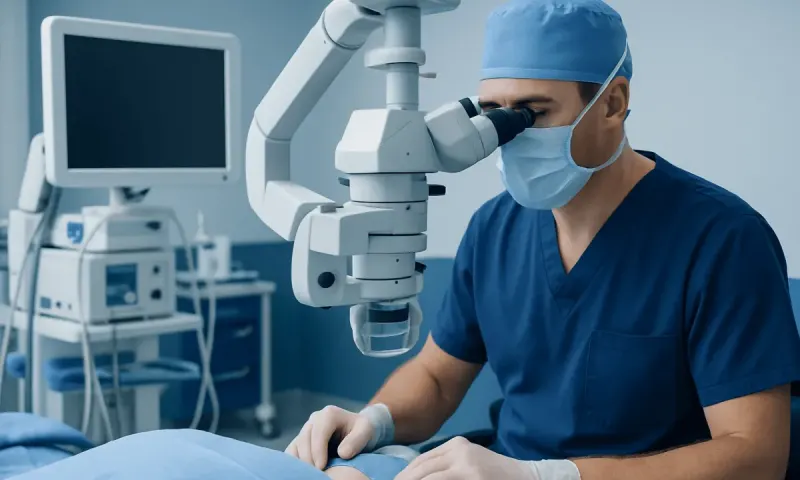
Brow lift surgery is typically performed in a hospital or accredited surgical center. Depending on the technique and the patient’s needs, it may be done under general anesthesia or with sedation and local anesthesia. The surgeon makes the planned incisions, gently lifts and repositions the tissues beneath the skin, and may adjust muscles that contribute to frown lines. The skin is then redraped and secured without excessive tension.
In an endoscopic brow lift, the surgeon uses specialized instruments inserted through small incisions. This allows treatment of deeper tissues while limiting the length of the incision. In open techniques, a longer incision may provide broader access and can be useful when more extensive correction is needed. The choice reflects anatomy and surgical judgment rather than a one-size-fits-all approach.
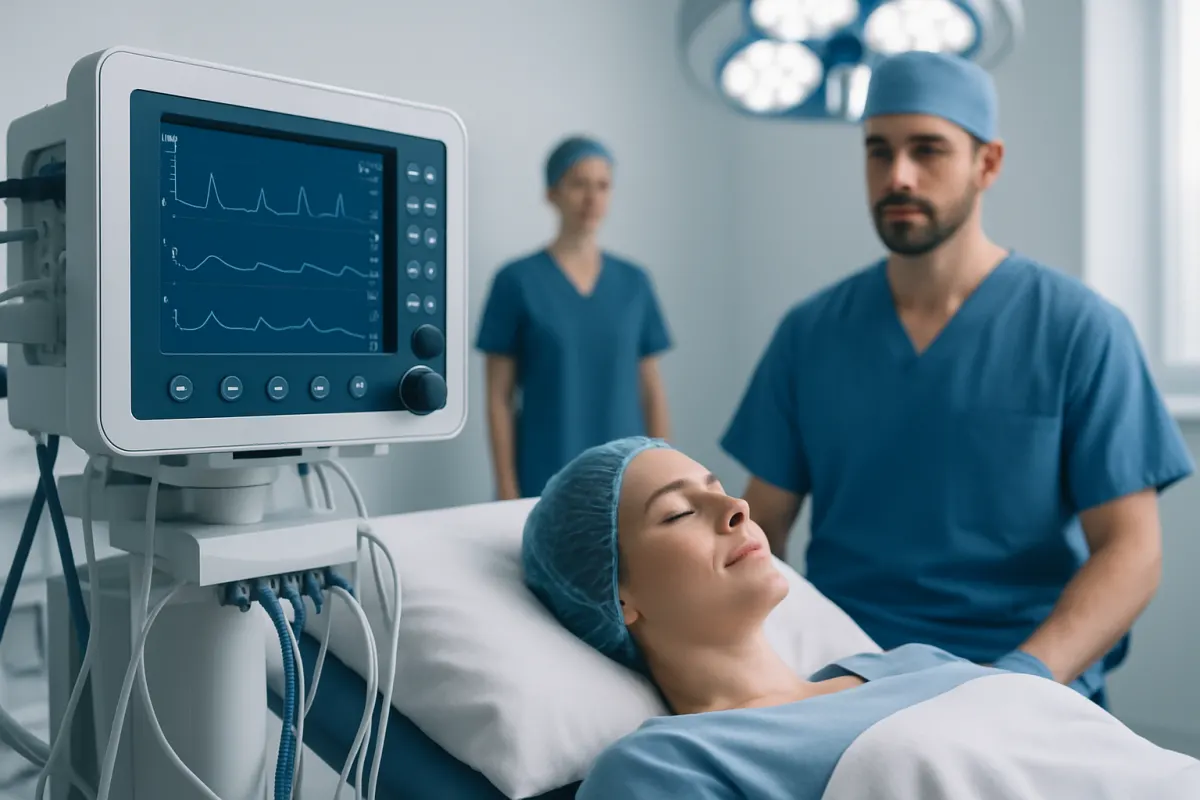
The procedure usually takes a few hours, although timing varies. Once surgery is complete, dressings may be placed, and some patients have a light compression wrap for a short time. The care team monitors the patient as anesthesia wears off and provides instructions about pain control, swelling, incision care, sleeping position, and activity restrictions before discharge.
Recovery and Brow Lift Before-and-After Changes
Recovery from brow lift surgery happens in stages. During the first several days, mild to moderate swelling, bruising, tightness, numbness, and discomfort are common. These symptoms usually improve steadily. Keeping the head elevated and using cold compresses as instructed can help reduce swelling. Most patients are able to walk and do light activities soon after surgery, but strenuous exercise and heavy lifting should be avoided until cleared by the surgeon.
Stitches or staples, if used, are removed according to the surgeon’s timeline. Bruising often improves within one to two weeks, while residual swelling can take longer to settle. It is also normal for the brow to look slightly overcorrected or uneven early on because tissues are still healing. Patience is important, as the result becomes more natural with time.
When patients look at brow lift before-and-after results, it helps to focus on overall expression rather than only brow height. Typical changes include a more rested look, reduced heaviness over the eyes, softer forehead lines, and a smoother contour in the upper face. However, surgery does not completely remove all wrinkles, and skin quality continues to change with age.
Patients should contact their surgical team promptly if they develop severe pain, rapidly increasing swelling, bleeding, fever, or signs of infection. Regular follow-up visits are important because the surgeon checks healing, addresses questions, and guides the return to skin care, exercise, work, and social activities.
Risks, Limitations, and How Surgeons Reduce Them
Like any surgical procedure, brow lift surgery carries potential risks. These include bleeding, infection, visible scarring, asymmetry, numbness, hair changes near the incision, delayed healing, and dissatisfaction with the cosmetic result. In uncommon cases, there may be temporary or persistent changes related to forehead movement or sensation. Anesthesia also has risks, which are discussed before surgery.
It is important for patients to understand the limits of surgery. A brow lift improves brow position and some forehead lines, but it does not treat every concern around the eyes or face. Some people may also need evaluation for eyelid skin excess, skin texture changes, or volume loss in other parts of the face. A balanced plan is often more helpful than expecting one procedure to solve all signs of aging.
Risk reduction starts with choosing a qualified, experienced surgeon and following pre- and post-operative instructions carefully. Honest discussion about medical conditions, previous scars, and healing history matters. For example, patients with a tendency toward keloid scars should mention this during consultation, because scarring patterns can influence surgical planning and counseling.
Well-planned surgery aims for a natural brow position that fits the person’s sex, facial shape, and expression patterns. Over-lifting can look unnatural, so experienced surgeons generally prefer a measured correction tailored to the individual. Thoughtful planning, careful technique, and good follow-up all help support a safer and more satisfying outcome.
Long-Term Care and When to See a Doctor
Long-term care after brow lift surgery focuses on protecting the result and supporting healthy skin. Patients are commonly advised to use sun protection, follow a gentle skin-care routine, and avoid smoking. Weight stability and general wellness can also support a more consistent appearance over time. Although the brow will continue to age naturally, many patients enjoy lasting improvement for years.
Patients should see their surgeon for scheduled follow-up and reach out earlier if concerns arise. Medical advice is especially important if there is new facial weakness, worsening redness, drainage from the incision, severe headache, vision changes, or unexpected swelling. Early assessment can identify whether symptoms are part of normal healing or need treatment.
Anyone considering surgery should seek care from a qualified specialist rather than relying only on photographs or social media trends. For international patients, Acıbadem Health Point’s multidisciplinary specialists at JCI-accredited hospitals diagnose and treat conditions affecting the face and eye area and provide evaluation for aesthetic procedures when appropriate.
If the brow problem is part of a broader concern around the eyes, face, or reconstruction, a specialist may suggest coordinated treatment rather than an isolated procedure. A personalized assessment remains the best way to decide whether brow lift surgery is the right choice and which technique is most suitable.
Frequently asked questions
01What is brow lift surgery used for?
Brow lift surgery is used to raise a drooping brow and soften forehead and frown lines. It can help the upper face look more rested and open, especially when low brows create a tired or stern expression.
02How long does it take to recover from a brow lift?
Early recovery often takes one to two weeks, when most bruising and more visible swelling begin to improve. However, minor swelling, numbness, and tissue settling can continue for several weeks or longer, and final results appear gradually.
03Will a brow lift remove all forehead wrinkles?
A brow lift can reduce some forehead creases and frown lines, but it usually does not erase every wrinkle. The amount of improvement depends on skin quality, muscle activity, and the surgical technique used.
04Is brow lift surgery painful?
Most patients describe discomfort, tightness, or pressure rather than severe pain. Symptoms are usually manageable with the medicines and aftercare instructions provided by the surgical team.
05Are the scars visible after a brow lift?
Incisions are usually placed in or near the hairline to make scars less noticeable. Scar visibility varies depending on the technique, hair style, skin healing, and individual scar tendency.
06Can a brow lift be combined with other procedures?
Yes, in selected patients a brow lift may be combined with other facial procedures if this is safe and appropriate. The decision depends on the patient’s goals, anatomy, medical history, and the surgeon’s assessment.
This article is for general information only and is not a substitute for professional medical advice. Please consult a qualified doctor about your individual situation.
Explore treatments in Turkey — costs, top hospitals & a free quote
JCI-accredited · board-certified surgeons · reply within 24h
Add us as a Preferred Source to see more of our trusted health content across Google Search, AI Overviews and Discover.