What Vitamin Deficiencies Can Cause Hair Loss?
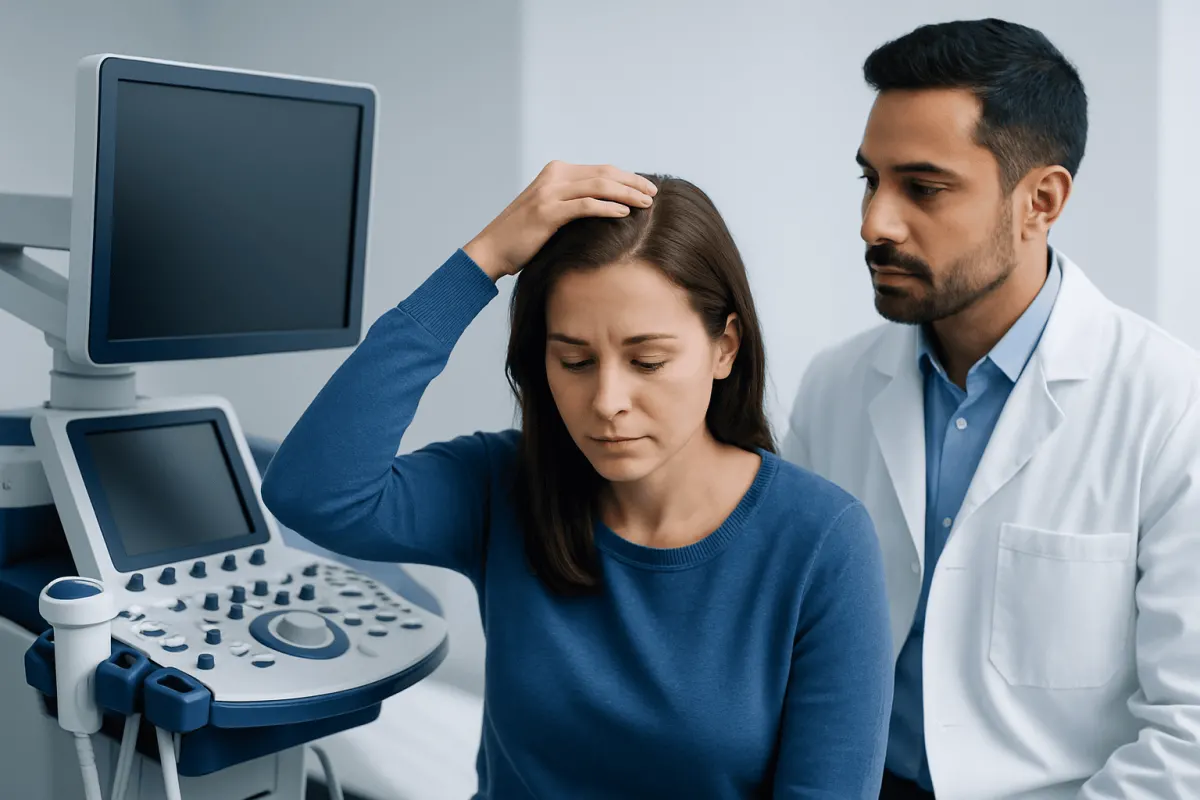
Vitamin and mineral deficiencies can contribute to diffuse hair shedding, especially low iron, vitamin D, zinc, vitamin B12 and inadequate protein intake. However, hair loss has many possible causes, so supplements are most useful when a confirmed deficiency is treated under medical guidance.
Overview: what lack of vitamins causes hair loss?
What lack of vitamins causes hair loss? Deficiencies in iron, vitamin D, zinc, vitamin B12, folate and, less commonly, biotin can contribute to increased shedding or thinning. In practice, inadequate protein intake and low iron stores are also important nutritional considerations, because hair follicles need a steady supply of energy and nutrients to produce hair.
Hair loss is not always caused by a vitamin deficiency. Genetics, thyroid disorders, recent illness, childbirth, emotional or physical stress, certain medicines, scalp conditions and autoimmune diseases can all affect the hair-growth cycle. For this reason, a supplement should not replace an assessment when shedding is persistent, sudden or associated with other symptoms.
Nutrient-related shedding often appears as diffuse thinning: more hair than usual on a brush, pillow or shower drain, without a clearly defined bald patch. The underlying deficiency may be treatable, and identifying it early can help protect overall health as well as hair growth.
How nutrient deficiencies affect the hair-growth cycle
Each hair follicle cycles through active growth, transition and resting phases. When the body is under nutritional strain, more follicles may shift prematurely into the resting phase. This can lead to increased shedding several weeks or months after a dietary change, illness, restrictive eating pattern or other trigger.
Iron helps carry oxygen throughout the body and supports rapidly dividing cells, including those in hair follicles. Vitamin D has roles in skin and follicle biology. Zinc supports tissue repair and protein synthesis, while vitamin B12 and folate are needed for healthy blood-cell production and normal cell function. Protein provides the building blocks for the hair shaft itself.
Deficiencies may develop because of low dietary intake, heavy menstrual bleeding, pregnancy, gastrointestinal conditions that reduce absorption, restrictive diets, weight-loss surgery or some medicines. A clinician considers these factors alongside the type and timing of hair loss before deciding which tests may be appropriate.
What are the big 3 for thinning hair?

When people refer to the “big 3” nutrients for thinning hair, they commonly mean iron, vitamin D and zinc. These nutrients are frequently considered during an evaluation of diffuse shedding, but the phrase is informal and does not mean that everyone with hair thinning needs all three supplements.
Iron deficiency is particularly important to investigate in people with heavy periods, low iron intake, recent pregnancy, blood loss or symptoms such as tiredness, breathlessness or paleness. A healthcare professional may check a complete blood count and iron stores rather than relying only on symptoms.
Vitamin D deficiency is common in many populations and can coexist with hair loss, although a low result does not always prove it is the direct cause. Zinc deficiency is less common but may be considered when there is limited dietary variety, poor absorption, chronic diarrhea, skin changes or altered taste. Blood tests and clinical context guide treatment.
- Iron: especially relevant when iron stores are low or blood loss is present.
- Vitamin D: may be assessed in people with risk factors or documented low levels.
- Zinc: may be relevant with malnutrition, malabsorption or a highly restricted diet.
What is the best vitamin for losing hair?
There is no single best vitamin for hair loss because the right treatment depends on the cause. The most useful nutrient is the one a person is actually deficient in. Taking a vitamin level that is already adequate is unlikely to restore hair growth and may occasionally cause harm.
For someone with low iron stores, correcting iron deficiency may be more relevant than taking biotin. For a person with a confirmed vitamin B12 or vitamin D deficiency, replacing that nutrient may support recovery. If diet is insufficient in protein, improving overall food intake may matter more than any individual vitamin.
Biotin is often promoted for hair, skin and nails, but true biotin deficiency is uncommon. It is more likely in people with certain inherited conditions, prolonged intravenous nutrition without adequate supplementation, significant malabsorption or particular medication exposures. High-dose biotin can interfere with some laboratory test results, including certain thyroid and heart-related tests, so it should be discussed with a clinician.
Which vitamin is bad for hair loss?
Excess vitamin A is the vitamin most clearly linked with hair shedding. This may occur from high-dose supplements, some acne treatments related to vitamin A, or multiple products containing overlapping ingredients. Hair loss can also be associated with excessive selenium, which is a mineral rather than a vitamin.
A balanced diet usually does not cause vitamin A excess. The concern is more often unnecessary high-dose supplementation. “Hair vitamins” may contain several ingredients, so reading labels carefully is important, especially when combining a multivitamin with separate supplements.
It is safest not to self-treat unexplained hair loss with high doses of vitamins or minerals. A doctor, dermatologist or registered dietitian can help determine whether a supplement is needed and whether another condition, such as thyroid disease, could be contributing to hair changes.
Can hair grow back from vitamin deficiency?
Yes, hair can often grow back when a nutritional deficiency is identified and corrected, provided the follicles are healthy and another cause is not continuing. Reduced shedding may be noticed before visible regrowth, and improvement is gradual because scalp hair grows slowly.
Many people need several months to see a meaningful change after treatment begins. The time course depends on the severity and duration of the deficiency, the person’s overall health, the presence of ongoing blood loss or absorption problems, and whether there is also hereditary pattern hair loss or a scalp disorder.
It is important to complete recommended follow-up testing where advised. If shedding persists despite correction of a deficiency, a clinician may reassess for other causes, including hormonal changes, medication effects, inflammatory scalp conditions or alopecia areata, which often causes more clearly defined patches of hair loss.
Diagnosis and treatment options
A clinical assessment usually starts with questions about when the hair loss began, whether it is shedding or gradual thinning, diet, weight changes, illness, stress, menstrual history, family history, medicines and hair-care practices. The scalp and hair distribution are examined to distinguish diffuse shedding from patchy loss or patterned thinning.
Depending on the history and examination, a clinician may request blood tests such as a complete blood count, ferritin or other iron studies, thyroid function tests, vitamin B12, folate and vitamin D. Zinc or other testing may be considered in specific circumstances. Testing is individualized; broad screening is not necessary for every person.
Treatment focuses on the confirmed cause. This may include dietary changes, professionally recommended supplements, treatment of heavy menstrual bleeding or gastrointestinal disease, reviewing medicines, or addressing thyroid and other medical conditions. Dermatology assessment can be helpful when the diagnosis is uncertain or hair loss is substantial. At Acıbadem Health Point, multidisciplinary specialists in JCI-accredited hospitals can assess hair loss and its possible nutritional, hormonal and dermatologic causes for international patients.
Supporting hair health and when to seek medical care
A varied eating pattern supports hair and general health. Regular meals with protein sources such as eggs, fish, poultry, dairy, legumes, tofu, nuts or seeds can be helpful. Iron-rich foods include meat, seafood, beans, lentils, fortified cereals and leafy greens; pairing plant sources with vitamin C-containing foods can support iron absorption.
Avoid crash diets and major calorie restriction, which can trigger shedding. Gentle hair care may also reduce breakage: limit tight hairstyles, repeated bleaching, very high heat and harsh chemical processing. These steps do not cure a medical cause of hair loss, but they can protect fragile hair while the underlying issue is addressed.
Medical advice is recommended for sudden or rapidly worsening hair loss, bald patches, scalp pain, redness, scaling or scarring, hair loss with fatigue or unexplained weight change, or shedding that continues for several months. Prompt assessment is also sensible during pregnancy or after childbirth, in children, and for anyone with possible anemia, digestive symptoms or a restrictive diet.
Frequently asked questions
01Can low iron cause hair loss even without anemia?
Low iron stores may be considered in people with diffuse shedding, even when a complete blood count does not show clear anemia. The relationship is not identical for every person, so a clinician should interpret ferritin and other iron tests in the context of symptoms, diet and medical history.
02Does vitamin D deficiency cause hair loss?
Vitamin D deficiency may be associated with some forms of hair loss and may be checked when there are risk factors or other reasons to suspect low levels. However, it is not the cause of every case of thinning, and vitamin D supplements are most appropriate when a deficiency has been confirmed or clinically indicated.
03Should a person take biotin for hair loss?
Biotin may help when a true biotin deficiency is present, but this deficiency is uncommon. Taking high-dose biotin without advice is not a reliable treatment for unexplained hair loss and can interfere with some blood test results.
04How long does it take for hair to grow back after correcting a vitamin deficiency?
Shedding may begin to settle over several months, while visible regrowth often takes longer because hair grows slowly. Recovery varies with the underlying cause, the severity of the deficiency and whether another form of hair loss is also present.
05Can a multivitamin prevent hair loss?
A standard multivitamin can help fill nutritional gaps for some people, but it cannot prevent all types of hair loss. A balanced diet and treatment of a confirmed medical cause are more important than taking extra supplements.
06What blood tests are commonly used for hair loss?
Tests are selected based on the person’s symptoms and pattern of hair loss. Common options may include a complete blood count, iron studies, thyroid function tests, vitamin B12, folate and vitamin D; additional tests may be considered when clinically appropriate.
This article is for general information only and is not a substitute for professional medical advice. Please consult a qualified doctor about your individual situation.
Hair transplant in Turkey — costs, graft counts & a free assessment
JCI-accredited · board-certified surgeons · reply within 24h
Add us as a Preferred Source to see more of our trusted health content across Google Search, AI Overviews and Discover.