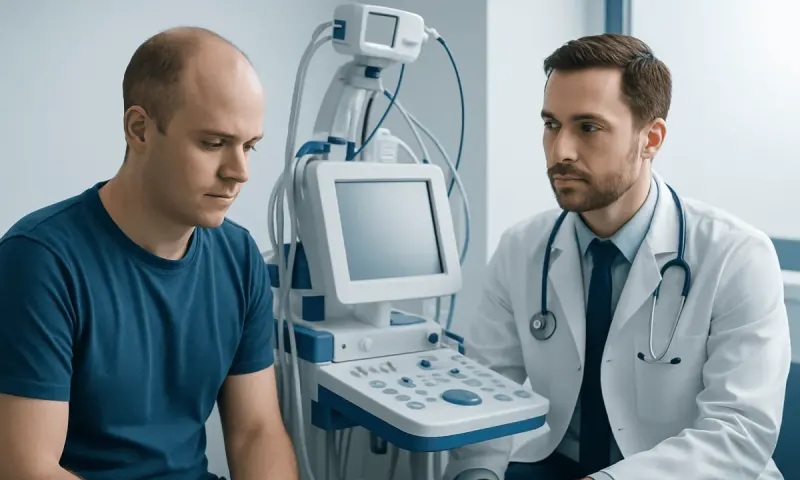
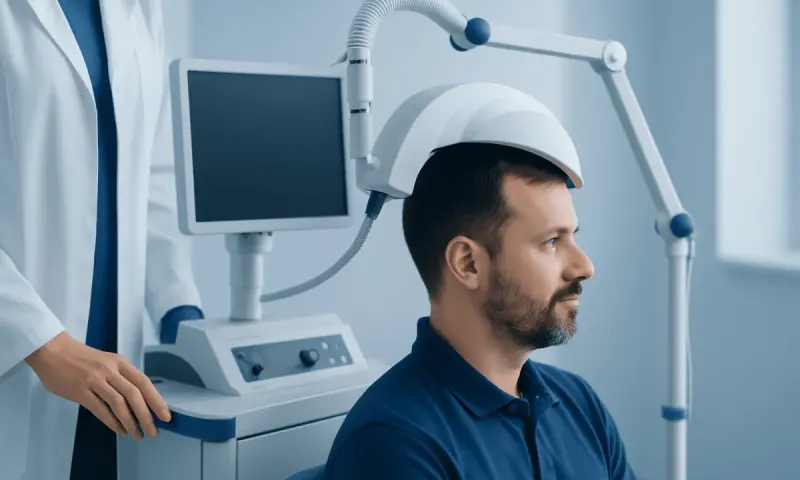
Does Alcohol Cause Hair Loss or Worsen Shedding?
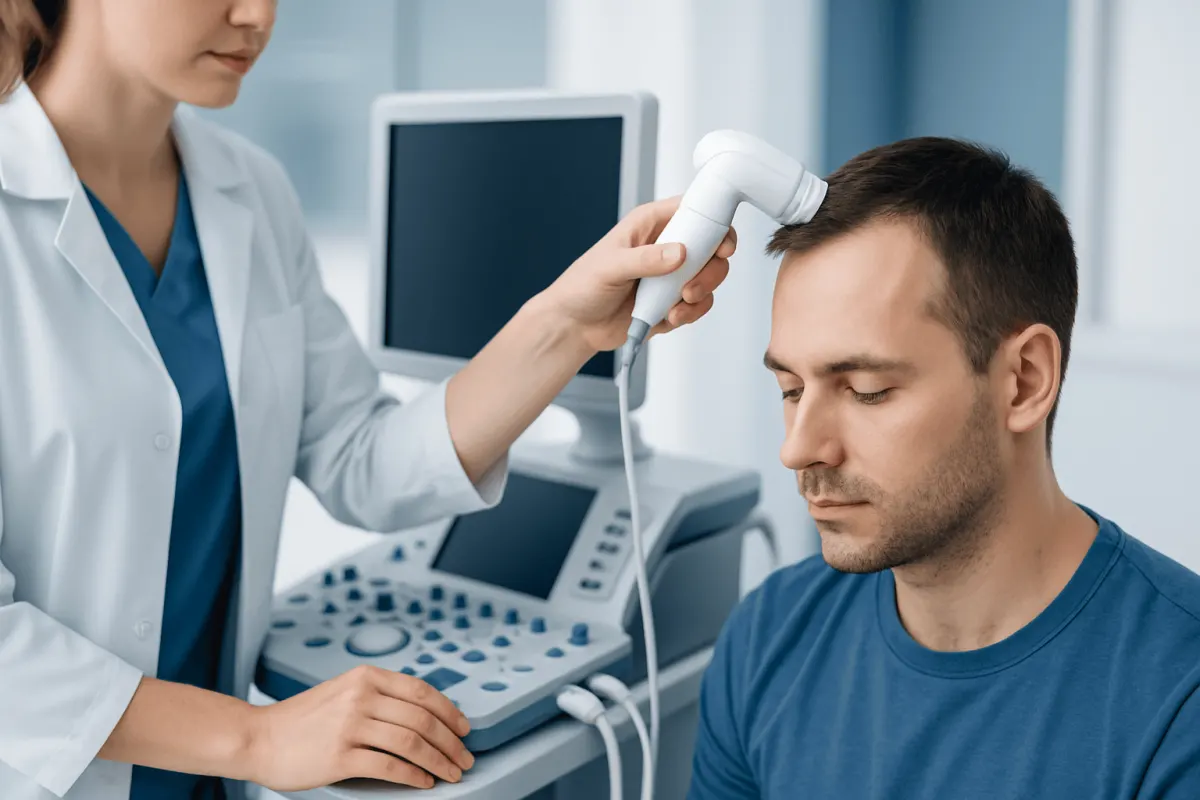
Alcohol is not usually a direct cause of hair loss after occasional drinking. However, frequent heavy alcohol use can contribute to shedding indirectly by affecting nutrition, sleep, stress, hormone balance, and overall health; persistent or sudden hair loss deserves medical assessment.
Does alcohol cause hair loss?
Alcohol does not usually cause hair loss directly, especially after occasional or moderate drinking. For many people, a short period of drinking is not the reason for a few extra hairs in the shower, and temporary shedding often settles as the body recovers from a stressor.
Frequent heavy drinking, however, may contribute to hair shedding indirectly. It can make it harder to maintain a balanced diet, disrupt sleep, worsen stress, affect absorption or use of certain nutrients, and contribute to medical conditions that can influence the hair-growth cycle. Alcohol may therefore be one factor worth discussing, but it is important not to assume it is the only cause.
Hair loss is common and has many possible explanations. Inherited pattern hair loss, recent illness or surgery, rapid weight change, iron deficiency, thyroid disorders, new medicines, hormonal changes, and inflammatory scalp conditions are all common considerations. A clinician can help identify the most likely reason based on the hair-loss pattern and a person’s overall health.
How alcohol may affect the hair-growth cycle
Each hair follicle naturally moves through growing, resting, and shedding phases. A physical or emotional strain on the body can shift more hairs than usual into the resting phase. This can lead to diffuse shedding, called telogen effluvium, which often becomes noticeable around two to three months after the triggering event rather than immediately.
Heavy alcohol use may be associated with triggers for this type of shedding, including poor sleep, reduced food intake, dehydration, infection, hospitalization, or significant psychological stress. This does not mean every person who drinks heavily will develop hair loss, and it does not prove that alcohol alone is responsible.
Long-term excessive alcohol intake can also be associated with nutritional problems. Hair follicles need adequate protein, calories, iron, zinc, and several vitamins to function normally. Deficiencies may affect hair quality or increase shedding, particularly when drinking replaces regular meals or occurs alongside digestive, liver, or absorption problems.
In some cases, alcohol-related liver disease or broader hormonal and metabolic changes may also affect the body in ways that contribute to hair or skin changes. These situations need medical evaluation rather than self-treatment with supplements alone.
What hair loss linked to alcohol may look like

When alcohol is contributing indirectly to shedding, the pattern is more often diffuse thinning: hair seems less dense across the scalp, and more strands may be noticed while washing, brushing, or on a pillow. The scalp usually looks normal. This differs from a sharply defined bald patch or a scaly, painful scalp, which suggests another cause and should be assessed.
Temporary stress-related shedding can be unsettling, but the hair follicles are generally still present. Once the underlying trigger is addressed, shedding may gradually reduce. Visible regrowth takes time because hair grows slowly, so improvement may be measured over several months rather than days or weeks.
Alcohol does not typically explain a gradual receding hairline or widening part by itself. These patterns more commonly reflect androgenetic alopecia, also known as hereditary or pattern hair loss. Alcohol use may coexist with this common condition without being its cause.
Hair breakage should also be distinguished from shedding from the root. Dry, fragile hair may break because of bleaching, heat styling, tight hairstyles, or harsh grooming practices. Reducing alcohol may support general health, but it will not necessarily correct breakage caused by hair-care damage.
Other common causes a doctor will consider
A clinician will consider the timing, pattern, and severity of the hair loss. Recent fever, COVID-19 or another infection, childbirth, major surgery, emotional strain, restrictive dieting, rapid weight loss, and stopping or starting certain medicines can all precede diffuse shedding. A detailed timeline is often one of the most useful diagnostic tools.
Blood tests may be considered when symptoms or history suggest an underlying concern. Depending on the individual, these may assess iron status, blood count, thyroid function, nutritional status, liver health, or other factors. Not everyone needs extensive testing; the examination and medical history guide the most appropriate approach.
Patchy hair loss may be caused by alopecia areata, fungal infection, traction from tight hairstyles, or other scalp disorders. Itching, scaling, redness, pustules, tenderness, or scarring are important clues that a dermatologist may need to examine the scalp closely.
People who are concerned about a receding hairline, crown thinning, or a widening part may benefit from an assessment for hereditary hair loss. Effective options can be different for diffuse shedding and pattern hair loss, so obtaining the correct diagnosis is more helpful than assuming alcohol is responsible.
What to do if alcohol and hair loss are both concerns
A practical first step is to look at overall drinking habits without judgment. Reducing or avoiding alcohol may support sleep, regular eating, hydration, liver health, and recovery from stress. For people who drink heavily or daily, stopping suddenly can be unsafe because alcohol withdrawal may require medical supervision. A doctor or addiction specialist can help create a safe plan.
Regular meals with enough protein and a varied intake of fruit, vegetables, whole grains, and nutrient-rich foods can support general health and hair growth. Supplements should not be used as a substitute for eating well or for medical assessment. High doses of some supplements may be harmful or can interfere with tests and medicines.
Gentle hair care can reduce avoidable breakage while the cause is being investigated. This includes limiting tight styles, harsh chemical treatments, frequent high heat, and aggressive brushing. Taking clear photographs of the scalp and hair parting under similar lighting every month can help track changes more reliably than checking daily.
If a specific cause is identified, treatment should focus on that cause. For example, correcting a documented deficiency, treating a scalp condition, adjusting a medicine under medical guidance, or discussing evidence-based treatments for pattern hair loss may be appropriate. Hair restoration can take time, even after the contributing factor improves.
When to seek medical care
Medical review is advisable when hair loss is persistent, worsening, or causing significant distress. A doctor should assess sudden patchy bald areas, rapid diffuse shedding, loss of eyebrows or body hair, or hair loss accompanied by scalp pain, itch, redness, scaling, sores, or pus. These features can indicate conditions that benefit from earlier treatment.
It is also important to seek care for symptoms that may suggest a broader health issue, such as ongoing fatigue, unexplained weight change, irregular periods, cold intolerance, digestive symptoms, easy bruising, yellowing of the skin or eyes, swelling of the abdomen or legs, or confusion. These symptoms do not necessarily mean alcohol is the cause, but they should not be ignored.
Anyone who finds it difficult to cut down drinking, experiences tremor, sweating, anxiety, nausea, hallucinations, or seizures when alcohol wears off should seek urgent medical advice. Alcohol withdrawal can be serious, particularly after prolonged heavy use, and professional support is the safest option.
At Acıbadem Health Point, multidisciplinary specialists and JCI-accredited hospitals can evaluate hair loss and related medical concerns for international patients. Assessment is individualized and may involve dermatology, internal medicine, nutrition, or other relevant specialties.
A balanced outlook for hair recovery
For many people, increased shedding related to a temporary health or lifestyle stressor improves once the trigger is addressed. Reducing heavy alcohol use, restoring regular nutrition, managing a medical condition, and allowing time for the hair cycle to normalize can support recovery. This process is usually gradual.
Hair loss may have more than one cause. For example, a person may have inherited pattern hair loss and then notice more shedding after illness, poor nutrition, or a stressful period. In that situation, improving overall health may reduce extra shedding but may not completely reverse the underlying pattern.
The most reassuring approach is to avoid blame and focus on useful next steps: notice the pattern, consider recent changes in health and lifestyle, seek assessment for concerning features, and follow a care plan based on the diagnosis. A qualified doctor can provide clear guidance tailored to the individual.
Frequently asked questions
01Can one night of drinking make hair fall out?
One night of drinking is very unlikely to directly cause noticeable hair loss. If extra shedding is noticed afterward, it may be coincidental or related to a different trigger that occurred weeks earlier, since stress-related shedding is often delayed.
02Does alcohol cause male pattern baldness?
There is no clear evidence that alcohol directly causes <a href="https://www.acibademhealthpoint.com/blog/male-pattern-baldness-early-signs-and-medical-treatments/" title="Male Pattern Baldness: Early Signs and Medical Treatments" class="ahp-ilk">male pattern baldness. This type of hair loss is mainly related to genetics and hormone sensitivity, although heavy alcohol use may affect general health and coexist with other contributors to shedding.
03Can alcohol cause hair loss in women?
Alcohol is not usually a direct cause of hair loss in women. Heavy or prolonged use may contribute indirectly through nutrition, stress, sleep disruption, illness, or liver-related health effects, while hormonal changes, iron deficiency, thyroid disease, and hereditary thinning are also important possibilities.
04Will hair grow back after quitting alcohol?
If alcohol-related poor nutrition, illness, or stress has contributed to temporary shedding, hair may gradually recover after the underlying issue improves. Regrowth is slow and may take several months to become visible; recovery is less predictable if another condition, such as pattern hair loss, is also present.
05What vitamin deficiency from alcohol can affect hair?
Long-term heavy drinking can be associated with inadequate intake or absorption of nutrients needed for overall health, including protein, iron, zinc, folate, and certain B vitamins. A doctor can determine whether testing is appropriate, because taking supplements without a confirmed need may not address the true cause of hair loss.
06Should a person stop drinking suddenly if they have hair loss?
Reducing alcohol can be beneficial for overall health, but people who drink heavily or daily should not stop suddenly without medical advice. Withdrawal can be dangerous in some circumstances, so a clinician can recommend the safest way to reduce or stop drinking.
This article is for general information only and is not a substitute for professional medical advice. Please consult a qualified doctor about your individual situation.
Hair transplant in Turkey — costs, graft counts & a free assessment
JCI-accredited · board-certified surgeons · reply within 24h
Add us as a Preferred Source to see more of our trusted health content across Google Search, AI Overviews and Discover.