What Is the Best Thing for Hair Growth?

The best thing for hair growth is not a single product: it is identifying why hair is thinning or shedding and choosing an evidence-based treatment for that cause. For many people with pattern hair loss, topical minoxidil is a well-studied first option, while sudden shedding, scalp disease, nutritional deficiency, and some medical conditions need different care.
Overview: what is the best thing for hair growth?
The best thing for hair growth is a safe, evidence-based plan that matches the underlying cause of thinning or shedding. Hair naturally grows slowly, and no shampoo, oil, vitamin, or device can reliably make it grow dramatically faster than its biological rate. When new growth is possible, the aim is usually to reduce ongoing loss, support healthy follicles, and allow time for the hair cycle to respond.
For common hereditary pattern hair loss, topical minoxidil is often the most practical first-line product because it has clinical evidence and is available without a prescription in many countries. However, it is not the best choice for every type of hair loss. A clinician can distinguish pattern loss from temporary shedding after illness or stress, autoimmune patchy loss, scalp inflammation, breakage, or a medical condition that needs specific treatment.
Meaningful improvement is gradual. Most treatments need several months before changes can be assessed, and benefits may lessen if treatment is stopped. A realistic approach focuses on scalp health, gentle hair care, adequate nutrition, and medical assessment when hair loss is persistent or unusual.
How to choose the right hair growth product?
The right product depends first on the pattern of hair change. A widening part or gradual thinning at the crown may suggest hereditary pattern hair loss. Diffuse shedding from all over the scalp can occur after fever, surgery, childbirth, major stress, rapid weight loss, or some medicines. Round bald patches, scaling, itching, pain, or broken hairs point to other possible causes that should not be managed with a general hair-growth product alone.
Before buying a product, it is helpful to check whether its active ingredient has evidence for the person’s type of hair loss, whether it is suitable for their age and health history, and whether it can be used consistently. Products with vague claims such as “follicle revival” or “instant regrowth” may not have reliable supporting evidence. A dermatologist or pharmacist can help review product labels and potential interactions.
Topical minoxidil can be appropriate for many adults with pattern hair loss, but it may cause scalp irritation, unwanted facial hair growth, or temporary increased shedding early in use. People who are pregnant, breastfeeding, have heart disease, take blood pressure medicines, or have an inflamed scalp should seek individual medical advice before using it. Prescription medicines and procedures require clinician assessment and follow-up.
- Choose treatments with a clearly stated active ingredient and instructions for use.
- Avoid combining multiple new products at once, which can irritate the scalp and make side effects harder to identify.
- Use supplements only when diet or testing suggests a need, rather than as a substitute for diagnosis.
- Take baseline photographs in consistent lighting to judge progress over time.
What are the big 3 for hair regrowth?

In online discussions, the “big 3” for hair regrowth usually means minoxidil, finasteride, and ketoconazole shampoo. This phrase is mainly associated with androgenetic alopecia, also called hereditary or pattern hair loss. It is not a universal treatment plan, and its components have different purposes, levels of evidence, and safety considerations.
Minoxidil is applied to the scalp and can help maintain and stimulate visible hair growth in some people with pattern loss. Finasteride is a prescription medicine that lowers levels of a hormone involved in follicle miniaturization in many men with androgenetic alopecia. It can be effective, but it may cause sexual, mood-related, or other side effects and is generally not used by people who are pregnant or may become pregnant because of fetal risk. A prescribing clinician should discuss its suitability carefully.
Ketoconazole shampoo is primarily an antifungal treatment for dandruff and seborrheic dermatitis. By reducing scalp inflammation and flaking, it may be a useful addition for people with those scalp conditions, but it should not be viewed as a stand-alone regrowth treatment. The best plan may include only one of these options, a different treatment entirely, or no medication if the hair loss is temporary and expected to resolve.
What is the #1 hair regrowth product?
There is no single #1 hair regrowth product for everyone. For adults with hereditary pattern hair loss, topical minoxidil is among the most recommended and best-studied over-the-counter options. It is available in several forms, and consistent use is more important than choosing a brand. A clinician can advise on the most appropriate formulation and whether it fits the person’s scalp condition and medical history.
Minoxidil does not cure hereditary hair loss, and results vary. Some people notice less shedding before they see fuller-looking hair. Early shedding can happen as follicles shift into a new growth cycle, but persistent worsening, marked irritation, palpitations, dizziness, or swelling should be discussed with a healthcare professional. The product should be applied only as directed and kept away from children and pets.
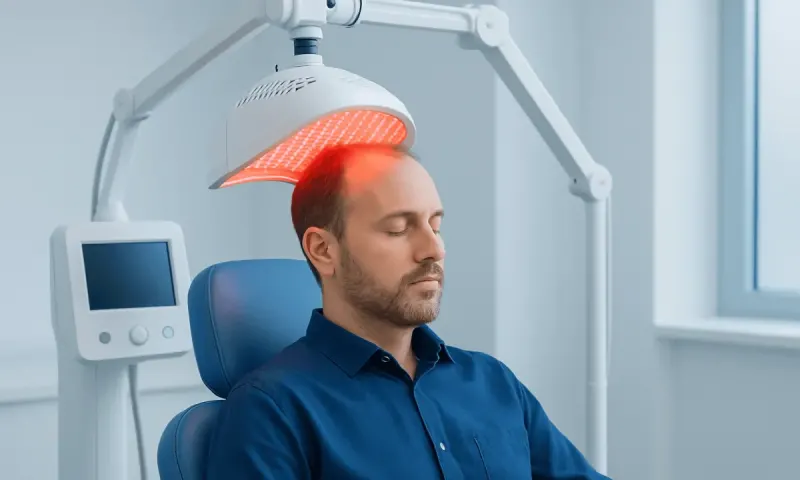
For people with significant pattern loss, a dermatologist may discuss prescription options, low-level light therapy, platelet-rich plasma in selected settings, or surgical restoration after the hair loss pattern has been evaluated. These approaches differ in evidence, cost, suitability, and expected results. The best thing to grow hair back is therefore a diagnosis-led plan rather than the product with the strongest advertising claim.
What is the most recommended hair growth method?
The most recommended hair growth method is to treat the cause while protecting existing hair. For confirmed pattern hair loss, this often means regular use of an evidence-based medication such as topical minoxidil, with prescription treatment considered when appropriate. For temporary shedding, treating the trigger and allowing time for recovery may be more effective than adding multiple hair products.
Supportive care can reduce breakage and help hair look healthier while treatment takes effect. This includes eating enough protein and a varied diet containing iron-rich foods, zinc, vitamin D, and other nutrients; avoiding restrictive diets unless medically supervised; limiting high heat and chemical processing; and choosing hairstyles that do not pull tightly on the roots. These measures support hair quality but do not replace treatment for a medical hair-loss condition.
There is limited evidence that oils, scalp massage, caffeine shampoos, biotin products, and many “hair vitamins” regrow hair in people without a deficiency. Biotin can also interfere with certain laboratory tests. Anyone considering supplements should discuss them with a clinician, especially if they take medicines, are pregnant, or have a long-term health condition. The best thing for faster hair growth is usually patience with a suitable treatment plan, because visible regrowth follows the normal hair cycle.
When to seek medical care
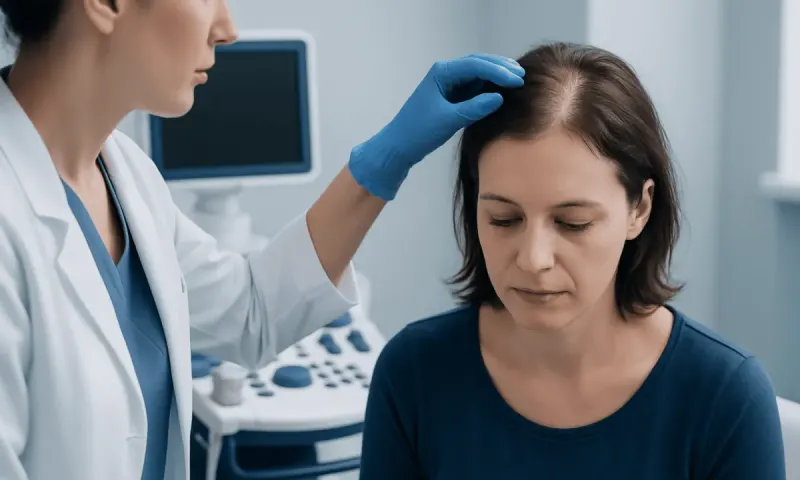
A person should arrange medical assessment if hair loss is sudden, patchy, rapidly progressing, or accompanied by scalp pain, redness, scaling, pus, or scarring. Medical review is also important when hair loss begins after a new medicine, follows a major illness, occurs with fatigue or weight change, or is associated with irregular periods, acne, increased facial hair, or other hormonal symptoms.
A clinician may ask about recent illness, family history, diet, stress, hair-care practices, medicines, and symptoms elsewhere in the body. Examination of the scalp and hairs often provides important clues. Depending on the situation, blood tests may be considered to look for problems such as iron deficiency, thyroid disease, or other contributing conditions; testing is not necessary for every person.
Prompt assessment matters because some inflammatory or scarring scalp disorders can permanently damage follicles if untreated. Acıbadem Health Point’s multidisciplinary specialists and JCI-accredited hospitals can evaluate hair and scalp concerns and discuss appropriate Acne Treatment Options: Topical, Oral, and Procedure-Based Care" class="ahp-ilk">treatment options for international patients.
Safe expectations and a practical next step
Hair treatment works best when expectations are realistic. Hair typically changes gradually, so a product should usually be evaluated over several months rather than weeks unless side effects occur. Taking photographs from the same angle and in the same lighting every one to three months can be more useful than judging hair day by day.
Someone seeking the best thing to use to grow their hair should start with a simple routine rather than layering oils, supplements, shampoos, and devices. A gentle shampoo and conditioner, reduced traction and heat exposure, adequate nutrition, and one appropriate evidence-based treatment are often easier to continue safely. If there is no improvement, the diagnosis should be reconsidered rather than repeatedly changing products.
Hair loss can affect confidence and emotional wellbeing. Speaking with a dermatologist or primary care clinician can provide clarity, especially when uncertainty is causing distress. With the right evaluation, many causes of shedding can be managed, and some forms of thinning can be slowed or improved.
Frequently asked questions
01What is the best thing to grow your hair fast?
No treatment can make scalp hair grow dramatically faster than its natural growth cycle. The safest approach is to identify the cause of shedding or thinning, use a proven treatment when indicated, eat adequately, and prevent breakage from heat, chemicals, or tight hairstyles. If hair loss is new or significant, a medical assessment is more useful than trying multiple products.
02Can shampoo regrow hair?
Most shampoos cleanse the scalp and improve the appearance or feel of hair, but they do not regrow hair on their own. Medicated shampoos can help treat dandruff or scalp inflammation, which may support scalp comfort and reduce breakage. They are not usually a replacement for treatments such as minoxidil when pattern hair loss is present.
03Do hair growth vitamins work?
Vitamins and minerals can help when hair loss is linked to a true nutritional deficiency, such as low iron or inadequate protein intake. In people with adequate nutrition, supplements have limited evidence for regrowing hair. High doses of some nutrients may cause harm or interfere with laboratory tests, so they should not be taken routinely without professional advice.
04How long does minoxidil take to work?
Visible changes commonly take several months of regular use, and the response differs from person to person. Some early shedding can occur as the hair cycle changes. A clinician should be consulted if there is severe scalp irritation, concerning symptoms, or no clear plan for ongoing use.
05Can stress cause hair loss?
Yes. Physical or emotional stress, illness, surgery, childbirth, and rapid weight loss can trigger temporary diffuse shedding, often noticed a few months after the event. This type of shedding frequently improves after the trigger resolves, but persistent loss should be evaluated to rule out other causes.
06When is hair loss an emergency?
Hair loss itself is rarely an emergency, but prompt medical advice is appropriate for sudden patchy loss, painful or inflamed scalp changes, scarring, pus, or rapidly worsening shedding. These signs may indicate an infection, autoimmune condition, or inflammatory disorder needing targeted treatment. Seeking care early can help protect the scalp and remaining follicles.
This article is for general information only and is not a substitute for professional medical advice. Please consult a qualified doctor about your individual situation.
Hair transplant in Turkey — costs, graft counts & a free assessment
JCI-accredited · board-certified surgeons · reply within 24h
Add us as a Preferred Source to see more of our trusted health content across Google Search, AI Overviews and Discover.