Thinning Hair in Women: Finding the Cause
Thinning hair in women may be temporary or progressive, and the outlook depends on its cause. A medical assessment can identify treatable triggers such as shedding after stress or illness, nutritional deficiency, hormonal changes, scalp disease or female-pattern hair loss.
Overview: What thinning hair in women can mean
Thinning hair in women describes a reduction in hair density, a widening part line, increased visibility of the scalp or a smaller ponytail. It is not one diagnosis. Some women notice gradual thinning over years, while others experience more sudden shedding after a physical or emotional stressor.
The most common long-term cause is female-pattern hair loss, also called androgenetic alopecia. This usually causes gradual diffuse thinning over the top and crown of the scalp while the frontal hairline is often preserved. Other causes can be reversible, especially when they are identified early and the underlying trigger is addressed.
Hair concerns can affect confidence and wellbeing, but they are medically manageable in many cases. A dermatologist or qualified doctor can distinguish increased shedding from true hair-follicle miniaturisation, examine the scalp and recommend an individual plan.
Patterns, symptoms and possible causes
Women may first notice more hair in the brush, shower drain or on a pillow. Diffuse shedding may occur after fever, surgery, childbirth, major weight change, restrictive dieting, significant stress or a serious illness. This temporary shedding pattern is often called telogen effluvium and commonly becomes noticeable several months after the trigger.
Gradual thinning concentrated at the central part and crown is more suggestive of female-pattern hair loss. Family history can contribute, but the condition can also develop without an obvious family pattern. Menopause-related hormonal changes may make inherited thinning more noticeable.
Other possible contributors include low iron stores, thyroid disorders, inadequate protein intake, some medicines, traction from tight hairstyles, inflammatory scalp conditions and autoimmune hair loss. Patchy areas of loss, scalp scaling, pain, itching, redness or scarring need prompt clinical evaluation because they can indicate a condition requiring specific treatment.
- Diffuse shedding: increased daily loss across the scalp, often following a trigger.
- Pattern thinning: slowly widening part or reduced density over the crown.
- Patchy hair loss: distinct bald areas that should be medically assessed.
- Hair breakage: shorter broken hairs, sometimes related to heat, chemical processing or traction.
Diagnosis: finding the reason before choosing a procedure

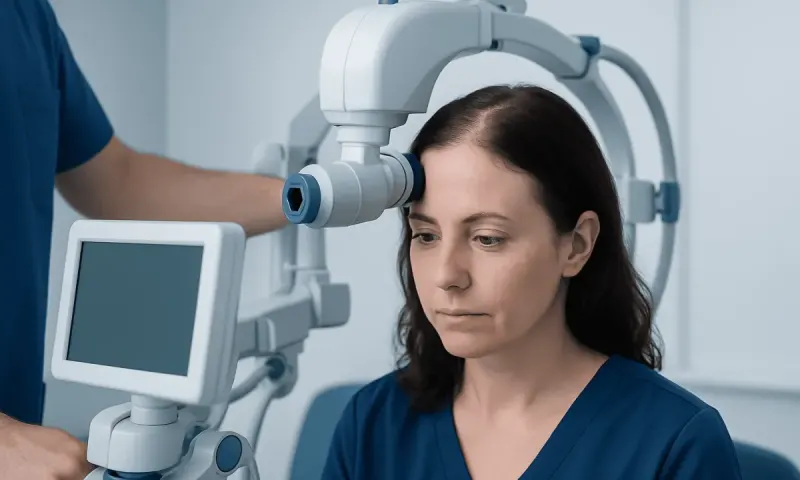
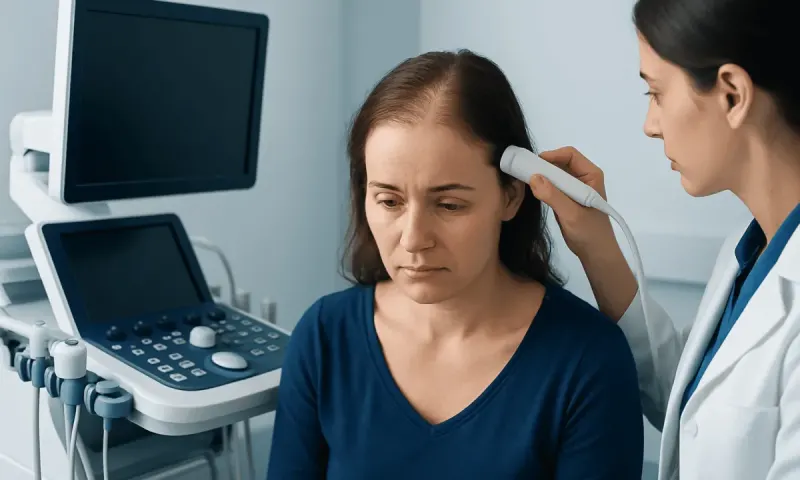
An effective treatment plan begins with a clear diagnosis. The clinician will usually ask when the change began, whether shedding is continuing, recent illnesses or life events, menstrual and pregnancy history, diet, medical conditions, medicines, family history and hair-care practices.
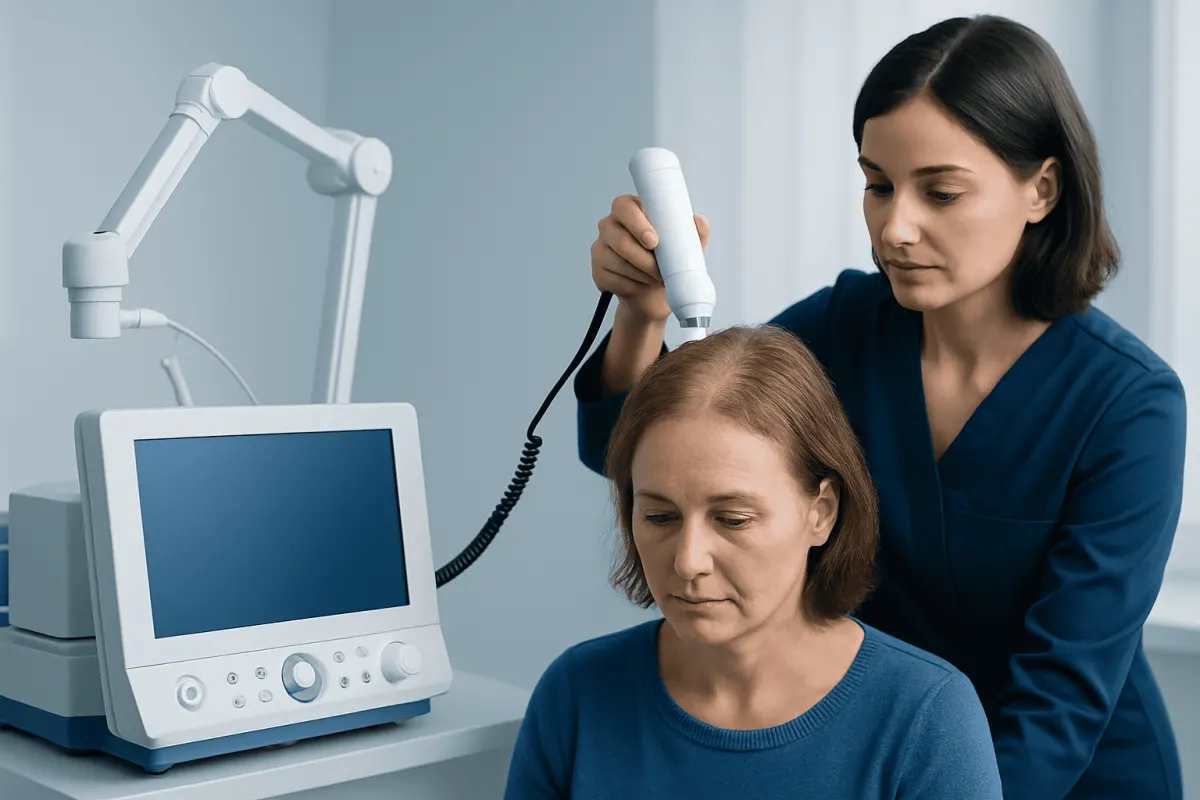
Examination may include looking closely at the hair shafts and scalp, assessing the pattern of density loss and using dermoscopy to inspect follicles. In some cases, blood tests are considered to check for conditions such as iron deficiency or thyroid dysfunction. Testing is chosen based on the person’s symptoms, history and examination rather than performed routinely for every patient.
A scalp biopsy is not needed for most people, but it may help when the diagnosis is uncertain or scarring hair loss is suspected. Establishing whether follicles remain active is especially important before considering surgical restoration, because transplantation does not treat every form of hair loss.
Treatment options and expected results
Treatment depends on the cause, severity, goals and medical history. If hair thinning is linked to a reversible trigger, addressing that trigger is central: for example, treating a thyroid condition, correcting a confirmed nutritional deficiency, managing an inflammatory scalp disorder or reviewing a possible medication effect with the prescribing clinician. Supplements are not a replacement for testing and may be unhelpful or unsafe when taken unnecessarily.
For female-pattern hair loss, topical minoxidil is a commonly used evidence-based option. A doctor may discuss other prescription treatments for selected patients, taking account of pregnancy potential, menopause status, other health conditions and possible adverse effects. These treatments generally require ongoing use to maintain benefit.
Some women with stable pattern hair loss and sufficient donor density may consider a hair transplant. During this procedure, follicles are moved from a donor area, usually the back or sides of the scalp, to thinning areas. It can improve coverage, but it does not stop progression of untreated surrounding hair loss. Non-surgical camouflage options, including hairstyle changes, hair fibres, wigs and scalp micropigmentation, may also help some individuals feel more comfortable while medical treatment takes effect.
Results develop gradually because transplanted and treated follicles must move through normal hair-growth cycles. Photography under similar lighting and part placement can be useful for tracking changes more reliably than day-to-day observation.
How long does it take to recover from hair thinning?
Recovery from hair thinning depends on the diagnosis. When shedding follows a temporary trigger, active shedding may settle over several months after the trigger has resolved, while visible regrowth can take longer. Hair grows slowly, so restored fullness is often a gradual process rather than an immediate change.
Female-pattern hair loss is usually a long-term condition. Treatments may reduce shedding and support thicker-looking growth, but an early response is commonly assessed after several months of consistent use. Continued treatment is often needed to preserve the result.
After hair transplant surgery, the scalp commonly has short-term redness, tenderness, swelling or small crusts. Most people return to light routine activities relatively soon, following their surgeon’s advice, while transplanted hairs commonly shed before new growth begins. Early new growth may appear after a few months, with results maturing over roughly 9 to 12 months or longer.
Is hair loss surgery worth it?
Hair loss surgery can be worthwhile for a woman whose hair loss is permanent, stable enough for planning and suitable for transplantation. It is most often considered for female-pattern hair loss, selected traction-related loss or certain stable scars, provided there is adequate healthy donor hair and the scalp condition is well controlled.
It may not be appropriate for active diffuse shedding, unstable autoimmune hair loss, untreated scalp inflammation or widespread donor-area thinning. A transplant redistributes existing follicles; it cannot create new follicles or correct an untreated medical cause of shedding.
A consultation should cover the expected degree of coverage, donor-hair limitations, risk of ongoing loss around transplanted hairs, possible need for medical treatment and realistic timescales. Acıbadem Health Point’s multidisciplinary specialists at JCI-accredited hospitals can assess suitable international patients and discuss medical and procedural options for hair loss.
What are the big 3 for thinning hair?
The phrase “big 3” is used online in different ways and is not a formal medical guideline for women. It often refers to a group of hair-loss treatments popularised in discussions of male-pattern hair loss, typically minoxidil, finasteride and ketoconazole shampoo. This shorthand should not be treated as a universal plan for female hair thinning.
Topical minoxidil may be appropriate for many women with female-pattern hair loss, but finasteride is prescription-only and is not suitable for everyone, particularly people who are pregnant, may become pregnant or are not using reliable contraception. Ketoconazole shampoo can be useful when a clinician identifies dandruff or a related scalp condition, but it is not a stand-alone cure for most forms of thinning.
For women, the most useful “three-part” approach is usually diagnosis, treatment matched to the cause and gentle long-term hair and scalp care. A clinician can advise whether medicines, scalp treatment, nutritional assessment or a procedure is appropriate for the individual.
Can my hair grow back after thinning female?
Yes, hair can grow back after thinning in many women, especially when the cause is temporary and treatable. Regrowth is more likely after shedding related to childbirth, illness, stress, a nutritional deficiency or a medication-related change once the trigger is resolved. The timing and completeness of regrowth vary from person to person.
With female-pattern hair loss, follicles gradually become smaller rather than disappearing immediately. Starting treatment early can help preserve existing follicles and may improve density, although complete restoration to previous density cannot be promised. Areas where follicles have been inactive for a long time may respond less strongly to medicines.
Scarring forms of hair loss can permanently damage follicles, which is why early assessment is important if there is scalp pain, burning, scaling, shiny skin or loss of follicle openings. A doctor can explain the likely outlook after identifying the specific type of hair loss.
When to seek medical care
A woman should arrange a medical review if hair loss is sudden, severe, patchy, persistent or distressing. Assessment is also advisable when thinning occurs with fatigue, weight change, irregular periods, new facial hair growth, acne, scalp symptoms or other changes in general health. These features may point to an underlying condition that should be evaluated.
Prompt care is particularly important for painful, inflamed or scarred-looking areas of scalp, rapidly expanding patches or eyebrow and eyelash loss. A clinician can determine whether referral to a dermatologist, endocrinologist or another specialist is needed.
Until an appointment, gentle hair care is sensible. Avoid tight hairstyles, frequent bleaching or harsh chemical treatments, excessive heat and aggressive brushing. A balanced diet with adequate protein and regular follow-up can support overall hair health, but self-treatment should not delay assessment of significant or progressive loss.
Frequently asked questions
01What is the most common cause of thinning hair in women?
Female-pattern hair loss is a common cause of gradual thinning, particularly along the central part and crown. However, temporary shedding after illness, stress, childbirth, weight change or nutritional deficiency is also common, so an individual assessment is important.
02How long does it take to recover from hair thinning?
Temporary shedding may improve over several months once its trigger has resolved, but visible regrowth takes time because hair grows slowly. Long-term pattern hair loss generally needs continued treatment, and changes are commonly assessed after several months rather than weeks.
03Is hair loss surgery worth it for women?
It can be a reasonable option for carefully selected women with stable permanent hair loss and adequate donor hair. It is not suitable for every cause of thinning, and a consultation should address ongoing hair-loss risk, expected coverage and whether medical treatment is also needed.
04What are the big 3 for thinning hair?
Online discussions often use this phrase for minoxidil, finasteride and ketoconazole shampoo, but this is not a standard treatment plan for all women. Prescription medicines and pregnancy-related safety require medical guidance, and treatment should be based on the cause of the thinning.
05Can female hair grow back after thinning?
Hair often regrows when shedding is caused by a temporary or treatable factor, such as a nutritional deficiency, illness or hormonal change. In female-pattern hair loss, treatment may preserve and thicken miniaturised hairs, but results vary and complete regrowth is not guaranteed.
06When should a woman see a doctor about hair thinning?
Medical care is recommended for sudden, patchy, rapid or ongoing loss, or when scalp pain, itching, redness or scaling is present. A doctor should also assess hair loss accompanied by fatigue, menstrual changes, weight changes or other new symptoms.
This article is for general information only and is not a substitute for professional medical advice. Please consult a qualified doctor about your individual situation.
Hair transplant in Turkey — costs, graft counts & a free assessment
JCI-accredited · board-certified surgeons · reply within 24h
Add us as a Preferred Source to see more of our trusted health content across Google Search, AI Overviews and Discover.