Do Hats Cause Hair Loss or Harm Hair Follicles?
Wearing a hat does not usually cause hair loss because it does not stop hair follicles from receiving the blood flow, oxygen, and nutrients they need. However, excessively tight, unclean, or repeatedly rubbing headwear can contribute to scalp irritation or hair breakage in some people.
Overview: Do Hats Cause Hair Loss?
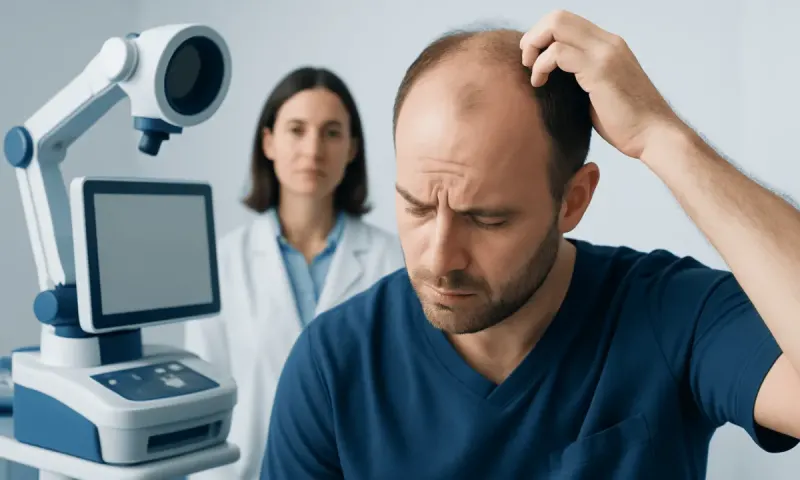
For most people, the answer is no: wearing a hat does not cause permanent hair loss. This is a common concern, especially when someone notices more hair on a hat, in a brush, or in the shower. In many cases, the hat has simply collected hairs that were already in the normal shedding phase.
Hair grows from follicles located within the scalp. These follicles are supplied with oxygen and nutrients through small blood vessels in the skin. A hat resting on the head does not cut off this supply, and follicles do not need direct exposure to air to remain healthy.
Most gradual thinning is related to genetic and hormonal factors, aging, certain medical conditions, nutritional issues, medications, illness, stress, or inflammatory scalp disorders. A hat may make thinning more noticeable by flattening the hair, but it is not usually the reason the hair has become thinner.
How Hair Growth and Normal Shedding Work
Hair growth follows a cycle. During the active growth phase, known as anagen, follicles produce hair shafts over a period of years. This is followed by a transition phase and then a resting phase, called telogen, after which the old hair sheds and a new growth cycle can begin.
It is normal to lose some hairs every day. The amount can vary with washing habits, hair length, styling, seasonal changes, and the timing of the hair-growth cycle. If hair is washed or brushed less often, shed strands may accumulate and appear all at once, which can feel alarming but does not necessarily mean more hair is being lost.
Genetic pattern hair loss can affect people of all genders. It typically causes gradual changes, such as a receding hairline, widening part, thinning at the crown, or reduced overall density. Because this process develops over time, people may incorrectly connect it to a regularly worn item such as a cap, helmet, headscarf, or hat.
When Headwear May Affect the Hair or Scalp

Although ordinary hats do not damage follicles, poorly fitting or unclean headwear can occasionally affect comfort and scalp health. A very tight hat, helmet, headband, or hair covering may create pressure and friction. This can lead to temporary indentation, tenderness, itching, or breakage of fragile hair shafts.
Repeated pulling on the hair is more important than the hat itself. Tight ponytails, braids, extensions, clips, and headwear that constantly tugs on the same areas can contribute to traction alopecia. This form of hair loss often begins around the hairline or temples. Early traction-related changes may improve when the pulling stops, but longstanding traction can permanently damage follicles.
Sweat, oil, styling products, and microorganisms can build up in hats that are not washed regularly. This does not directly cause genetic hair loss, but it can worsen itching, odor, dandruff-like scaling, or follicle irritation in susceptible people. Conditions such as seborrheic dermatitis may also make the scalp feel more sensitive under warm or occlusive headwear.
- Choose a hat that feels comfortable rather than restrictive.
- Wash reusable hats and helmet liners according to their care instructions.
- Avoid wearing damp hats for long periods when possible.
- Reduce rubbing and pulling, especially if the hairline is already fragile.
Common Causes of Hair Loss Often Blamed on Hats
Many factors can trigger increased shedding or thinning. Androgenetic alopecia, also called pattern hair loss, is the most common cause. It is influenced by inherited sensitivity of hair follicles to hormones and may occur gradually over years.
Temporary shedding, called telogen effluvium, can occur several months after a major physical or emotional stressor. Examples include a high fever, surgery, childbirth, rapid weight change, significant illness, restrictive dieting, or some medicines. Shedding may be diffuse across the scalp and often improves once the underlying trigger is addressed, although recovery can take time.
Other possibilities include iron deficiency or other nutritional deficiencies, thyroid disease, autoimmune conditions, fungal infection, and inflammatory disorders of the scalp. Round, smooth patches of hair loss can be a sign of alopecia areata, an autoimmune condition that needs professional assessment. Scalp redness, thick scale, pain, or scarring also deserves medical attention.
Hair breakage can be confused with shedding from the root. Bleaching, chemical processing, high-heat styling, harsh brushing, and tight hairstyles can weaken the hair shaft. Unlike a shed hair, a broken hair is shorter and may not have a small bulb at one end.
Diagnosis: Identifying the Reason for Hair Changes
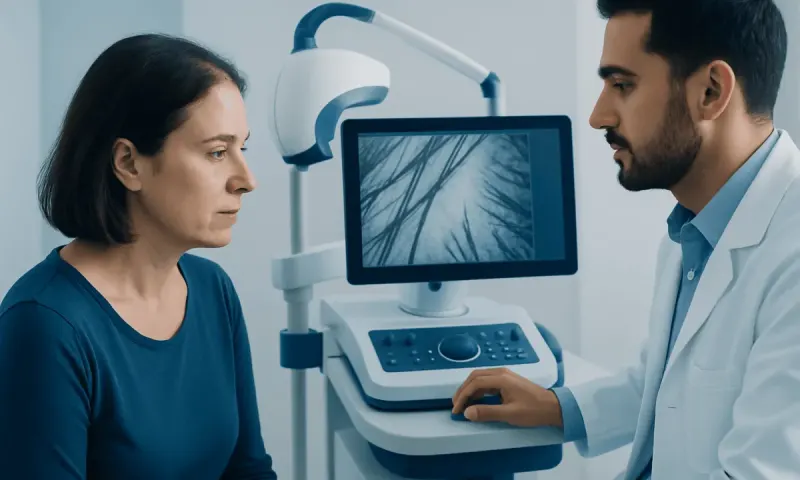
A dermatologist or qualified clinician can often identify the likely cause of hair loss by asking about the pattern and timing of shedding, family history, recent illnesses, medicines, dietary changes, hair-care routines, and scalp symptoms. They will examine the scalp and hair distribution, looking for signs of inflammation, breakage, scaling, scarring, or miniaturized hairs.
In some situations, the clinician may use dermoscopy, a magnified examination of the scalp and follicles. Blood tests may be considered when symptoms or history suggest a thyroid condition, iron deficiency, nutritional concern, hormone-related issue, or other medical cause. A scalp biopsy is only occasionally needed, usually when a scarring or inflammatory hair disorder is suspected.
It is helpful to bring photographs showing when changes began and to describe all hair products, supplements, and treatments being used. People should avoid starting multiple new treatments at once if possible, as this can make it harder to understand what is helping or causing irritation.
Treatment Options for Hair Loss
Treatment depends on the cause. Improving scalp care, stopping traction, treating an inflammatory scalp condition, correcting a nutritional deficiency when confirmed, or managing an underlying medical condition may reduce shedding and support regrowth. Pattern hair loss may be managed with topical or oral medicines when appropriate, prescribed or recommended by a clinician after an individual assessment.
People with hair loss should be cautious about products that promise rapid or guaranteed regrowth. Hair growth is slow, treatments may take months to show an effect, and the best option varies according to the diagnosis, medical history, and goals. A dermatologist can explain potential benefits, limitations, and side effects of available approaches.
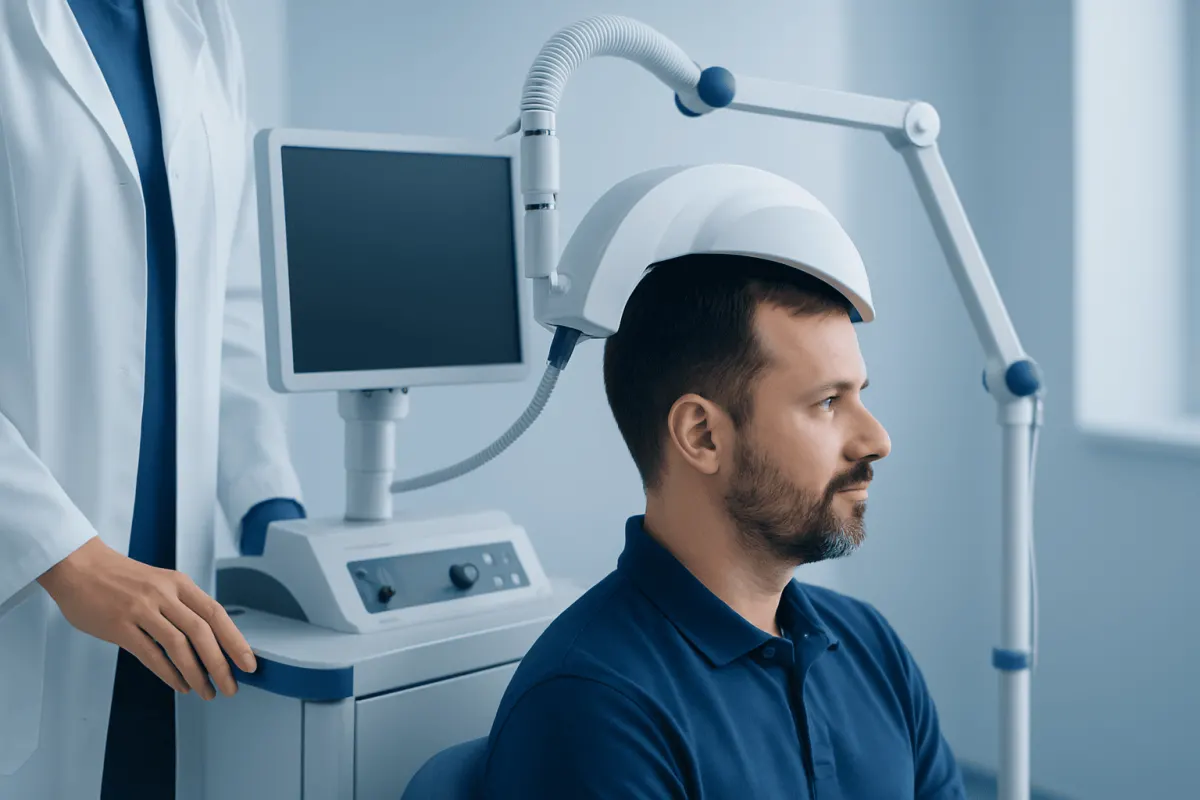
For selected people with stable pattern hair loss, procedural options may be discussed after medical evaluation. These can include non-surgical hair restoration approaches or, for appropriate candidates, FUE hair transplant planning. These options do not replace investigation of sudden, patchy, painful, or inflammatory hair loss.
Acıbadem Health Point’s multidisciplinary specialists and JCI-accredited hospitals evaluate hair and scalp concerns and provide treatment planning for international patients when needed.
Practical Hat, Hair, and Scalp Care
People do not need to stop wearing hats solely to prevent hair loss. A well-fitting hat can be useful for protecting the scalp, face, and ears from ultraviolet exposure, particularly where hair is thinning. Wide-brimmed hats can also reduce sun exposure for the hair shaft, which may help limit dryness and color fading.
Comfort and cleanliness are the main considerations. Select breathable materials when weather allows, avoid hats that leave persistent pain or strong pressure marks, and clean hats that contact the scalp frequently. For helmets, a clean liner or breathable layer can reduce direct friction and help manage sweat.
Gentle hair care may also reduce breakage. This includes using a conditioner suitable for the hair type, detangling carefully, limiting excessive heat and chemical processing, and varying tight hairstyles. A balanced diet containing adequate protein and essential nutrients supports general health, but supplements should not be used as a substitute for diagnosis when hair loss is unexplained.
When to See a Doctor
A person should arrange a medical assessment if hair loss is sudden, patchy, rapidly worsening, or accompanied by scalp pain, burning, redness, pustules, thick scale, or sores. These features can indicate an inflammatory, infectious, or autoimmune condition that may need timely treatment.
It is also sensible to seek advice for persistent diffuse shedding, a markedly widening part, a receding hairline, loss of eyebrow or body hair, or hair loss occurring with fatigue, unexpected weight changes, menstrual changes, or other new symptoms. Early evaluation can help identify treatable causes and prevent ongoing traction or scalp damage.
For many people, gradual hair thinning is manageable with accurate diagnosis, realistic expectations, and a personalized plan. Wearing a comfortable, clean hat can remain part of everyday life while the underlying reason for hair changes is explored.
Frequently asked questions
01Can wearing a hat every day make hair fall out?
Daily use of a normally fitting hat is not known to cause permanent hair loss. Hair follicles receive nutrients and oxygen through blood vessels in the scalp, so they do not need exposure to open air. A hat may collect naturally shed hairs or flatten the hairstyle, making hair changes easier to notice.
02Can a tight hat cause hair loss?
A very tight hat may cause pressure, friction, discomfort, or hair breakage. If headwear repeatedly pulls on the same hairs, especially at the hairline, it may contribute to traction alopecia. Choosing a comfortable fit and avoiding persistent pulling is important.
03Do hats make male-pattern or female-pattern hair loss worse?
Hats do not cause or worsen genetic pattern hair loss in most people. Pattern hair loss is mainly related to inherited follicle sensitivity and hormones. A clinician can help distinguish this gradual thinning from other causes of shedding.
04Why are there hairs inside my hat?
It is common for naturally shed hairs to become caught inside a hat. This does not prove that the hat caused the shedding. If the amount is clearly increasing, persistent, or associated with visible thinning, a dermatology assessment may be helpful.
05Can sweaty or dirty hats cause scalp problems?
Dirty or damp hats can trap sweat, oil, and product residue, which may worsen itching or irritation in people with sensitive scalps. They do not usually cause permanent hair loss directly. Washing hats regularly and allowing them to dry fully can support scalp comfort.
06Should someone wear a hat if they have thinning hair?
Yes, a comfortable hat can be worn safely and may protect exposed scalp skin from sun damage. It should not be excessively tight or cause pain, rubbing, or pulling. Persistent or unexplained thinning should still be discussed with a qualified doctor.
This article is for general information only and is not a substitute for professional medical advice. Please consult a qualified doctor about your individual situation.
Hair transplant in Turkey — costs, graft counts & a free assessment
JCI-accredited · board-certified surgeons · reply within 24h
Add us as a Preferred Source to see more of our trusted health content across Google Search, AI Overviews and Discover.