Can Green Tea Support Hair Growth and Scalp Health?
Hair growth green tea is a popular wellness topic, but current research does not show that green tea reliably regrows hair in people. Green tea can be part of a balanced diet, while persistent thinning or shedding should be assessed to identify the underlying cause.
Hair Growth Green Tea: What Does the Evidence Show?
Hair growth green tea refers to drinking green tea, using green-tea-containing shampoos or scalp products, or taking green tea extract in hopes of reducing hair shedding or encouraging new growth. Green tea contains plant compounds called catechins, especially epigallocatechin gallate (EGCG), which have antioxidant and anti-inflammatory properties. These qualities make green tea an interesting area of research, but they do not establish it as a proven treatment for hair loss.
Most supportive findings come from laboratory and animal studies rather than well-designed clinical studies in people with hair loss. Research suggests that EGCG may affect cells involved in the hair-growth cycle and may influence inflammation or hormone-related pathways. However, there is not enough high-quality human evidence to say that drinking green tea or applying it to the scalp will regrow hair.
Hair thinning has many possible causes, and effective treatment depends on identifying the cause. Green tea may be enjoyed as a beverage and may support overall dietary habits, but it should not replace medical assessment or treatments with stronger evidence when hair loss is ongoing, sudden, or distressing.
How Green Tea May Relate to Hair and Scalp Biology
Hair follicles naturally cycle through active growth, transition, rest, and shedding phases. In some forms of hair loss, follicles become smaller over time or a larger number of hairs shift early into the shedding phase. Genetics, immune activity, hormones, illness, nutrition, physical stress, and scalp inflammation can each affect this cycle.
Green tea catechins have been studied for antioxidant and anti-inflammatory activity. Oxidative stress and inflammation may be relevant in certain scalp disorders, so researchers are exploring whether plant compounds could have a supportive role. Some early research has also examined whether EGCG may affect enzymes involved in androgen metabolism. These mechanisms are still being investigated and should not be interpreted as proof that green tea prevents or reverses hereditary hair loss.
Topical products containing green tea are often marketed for the scalp. Their actual effect can vary because formulations, ingredient concentrations, and contact time differ widely. A cosmetic product may make hair feel cleaner, smoother, or less oily, but these effects are different from changing the number or thickness of growing hairs.
What Green Tea Can and Cannot Do for Hair Loss

For most people, unsweetened green tea can be a reasonable drink within a varied diet. Replacing sugar-sweetened beverages with green tea may support general health goals, and adequate hydration and balanced nutrition are useful for the body as a whole. Still, no beverage alone can correct hair loss caused by a medical condition, genetic pattern, iron deficiency, thyroid disease, or medication effect.
Green tea should not be expected to produce rapid results. Hair grows slowly, and even evidence-based treatments generally require consistent use over months before changes can be assessed. New shedding may also continue for a period after a trigger such as fever, surgery, childbirth, major stress, or significant weight change.
It is especially important not to delay evaluation for patchy loss, scalp scaling, pain, itching, or scarring. These features can occur with conditions that need targeted care. A clinician can distinguish common patterns such as androgenetic alopecia from temporary shedding and inflammatory scalp disorders.
- Green tea may be a pleasant dietary choice, but it is not a stand-alone hair-loss treatment.
- Green tea shampoo is not known to reliably regrow hair.
- Concentrated supplements are not equivalent to brewed tea and have different safety considerations.
Common Causes of Hair Shedding and Thinning
Recognizing the pattern of hair loss can help guide next steps. Gradual widening of the part or diffuse thinning on the top of the scalp may suggest pattern hair loss. Receding hairlines or thinning at the crown can also be part of hereditary pattern hair loss. These changes may affect people of any sex and tend to develop gradually.
Diffuse shedding from all over the scalp can occur after illness, high fever, childbirth, surgery, emotional stress, restrictive dieting, or rapid weight loss. This is often called telogen effluvium. It can be temporary once the trigger has resolved, but a medical review may be needed if shedding is severe, prolonged, or accompanied by other symptoms.
Other potential contributors include low iron stores, thyroid disorders, inadequate protein or calorie intake, certain medications, traction from tight hairstyles, fungal infection, and autoimmune conditions such as alopecia areata. A circular bald patch, broken hairs, redness, flakes, or tenderness is not something to manage with home remedies alone.
Because the cause matters, avoiding self-prescribed supplements is sensible. Taking high doses of vitamins or minerals without a documented need can be unhelpful and sometimes harmful. A healthcare professional may recommend targeted blood tests or scalp examination based on the person’s history and symptoms.
Evidence-Based Options for Supporting Hair Growth
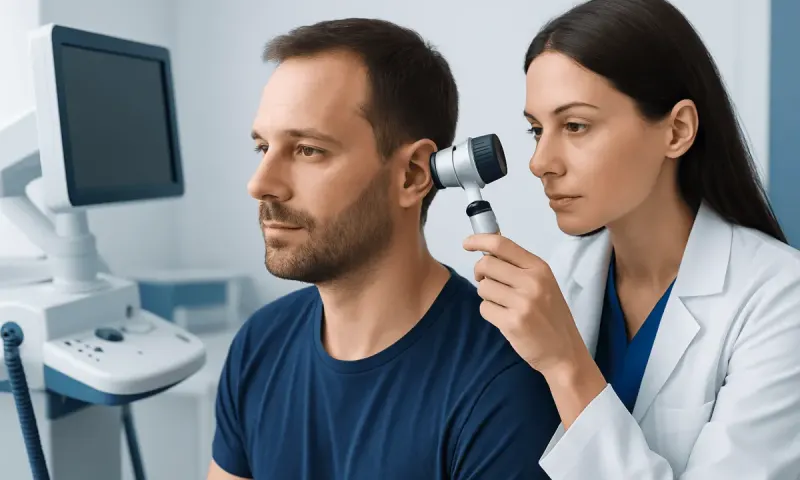
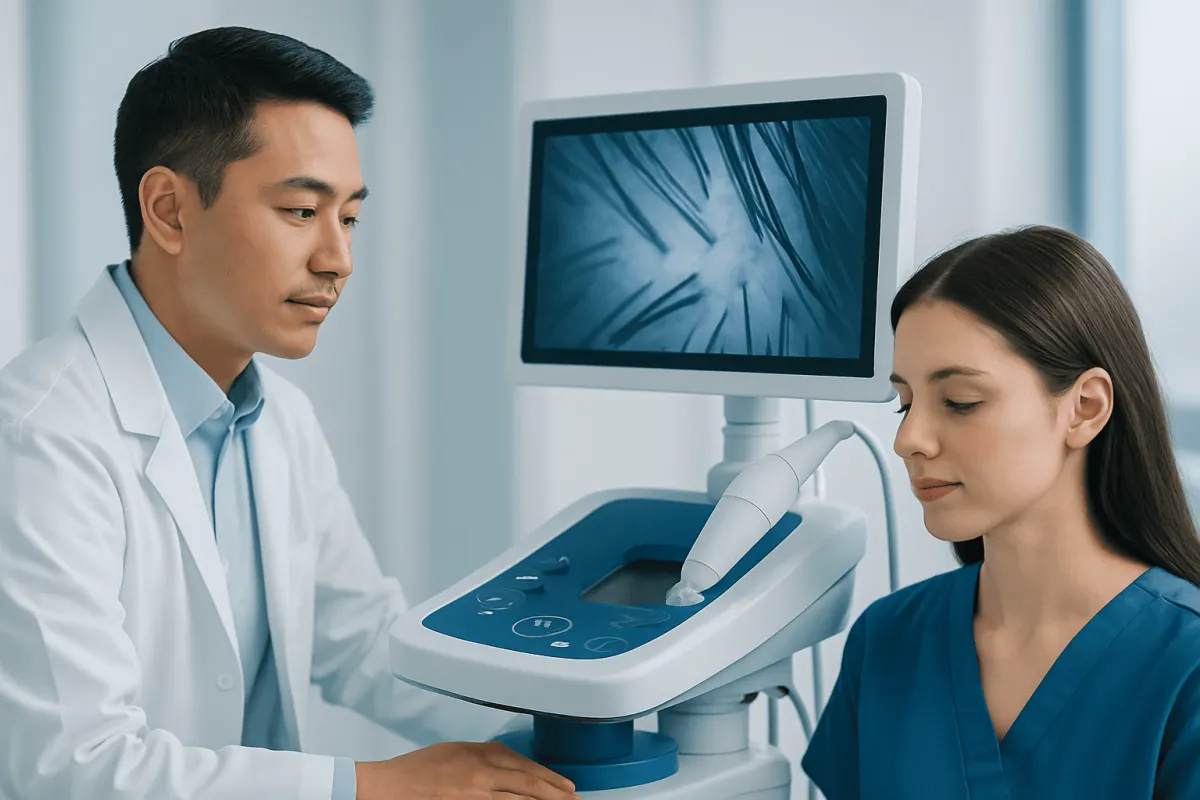
Care begins with an accurate diagnosis. A dermatologist or another qualified clinician may review the timing and pattern of loss, medical history, recent illnesses, dietary changes, family history, medicines, and hair-care practices. Examination of the scalp and hairs may be sufficient, although blood tests or other investigations can be useful in selected situations.
For hereditary pattern hair loss, topical minoxidil is one commonly used evidence-based option for suitable patients. Other treatments may be considered depending on the individual’s sex, health status, pregnancy plans, type of hair loss, and preferences. Procedures and prescription medicines should only be discussed and prescribed by an appropriately qualified clinician.
For some people, treatments such as hair transplantation may be considered after a specialist assessment, particularly when hair loss is stable and there is adequate donor hair. A transplant does not treat every type of shedding, and underlying scalp disease should be addressed first.
Good nutrition supports normal hair production. Regular meals that include sufficient protein and a variety of nutrient-rich foods are generally preferable to unregulated “hair vitamins.” If a deficiency is confirmed, correcting it under clinical guidance may help restore normal growth patterns.
Safe Use of Green Tea and Scalp Products
Drinking brewed green tea in moderation is generally well tolerated by many adults. It contains caffeine, which can contribute to sleep disturbance, palpitations, anxiety, or stomach discomfort in sensitive people. Choosing decaffeinated green tea may be helpful for those who are sensitive to caffeine, although it is not expected to have a proven hair-growth advantage.
Green tea extracts and high-dose supplements deserve more caution than brewed tea. Concentrated products can contain much larger amounts of active compounds, may interact with medicines, and have been linked rarely to liver injury. People with liver disease, those who are pregnant or breastfeeding, and anyone taking regular medication should seek medical or pharmacist advice before using such supplements.
When trying a new shampoo, serum, or scalp mask containing green tea, it is sensible to patch-test it first. Stop using the product if it causes burning, rash, swelling, increased itching, or worsening flakes. Essential oils and multiple active ingredients in some “natural” products can irritate the scalp even when green tea itself is well tolerated.
Practical Self-Care for Healthier Hair Habits
Gentle hair care can reduce avoidable breakage, although it will not cure a medical cause of hair loss. Avoid repeatedly pulling the hair tightly, using harsh chemical treatments, or applying high heat without protection. Use a gentle detangling method, particularly when hair is wet and more vulnerable to breakage.
A balanced eating pattern, regular sleep, and stress-management practices can support general wellbeing. If a person has recently been unwell or has experienced a major physical or emotional event, temporary shedding may occur several months later. Keeping a brief record of timing, symptoms, and changes in hair care can be useful when discussing concerns with a clinician.
Photographs taken in similar lighting and at regular intervals may help monitor gradual changes more objectively than checking the hair daily. This can also help avoid overinterpreting normal day-to-day shedding. A person who chooses to drink green tea can do so as part of their routine, while keeping expectations realistic about its effect on hair growth.
When to Seek Medical Care
Medical advice is recommended for sudden or rapidly worsening hair loss, distinct round or patchy bald areas, loss of eyebrow or body hair, or a painful, red, scaly, oozing, or scarred scalp. Prompt assessment is also important if hair loss occurs with fatigue, unexpected weight change, menstrual changes, new acne or excess facial hair, or other symptoms that could suggest an underlying health condition.
A consultation is worthwhile when shedding lasts longer than a few months, causes significant concern, or begins after a new medicine or supplement. A clinician can identify potentially reversible contributors and explain which treatments are appropriate. Early assessment may be particularly helpful for conditions in which ongoing inflammation can damage follicles.
Acıbadem Health Point’s multidisciplinary specialists and JCI-accredited hospitals assess and treat hair and scalp concerns for international patients. The right plan is individualized and based on scalp findings, medical history, and the person’s goals rather than on a single supplement or cosmetic product.
Frequently asked questions
01Does green tea help hair growth?
Green tea has compounds that are being studied for possible effects on inflammation and hair-follicle biology. However, strong clinical evidence that drinking green tea or using it on the scalp reliably promotes hair regrowth in people is lacking. It should not replace diagnosis and evidence-based treatment for ongoing hair loss.
02Can green tea stop hair loss caused by DHT?
Laboratory research has explored whether green tea catechins can influence pathways related to androgen activity. This is not enough to show that green tea can stop hereditary hair loss in clinical practice. People concerned about pattern hair loss should discuss proven options with a dermatologist.
03Is green tea shampoo good for thinning hair?
Green tea shampoo may cleanse the scalp and can be suitable if it does not cause irritation. There is no reliable evidence that it alone regrows hair or reverses thinning. A gentle shampoo can still be part of a scalp-care routine alongside medically appropriate treatment.
04How much green tea should someone drink for hair growth?
There is no established amount of green tea proven to stimulate hair growth. Drinking green tea in moderation may fit a healthy diet for many people, but more is not necessarily better. High intake may cause caffeine-related symptoms, and extracts carry greater risks than brewed tea.
05Are green tea supplements safe for hair loss?
Green tea supplements are more concentrated than brewed tea and are not routinely recommended as a hair-loss treatment. They can interact with medicines and have rarely been associated with liver injury. A doctor or pharmacist should be consulted before taking a concentrated extract, especially by people with medical conditions or regular medicines.
06When is hair loss a sign of a medical problem?
Hair loss should be assessed if it is sudden, patchy, painful, associated with rash or scaling, or accompanied by symptoms such as fatigue or weight changes. Persistent diffuse shedding or a noticeable change in hair density also deserves medical review. Identifying the cause can help guide safe and effective treatment.
This article is for general information only and is not a substitute for professional medical advice. Please consult a qualified doctor about your individual situation.
Hair transplant in Turkey — costs, graft counts & a free assessment
JCI-accredited · board-certified surgeons · reply within 24h
Add us as a Preferred Source to see more of our trusted health content across Google Search, AI Overviews and Discover.