Saline vs Silicone: A Breast Implant Comparison

A breast implant comparison involves more than choosing saline or silicone: implant shape, placement, incision, personal anatomy and long-term follow-up all influence the outcome. A consultation with a qualified plastic surgeon helps a person choose an option that fits their goals while understanding recovery, expected changes and possible future surgery.
Overview: comparing breast implant options
Breast augmentation uses implants to increase breast volume, improve symmetry or restore fullness after pregnancy, weight changes or breast surgery. A meaningful breast implant comparison considers the implant filling, shape and surface as well as where the implant is placed and the incision used. The best choice is individual rather than universal.
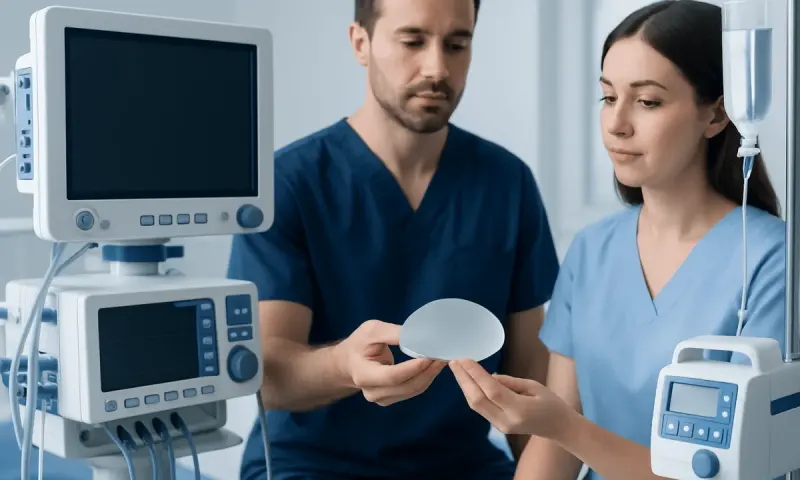
The two main implant fillings are saline and silicone gel. Saline implants have a silicone outer shell filled with sterile salt water, usually after placement. Silicone implants come pre-filled with cohesive silicone gel, which many people feel more closely resembles natural breast tissue. Both types have an outer silicone shell and are available in a range of sizes and profiles.
Implants may be round or shaped. Round implants can provide more fullness in the upper breast, while shaped implants are designed to create a more tapered contour. A surgeon also considers the person’s chest width, breast tissue, skin quality, lifestyle, desired appearance and tolerance for scars. Breast augmentation surgery should begin with a detailed discussion of realistic goals and the long-term responsibilities of having implants.
How breast implants work and who may be a candidate
During augmentation, an implant is placed in a pocket created in the breast area. It may sit directly behind the breast tissue and over the chest muscle, called subglandular placement, or partly or fully beneath the pectoral muscle, often called submuscular or dual-plane placement. Each approach has advantages and limitations related to tissue coverage, recovery discomfort, movement of the implant with muscle contraction and the desired breast contour.
Suitable candidates are generally adults in good overall health who understand that results are influenced by existing breast shape and that implants may require future procedures. Candidates should have stable expectations, be able to arrange recovery support and discuss any history of breast surgery, bleeding problems, autoimmune conditions, smoking, medications or allergies with their surgical team.
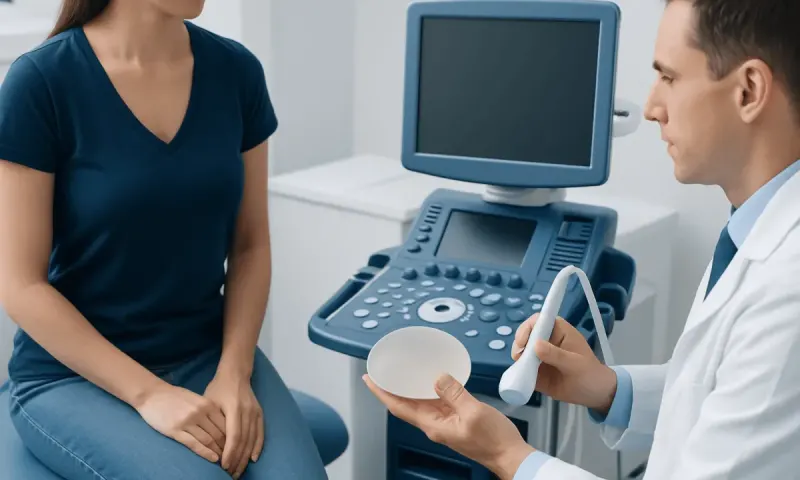
A consultation includes a medical history, breast examination and discussion of size and shape preferences. Imaging may be recommended according to age, symptoms and routine screening needs. Pregnancy, breastfeeding and major weight changes can alter breast appearance after surgery, so timing should be discussed carefully.
- Saline implants: may show a visible change in size if they deflate; they can be filled through a smaller incision in some cases.
- Silicone gel implants: often provide a softer feel; a rupture may not be immediately noticeable and may require imaging for assessment.
- Placement choices: depend on available breast tissue, body frame, activity level and the surgeon’s assessment.
Step by step: what happens during the procedure
Breast augmentation is usually performed under general anesthesia. Before surgery, the surgeon reviews the agreed plan, marks the chest while the patient is upright and confirms implant details. The operation commonly takes a few hours, although timing varies with the technique and whether another procedure is being performed.
The surgeon makes an incision in a planned location, such as beneath the breast crease, around the lower edge of the areola or, less commonly, in the armpit. A pocket is then created above or below the chest muscle. The implant is inserted, its position and symmetry are checked, and the incision is closed with sutures. Dressings and a supportive surgical bra may be applied.
Patients recover in a monitored area before going home, often on the same day when it is clinically appropriate. They need a responsible adult to accompany them and should follow the team’s instructions about medications, wound care, showering, sleeping position, bra use and follow-up appointments. The surgical plan may be adjusted if safety or anatomy requires it.
Recovery timeline and early results
Recovery is gradual. In the first 24 to 72 hours, tightness, swelling, bruising, tiredness and discomfort are common. Prescribed or recommended pain relief, rest, short walks and avoiding arm strain can support recovery. The chest may initially look higher, firmer or less settled than the final result.
How long is bed rest after breast implants? Strict bed rest is generally not advised after breast implant surgery. Most people are encouraged to take short, gentle walks on the day of surgery or the following day to support circulation, but they should rest frequently and avoid lifting, driving while taking sedating medication, strenuous exercise and household tasks for the period advised by their surgeon.
Many people return to desk-based work within about one to two weeks, depending on comfort and the demands of their role. Swelling and implant position continue to improve over several weeks, while scar maturation and full settling can take months. Heavy lifting, chest-focused exercise and high-impact activity should only resume when the surgeon confirms it is safe.
What’s the worst day after breast augmentation? There is no single worst day for everyone, but discomfort and tightness are often most noticeable during the first few days, commonly around days one to three. Symptoms should steadily improve rather than worsen. Sudden swelling, increasing pain on one side, fever, drainage or shortness of breath requires prompt medical advice.
Benefits, risks and long-term expectations
Potential benefits of breast augmentation include greater breast volume, improved symmetry and restoration of fullness. Some people feel more comfortable in clothing or more satisfied with their body image. Results are personal, and surgery cannot guarantee a particular emotional outcome or prevent normal changes associated with aging, gravity, pregnancy or weight fluctuation.
Possible complications include bleeding, infection, delayed wound healing, changes in nipple or breast sensation, scarring, implant displacement, asymmetry, rippling, rupture or deflation, and capsular contracture. Capsular contracture occurs when the natural scar tissue around an implant tightens, which can make the breast feel firm, change its shape or cause discomfort. Revision surgery may be needed for some concerns.
Breast implants are not considered lifetime devices. What happens after 20 years of breast implants? Some implants remain intact and symptom-free for many years, while others need removal or replacement earlier. A person does not automatically need surgery at 20 years, but should continue routine clinical follow-up and seek assessment for new pain, hardness, swelling, a shape change or suspected rupture. For silicone implants, the surgeon may recommend periodic imaging to evaluate implant integrity.
Rarely, persistent fluid or swelling around an implant years after surgery may be associated with breast implant-associated anaplastic large cell lymphoma (BIA-ALCL), a type of immune-system cancer most often linked with textured implants. This is uncommon, but late swelling, a lump or significant asymmetry should always be evaluated. Routine Breast Cancer Screening in Women: Mammograms, Ultrasound, and Who Needs Which Test" class="ahp-ilk">breast cancer screening should continue as recommended; patients should tell imaging staff that they have implants.
What people often wish they knew before surgery
What I wish I knew before breast implants? People commonly say they wish they had understood how much the decision involves beyond cup size. Implant dimensions, chest proportions, skin stretch, existing asymmetry and tissue thickness may limit which sizes and shapes can be used safely and naturally. Bringing photos can help communicate preferences, but they cannot promise an identical result.
It is also important to know that recovery takes patience. The breasts may look or feel different in the early weeks, and numbness, swelling or a high implant position can temporarily affect comfort and appearance. Planning time away from work, arranging help with children or pets, and preparing a comfortable sleeping area can make the initial recovery easier.
Finally, implants involve long-term follow-up. A person may later choose or need removal, replacement, a lift or revision because of complications, pregnancy-related changes, aging or changing preferences. Discussing the possibility of future procedures before the first operation supports informed decision-making and avoids the expectation that implants are permanent.
When to seek medical care
Contact the surgical team urgently after surgery for rapidly increasing swelling, severe or worsening pain, heavy bleeding, fever, spreading redness, foul-smelling drainage, chest pain, breathing difficulty or symptoms of an allergic reaction. These symptoms do not always mean a serious complication, but they need timely assessment.
In the months or years after augmentation, book a medical review for a new lump, persistent breast pain, breast hardening, a noticeable change in size or shape, ongoing rash, enlarged lymph nodes or delayed swelling around an implant. New breast symptoms should not be assumed to be caused by the implant without a proper examination.
People should continue routine breast health care and attend all planned postoperative reviews. Acıbadem Health Point’s multidisciplinary specialists and JCI-accredited hospitals diagnose and treat breast implant concerns for international patients, with care plans based on individual clinical needs.
Frequently asked questions
01Which is better, saline or silicone breast implants?
Neither type is best for everyone. Silicone gel implants are often chosen for their softer feel, while saline implants may make deflation easier to notice. A qualified plastic surgeon can explain how each option fits a person’s anatomy, goals and follow-up needs.
02Do breast implants need to be replaced every 10 years?
There is no rule that all implants must be replaced at 10 years. Implants are not lifetime devices, but they are usually removed or replaced when there is a complication, suspected rupture, a cosmetic concern or a personal preference to change them. Regular follow-up helps identify concerns early.
03Can a person breastfeed after breast implant surgery?
Many people can breastfeed after augmentation, but it cannot be guaranteed. Milk production may be affected by the incision, the extent of surgery, pre-existing breast anatomy and other factors. Anyone planning future breastfeeding should discuss this with the surgeon before surgery.
04When can someone sleep normally after breast implants?
Surgeons often advise sleeping on the back with the upper body slightly elevated in the early recovery period. Side sleeping and stomach sleeping may be uncomfortable or discouraged until healing is further along. The timing varies, so the operating surgeon’s instructions should be followed.
05Can mammograms be performed with breast implants?
Yes. People with implants should continue recommended breast cancer screening and tell the imaging center before the appointment. Special mammogram views may be used to visualize as much breast tissue as possible, and additional imaging may be recommended when clinically needed.
06How can someone reduce the risk of complications after breast augmentation?
Choosing an appropriately qualified surgeon, sharing a complete medical history and following preoperative instructions are important steps. After surgery, taking medications as directed, avoiding smoking, attending follow-up visits and returning gradually to activity can support healing. No approach can remove all surgical risk.
This article is for general information only and is not a substitute for professional medical advice. Please consult a qualified doctor about your individual situation.
Explore treatments in Turkey — costs, top hospitals & a free quote
JCI-accredited · board-certified surgeons · reply within 24h
Add us as a Preferred Source to see more of our trusted health content across Google Search, AI Overviews and Discover.