Saline Breast Implants: Benefits, Risks, and Recovery
Saline breast implants use a silicone shell filled with sterile salt water to increase breast volume or help restore shape after breast surgery. They are typically placed during an outpatient operation, but the best option depends on body tissue, goals, health and an understanding that implants may require future surgery.
Overview: What Are Saline Breast Implants?
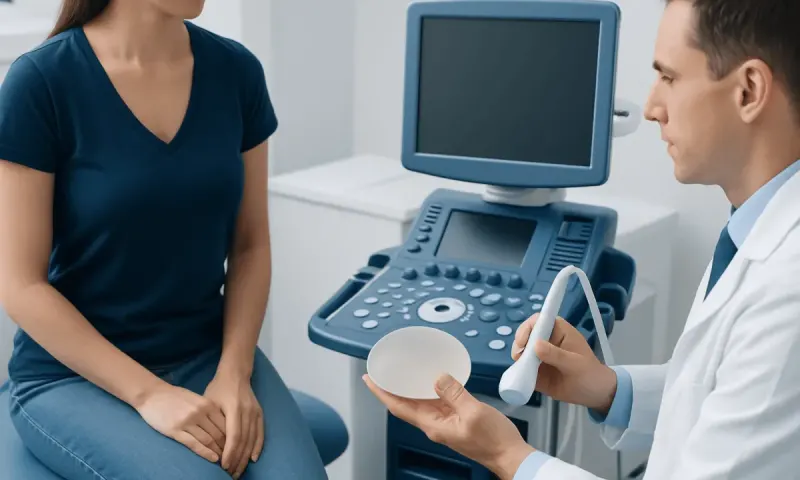
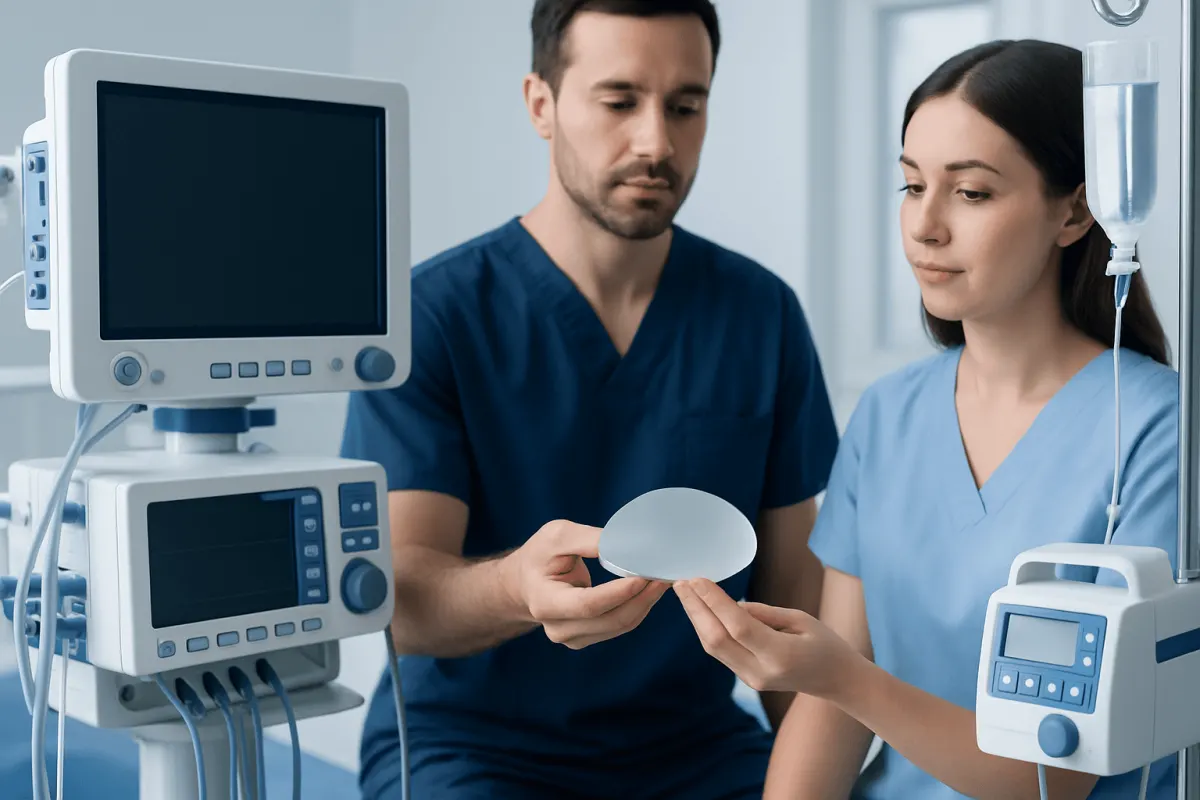
Saline breast implants are medical devices with a flexible silicone outer shell that is filled with sterile salt water after it is placed in the breast. They can add volume for cosmetic augmentation, restore contour after mastectomy or injury, or replace an existing implant. Because the shell is inserted empty, the surgeon can make relatively small adjustments to fill volume during the operation.
Saline implants differ from silicone gel implants mainly in their filling material. The way an implant feels and looks depends not only on the filling, but also on the amount and quality of natural breast tissue, the implant shape and profile, and whether it is placed above or partly below the chest muscle.
Breast implants are not lifetime devices. A person may choose or need additional surgery later because of deflation, changes in the breast and skin over time, scar-tissue changes, discomfort, or a wish to change implant size or remove the implants.
How They Work and Who May Be a Candidate
During placement, the surgeon creates a pocket behind the breast tissue or beneath the pectoral muscle. The empty saline implant is positioned in that pocket and filled through a valve with sterile saline solution. Implant size, projection and placement are selected to support a proportionate result and to suit the person’s anatomy.
Suitable candidates are generally adults in good overall health who have completed breast development, have stable expectations and understand the possible need for future follow-up or surgery. In the United States, saline implants are approved for cosmetic augmentation in people aged 18 years and older; age requirements for reconstruction and requirements in other countries can differ.
A consultation should include a review of medical conditions, medicines, allergies, smoking or nicotine use, previous breast surgery and family history of breast disease. Pregnancy and breastfeeding can change breast size and shape, so people who are pregnant, breastfeeding, or planning a pregnancy soon may be advised to postpone elective surgery.
Step by Step: The Saline Implant Procedure

Before surgery, the plastic surgeon discusses desired size, implant profile, incision location and placement plane. Measurements and clinical photographs may be taken for planning, and appropriate breast imaging may be recommended based on age, symptoms and individual breast cancer risk.
The operation is usually performed under general anesthesia. After making an incision, commonly in the breast crease, around the areola or in the armpit, the surgeon creates the implant pocket and places the unfilled shell. Sterile saline is then added through a fill valve, symmetry is checked while the patient is on the operating table, and the incisions are closed and dressed.
Many procedures are completed as day surgery, although the individual plan varies. Patients should arrange for a responsible adult to take them home and assist initially if advised. The surgeon provides records identifying the implant type and should explain follow-up visits, scar care and any limits on lifting or exercise.
Recovery Timeline and Aftercare
In the first several days, it is common to have swelling, bruising, pressure, soreness and temporary changes in breast sensation. Prescribed or recommended pain relief, a supportive surgical bra or garment, and rest can make this period more comfortable. Short, gentle walks are often encouraged to support circulation.
During the first one to two weeks, people usually need to avoid strenuous activity, heavy lifting and movements that strain the chest. Incision care should follow the surgeon’s instructions closely. Smoking and nicotine products can interfere with wound healing and should be avoided as directed by the care team.
Return to desk work, driving, exercise and other daily activities varies with healing, comfort and the type of work involved. Many people gradually resume routine activity over several weeks, but chest-focused exercise and heavy lifting should wait until the surgeon confirms that it is appropriate.
The breasts may sit high, feel firm or look uneven during early healing. Swelling gradually improves, and implants settle into their intended position over the following months. Follow-up appointments are important for assessing healing, implant position and any concerns about scars or sensation.
Benefits, Limitations and Potential Risks
Saline implants can restore volume, improve breast symmetry and offer the practical advantage that a leak is usually noticeable through a reduction in breast size. If saline escapes from an implant, the body absorbs the sterile salt water. The empty silicone shell still requires surgical removal or replacement.
For some people, especially those with limited natural breast tissue, saline implants may be more likely than silicone gel implants to show visible rippling or feel less like natural breast tissue. The implant edges may be easier to feel, and breast shape can still change with aging, weight changes, pregnancy or changes in skin elasticity.
- Capsular contracture, in which scar tissue around an implant becomes tight or firm
- Deflation from a valve or shell failure
- Infection, bleeding, delayed wound healing or unfavorable scarring
- Changes in nipple or breast sensation, breast asymmetry or implant displacement
- Need for revision surgery, removal or replacement in the future
- Anesthesia-related complications
Rarely, breast implants have been associated with certain diseases in the scar capsule surrounding an implant. Breast implant-associated anaplastic large cell lymphoma is most strongly linked with textured-surface implants rather than the saline filling itself. A surgeon should discuss the specific implant surface, known risks and symptoms that should prompt assessment.
Long-Term Questions About Saline Breast Implants
What are the disadvantages of saline breast implants?
Possible disadvantages include a greater chance of visible rippling, palpable edges or a less natural feel in people with thin breast tissue. They may also deflate if the shell or valve fails, and every implant carries surgical risks such as scar-tissue tightening, asymmetry and a possible need for further surgery. Placement beneath the muscle may reduce visible rippling for some people, but it also has its own recovery considerations.
Do saline breast implants get smaller over time?
An intact saline implant does not normally lose volume simply because it has been in place for many years. However, a shell or valve leak can cause gradual or more noticeable deflation. Breasts can also appear smaller, lower or less full over time because the natural breast tissue and skin change with aging, weight fluctuations, pregnancy or menopause.
What do saline breast implants look like after 20 years?
There is no single expected appearance after 20 years. If implants remain intact, they may still provide volume, but the breast skin, tissue and chest contour can change substantially over two decades. Some people develop visible rippling, implant descent, asymmetry or firmness from scar tissue, while others remain satisfied with their appearance for many years.
How long should you leave saline breast implants in?
There is no routine rule that saline implants must be removed or replaced after a particular number of years. They can remain in place as long as there is no complication and the person is comfortable with the result, but regular clinical review is sensible. Removal or replacement may be considered for deflation, capsular contracture, pain, implant movement, concerning swelling, or personal preference.
When to Seek Medical Care
Contact the surgeon or a qualified doctor promptly for increasing redness, warmth, swelling, drainage, fever, worsening pain, an opening in the incision, or a sudden change in breast size or shape. A saline implant deflation is usually not dangerous because the fluid is absorbed by the body, but it still needs medical assessment and a discussion about removal or replacement of the shell.
New swelling around an implant years after surgery, a breast lump, persistent fluid collection, new firmness or unexplained pain should also be evaluated without delay. Emergency medical care is appropriate for symptoms such as chest pain, trouble breathing, fainting or signs of a severe allergic reaction, whether or not they appear related to surgery.
Making an Informed Decision
A thorough consultation with a qualified plastic surgeon helps a person compare saline and silicone gel implants, consider implant placement and review alternatives such as fat transfer where appropriate. The decision should reflect personal goals, tissue characteristics, lifestyle, future pregnancy plans and willingness to attend follow-up appointments or consider revision surgery if needed.
People considering treatment abroad should also plan for safe travel, clear communication and follow-up care after returning home. Acıbadem Health Point’s multidisciplinary specialists and JCI-accredited hospitals assess and treat breast implant concerns for international patients, with care plans tailored to individual clinical needs.
Frequently asked questions
01Are saline breast implants safer than silicone gel implants?
Neither implant type is universally safer for every person. Both have potential surgical complications and may require later removal or replacement. A key difference is that saline deflation is usually visible, while a silicone gel implant rupture may be less obvious and can require imaging to assess.
02Is saline implant deflation painful?
Deflation itself is often not painful, although the breast may look smaller or feel different as fluid leaves the implant. Some deflations occur rapidly, while others develop over time. A person should contact their surgeon to arrange assessment and discuss removal or replacement.
03Can a person breastfeed after getting saline breast implants?
Many people can breastfeed after breast implant surgery. However, breastfeeding ability can be affected by the incision location, surgical technique, pre-existing breast anatomy and other factors. Anyone planning future breastfeeding should discuss this goal with the surgeon before surgery.
04Do saline breast implants affect mammograms?
Implants can obscure some breast tissue on standard mammogram images. The imaging center should always be told about implants so trained staff can obtain additional implant-displacement views when appropriate. Routine breast screening should continue based on age, symptoms and personal risk.
05Should saline implants go above or below the muscle?
The best placement depends on the amount of natural breast tissue, chest anatomy, activity level and desired appearance. Placement partly beneath the pectoral muscle may provide more soft-tissue coverage in some people, while placement above the muscle can have different recovery and movement-related effects. A plastic surgeon can explain which approach is suitable for an individual anatomy.
06Do saline breast implants need routine MRI checks?
Routine MRI solely to look for silent rupture is generally not needed for saline implants because deflation is usually apparent as loss of volume. Imaging may still be recommended for breast symptoms, changes on examination or concerns unrelated to implant integrity. The appropriate test depends on the clinical situation and should be selected by a doctor.
This article is for general information only and is not a substitute for professional medical advice. Please consult a qualified doctor about your individual situation.
Explore treatments in Turkey — costs, top hospitals & a free quote
JCI-accredited · board-certified surgeons · reply within 24h
Add us as a Preferred Source to see more of our trusted health content across Google Search, AI Overviews and Discover.