Big Breast Implants: Choosing Size and Shape

Big fake breasts usually refer to a deliberately large breast augmentation using implants, fat transfer, or a combination of both. A safe, satisfying result depends less on a cup-size goal than on whether the chosen volume fits the person’s chest dimensions, skin, existing tissue and long-term health needs.
Overview: what does “big fake breasts” mean?
The phrase “big fake breasts” is commonly used online to describe breasts enlarged with cosmetic surgery, most often breast implants. In medical settings, the procedure is called breast augmentation. It can increase breast size, restore volume lost after pregnancy or weight change, improve breast symmetry, or help a person achieve a fuller body contour.
There is no single definition of “big.” A breast size that appears very large on one body frame may look proportionate on another. Surgeons assess the width of the chest, breast tissue thickness, skin elasticity, shoulder and torso proportions, and the person’s goals rather than promising a particular cup size. Bra cup sizing is inconsistent between brands and is not a reliable surgical measurement.
Breast enlargement may be achieved with saline or silicone gel implants, the person’s own fat, or in selected cases a combined approach. The safest option is one that respects the limits of the breast tissues and is selected after an informed discussion of benefits, trade-offs and future care.
How large breast augmentation is planned
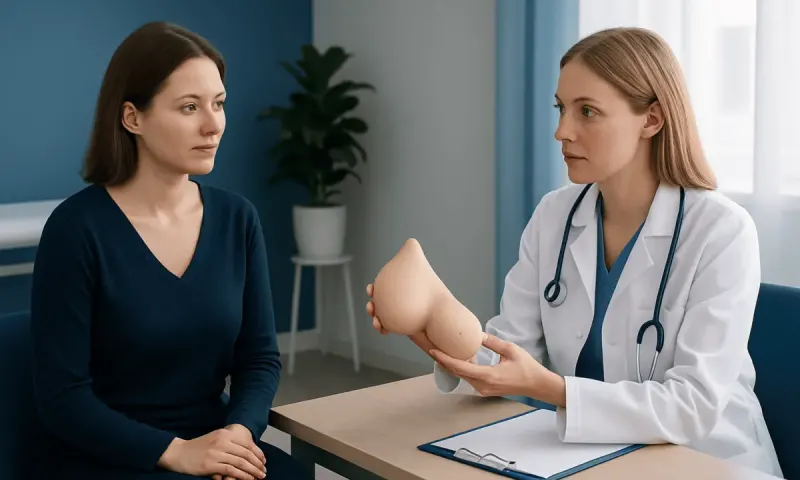
Planning begins with a consultation with a board-qualified plastic surgeon. The surgeon reviews general health, previous breast surgery, medications, smoking or nicotine use, family history and screening needs. A physical examination helps determine how much existing tissue is available to cover an implant and whether breast lifting surgery may be relevant if there is significant drooping.
Implant choices include silicone gel and saline-filled devices. Implants also differ in width, projection, shape and surface. A wider implant does not always create more forward projection, and a higher-volume implant may not be appropriate if the chest is narrow. Surgeons may use measurements, sample sizers and imaging tools to support the discussion, although no planning method can perfectly predict the final result.
Implants are commonly placed behind the breast tissue and either above or below the chest muscle, depending on anatomy and goals. Placing an implant beneath the muscle can provide additional tissue coverage in some people, while placement above the muscle may be suitable in others. The approach should be individualized rather than chosen solely to achieve maximum volume.
- Implants generally provide the most predictable way to achieve a substantial size increase.
- Fat transfer can create a softer, more modest increase and may improve contour around an implant.
- A breast lift may be considered when skin and nipple position need correction as well as added volume.
Can you show me pictures of the breasts before and after lipofilling?
Before-and-after photographs of breast lipofilling, also called fat transfer to the breast, are usually reviewed during a private consultation rather than displayed as a universal prediction of results. Appropriate clinical photographs should be taken with consent, consistent lighting, posture and timing after recovery. They can help illustrate the range of outcomes, but they cannot show exactly how another person’s body will respond.
Fat transfer uses fat collected by liposuction from another area of the body, such as the abdomen, flanks or thighs. The processed fat is injected into the breasts in small amounts and layers. Some transferred fat is naturally reabsorbed, so the volume that remains can vary. For this reason, a second procedure may be considered when a person wants further enlargement.
Photos should be interpreted carefully. Swelling early after surgery can make breasts appear larger than the stable outcome, and differences in body weight, skin quality and starting breast size affect results. A surgeon can explain whether fat transfer is likely to provide the desired change, or whether breast augmentation with implants may better match a large-volume goal.
Can fake breasts look and feel real?
Breasts enlarged with implants can look and feel natural, but the degree of naturalness varies. It depends on implant type, implant placement, the amount of the person’s own breast tissue, skin thickness, chest shape and the selected size. When an implant is substantially larger than the tissues can comfortably cover, edges or rippling may be more noticeable, especially in people with little natural breast tissue.
Silicone gel implants are often chosen because their consistency may feel more similar to natural breast tissue than saline implants. However, neither type exactly reproduces the anatomy, movement or sensation of an unoperated breast. Implants can feel firmer initially, then soften as swelling resolves and tissues settle over time.
Fat transfer uses the person’s own tissue and can feel soft and natural once healed. Its limitation is that it usually cannot create the same degree of enlargement as a very large implant in one operation. Sensation in the nipple or breast skin may change temporarily after any breast surgery; permanent changes are less common but possible and should be discussed before treatment.
What do 1000cc breast implants look like?
A 1000cc breast implant contains approximately 1,000 millilitres of volume, making it much larger than implants selected for many routine augmentations. Its appearance cannot be judged by volume alone. On a broad chest with adequate skin and soft-tissue coverage, it may create a very full appearance; on a narrower frame, it may look more prominent, wider than the natural breast base, or place substantial tension on the tissues.
There is no reliable conversion from 1000cc to a bra cup size. The same implant can produce different results based on the person’s starting breast volume, chest width, bra manufacturer and implant profile. Photos online can also be misleading because of posing, bras, clothing, lighting, editing and differences in body proportions.
Very large implants can increase the likelihood of issues such as visible rippling, stretching of skin, breast drooping over time, neck or back discomfort, implant displacement and the need for revision surgery. A responsible surgical assessment focuses on whether a 1000cc implant can be supported safely by the tissues, not simply whether it can be inserted.
Recovery, results and what happens after 10 years of breast implants
After breast augmentation, temporary soreness, pressure, swelling, bruising and reduced upper-body mobility are common. The surgeon may recommend a supportive garment, wound care instructions and a gradual return to daily activities. Heavy lifting, strenuous exercise and chest-focused activity are usually limited during early healing. Individual recovery timelines differ, so the surgical team’s instructions should take priority.
Breasts often sit high and feel firm at first. As swelling improves and the tissues relax, they generally settle over the following weeks to months. Scars also mature gradually. Final appearance is influenced by healing, implant position, skin elasticity, changes in weight, pregnancy, ageing and gravity.
After 10 years, many implants are still intact and do not automatically need replacement. However, breast implants are not lifetime devices, and the chance of complications or additional surgery increases over time. Reasons for evaluation or revision can include capsular contracture, rupture or deflation, implant movement, rippling, changes in breast shape, pain, or a wish to change size.
People with silicone gel implants should follow their surgeon’s advice and current regulatory guidance on imaging for silent rupture, which may not cause obvious symptoms. Any history of breast implants should also be shared with clinicians arranging routine breast screening, as special imaging views may be needed.
Risks, long-term care and when to seek medical care
All surgery carries risks, including bleeding, infection, wound-healing problems, scarring and anaesthesia-related complications. Breast augmentation-specific risks include changes in nipple or breast sensation, asymmetry, implant rupture or deflation, capsular contracture, implant displacement and the possible need for future surgery. Rarely, a fluid collection or mass around an implant can be linked with breast implant-associated anaplastic large cell lymphoma, a condition that needs prompt specialist assessment.
Long-term care includes attending planned follow-up visits, monitoring for new changes and maintaining recommended breast health screening. Stable weight, avoiding nicotine products and wearing supportive bras for high-impact activity may help protect the skin and breast tissues, although they cannot prevent all changes over time.
When to seek medical care: contact a surgeon or doctor promptly for increasing redness, warmth, fever, wound drainage, severe or worsening pain, sudden breast swelling, a rapidly changing breast shape, a new lump, persistent fluid around an implant, or shortness of breath. These symptoms do not always indicate a serious problem, but timely assessment is important.
Acıbadem Health Point’s multidisciplinary specialists and JCI-accredited hospitals assess and treat breast surgery concerns for international patients, with care tailored to individual anatomy and follow-up needs.
Choosing a safe, informed path
A person considering large breast enlargement should have enough time to discuss both immediate goals and long-term implications. Useful questions include how the proposed volume fits the breast measurements, where scars will be located, what complications are most relevant, how pregnancy or weight changes may affect the result, and what future monitoring may be needed.
It is also important to choose a qualified plastic surgeon working in an appropriately accredited surgical setting. The consultation should include realistic discussion of limitations, possible asymmetry and the chance of revision. A surgeon should not pressure someone to choose a size that exceeds what their tissues can safely support.
Emotional readiness matters as well. Cosmetic surgery may improve body confidence for some people, but it cannot resolve every concern about appearance or guarantee a particular social or emotional outcome. Individuals who feel uncertain can pause, seek a second opinion and make a decision when they feel well informed.
Frequently asked questions
01Are big fake breasts safe?
Large breast augmentation can be performed safely for appropriately selected patients by qualified surgeons, but larger volumes may place more strain on skin and supporting tissues. Every implant size has potential risks, including changes in shape over time and the possibility of future revision surgery. A personal assessment is needed to determine what volume is reasonable for an individual body.
02How long does it take for large breast implants to settle?
Initial swelling and tightness are expected, and implants may appear high on the chest early in recovery. Many visible changes occur over the first several weeks, while settling and scar maturation can continue for several months. Healing varies according to implant placement, implant size and individual tissue characteristics.
03Can fat transfer make breasts very large?
Fat transfer usually produces a more modest increase than implants because only a limited amount of fat can be safely placed and some of it is reabsorbed. More than one session may be needed for additional volume. It may be useful for subtle enlargement, contour refinement or selected combined procedures.
04Do 1000cc breast implants require replacement after 10 years?
No implant size has an automatic replacement date. At 10 years, implants should be assessed based on symptoms, examination findings and recommended imaging, not replaced simply because of their age. Replacement or removal may be considered if there is rupture, capsular contracture, a change in position, pain or another concern.
05Will breast implants affect mammograms?
Breast implants can make some breast tissue harder to view on standard mammography images, but screening can still be performed. The imaging centre should be told about the implants before the appointment so trained staff can use appropriate additional views. People should continue screening according to their clinician’s recommendations.
06Can large breast implants cause back or shoulder pain?
The added weight of large implants may contribute to discomfort in the neck, shoulders or back for some people, particularly if the breasts are heavy relative to their body frame. Posture, muscle strength and pre-existing pain conditions also play a role. Persistent symptoms should be discussed with a doctor or surgeon.
This article is for general information only and is not a substitute for professional medical advice. Please consult a qualified doctor about your individual situation.
Joint and spine care in Turkey — expert assessment & treatment
JCI-accredited · board-certified surgeons · reply within 24h
Add us as a Preferred Source to see more of our trusted health content across Google Search, AI Overviews and Discover.