How Big Can Breast Implants Safely Be?
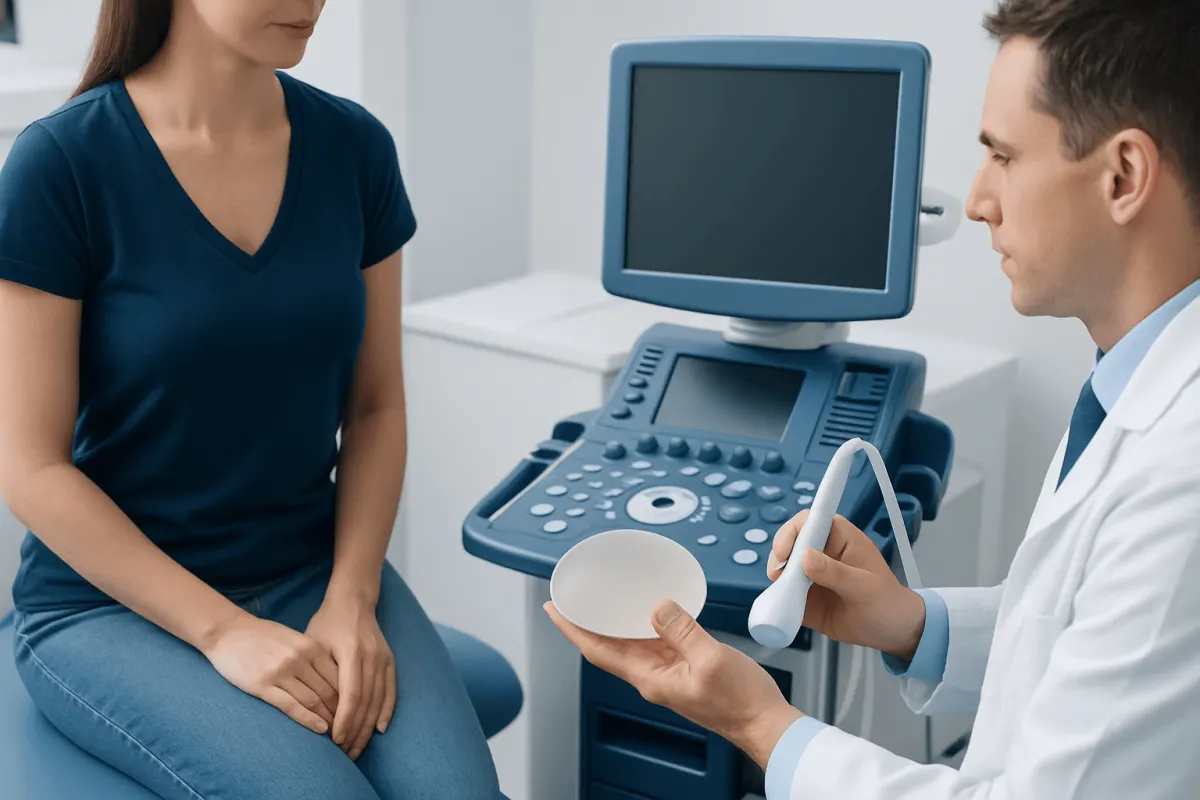
“Breast implants biggest” commonly refers to questions about the largest implant size that can be used safely and achieve a balanced result. The right size is individual: it depends on chest dimensions, skin and tissue quality, existing breast volume, lifestyle and realistic expectations—not a single universal maximum.
Overview: What Does “Breast Implants Biggest” Mean?
People searching for breast implants biggest are often looking for the largest implant size available or wondering how large they can safely go. There is no single implant size that is best or safe for everyone. A suitable size is based on the width of the chest, breast tissue coverage, skin elasticity, body proportions and the person’s desired look.
Breast augmentation uses implants to increase breast volume, improve symmetry or restore fullness after pregnancy, weight changes or surgery. Implants are commonly filled with saline or silicone gel and may have different shapes and profiles. A plastic surgeon helps match implant dimensions—not only volume in cubic centimeters (cc)—to the individual’s breast base width and soft-tissue support.
Choosing the largest possible implant is not always the same as choosing the best long-term option. An implant that is too wide, heavy or prominent for the tissues may lead to an unnatural appearance, tissue thinning, stretching, discomfort or a higher likelihood of future procedures. Breast augmentation planning should therefore focus on a proportionate, sustainable result rather than a number alone.
How Implant Size and Profile Are Chosen
Implant volume is measured in cc rather than bra cup size. Cup sizing is not standardized across brands, styles of bras or countries, so it is an unreliable way to communicate a surgical goal. During consultation, the surgeon measures breast width, chest wall shape, nipple position, skin quality and the amount of existing breast tissue.
Implant profile also matters. A lower-profile implant spreads volume across a broader base, whereas a higher-profile implant projects farther forward for the same volume. A high-profile implant is not automatically appropriate for a narrow chest, and a larger-volume implant is not automatically better for creating cleavage or upper-breast fullness.
People may use photographs to explain their preferences, but these images are a starting point rather than a promise of a specific result. Implant sizers, three-dimensional imaging where available, and an open discussion of lifestyle, clothing preferences and athletic activities can help clarify goals. The final plan should include a clear explanation of what the tissues can support safely.
- Saline implants are filled with sterile salt water and can be adjusted during surgery.
- Silicone gel implants often feel more like natural breast tissue but require appropriate clinical follow-up.
- Placement may be above or below the chest muscle, depending on anatomy and goals.
- Incision location may be in the breast crease, around the areola or, less commonly, in the armpit.
Candidacy, Benefits and Important Limitations
Good candidates are generally adults in good overall health who have stable expectations and understand that implants require long-term attention. A consultation should include a medical history, medications and supplements, smoking or nicotine use, past breast surgery, family history of breast disease and any current breast symptoms. Pregnancy, breastfeeding plans and substantial planned weight changes may also affect timing and choices.
Potential benefits include fuller breasts, improved proportionality, correction of some asymmetry and restoration of volume. For some people, the change can improve comfort with clothing and body image. However, breast augmentation does not guarantee improved self-esteem, solve relationship concerns or create permanent breast shape independent of aging, gravity and body-weight changes.
Breast implants are medical devices rather than lifetime devices. Some people will need additional surgery in the future because of implant rupture, capsular contracture, changes in breast tissue, dissatisfaction with size, implant displacement or a desire to exchange or remove implants. A surgeon should explain the expected trade-offs of larger implants, including the possibility of more visible stretching and greater mechanical load on the tissues.
How the Breast Implant Procedure Works
Breast augmentation is usually performed as an outpatient procedure under general anesthesia. Before surgery, the team confirms the plan, marks the incision sites and reviews key safety information. The operation typically takes a few hours, although the exact duration varies with the surgical approach and whether another procedure, such as a breast lift, is also being performed.
The surgeon makes an incision in the agreed location and creates a pocket for the implant. The implant may be positioned behind the breast tissue and in front of the chest muscle, or partly or fully behind the chest muscle. After checking symmetry and position, the surgeon closes the incisions and applies dressings and a supportive surgical bra if appropriate.
Going home the same day usually requires a responsible adult to provide transport and support during the initial recovery period. Written instructions should cover wound care, showering, sleeping position, pain management, activity restrictions and follow-up appointments. The surgical team should also explain exactly which symptoms require urgent contact.
For international patients, Acıbadem Health Point’s multidisciplinary specialists and JCI-accredited hospitals can assess and treat breast augmentation candidates, with care plans based on individual anatomy and health needs.
Recovery Timeline and Everyday Expectations
During the first several days, the breasts may feel tight, swollen, bruised or sore. The chest muscles can feel particularly uncomfortable when implants are placed beneath the muscle. Prescribed or recommended pain relief, rest, supportive garments and following the surgeon’s activity guidance can make this period more manageable.
Many people can return to non-strenuous daily tasks and desk-based work after about one to two weeks, depending on comfort and the nature of their work. Heavy lifting, upper-body exercise, swimming and high-impact activity should wait until the surgeon confirms healing is adequate. It is important not to resume training simply because pain has improved.
Swelling generally improves over weeks, but implants may initially sit higher on the chest and gradually settle. Incisions also mature slowly; scar appearance can continue to change for many months. Final size, softness and position should not be judged in the first few weeks after surgery.
Regular follow-up matters. Patients with silicone gel implants should discuss recommended imaging and monitoring with their surgeon, as some ruptures may not cause obvious symptoms. Breast Cancer Screening in Women: Mammograms, Ultrasound, and Who Needs Which Test" class="ahp-ilk">Breast cancer screening should continue according to age, personal risk and local guidance, with imaging staff informed about the implants.
Risks, Larger Implant Considerations and Weight Changes
All surgery carries risks, including bleeding, infection, anesthesia reactions, delayed wound healing, pain and changes in sensation. Implant-specific concerns include capsular contracture, where scar tissue tightens around the implant; rupture or deflation; rippling; displacement; asymmetry; and the need for revision surgery. Rare implant-associated conditions have also been reported, so informed consent should include a discussion of the implant type and current safety information.
Larger implants may place greater stress on the skin, breast tissue and supportive ligaments. This can increase the chance of stretching, bottoming out, visible implant edges, breast droop over time or dissatisfaction as the body changes. These outcomes are not inevitable, but they are especially relevant when considering sizes beyond what the existing tissue envelope can comfortably support.
A gain of 5 to 10 pounds does not change the physical size of the implant itself. However, fat distribution and fluid changes can increase breast tissue volume, alter cleavage or make the breasts appear larger. Weight loss can reduce natural breast fullness and make implants or rippling more noticeable. Maintaining a relatively stable weight supports more predictable long-term results.
When to Seek Medical Care
After surgery, patients should contact their surgical team promptly for increasing rather than improving pain, rapidly expanding swelling on one side, persistent bleeding, fever, worsening redness, drainage from an incision, shortness of breath or chest pain. These symptoms need timely assessment and should not be managed by waiting at home.
At any time after augmentation, a new breast lump, persistent swelling, change in breast shape, hardening, significant asymmetry, unexplained fluid around an implant or a noticeable change in implant position should be reviewed by a qualified clinician. These changes often have treatable explanations, but assessment is important.
Anyone considering implants should seek care from a board-qualified or appropriately credentialed plastic surgeon working in an accredited setting. A careful consultation, clear discussion of risks and a plan for follow-up are essential parts of safe decision-making.
Frequently asked questions
01How painful is recovery from breast implants?
Recovery discomfort is commonly described as pressure, tightness, soreness and limited chest movement, especially during the first few days. Pain varies by person and may be more noticeable when implants are placed beneath the chest muscle. It usually improves steadily with appropriate pain management and adherence to activity restrictions, but worsening pain should be discussed with the surgical team.
02What I wish I knew before breast implants?
Many people wish they had understood that breast implants are not lifetime devices and that future monitoring or additional surgery may be needed. It is also helpful to know that swelling can make the breasts look and feel different from the eventual result for several months. Choosing a size based on anatomy and long-term tissue support, rather than cup-size expectations alone, is an important part of planning.
03What is the hardest cosmetic surgery to recover from?
There is no single cosmetic operation that is hardest for every person, because recovery depends on the procedure, extent of surgery, overall health and pain tolerance. Operations involving multiple areas or significant tissue reshaping, such as body contouring after major weight loss, may involve longer recovery and more activity restrictions. Breast augmentation recovery is often manageable, but it still requires careful aftercare and time away from strenuous activity.
04Does 5 to 10 lbs of weight gain affect the size of breast implants?
Weight gain does not change the volume of the implant itself. However, breast tissue contains fat, so weight gain can increase the surrounding natural breast volume and make the breasts appear fuller. The visible effect differs between individuals because body fat is distributed differently from person to person.
05What is the biggest breast implant size that can be used safely?
There is no universal safe maximum implant size. A surgeon considers chest width, skin elasticity, existing breast tissue, muscle coverage, implant profile and the person’s long-term goals. An implant that exceeds what the tissue can support may increase the risk of stretching, implant visibility, discomfort and future revision surgery.
06How long do breast implants last?
Breast implants should not be considered permanent devices, but they do not need to be replaced automatically after a fixed number of years. Replacement or removal may be needed if there is rupture, capsular contracture, displacement, pain, changing preferences or another complication. Regular clinical follow-up helps identify concerns early.
This article is for general information only and is not a substitute for professional medical advice. Please consult a qualified doctor about your individual situation.
Explore treatments in Turkey — costs, top hospitals & a free quote
JCI-accredited · board-certified surgeons · reply within 24h
Add us as a Preferred Source to see more of our trusted health content across Google Search, AI Overviews and Discover.