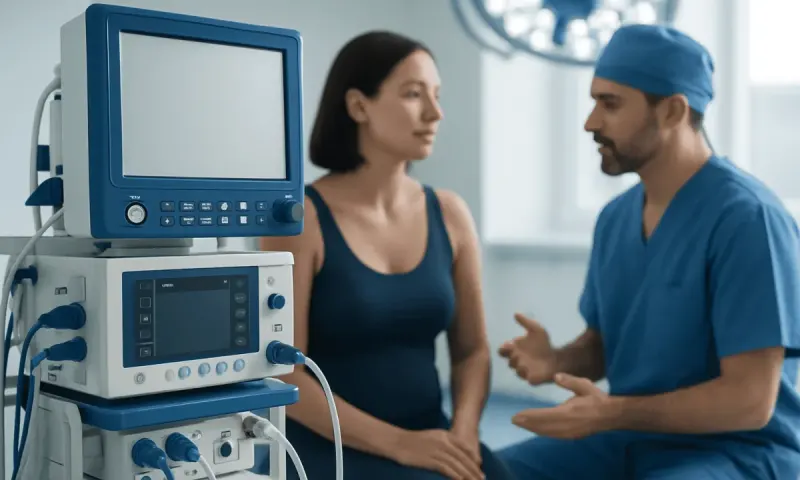
Cheap Breast Augmentation: Looking Beyond the Price

Cheap breast augmentation is not defined by a single price because the total cost and safety of surgery depend on the surgeon, implants, anesthesia, accredited facility, aftercare and possible future procedures. A lower quote should be reviewed carefully to ensure it includes appropriate medical standards, clear follow-up and transparent planning for long-term implant care.
Cheap Breast Augmentation: What Patients Really Pay
Cheap breast augmentation may seem appealing, but the true cost of breast implant surgery is broader than the initial quoted fee. A safe plan accounts for the surgeon’s qualifications, implant type, anesthesia, operating-room standards, preoperative assessment, postoperative care and the possibility of future implant-related procedures.
Breast augmentation is a surgical procedure that increases breast volume or changes breast shape using implants or, in selected cases, fat transferred from another area of the body. It can be chosen for naturally small breasts, breast asymmetry, volume loss after pregnancy or weight change, or reconstruction-related goals. It is important to distinguish an affordable, transparent treatment plan from a price that may leave out essential medical services.
People considering surgery can learn more about the procedure through breast augmentation treatment. A consultation with a qualified plastic surgeon should focus on health, desired outcome, safety, scarring, recovery and long-term care—not only on finding the lowest advertised cost.
What Shapes the Total Cost of Breast Augmentation?
There is no single reliable price for breast augmentation. Costs vary by country, city, surgeon experience, type of implant, operating facility, anesthesia requirements and the complexity of the procedure. A person having augmentation together with a breast lift, correction of marked asymmetry or revision of earlier surgery may need a different plan than someone having a straightforward first-time augmentation.
A complete estimate commonly addresses professional surgical fees, implant costs, anesthesia, operating-room or hospital services, laboratory tests when needed, medications, compression garments and scheduled follow-up visits. Travel, accommodation, time away from work and help at home during early recovery may also matter, particularly for people seeking care away from where they live.
Patients should ask for a written, itemized explanation of what is and is not included. It is reasonable to ask who provides aftercare, how concerns are handled after returning home, and what financial policies apply if revision surgery is medically necessary or desired later. A quote should never substitute for a proper medical assessment.
- Ask whether implants, anesthesia and facility costs are included.
- Confirm the qualifications of the operating surgeon and anesthesia team.
- Ask about follow-up visits, emergency contact arrangements and revision policies.
- Consider long-term costs, as implants may require monitoring or replacement in the future.
How Breast Augmentation Works and Who May Be a Candidate

During breast augmentation, a surgeon places an implant behind the breast tissue or beneath the chest muscle, depending on the individual’s anatomy, tissue coverage, goals and the surgeon’s clinical judgment. Implants have an outer silicone shell and may be filled with saline or silicone gel. The appropriate shape, size and placement are decided through shared discussion rather than a one-size-fits-all formula.
Suitable candidates are generally adults in good overall health who understand the benefits, limitations and risks of surgery. They should have realistic expectations about breast size, symmetry, scars and recovery. People who smoke or use nicotine are often advised to stop well before and after surgery because nicotine can interfere with healing and increase complications.
A consultation usually includes medical history, examination, discussion of breast shape and skin quality, and review of medications, prior surgery and family history. Imaging may be recommended according to age, symptoms and routine screening needs. Pregnancy, breastfeeding plans, significant untreated health conditions or active infection may mean surgery should be delayed or reconsidered.
What Happens During the Procedure and Recovery?
Breast augmentation is typically performed under general anesthesia. The surgeon makes an incision in a planned location, creates a pocket for the implant, checks breast shape and symmetry, and closes the incision. Common incision locations include the crease beneath the breast, around the lower edge of the areola or, less commonly, the armpit. The choice affects scar placement and depends on anatomy and the surgical plan.
After surgery, patients usually wear a supportive surgical bra or garment. Temporary tightness, swelling, bruising and discomfort are common. Early activity is limited, and patients need assistance getting home after anesthesia. The surgeon provides individualized instructions about wound care, bathing, sleeping position, driving, lifting and returning to work.
Many people resume light daily activities within days to a couple of weeks, depending on their job and recovery. Strenuous exercise, heavy lifting and chest-focused training generally require a longer pause. Swelling settles gradually over weeks to months, so the final appearance is not immediate. Follow-up appointments are important for checking healing, incision care and implant position.
Benefits, Risks and Long-Term Implant Care
Potential benefits of breast augmentation include increased breast volume, improved clothing fit, restoration of fullness after body changes and improved balance between the breasts for some people. Satisfaction often depends on choosing a proportionate result that fits the person’s body frame and on understanding that natural breasts are not perfectly symmetrical.
Like any operation, breast augmentation has risks. These can include bleeding, infection, anesthesia-related problems, altered nipple or breast sensation, visible scarring, delayed healing, asymmetry, implant malposition, rippling and pain. Capsular contracture, where scar tissue around an implant becomes tight or firm, can affect breast shape and may require further treatment.
Implants are not considered lifetime devices. Rupture, deflation, changes in breast tissue over time and personal preference can lead to future surgery. Patients with silicone gel implants should follow their surgeon’s advice and relevant regulatory guidance about monitoring for silent rupture. Rare implant-associated conditions have been reported, so new persistent swelling, a breast mass, pain or a change in breast shape should be assessed promptly.
How to Get Breast Implants Paid For?
Cosmetic breast augmentation is usually paid for by the patient because it is elective surgery. Health insurance may cover breast reconstruction or symmetry procedures when they are medically indicated, such as after mastectomy for breast cancer, congenital absence of breast tissue or certain trauma-related circumstances. Coverage rules vary substantially by insurer, country and policy.
A person seeking possible coverage should contact their insurer before arranging surgery and ask whether preauthorization, medical documentation or referral is required. The treating surgeon’s office may help supply clinical records, but approval remains the insurer’s decision. It is important not to assume that a procedure is covered because part of the care is reconstructive.
For elective surgery, some clinics offer financing arrangements, but patients should review interest, fees, repayment terms and what happens if plans change. Financing should not pressure anyone into surgery before they are medically and financially prepared. Saving for comprehensive care, including recovery needs and future follow-up, can be safer than choosing an inadequately supported option.
What State Is Breast Augmentation Cheapest In?
There is no dependable answer to which US state has the cheapest breast augmentation. Prices can differ within the same state because of local facility costs, surgeon experience, implant choice, anesthesia services and what the quote includes. A lower fee in one location may not remain lower after travel, accommodation, follow-up visits and possible revision care are considered.
Choosing surgery based only on state-level pricing can overlook important safety questions. Patients should verify that the surgeon has appropriate specialist training and credentials, that the procedure is performed in a suitably accredited or licensed facility, and that there is a clear plan for postoperative support.
For patients travelling internationally, continuity of care deserves particular attention. They should allow enough time near the treatment center for early follow-up, obtain written medical records and understand whom to contact after returning home. Acıbadem Health Point’s multidisciplinary specialists and JCI-accredited hospitals diagnose and treat patients travelling from abroad, with planning tailored to individual clinical needs.
What Is the 45-55 Rule for Breasts?
The “45-55 rule” is not a recognized medical guideline for breast augmentation. It is generally used in aesthetic discussions to describe a visual idea that the lower portion of a breast may account for slightly more fullness than the upper portion. It is not a measurement that determines the right implant size, breast shape or surgical approach for an individual.
Breast appearance is influenced by chest width, breast base diameter, skin elasticity, natural tissue volume, nipple position, posture and the implant selected. Attempting to copy a fixed ratio can produce an unsuitable result because each person’s anatomy and preferences differ.
A qualified surgeon evaluates proportions and discusses achievable outcomes using clinical examination and, where available, planning tools. Photographs can help communicate preferences, but they should be treated as examples rather than promises of an identical result.
How Much Does a Really Good Breast Augmentation Cost?
A really good breast augmentation cannot be defined by a universal price. It is better defined by informed decision-making, appropriate candidacy, a well-qualified surgical team, safe anesthesia and facility standards, an individualized implant plan, honest communication and reliable follow-up. These elements may affect the total cost, but they are central to quality care.
Patients should be cautious of unusually low offers, high-pressure promotions or vague quotes that do not identify the implant brand, facility, anesthesia arrangements or postoperative plan. They should also be wary of promises of perfect symmetry, permanent results or risk-free surgery. Asking for clear answers is an essential part of consent.
Before proceeding, patients can seek more than one consultation and compare the scope of care rather than only the final figure. They should feel comfortable discussing concerns, changing their mind and taking time to decide. The appropriate choice is a treatment plan that prioritizes health, realistic outcomes and continuing care.
When to Seek Medical Care
Before breast augmentation, medical review is important for anyone with a breast lump, nipple discharge, unexplained breast pain, skin changes, a new change in breast shape or a strong personal or family history of breast cancer. These symptoms do not necessarily mean a serious condition, but they should be assessed before elective breast surgery.
After surgery, patients should contact their surgical team promptly for worsening redness, fever, drainage from an incision, increasing pain, sudden one-sided swelling, significant bleeding or an opening wound. Emergency care is appropriate for breathing difficulty, chest pain, fainting or other severe symptoms. Following postoperative instructions and attending planned checkups support safer recovery.
Any later breast swelling, a new lump, persistent discomfort or change in implant shape should also be evaluated by a qualified clinician. Routine breast health screening should continue according to the person’s age, risk factors and local recommendations.
Frequently asked questions
01Is cheap breast augmentation safe?
A lower cost does not automatically mean surgery is unsafe, but the quote should be examined carefully. Safe care requires an appropriately qualified surgeon, suitable anesthesia, a properly equipped facility, clear implant information and reliable follow-up. Patients should avoid making decisions based on price alone.
02Are breast implants covered by insurance?
Cosmetic breast augmentation is usually not covered by insurance. Reconstruction after mastectomy and some medically necessary procedures may be covered, depending on the insurance policy and local rules. Patients should confirm coverage and authorization requirements directly with their insurer.
03How long do breast implants last?
Breast implants are not lifetime devices. Some people have them for many years without needing another procedure, while others need removal or replacement sooner because of rupture, capsular contracture, changes in appearance or personal preference. Regular follow-up and evaluation of new symptoms are important.
04How long is recovery after breast augmentation?
Initial recovery commonly involves several days of rest and reduced activity, while swelling and tightness can continue for weeks. Return to work varies with the procedure, recovery and physical demands of the job. Strenuous activity usually needs to wait until the surgeon confirms healing is adequate.
05Can breast implants affect breastfeeding?
Many people with implants can breastfeed, but breast surgery can affect milk supply or nipple sensation in some cases. The likelihood depends on incision placement, surgical technique and individual anatomy. Anyone planning future breastfeeding should discuss this goal during consultation.
06What should patients ask at a breast augmentation consultation?
Patients should ask about the surgeon’s qualifications, implant options, incision and placement choices, expected scars, recovery, possible complications and long-term monitoring. They should also request an itemized cost estimate and ask what follow-up and revision policies apply. A good consultation gives patients time and information to make an unpressured decision.
This article is for general information only and is not a substitute for professional medical advice. Please consult a qualified doctor about your individual situation.
Explore treatments in Turkey — costs, top hospitals & a free quote
JCI-accredited · board-certified surgeons · reply within 24h
Add us as a Preferred Source to see more of our trusted health content across Google Search, AI Overviews and Discover.